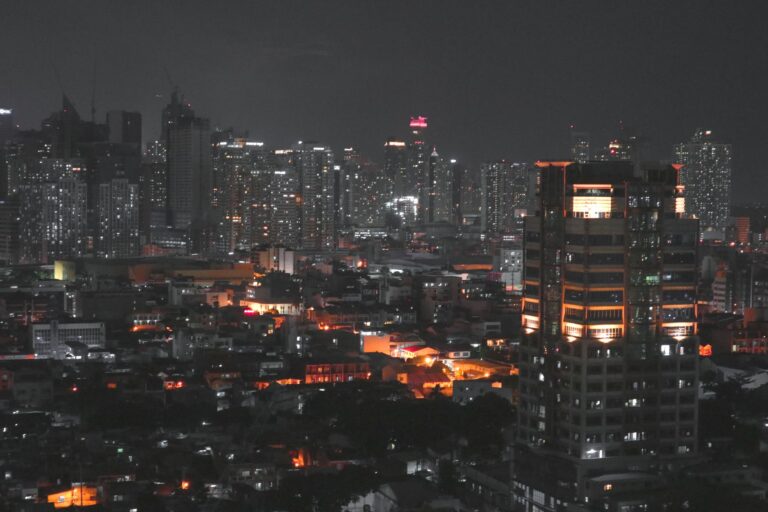
Koh Samui Travel Guide: Honest Tips for First-Timers
The first time I set foot on Koh Samui, I arrived at Nathon Pier on a Seatran car ferry after an overnight train from Bangkok, slightly rumpled and unsure what to expect. I had heard the usual things: too developed, too many resorts, too touristy. What I found instead was an island that manages to be many things at once. Busy and quiet. Developed and wild. Package-tourist and genuinely local, sometimes within a fifteen-minute scooter ride of each other. This Koh Samui travel guide is for first-time visitors to the Gulf of Thailand, especially those weighing Samui against the Andaman coast islands like Phuket and Koh Phi Phi, and trying to figure out whether it deserves a slot in their itinerary.
Samui is the largest of the three Gulf islands (Samui, Koh Phangan, and Koh Tao), and it serves as the natural hub for island hopping in this part of Thailand. It has an airport, a ring road that circles the entire island, ferry connections to its smaller siblings, and enough infrastructure that you can find everything from a 500-baht guesthouse to a five-star resort with a private pool. If you are planning your first Thai island trip and want somewhere with options, Samui is a strong starting point. But where you stay on the island changes the experience dramatically, and I will get into that honestly below.
If you are mapping out a broader Thailand adventure, my Bangkok travel guide covers the capital in depth, and my guide on how to get to Koh Samui breaks down every ferry, flight, and bus route in detail. This post is the full picture: what to do, where to stay, what it costs, and how to hop onward to Koh Phangan and Koh Tao once you are here.
The History Of Koh Samui
Koh Samui was a quiet, self-sufficient fishing and coconut-farming island for most of its recorded history. The first settlers were likely fishermen and farmers from southern Thailand and China who arrived several centuries ago, drawn by fertile soil and rich coastal waters. For generations, the island’s economy ran on coconuts, rubber, and fish. There were no roads connecting the coastal villages until the early 1970s, when the first ring road was carved through the jungle. Before that, getting from one beach to another meant a boat trip or a trek through the interior.
The first foreign travellers started arriving in the 1970s, the classic backpacker generation who slept in bamboo huts on Chaweng Beach for a few baht a night. There was no electricity, no ATM, no airport. The gradual transformation from backpacker hideaway to resort island accelerated in the 1980s and 1990s, and Bangkok Airways opened Samui Airport in 1989, which changed everything. Direct flights from Bangkok made the island accessible to a much broader range of travellers, and the resort boom followed.
What I find interesting about Samui’s history is how the island has retained pockets of its older identity despite the development. The interior is still largely jungle and coconut palms. Fishing villages like Hua Thanon on the southeast coast still operate. And the island’s Muslim community, concentrated in the south, gives Samui a cultural texture that surprises visitors who expect a purely Buddhist, tourist-facing island. Roughly 20 percent of Samui’s population is Muslim, a legacy of centuries of trade with the Malay peninsula. You will hear the call to prayer in parts of the island, see mosques alongside Buddhist temples, and find that the food in the south reflects a southern Thai-Malay fusion that is genuinely different from what you get in Bangkok or Chiang Mai.
Best Things To Do In Koh Samui
Samui has a wider range of activities than most Thai islands because of its size and infrastructure. You can spend a day snorkelling, a day visiting temples, a day hiking to a waterfall, and a night eating street food, all without leaving the island. The trick is knowing which activities are genuinely worth your time and which are tourist traps dressed up in tropical packaging. Here is what I would prioritize, grouped by category.
Beaches & Islands
The beach scene on Samui is divided between the east coast and the west coast, and they feel like different islands. I will get into the Chaweng vs Lamai comparison in the Where to Stay section below, but for activities, the key beach experiences are:
Chaweng Beach is the longest and most developed, a 6-kilometre stretch of soft sand on the east coast. The water is generally calm and swimmable, and the sand is the finest on the island. The downside is density: beach clubs, jet ski operators, and sun loungers packed tightly. If you want a buzzing beach day with food and drinks steps away, Chaweng delivers. If you want quiet, look elsewhere.
Lamai Beach is south of Chaweng, roughly a 15-minute drive. The sand is slightly coarser and the beach narrower, but the water is clear and the vibe is noticeably less intense. I prefer Lamai for swimming. The southern end of Lamai, near the Hin Ta Hin Ya rocks (the famous Grandfather and Grandmother rocks), is quieter and has a more local feel. The rocks themselves are a natural formation that looks, well, anatomical. They are a minor attraction worth a quick photo and a chuckle, not a full detour.
Bophut and Fisherman’s Village on the north coast is my favourite area for a beach stroll combined with culture. The beach is narrow and the water is shallow, but the old wooden shophouses have been converted into restaurants, cafes, and boutique shops. Walking the main street at sunset, then having dinner on the sand, is one of the best low-key experiences on the island.
Ang Thong Marine Park is the headline island-hopping excursion from Samui, a protected archipelago of 42 limestone islands about 90 minutes by speedboat to the northwest. Think emerald lagoons, hidden coves, sea caves, and viewpoints that make you understand why Alex Garland set “The Beach” in this kind of landscape (the actual filming was on Phi Phi, but Ang Thong has the same vibe). Most tours include kayaking, snorkelling, a viewpoint hike, and lunch. Book through a reputable operator rather than the cheapest stall on the street. Expect to pay 1,500 to 2,500 baht per person for a full-day tour including lunch and transfers.
If you have already done the Andaman coast, my Koh Phi Phi tour guide covers the other famous island-hopping destination in Thailand. Ang Thong is quieter and less developed than Phi Phi, with smaller crowds and more of a raw, jungle-island feel.
Nature
Samui’s interior is genuinely worth exploring, and most visitors never see it because they never leave the beach. Rent a scooter (with a proper helmet and an International Driving Permit, which matters here because police checkpoints do happen) and head into the hills.
Na Muang Waterfalls are the island’s best-known natural attraction. There are two of them, creatively named Na Muang 1 and Na Muang 2. Na Muang 1 is the easier one to reach, with a short walk from the parking area. Na Muang 2 requires a steeper hike but has a larger pool for swimming. Both are at their best during or just after the rainy season when the water is flowing properly. In the dry season, they can be a trickle. Entry is free, though you may pay a small parking fee.
Hin Lad Waterfall is quieter and less visited than the Na Muang falls. It is south of Nathon, and the hike in takes about 30 minutes through jungle. The reward is a natural swimming pool at the base. I went on a weekday morning and had it entirely to myself.
The Secret Buddha Garden (also called Tarnim Magic Garden) is hidden in the hills of the island’s interior. It is a collection of stone statues, figures, and small shrines built by a local farmer named Nim Thongsuk starting in the 1970s, tucked into a lush garden setting. Getting there involves a steep, winding road best tackled by scooter or 4×4. The garden is peaceful, slightly surreal, and one of the most unique things on the island. Entry is around 100 baht.
Cultural Experiences
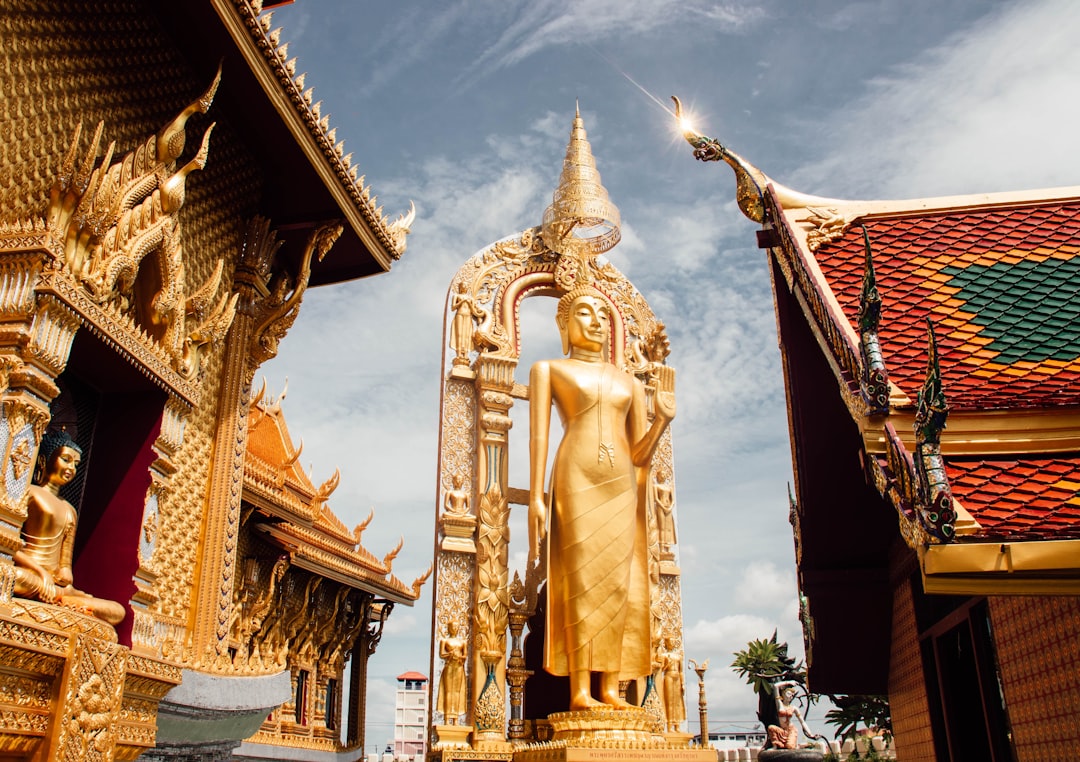
Wat Phra Yai (Big Buddha Temple) is the island’s most iconic cultural site. A 12-metre golden Buddha statue sits on a small connected island called Koh Fan, reachable by a causeway. The temple is active, so dress respectfully (cover shoulders and knees). Go early morning or late afternoon to avoid both the heat and the tour bus crowds. The view from the top of the steps takes in the entire north coast.
Wat Plai Laem is a short walk from Big Buddha and in my opinion the more visually striking of the two. It features a massive statue of Guanyin, the Chinese goddess of compassion, with 18 arms, surrounded by a lake full of catfish that you can feed. The temple is a blend of Chinese, Thai, and Indian architectural influences, reflecting Samui’s multicultural makeup. The artistry here is more intricate than at Big Buddha, and it tends to be less crowded.
Hua Thanon Fishing Village on the southeast coast is where I send people who want to see the real Samui. This is a working Muslim fishing village with wooden houses, a daily fish market, and several excellent seafood restaurants that are cheaper and more authentic than anything in Chaweng. Walk the market in the morning, watch the longtail boats unload, and eat lunch at one of the waterside places. It is a different island here.
Tourist Attractions
The mummified monk at Wat Khunaram is one of those things that sounds macabre but is actually a deeply respectful cultural experience. A former abbot named Loung Pordaeng died in 1973 in a meditation posture, and his body has been naturally preserved and displayed in a glass case at the temple. It is not a sideshow. It is a site of veneration. Visitors should be quiet and respectful. It is a 15-minute stop on the ring road between Lamai and Nathon, and it gives you a window into Thai Buddhist attitudes toward death that you will not get at a beach club.
Samui Elephant Sanctuary is the ethical option for anyone wanting to see elephants on Samui. It is a rescue and rehabilitation sanctuary where elephants that were formerly used for logging or riding now live freely. There is no riding, no performances, no bathing with elephants. You observe, feed, and walk with them. This is the model I support, and I would steer you away from any operation offering elephant rides or shows. Half-day visits cost around 2,500 to 3,000 baht and include lunch and transfers.
Theme Parks & Adventures
Coco Splash Adventure & Waterpark near Lamai is a small water park that is decent if you are travelling with kids and need a break from the beach. It has water slides, a splash zone, and a lazy river. It is not a massive international-standard park, so manage your expectations. Entry is around 500 baht for adults, less for children.
Samui Snake Farm offers cobra shows and is one of those attractions that divides travellers. Some find it fascinating, others find it exploitative. I have not visited personally, and I would suggest researching current reviews before deciding whether it fits your travel values.
Where & What To Eat And Drink In Koh Samui
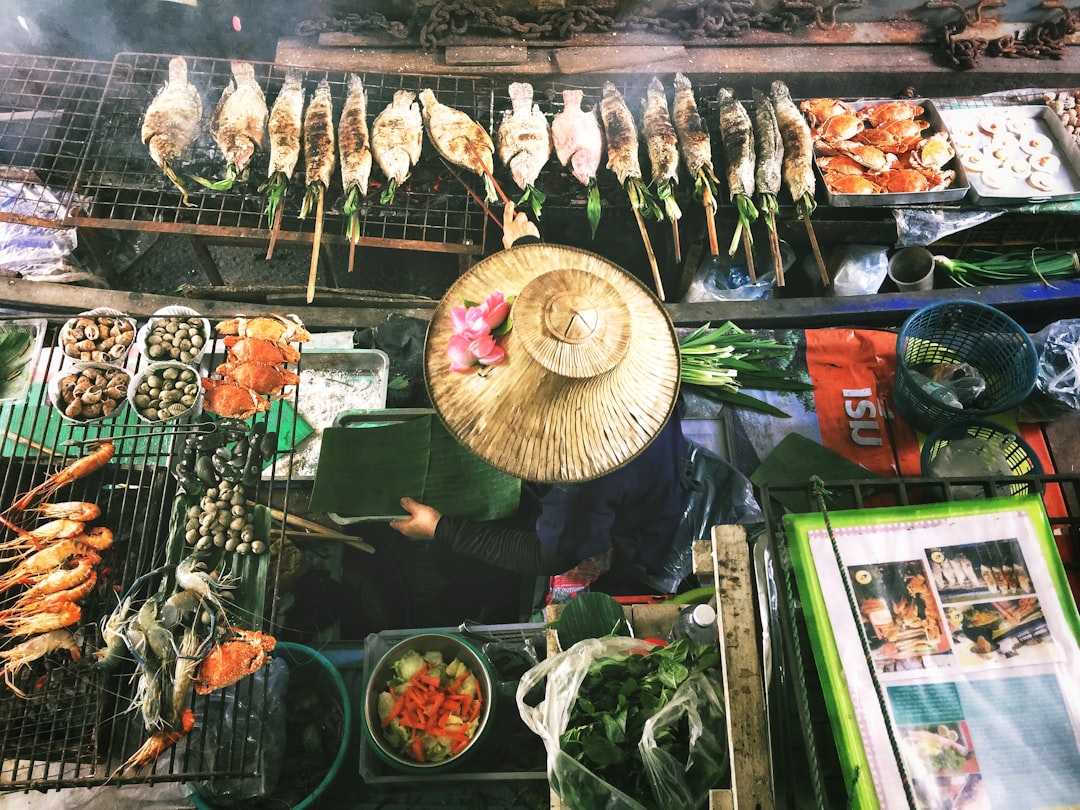
Samui’s food scene runs the full range from 50-baht street food to fine dining, and the best meals are not always the most expensive. The island’s position in the Gulf, its Muslim community in the south, and its long history as a fishing island all shape what you will eat here. These are the dishes and spots I would prioritize.
Khao mok gai is Thai-Muslim biryani, and it is one of the best dishes you can eat on Samui that you will struggle to find in Bangkok. Yellow rice cooked with chicken, spices, and turmeric, served with a sweet chili sauce and a small bowl of clear broth. It is a southern Thai specialty, and the Muslim communities around Hua Thanon and the south coast do it best. Look for it at local restaurants and market stalls, usually available from late morning through early afternoon. Expect to pay 50 to 80 baht.
Massaman curry is another southern Thai-Malay dish that Samui does well. It is a rich, relatively mild curry with potatoes, peanuts, and usually chicken or beef, reflecting the Persian and Malay influences on southern Thai cuisine. The version I had at a small restaurant in Hua Thanon was deeply flavorful and cost 120 baht. Restaurant name? I wish I could tell you, but it was a hand-painted sign in Thai. Find the places where locals are eating and you will find the good version.
Fresh seafood is the obvious draw on a fishing island. The seafood restaurants along the south coast, particularly near Hua Thanon, are better value than the beach clubs of Chaweng. Grilled fish, prawns, and squid, sold by weight and cooked simply with lime, chili, and garlic. A whole grilled snapper with rice and vegetables for two people should cost 400 to 600 baht if you are at a local place. At a beach club in Chaweng, the same fish will cost 800 to 1,200 baht.
Street food at the night markets is where I eat most evenings on Samui. The Fisherman’s Village walking street on Friday evenings is the most popular, with stalls selling pad thai, grilled skewers, fresh fruit shakes, roti (the Thai-Muslim flatbread), and mango sticky rice. Chaweng has a nightly market area, and Lamai has a Sunday walking street. Prices are uniformly cheap: 40 to 100 baht per dish, 30 to 50 baht for a fruit shake. Go hungry.
Cafe culture on Samui has grown significantly. Bophut and Fisherman’s Village have the best cluster of cafes, with several serving decent espresso and Western-style brunch alongside Thai coffee. The island also produces its own coconut oil and coconut-based products, which you will see everywhere. Try the fresh coconut ice cream sold from carts and market stalls, usually 40 to 60 baht and made with coconut milk from the island’s own palms.
Shopping In Koh Samui
Samui is not a shopping destination in the way Bangkok or Chiang Mai is, but it has enough markets and local products to fill an afternoon. The main shopping experiences break into night markets, a central mall, and local specialties worth taking home.
Fisherman’s Village Friday Walking Street is the best single market experience on the island. Every Friday evening, the main street of Bophut closes to traffic and fills with stalls selling food, clothing, jewellery, crafts, and souvenirs. It is tourist-oriented but retains a charming atmosphere thanks to the old wooden shophouses. Go around 5 PM before the crowds peak.
Chaweng Night Market is the other major market, running nightly. It is more commercial and more crowded, with a mix of food stalls, fake designer goods, and souvenirs. Prices are negotiable, so haggle politely. I have found decent beachwear and t-shirts here for 150 to 300 baht.
Central Samui (Central Festival) near Chaweng is the island’s main shopping mall. It has air conditioning, a cinema, a food court, and brand-name stores. If you need supplies, a pharmacy, or a break from the heat, this is where you go. It is not a destination in itself, but it is useful.
Local specialties worth buying include coconut oil (sold everywhere, but look for cold-pressed versions), dried seafood snacks from the fishing villages, and Thai spices and curry pastes. The markets around Nathon and Lamai have better prices than the tourist stalls in Chaweng. If you are riding a motorcycle through Thailand, there are gear shops in Bangkok worth visiting before you head south, as covered in my Bangkok guide.
Bars & Nightlife In Koh Samui
Samui’s nightlife is concentrated in Chaweng, with a secondary cluster in Lamai, and it runs the spectrum from low-key beach bars to full-on party streets. If you want peace and quiet at night, stay on the north or west coast. If you want to go out, Chaweng is where it happens.
Chaweng Walking Street (also called Soi Green Mango) is the main nightlife strip. It has bars, clubs, cabaret shows, and the kind of neon-and-bass energy that draws backpackers and package tourists alike. The Green Mango Club is the best-known venue. Things get going around 10 PM and run until 2 AM or later. It is loud, it is not subtle, and it is exactly what you expect from a Thai party street. If that is your scene, you will have a good time. If it is not, do not stay anywhere near Chaweng Beach Road at night.
Beach bars are the more relaxed option. Along Chaweng and Lamai, several bars set up tables and beanbags on the sand, with low lighting, reggae or chill house music, and cocktails in the 150 to 300 baht range. These are good for a sunset drink that turns into a longer evening. Ark Bar on Chaweng is the best-known beach bar, and it draws a crowd every night.
Fisherman’s Village in Bophut has a more grown-up nightlife scene. The bars here are cocktail-focused, quieter, and generally more pleasant if you want a drink and a conversation rather than a club. Several rooftop and second-floor bars along the main strip offer sunset views over the water.
Ladyboy cabaret shows are a well-known part of Thai nightlife, and Samui has two popular ones in Chaweng: Tina Cabaret and Starz Cabaret. They are lip-sync performances with elaborate costumes, and they are more variety show than anything explicit. Tourists of all ages attend. Tickets are around 400 to 600 baht, often including a drink. If you have never seen one, it is a uniquely Thai entertainment form worth experiencing at least once.
When Is The Best Time To Visit Koh Samui?
Koh Samui has a different weather pattern from the Andaman coast, and this is one of the most important things to understand when planning a Gulf of Thailand trip. The Andaman coast (Phuket, Krabi, Koh Phi Phi, Koh Lanta) gets its monsoon from the southwest, with heavy rains from May through October. The Gulf coast (Samui, Phangan, Tao) gets its monsoon from the northeast, which means the rainiest months are different, typically October through December, with November often being the wettest.
This means that June through August, when the Andaman coast is getting hammered by rain, the Gulf islands are often dry and pleasant. And vice versa: December, which is peak season on the Andaman coast, can be rainy on Samui. This is the single biggest advantage of choosing Samui over Phuket for a summer trip, and the single biggest mistake first-timers make is assuming all of Thailand has the same monsoon calendar.
| Season | Months | Temperature | Rain | Crowds & Prices | Best For |
|---|---|---|---|---|---|
| Dry / Hot | February to May | 30 to 35 degrees C | Little to none (dry season starts) | Building toward peak, moderate prices | Beach days, island hopping, snorkelling |
| Dry / Pleasant | June to September | 28 to 33 degrees C | Occasional showers but mostly dry | High season (European summer), good prices | Best overall value, calm seas, ferry-friendly |
| Monsoon | October to December | 27 to 31 degrees C | Heavy rain, especially Nov | Low season, lowest prices, fewest crowds | Budget travellers, flexible plans |
| Cool / Dry | January to February | 26 to 32 degrees C | Minimal | Peak season, highest prices | First-timers, Christmas and New Year |
My recommendation: if you have flexibility, target February through September. The weather is reliably good, the seas are calm enough for ferry hopping and snorkelling, and you avoid the November monsoon that can dump rain for days and cancel boat trips. June through August is the sweet spot for combining Samui with a wider Thailand trip, because the Andaman coast is in its monsoon while the Gulf is largely dry. You get decent weather, moderate prices, and functioning ferry schedules.
Avoid November if you can. It is historically the wettest month on Samui, with heavy downpours that can last for days, rough seas that cancel ferries, and flooding in low-lying areas. October and December are transitional and can go either way. If you must travel during monsoon, build flexibility into your itinerary and do not book non-refundable ferry tickets or tight island-hopping schedules.
How Many Days Do You Need In Koh Samui?
Five days is my minimum recommendation for Koh Samui itself, and seven is ideal if you want to include an island hop to Koh Phangan or Koh Tao. Three days is enough to see the highlights if you are efficient, but you will spend more time in transit than exploring. Anything less than three days and I would say skip Samui and go straight to a smaller island.
Here is a shape that works for five full days:
Day 1: Arrive, settle into your hotel, explore your local beach area. If you are in Chaweng or Lamai, walk the beach, find a beach bar for sunset, eat at a night market.
Day 2: Rent a scooter and do the ring road circuit. Stop at Big Buddha and Wat Plai Laem on the north coast, continue to the Secret Buddha Garden in the interior, then down to Na Muang Waterfall. End the day at Lamai Beach or Hua Thanon for seafood.
Day 3: Full-day Ang Thong Marine Park tour. Speedboat departure in the morning, kayaking and snorkelling, viewpoint hike, back by late afternoon.
Day 4: Slow morning, then head to Fisherman’s Village in Bophut. Spend the afternoon walking the old shophouses, cafe-hopping, and browsing. If it is a Friday, the walking street market takes over the entire village in the evening.
Day 5: Beach day. Pick a quiet stretch of sand, preferably on the north or west coast, and do nothing. Or, if you are diving or snorkelling, take a half-day trip to Koh Tao (more on that below).
If you have seven days, add a two-night island hop to Koh Phangan or Koh Tao. The ferry connections are short and frequent, and experiencing at least one of the sibling islands gives you a fuller picture of what the Gulf of Thailand offers. My Thailand, Cambodia, Laos, and Vietnam itinerary guide positions Samui within a broader mainland Southeast Asia loop if you are planning something longer.
Where To Stay In Koh Samui
Where you stay on Samui determines your experience more than almost any other decision. The island has distinct areas, each with a different personality, price range, and noise level. I will be direct about the trade-offs because I have stayed in most of them and made the wrong choice more than once.
Chaweng vs Lamai: The Honest Comparison
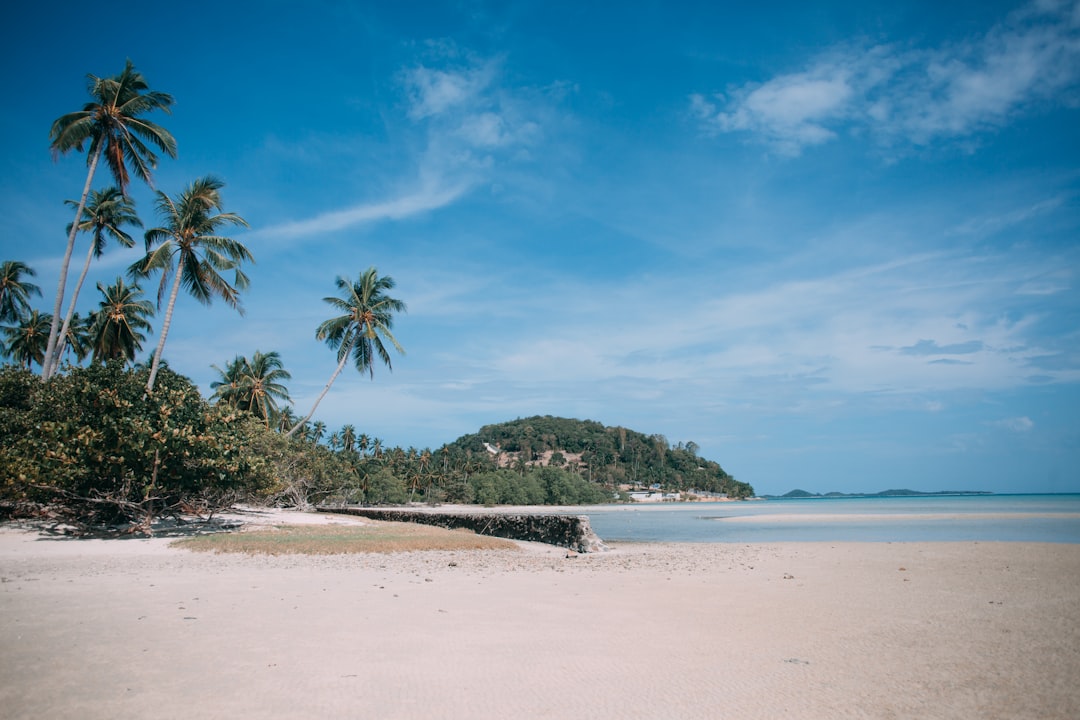
This is the decision every first-timer faces, so let me break it down plainly based on my own experience staying in both.
Chaweng is louder, busier, more developed, and more expensive. The beach is the best on the island in terms of sand quality and width, but you will share it with jet skis, beach clubs, and hundreds of other people. The water is calm and swimmable. At night, the main road comes alive with bars, clubs, and tour stalls, and the noise carries. If your hotel is anywhere near the beach road, expect bass until 2 AM. Restaurants and convenience stores are everywhere, which is convenient. Prices for food and drinks are 20 to 40 percent higher than Lamai for comparable quality. Chaweng is the right choice if you want nightlife, walkability, and a lively beach scene, and you do not mind crowds and noise.
Lamai is quieter, cheaper, and more relaxed, though it is not exactly a hidden gem. The beach is narrower and the sand is coarser, but the water is clear and good for swimming. The southern end of Lamai is the quieter part, with a more local feel. The nightlife strip is smaller and less intense than Chaweng’s, concentrated around a few bars and restaurants rather than a full party street. I found the food in Lamai to be better value, with more local Thai restaurants alongside the tourist-oriented places. If you want a beach holiday with some social scene but without the full Chaweng intensity, Lamai is the better call.
My honest take: if I was visiting Samui for the first time and wanted the classic Thai island experience with a bit of everything, I would stay in Lamai. It gives you beach, food, and nightlife without the overwhelm. If I was travelling with friends and wanted to party, Chaweng. If I was travelling as a couple or with family, I would skip both and look at the north or west coast.
Other Areas Worth Considering
Bophut / Fisherman’s Village (north coast): The best balance of charm, dining, and relative quiet. The old wooden shophouses and walking street give it character that Chaweng and Lamai lack. Beach is narrow but adequate. Excellent for couples and families. A good base if you want restaurant variety without the party scene.
Choeng Mon (northeast): Quieter than Chaweng, with a small, sheltered beach that is good for swimming. Popular with families and higher-end resorts. If you want a calm beach with resort facilities, this is a solid pick.
Lipa Noi (west coast): One of the quietest beaches on the island, with shallow water and sunset views. This is where you go to escape the crowds entirely. Limited dining options, so you will likely eat at your hotel or drive to find food. Best for couples and anyone seeking stillness.
Taling Ngam (west coast): Similar to Lipa Noi but slightly more developed. Beautiful sunset views, a handful of resorts and restaurants, and a genuinely peaceful atmosphere. This is where I would stay if I wanted a romantic, do-nothing beach trip.
Nathon (west coast): The main ferry port and administrative capital. Functional rather than beautiful. Good if you are on a tight budget or need to be near the ferry terminal, but not a destination beach. I would only stay here if I arrived late and needed a place before moving on.
Here is a rough price guide for accommodation by area:
- Budget guesthouses and hostels: 300 to 800 baht per night (best in Lamai, Nathon, and the back streets of Chaweng)
- Mid-range hotels and resorts: 1,000 to 2,500 baht per night (good options in Bophut, Lamai, and Choeng Mon)
- Upscale and luxury resorts: 3,000 to 10,000+ baht per night (concentrated in Chaweng, Choeng Mon, and Taling Ngam)
Prices fluctuate significantly with season. In peak season (January, February, and the Christmas period), expect to pay 30 to 50 percent more. In the October-to-December monsoon, prices drop sharply and you can find excellent deals, though you are trading sunshine for savings.
How Do You Get Around In Koh Samui?
Samui has a 50-kilometre ring road that circles the island, and getting around is straightforward once you understand the options. The choice comes down to scooter, taxi, or songthaew, and each has trade-offs.
Scooter rental is the most flexible and cheapest option if you are comfortable riding. Rental shops are everywhere, and daily rates run 150 to 300 baht for a standard Honda Click or similar automatic scooter. The ring road is paved and generally in good condition, though traffic in Chaweng can be dense. Wear a helmet (it is legally required and police checkpoints are common), carry your International Driving Permit, and do not ride in heavy rain. I cover IDP requirements in detail in my International Driving Permit guide, and the rules apply just as much on Samui as anywhere else in Thailand. If you have never ridden a scooter before, Samui’s traffic is not the place to learn.
Songthaews (red pickup trucks) are the local public transport on Samui. They run the ring road route and you flag them down like a bus. Fares are cheap, usually 30 to 80 baht depending on distance. The problem is unpredictability: they do not run on fixed schedules, they wait to fill up before departing, and at night they often switch to fixed-price taxi rates. During the day, they are a good budget option. At night, they become expensive.
Taxis on Samui are metered in theory but rarely use the meter in practice. You will negotiate a flat fare, which means you need to agree on the price before getting in. Expect 300 to 600 baht for most journeys between beaches, and more for longer cross-island trips. Grab (the ride-hailing app) works on Samui and is generally cheaper and more transparent than street taxis, though Grab drivers are sometimes restricted from picking up at certain tourist areas. I always check Grab first before negotiating with a taxi driver, because it gives you a price benchmark.
Private airport transfers are the one taxi situation where you have no choice. Samui Airport operates a fixed-rate taxi desk, and fares run 300 to 600 baht depending on your destination beach. There is no Grab pickup at the airport. Some hotels offer complimentary transfers, so check before you book a taxi.
Island Hopping: Ferries To Koh Phangan And Koh Tao
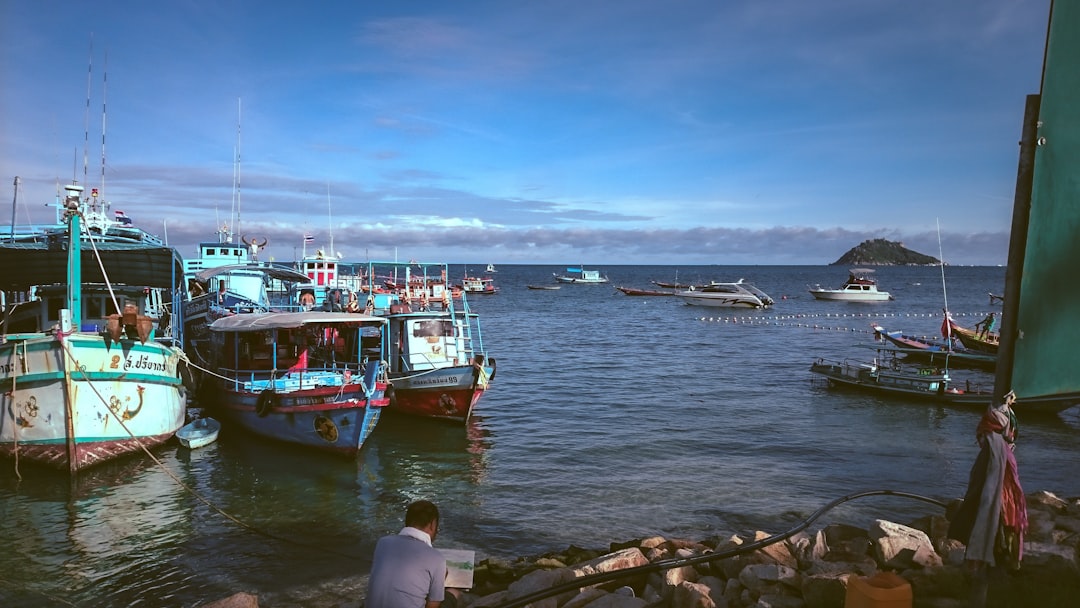
One of the best things about basing yourself on Samui is how easy it is to hop to the other Gulf islands. Koh Phangan and Koh Tao are both a short ferry ride away, and the connections are frequent enough that you can do day trips or multi-night hops without complicated logistics. Here is what you need to know about the operators, schedules, and costs.
Koh Samui To Koh Phangan
Koh Phangan is the closest of the two, famous for the Full Moon Party but also offering some of the quietest beaches in the Gulf if you avoid the party areas. The ferry crossing from Samui to Phangan takes 20 to 45 minutes depending on the operator.
Lomprayah High-Speed Catamaran is the fastest option, with a crossing time of about 20 to 30 minutes from Bang Rak Pier (on Samui’s north coast) to Thong Sala Pier on Koh Phangan. Lomprayah runs multiple departures daily, typically starting around 8:00 AM with the last departure in the late afternoon. One-way fares are around 300 to 400 baht. The catamaran is comfortable and air-conditioned, but it does not carry vehicles.
Seatran Ferry operates a car and passenger ferry from Bang Rak Pier to Thong Sala, taking about 45 minutes. Fares are around 200 to 300 baht for passengers, and it carries motorcycles and cars if you are island hopping with your own wheels. Departures run roughly every hour during daytime.
Raja Ferry also runs car ferries to Koh Phangan from Nathon Pier on the west coast, with a crossing time of about 45 to 60 minutes. Similar pricing to Seatran. If you are bringing a scooter or car, Raja and Seatran are your options.
Koh Samui To Koh Tao
Koh Tao is further north, past Koh Phangan, and is Thailand’s premier diving island. The crossing from Samui takes 90 minutes to 2 hours depending on the operator.
Lomprayah runs the fastest service, about 90 minutes from Bang Rak Pier on Samui to Mae Haad Pier on Koh Tao, often stopping at Koh Phangan along the way. Fares are around 500 to 600 baht one way. Two to three departures daily, typically morning and early afternoon.
Seatran Discovery (Seatran’s high-speed service) also runs between Samui and Koh Tao, with a crossing time of roughly 2 hours. Fares are comparable to Lomprayah.
Ferry Tips For Island Hoppers
- Book Lomprayah tickets a day or two ahead during peak season, especially for morning departures. They fill up.
- Bring motion sickness medication if you are prone to it. The Gulf is usually calm, but the open-water stretch to Koh Tao can get choppy, particularly during monsoon months.
- Check which pier your ferry departs from. Lomprayah and Seatran use Bang Rak Pier on the north coast, while Raja uses Nathon Pier on the west coast. The difference can be a 30-minute taxi ride across the island.
- If you are bringing a scooter, only Raja and Seatran car ferries accept vehicles. Lomprayah is passenger-only.
- During monsoon season (October to December), high-speed catamarans can be cancelled or delayed. Build buffer time into your schedule if you are island hopping during these months.
If you want a deeper dive into getting to Samui in the first place, my guide to every route to Koh Samui covers flights, overnight trains, bus-ferry combos, and overland options from Bangkok, Singapore, and Kuala Lumpur in full detail.
What Does Koh Samui Actually Cost?
Here is a realistic breakdown of what a trip to Koh Samui costs, based on my own spending across multiple visits. Prices are in Thai baht and reflect mid-range travel. You can spend less as a backpacker or far more at a luxury resort, but this gives you a baseline.
| Expense | Budget | Mid-Range | Comfortable |
|---|---|---|---|
| Accommodation (per night) | 300 to 800 baht | 1,000 to 2,500 baht | 3,000 to 8,000+ baht |
| Meals (per day) | 200 to 400 baht | 500 to 1,000 baht | 1,500 to 3,000 baht |
| Scooter rental (per day) | 150 to 250 baht | 200 to 300 baht | 300 to 500 baht |
| Ferry to Phangan (one-way) | 200 to 300 baht | 300 to 400 baht | 300 to 400 baht |
| Ferry to Koh Tao (one-way) | 350 to 500 baht | 500 to 600 baht | 500 to 600 baht |
| Ang Thong tour (full day) | 1,200 to 1,500 baht | 1,500 to 2,500 baht | 2,500 to 3,500 baht |
| Drinks (per night) | 100 to 300 baht | 300 to 800 baht | 800 to 2,000 baht |
| Daily total (approx.) | 800 to 1,500 baht | 2,000 to 4,000 baht | 5,000 to 12,000 baht |
A realistic mid-range budget for five days on Samui, including accommodation, food, scooter rental, one island-hopping tour, and a ferry hop to Koh Phangan, runs about 10,000 to 15,000 baht per person. That is roughly $280 to $420 USD, which is reasonable for a Thai island with this level of infrastructure. You can do it for half that as a backpacker staying in hostels and eating street food, or you can multiply it several times over at a luxury resort.
One cost that catches people off guard: Samui Airport is privately owned by Bangkok Airways, which means flights in and out are more expensive than other domestic Thai routes. If you are on a budget, the overnight train or bus to Surat Thani plus a ferry is a far cheaper route, as I detail in my getting to Koh Samui guide. The trade-off is time: the budget route takes 12 to 16 hours from Bangkok versus 70 minutes by air.
Conclusion
Koh Samui is not the most authentic island in Thailand, and it is not the quietest. But it is the most versatile. It gives you beaches, culture, nature, nightlife, food, and ferry connections all on one island, and it lets you dial each of those up or down depending on where you stay and what you do. If you are planning your first Gulf of Thailand trip and want a base that lets you experience the full range of what the region offers, Samui is the right starting point.
The key is choosing the right beach for your travel style. Chaweng for nightlife and energy. Lamai for a calmer beach scene that still has social options. Bophut for charm and dining. The west coast for peace and sunsets. Get that decision right, and Samui will deliver exactly the trip you are looking for.
Have you been to Koh Samui? Did you stay in Chaweng, Lamai, or somewhere else? Drop your experience in the comments, I would love to hear how other travellers approached the island, especially if you found a quiet corner I missed. And if you are building a wider Thailand or Southeast Asia itinerary, we at Rider Chris are steadily adding more guides, route breakdowns, and practical travel advice from the road, written by people who have actually done the miles.
Ready to explore more of Thailand? Check out my Chiang Rai guide for northern Thailand, or my guide to getting to Koh Chang if you want to compare Samui with Thailand’s eastern islands.
Frequently Asked Questions
Is Koh Samui better than Phuket for a first Thai island trip?
It depends on your priorities. Samui has a different monsoon season from Phuket, so June through August is dry on Samui while the Andaman coast gets heavy rain. Samui is smaller and easier to navigate, with a 50-kilometre ring road. Phuket is larger with more nightlife and shopping but more crowded. Samui is the better hub for island hopping to Koh Phangan and Koh Tao.
Which is better: Chaweng or Lamai Beach?
Chaweng has the best sand and widest beach but is louder, more crowded, and 20 to 40 percent more expensive. Lamai is narrower and coarser but quieter, cheaper, and better for swimming. Choose Chaweng for nightlife and energy, Lamai for a calmer beach with social options. For couples or families, consider Bophut or the west coast instead.
How do I get from Koh Samui to Koh Phangan and Koh Tao?
Lomprayah high-speed catamaran runs from Bang Rak Pier to Koh Phangan in 20 to 30 minutes for 300 to 400 baht, and to Koh Tao in about 90 minutes for 500 to 600 baht. Seatran Ferry also serves both islands with car-carrying ferries. Multiple departures run daily. Book ahead in peak season.
When is the monsoon season in Koh Samui?
Koh Samui’s monsoon runs from October through December, with November typically the wettest month. This is different from the Andaman coast (Phuket, Krabi), which gets heavy rain from May through October. The best time to visit Samui is February through September, with June to August being the sweet spot for good weather and reasonable prices.
How many days do I need in Koh Samui?
Five days is the minimum to see the island properly, and seven is ideal if you want to include an island hop to Koh Phangan or Koh Tao. Three days covers the highlights if you are efficient, but you will spend more time in transit than exploring. Less than three days, go straight to a smaller island.