Bangkok Travel Guide: Real Tips for First-Timers & Riders
The first time I stepped out of Suvarnabhumi Airport and into the warm, diesel-tinged air of Bangkok, I had a backpack, a rough idea of where my guesthouse was, and absolutely no concept of how big this city actually is. That was years ago. I have been back many times since, sometimes passing through on my way somewhere else, sometimes staying a week, and once riding out of the city northward on a motorcycle at dawn, threading through early-market traffic until the towers thinned and the rice paddies started. This Bangkok travel guide is for first-time visitors, Southeast Asia travellers hubbing through, and motorcyclists staging trips north who need a real, lived-in guide, not a tourism board brochure.
Bangkok is the kind of city that rewards a loose plan and punishes a rigid one. It is loud, sprawling, and layered with contradictions: gilded temples beside elevated expressways, canal-side wooden houses in the shadow of glass condo towers, and street-food stalls that outcook half the restaurants in the city for a tenth of the price. I have learned its rhythms through repetition, and this guide reflects what actually works rather than what looks good in a brochure. If you want a deeper dive into the city’s top attractions, my best things to do in Bangkok post covers those in detail. This guide is the bigger picture: how the city fits together, where to sleep, how to move, and how to escape when traffic breaks you.
The History of Bangkok
Bangkok was not always the capital. Before 1782, the Thai seat of power sat across the river in Thonburi, and before that, in Ayutthaya, the great trading kingdom that the Burmese destroyed in 1767. When King Rama I established the new capital on the eastern bank of the Chao Phraya River in 1782, he was deliberately building a fresh start on a site that had been a customs outpost and trading settlement. The city’s ceremonial name, a sprawling Pali-Sanskrit tongue-twister that most Thais shorten to “Krung Thep” (City of Angels), encodes that ambition.
For over a century, Bangkok was a water city. Canals (khlongs) were the main arteries, and most people moved by boat. Roads came late, and the first real paved streets did not appear until the late 1800s under King Chulalongkorn’s modernization drive. The city’s layered identity, royal, commercial, Chinese, and increasingly global, grew from its position as a trading hub where Chinese merchants, European diplomats, and regional traders all converged. That legacy is still visible in neighborhoods like Yaowarat (Chinatown), the old European quarter along the river, and the dense mix of old shophouses and new towers that defines the urban fabric.
The Bangkok you see today was shaped by the boom decades from the 1980s onward, when skyscrapers, elevated expressways, and mass transit lines transformed a low-rise canal town into a megacity of over 10 million people. The contrast between old and new is not a bug. It is the defining feature of the city, and understanding it helps you navigate Bangkok with less frustration and more appreciation.
Best Things To Do In Bangkok
Bangkok’s best experiences span several categories, and no single day will cover them all. The trick is grouping activities by area so you are not spending half your day in traffic crossing the city. I group my Bangkok days into clusters: the Old City and river one day, Chinatown and Talat Noi another, and the shopping and nightlife districts on a third. Here is what stands out, organized by the categories that fit Bangkok.
Tourist Attractions: Temples, Palaces, and the River
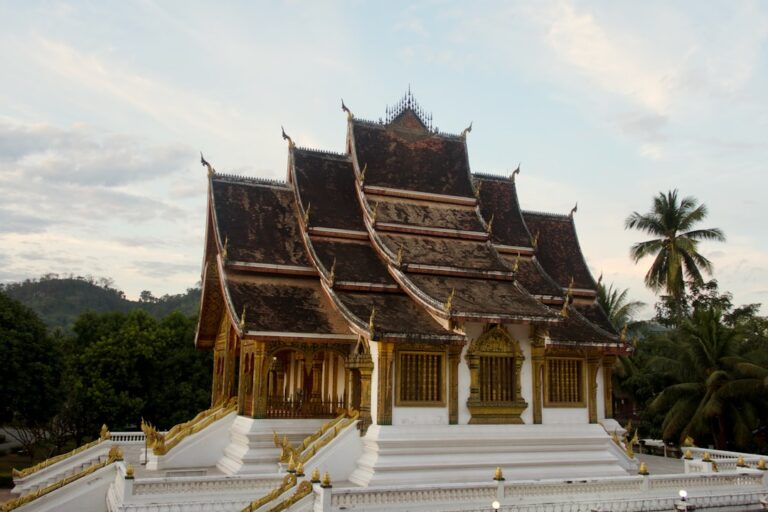
The Grand Palace and Wat Phra Kaew are the headline sights, and they earn that status. Go early, dress properly (shoulders and knees covered, no flip-flops), and accept that it will be crowded. The detail in the murals, the gilded chedis, and the Emerald Buddha’s setting are genuinely impressive even if you have seen dozens of temples elsewhere in Thailand. Wat Pho, a short walk south, is more breathable and has the Reclining Buddha plus quieter courtyards that reward lingering.
Wat Arun sits across the river in Thonburi, and arriving by boat is half the experience. The 5-baht cross-river ferry from Tha Tien pier lands you at the temple’s base in minutes. I always time Wat Arun for late afternoon into sunset, when the light on the porcelain-encrusted prang shifts from gold to amber and the river traffic slows down. This is one of the most photographed sights in Southeast Asia for a reason, and seeing it from the water rather than from a bus window is the difference between checking a box and actually feeling it.
The Chao Phraya Express Boat is both transport and attraction. A single journey costs around 16 to 30 baht depending on distance, and it connects most of the major riverside sights. I always ride it at least once per trip, even when I am not sightseeing, because the river resets your relationship with the city. After hours of pavement heat and traffic noise, being on the water gives you perspective and breeze.
Cultural Experiences: Markets, Museums, and Neighborhoods
Chatuchak Weekend Market is enormous, overwhelming, and worth a half-day if you like markets. Go in the morning when it opens, pick a few sections to explore rather than trying to conquer all 15,000 stalls, and stop often for iced drinks. You can find everything here: ceramics, vintage clothing, plants, art, street food, and things you did not know you wanted. It is hot and crowded, so pace yourself.
The Jim Thompson House Museum is my pick for a cultural site that does not require a full day or a dress code. Thompson was an American who revived the Thai silk industry in the 1950s and 60s, then disappeared in Malaysia’s Cameron Highlands under mysterious circumstances in 1967. His house, assembled from six traditional Thai teak buildings, sits in a quiet garden in the middle of busy Bangkok. It is intimate, atmospheric, and a good break from the city’s scale.
Talat Noi, the old riverside neighborhood between Chinatown and the river, is where I send people who like walking neighborhoods with texture. It has old warehouses, shrines, street art, metal workshops, and cafes tucked into a genuinely interesting urban landscape. Pair it with Chinatown for a full afternoon and evening: Talat Noi for the wandering, Yaowarat for the food.
Nature: Canals, Parks, and Bang Krachao
Bangkok is not a nature destination, but it has pockets of green that offer real relief. A canal (khlong) ride through Thonburi on the west bank shows you wooden stilt houses, waterside temples, and quiet neighborhoods that feel decades removed from Sukhumvit. Negotiate a longtail boat at Tha Tien pier or Wang Lang pier. A one-to-two hour private boat costs roughly 1,200 to 1,500 baht, which is reasonable split among a group.
Bang Krachao is the real surprise. It is a river-encircled peninsula of protected jungle directly across from Bangkok’s port area, and it has some of the cleanest air in the city. Rent a bicycle at the pier for about 100 baht and ride raised concrete paths through mangrove, visit the weekend floating market at Bang Nam Phueng, and find a treetop park that feels impossibly far from the megacity you just left. Go on a weekend morning for the full experience.
Lumpini Park is the central-city green space, useful for a morning jog, an evening stroll, or watching monitor lizards that somehow live in the middle of Bangkok. Benjakitti Park, connected by an elevated walkway, is the newer and more pleasant of the two for cycling or walking.
Where & What To Eat And Drink In Bangkok
Bangkok is one of the easiest cities in Southeast Asia to eat well at any budget, and the trick is not chasing famous names. The best meals I have had here were at plastic tables on side streets, in mall food courts that locals actually use, and at night-market stalls where the smoke from the wok was the menu. Here is what to seek out and where.
Dishes Worth Chasing
Pad Thai is the obvious one, and the version at Thip Samai on Mahachai Road (near Khao San) is famous for good reason, though the queue can be long. Go early or late. But do not stop there. Kuay Teow Kua Gai, wide rice noodles stir-fried with chicken and egg in a smoky wok, is a dish I crave more than pad thai. Look for stalls where the wok is blackened and the cook is working fast.
Boat noodles, small bowls of dark, intensely flavored pork or beef broth with rice noodles, were once sold from boats on the canals. Today you find them in dedicated shops, especially around Victory Monument. Order several bowls because each one is small. Tom Yum Goong, the hot-and-sour shrimp soup with lemongrass, galangal, and chili, is a reference point for Thai cuisine. A good version should make your nose run and your mouth happy at the same time.
Mango sticky rice (khao niao mamuang) is the dessert I always look for. The best versions come from street vendors during mango season (roughly March through June), when the fruit is properly ripe and sweet. Pair it with coconut cream that has been salted slightly, which sounds wrong but is exactly right.
Where To Eat
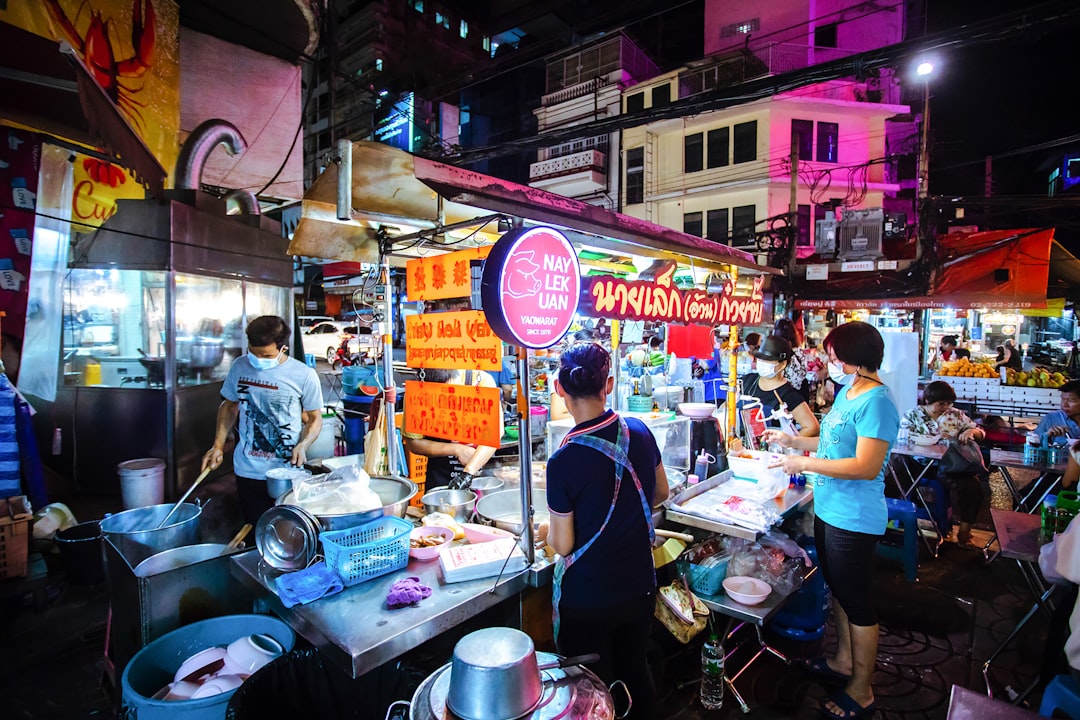
Yaowarat (Chinatown) after dark is the highest-energy food experience in Bangkok. Neon, smoke, queues, gold shops, and nonstop cooking create an organized chaos that feels very Bangkok. I go hungry, walk the main road once without buying, then double back and choose the stalls that pull me in. The experience is better when you do not over-script it. Look for the charcoal-grilled seafood stalls, the fresh-squeezed orange juice carts (they are everywhere, and the juice is inexplicably good), and the toasted-bread-with-condensed-milk stalls that look like a fever dream but taste better than they should.
Mall food courts are not a compromise. They are a legitimate part of Bangkok’s food culture. The food court at Terminal 21 (Asok) or the basement food court at Siam Paragon both offer enormous variety at reasonable prices, with the comfort of air conditioning and clean toilets. I use them on rainy afternoons or when I need a reset.
Or Tor Kor Market, near Chatuchak, is a premium fresh market that is cleaner and more curated than most. It is a great place to see (and taste) Thai fruits, prepared foods, and regional specialties without the chaos of a wet market. Go hungry and graze.
Cafe and Drink Culture
Bangkok’s cafe scene has exploded, and the quality is high. The Thong Lo and Ekkamai areas in Sukhumvit are the epicenter, with third-wave coffee shops, brunch spots, and design-forward spaces that would not feel out of place in Tokyo or Melbourne. For a more traditional experience, try Thai iced tea (cha yen) from a street stall. It is sweet, orange, and caffeinated, and costs about 30 baht. For something stronger, Thai whiskey (usually Hong Thong or SangSom) mixed with soda water is what locals drink at late-night food stalls. Order a bottle, a bucket of ice, and soda water, and the stall owner will set you up.
Shopping In Bangkok
Bangkok shopping runs the full spectrum from night-market bargains to luxury malls, and the city is genuinely good at both ends. Chatuchak Weekend Market is the must-do market experience: 35 acres of stalls selling clothing, ceramics, plants, vintage, art, and food. Go in the morning, pick a few sections, and do not try to see everything. MBK Center near National Stadium BTS is a six-story mall that feels like a market inside a building. It is the place for phone cases, cheap clothing, electronics, and souvenirs, and it is air-conditioned, which matters.
For higher-end shopping, Siam Paragon and EmQuartier are the headline malls, with luxury brands, massive food halls, and cinemas. Terminal 21 at Asok is a mid-range favorite with a theme (each floor represents a different city) and a well-stocked food court. Pratunam Market is the wholesale clothing hub where you can find cheap fashion in bulk. Go early in the morning before it gets hot and crowded.
For local specialties worth buying, Thai silk, especially from Jim Thompson shops, makes a good souvenir that packs flat. Hand-loomed cotton from northern Thailand appears in many markets. Thai spices and curry pastes are available at Or Tor Kor and most markets. Just check customs rules for your home country before stocking up on food items.
Bars & Nightlife In Bangkok
Bangkok’s nightlife is genuinely diverse, and you can find whatever you are looking for if you know which neighborhood to target. The rooftop bar scene is strong: one good skyline evening is worth the splurge. I prefer the slightly less famous rooftops where you can actually get a seat and hear the person next to you. The 61st-floor bar at the Banyan Tree (Vertigo) and the Moon Bar at the Banyan Tree are well-known, but the bar at the Sky Walk at King Power Mahanakhon is newer and the glass-floor section gets the heart going.
Thong Lo and Ekkamai are the stylish nightlife strips, with craft beer bars, cocktail dens, and live music venues that cater to a slightly older, more design-conscious crowd. Soi 11 near Nana is louder and more chaotic, with a mix of backpackers and party-seekers. Soi Cowboy, a short neon-lit lane off Asok, is the famous red-light street, and walking through it is a Bangkok rite of passage whether or not you participate in the go-go bar scene. Nana Plaza is the other major red-light area, larger and more intense.
For late-night food and drinking, the stalls along Soi Rambuttri near Khao San stay open late and have a relaxed, traveler-heavy vibe. The stalls in front of the Suvarnabhumi night market area and along RCA (Royal City Avenue) cater to a younger Thai crowd. If you want to drink where locals drink, find a late-night street-food stall with plastic tables, order a bottle of SangSom with soda and ice, and watch Bangkok do what it does after midnight.
When Is The Best Time To Visit Bangkok?
Bangkok has three seasons, and they are not subtle. The cool season (November through February) is the most comfortable, with daytime temperatures around 24 to 32 degrees Celsius, lower humidity, and almost no rain. This is peak tourist season for a reason, and hotel prices reflect it. The hot season (March through May) is brutal, with temperatures regularly hitting 35 to 40 degrees and humidity climbing. The rainy season (June through October) brings afternoon downpours, but mornings are often clear and the rain usually lasts one to two hours before clearing.
| Season | Months | Temperature Range | Rain | Crowds & Prices | Best For |
|---|---|---|---|---|---|
| Cool / Dry | November to February | 24 to 32 degrees C | Almost none | Peak crowds, highest prices | First-timers, outdoor sightseeing, riding north |
| Hot | March to May | 35 to 40 degrees C | Very little | Low crowds, good deals | Budget travellers, indoor days, Songkran in April |
| Rainy | June to October | 28 to 34 degrees C | Afternoon downpours (worst in Sept-Oct) | Lowest crowds, best prices | Flexible travellers, food lovers, canal trips |
My honest recommendation: November through February is the clear best for most visitors, and it is also the best time for motorcyclists staging northern trips, when mountain roads are dry and visibility is good. If you want to save money and do not mind structuring your day around afternoon rain, June through August is surprisingly workable. Avoid September and October if you can, as those are the wettest months and flooding can occur near the river. If you are planning to ride north toward Chiang Rai or beyond, the cool season gives you the best road conditions and the most comfortable riding weather.
How Many Days Do You Need In Bangkok?
Three full days is the minimum I recommend for a first visit. Four or five is better if you want to include neighborhood wandering, canal trips, more food detours, and possibly a day trip to Ayutthaya without turning the visit into a sprint. With two days, you can hit the major temples and Chinatown, but Bangkok will feel like a task list rather than a city. If your wider trip includes other parts of Thailand, resist the temptation to treat Bangkok as a one-night landing zone unless you truly have no choice.
Here is a shape that works for three full days. Day one: Grand Palace and Wat Phra Kaew early, Wat Pho mid-morning, cross the river to Wat Arun for sunset, dinner in Chinatown. Day two: Chatuchak Market (if weekend) or a morning walk through Talat Noi, lunch at a mall food court or Or Tor Kor, afternoon at Jim Thompson House, sunset drinks at a rooftop bar, dinner in Thong Lo or Ekkamai. Day three: morning canal ride through Thonburi, lunch at a local food stall, afternoon in Siam for shopping or a park, evening at a night market or riverside dinner. If you have a fourth day, take the train to Ayutthaya for a full day of ruins and river views (about 1.5 hours each way).
Where To Stay In Bangkok
Where you stay in Bangkok shapes your entire experience, because traffic can eat an hour crossing the city at peak times. I break the choice down by travel style, because the right neighborhood for a backpacker is wrong for a business traveller, and vice versa.
Khao San Road Area: For Backpackers and Temple-First Visitors
Khao San Road is the backpacker epicenter, and it has a specific energy that you either love or hate. It is loud, cheap, social, and walking distance from the Grand Palace, Wat Pho, and the river. What it does not have is BTS or MRT access. The closest MRT station, Sam Yot, is about a 20-minute walk. Getting anywhere else in Bangkok means a taxi, tuk-tuk, or river boat, and traffic in the Old City can crawl. If your priority is temples and river life, social hostels, and low spending, Khao San delivers. Book a quieter side street like Soi Rambuttri if you value sleep, because the main strip is loud until 2 or 3 AM.
- Budget hostel bunks: roughly 200 to 600 baht per night
- Simple guesthouses: 700 to 1,500 baht
- Boutique guesthouses in restored shophouses: 1,500 to 3,000 baht
- Best for: first-timers focused on temples, budget travellers, solo travellers wanting to meet people
Sukhumvit: For Business, Transit Ease, and Long Stays
Sukhumvit is the long road threaded by the BTS Skytrain, and it is the most practical base if you want to move efficiently across Bangkok. Stations like Asok, Phrom Phong, Thong Lo, and Ekkamai give you fast, air-conditioned access to Chatuchak, Siam, Silom, and both airports. The dining range is enormous, from street-side to upscale, and the nightlife options run from chic cocktail bars to rowdy clubs. The downside is cost: hotels, meals, and nights out here run higher than Khao San. But if you are staying more than a few days, doing business, or want predictable transit, Sukhumvit is the clear choice. Pick a soi within a 5 to 10 minute walk of a BTS station, because Bangkok blocks are long and hot.
- Budget hotels and hostels (near On Nut or Phra Khanong): 500 to 1,500 baht
- Mid-range hotels (Asok, Phrom Phong): 1,500 to 3,500 baht
- Upscale and luxury (Thong Lo, Soi Langsuan): 4,000 to 10,000+ baht
- Best for: business travellers, long-stay visitors, anyone who values transit efficiency
Thonburi: For a Local, Quieter Bangkok
Thonburi, on the west bank of the Chao Phraya, is where I stay when I want a calmer, more local side of Bangkok. The skyline is low, the canals still flow past wooden houses on stilts, and the temples are ornate but unclogged with tourists. Wat Arun is here, and the cross-river ferry from Tha Tien gets you there for 5 baht. The MRT Blue Line touches the area at Tha Phra station, but deeper into Thonburi you will need Grab or a taxi. The appeal is the slower rhythm, the canal-side character, and the feeling that you are seeing a version of Bangkok that remembers what the city was before the towers. If you are a returning visitor who has already done the major temples and wants a different base, Thonburi is worth the slightly less convenient transit.
- Budget guesthouses: 500 to 1,000 baht
- Mid-range riverside hotels: 1,200 to 2,500 baht
- Best for: returning visitors, slow travellers, anyone who wants canal-side character
For Motorcyclists Staging Northern Trips
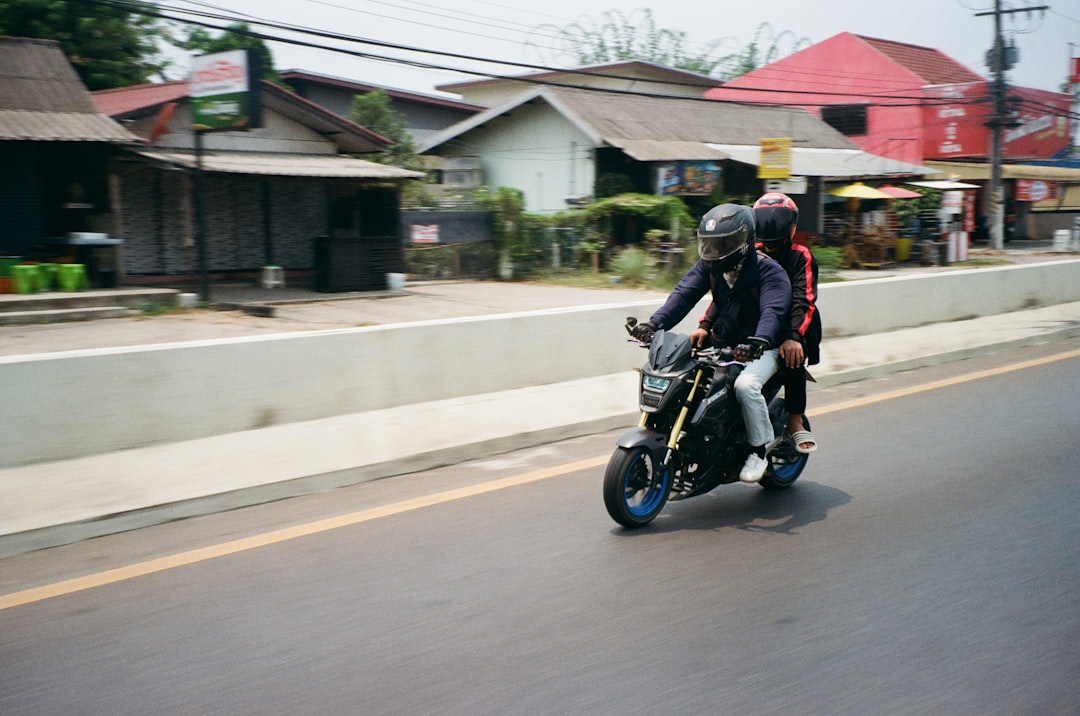
If you are arriving in Bangkok with a bike or planning to buy gear and ride north, I would stay in the Sukhumvit area near Phra Khanong or On Nut. It is close to the gear shops and long-term parking options, has BTS access for getting around without the bike, and puts you near the expressway entrances that lead north. You do not want to ride across central Bangkok more than you have to. The traffic is dense, the heat is brutal, and lane discipline is a suggestion. Use Bangkok as a staging point: sort your gear, park your bike, do your admin, and get out of the city early in the morning before traffic builds.
For motorcycle gear, several shops in Bangkok stock legitimate brands with knowledgeable staff. Pro Shop Paddock in Din Daeng carries Shoei, Alpinestars, Taichi, and Komine, and is accessible via the MRT Blue Line, which makes it convenient if you are touring and need to get in and out quickly. BKKSpeed has multiple branches across the city with a broad selection of helmets, jackets, gloves, and accessories. Panda Rider, headquartered in Lat Phrao, is the sole official distributor of REV’IT! gear in Thailand and also carries Schuberth, Airoh, and Cardo intercom systems. If you need gear before heading north, give yourself a full day to visit one or two of these shops, because they are not all in central Bangkok and you will need a taxi or Grab to reach most of them.
For long-term motorcycle parking, you have a few options. Dedicated indoor bike storage facilities, such as BSR Bike Shop in Phra Khanong, offer locked indoor storage starting around 750 baht per month for small bikes and up to 1,500 baht for larger displacements. This is the most secure option, with protection from weather and flooding. Suvarnabhumi Airport’s Public Transportation Center offers long-term motorcycle parking for roughly 300 baht per month, but it requires registering at the office during business hours and the parking is open-air. Some hotels in Lat Krabang, near the airport, will also store your bike in a locked area if you stay a night before or after your trip. If you are flying out and leaving the bike behind, I would recommend the indoor storage option for peace of mind.
The Best Route Out of Bangkok Heading North
Riding out of Bangkok toward Chiang Mai or Ayutthaya is not difficult if you time it right and know which roads to take. Leave early, before 6 AM if possible, when traffic is light and the air is cooler. From the Sukhumvit or Phra Khanong area, get onto the Sirat Expressway or Route 1 (Phahonyothin Road) heading north. The route to Ayutthaya is about 80 kilometers and takes roughly 1.5 hours in light traffic. It is a straightforward, mostly flat ride on good roads, and Ayutthaya makes an excellent first stop or day trip. A full Ayutthaya day-trip guide is coming soon on the blog, so keep an eye out for that.
For the full ride to Chiang Mai, the most common route follows Highway 1 north through Ayutthaya, then Highway 32 through Nakhon Sawan, and Highway 11 through Lampang before reaching Chiang Mai. Total distance is roughly 700 kilometers, and pure riding time is 8 to 10 hours. I would not do it in one day. Break it into two or three days. A good two-day version: Bangkok to Ayutthaya (1.5 hours, explore the ruins), then continue to Nakhon Sawan or Sukhothai for the night. Day two: ride to Lampang, explore the temples, then the final 100 kilometers into Chiang Mai as the scenery improves and the road enters the northern hills. Best riding season is November through February, when roads are dry, air is cool, and mountain visibility is clear.
If you are planning a broader Southeast Asia loop, Bangkok is the natural hub. My Thailand, Cambodia, Laos, and Vietnam itinerary guide uses Bangkok as the starting point for a three-to-six-week overland route, and the logistics of getting out of the city and heading in different directions are covered there in detail. For riders heading to the islands instead of the north, my guide on how to get to Koh Samui covers the ferry and bus routes from Bangkok southward.
How Do You Get Around In Bangkok?
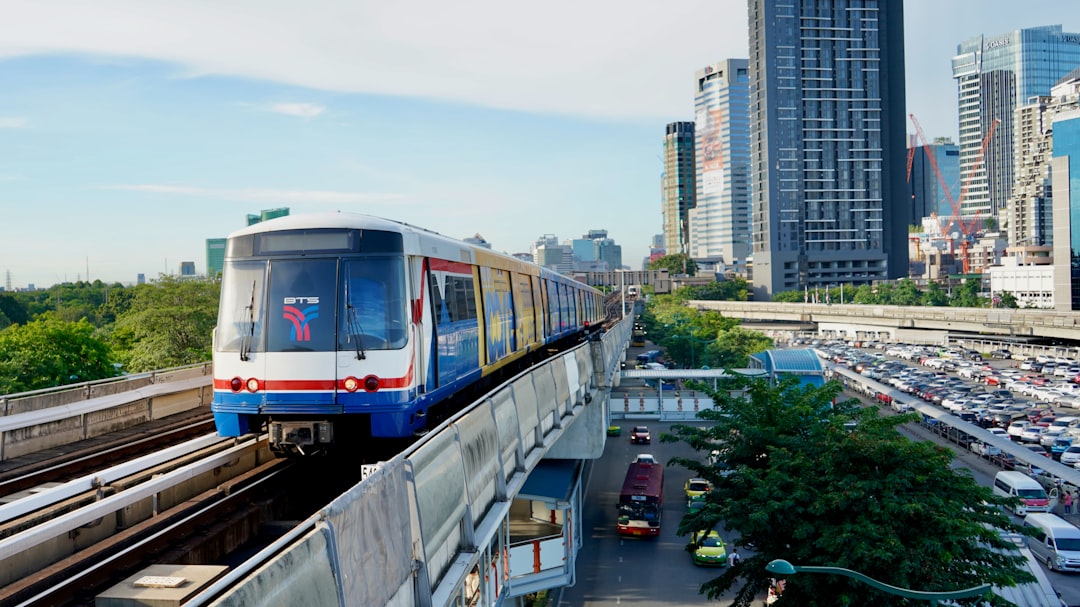
Bangkok is easier to navigate than its reputation suggests, but you need to use multiple transport modes because no single option does everything well. The BTS Skytrain and MRT subway are the backbone for most visitors. The BTS has two main lines: the Sukhumvit Line (Light Green), which runs north-south above Sukhumvit Road and connects to the Airport Rail Link at Phaya Thai, and the Silom Line (Dark Green), which connects to the MRT at Sala Daeng. The MRT Blue Line is the underground system that loops through the old city, Chinatown, and out to the western suburbs. Together, these three lines cover most of the areas a visitor needs.
The key interchange stations are Asok (BTS Sukhumvit Line connects to MRT Blue Line at Sukhumvit station), Sala Daeng (BTS Silom Line connects to MRT at Si Lom station), and Mo Chit (BTS connects to MRT at Chatuchak Park). If you are staying in Sukhumvit, you can reach almost everything by BTS and MRT. If you are staying near Khao San, you are limited to the river boat, taxis, and the MRT Sam Yot station about 20 minutes away on foot.
The Chao Phraya Express Boat is the river transport, and it is genuinely useful rather than just scenic. The local line runs from Nonthaburi in the north to Sathorn in the south, stopping at major piers near the Grand Palace (Tha Chang), Wat Arun (Tha Tien), and Chinatown (Marine Department). Fares are 16 to 30 baht. There is also a tourist boat that costs more but has English commentary. I use the local boat. The cross-river ferries at Tha Tien and other piers cost 5 baht and take a few minutes. They are the fastest way to get from the Grand Palace side to Wat Arun and Thonburi.
Taxis are cheap (starting fare around 35 baht) but traffic can trap you, especially during rush hours (7 to 9 AM and 4 to 7 PM). Always insist on the meter. If a driver refuses to use the meter, get out and find another one. Grab (the Southeast Asian ride-hailing app) works well in Bangkok and removes the negotiation problem. Motorbike taxis are the fastest way through gridlock for short distances, and you will see queues of them near BTS stations and major intersections. A short hop costs 30 to 60 baht. They are not for the faint-hearted, but they work.
Walking works in short bursts, but heat, traffic, broken pavements, and the sheer scale of the city mean it is rarely a full-day strategy. The areas where walking is genuinely pleasant include the Old City around the Grand Palace, Talat Noi, Chinatown (in the evening), and the Siam shopping district via elevated walkways. Everywhere else, plan to walk between transit points rather than across the city.
The one habit that makes Bangkok feel far less tiring: think in clusters. Old City sights together, riverside together, Chinatown with Talat Noi together, Siam on its own half-day. If you group your activities geographically and use the right transit mode for each cluster, you will spend less time in traffic and more time actually experiencing the city.
Conclusion
Bangkok is not a city you finish. It is a city you sample in layers: a few major landmarks, a few river crossings, one or two neighborhoods that surprise you, and as much food as your schedule and stomach can handle. If I were narrowing it down for a first trip, I would build around the Grand Palace, Wat Pho, Wat Arun at sunset, a river boat ride, Chinatown at night, and one neighborhood walk through Talat Noi. After that, let your own pace take over.
For motorcyclists, Bangkok is a staging city. It is where you buy gear, sort your paperwork, park your bike if you are flying somewhere, and get out early on a good road heading north. The city’s traffic is not something to conquer, it is something to escape, and the earlier you leave, the better the ride. Whether you are heading to Chiang Mai via the central plain or looping through the broader region, Bangkok is the launch point.
Have you been to Bangkok already? Drop your favorite neighborhoods, food stalls, or riding routes in the comments. I would love to hear your experience, especially if you found a road or a restaurant I missed. Every trip teaches me something new about this city, and I always pick up tips from fellow riders and wanderers. If you are mapping out a wider Thailand or Southeast Asia adventure, we at Rider Chris are steadily adding more guides, route breakdowns, and practical travel advice from the road, written by people who have actually done the miles.
Frequently Asked Questions
How many days do you need in Bangkok?
Three full days is the minimum for a first visit. Four or five days lets you add neighborhood walks, canal trips, more food detours, and a day trip to Ayutthaya without rushing. Two days covers the major temples and Chinatown but feels like a checklist rather than a real experience.
What is the best time of year to visit Bangkok?
November through February is the cool, dry season with the most comfortable temperatures (24 to 32 degrees Celsius) and almost no rain. This is peak tourist season. June through August is a good budget alternative with afternoon rain but clear mornings. September and October are the wettest months.
Where should I stay in Bangkok as a first-time visitor?
Khao San Road area is best for budget travellers who want to walk to the Grand Palace and Wat Pho. Sukhumvit along the BTS Skytrain is best for transit efficiency, dining variety, and longer stays. Thonburi on the west bank offers a quieter, more local experience near the canals.
Can I ride a motorcycle from Bangkok to Chiang Mai?
Yes. The route is roughly 700 kilometers via Highway 1, 32, and 11 through Ayutthaya, Nakhon Sawan, and Lampang. Most riders break it into two or three days. The best riding season is November through February when roads are dry and mountain visibility is clear. Leave Bangkok before 6 AM to avoid city traffic.
Where can I buy motorcycle gear in Bangkok?
Several shops stock legitimate brands. Pro Shop Paddock in Din Daeng is accessible by MRT and carries Shoei, Alpinestars, and Taichi. BKKSpeed has multiple branches with broad selection. Panda Rider in Lat Phrao is the official distributor of REV’IT! gear in Thailand. Allow a full day to visit one or two shops, as most are outside central Bangkok.