Best Things to Do in Bangkok
Bangkok can feel overwhelming on a first visit, but that is exactly why I like it. The city rewards a loose plan: a temple in the morning, a canal ride in the afternoon, street food after dark, and one or two neighborhoods where you simply wander and let the city show off.
If you only rush between famous landmarks, Bangkok can seem noisy and exhausting. Slow down a little and it becomes one of the most fascinating cities in Southeast Asia, with royal history, working temples, old shophouse districts, glossy malls, leafy parks, river ferries, and food that can justify the trip on its own.
I have always found Bangkok best when I mix the obvious highlights with smaller moments: crossing the river for sunset at Wat Arun, getting lost in Yaowarat, hopping on a canal boat, and escaping the heat in a museum or café before heading back out. If you are planning a wider Thailand trip, this city also pairs well with the deep-south contrast in my guide to things to do in Yala and with coastal city breaks like these best things to do in Da Nang.
Why Bangkok is worth more than a stopover
Bangkok deserves at least three full days because its best experiences are not all in one category. You come for the temples and palaces, but you remember the river light, neighborhood markets, rooftop views, museum houses, and the strange joy of moving through a city that never really seems to pause.
The official Tourism Authority of Thailand highlights Bangkok for its historical sites, religious landmarks, markets, and major shopping districts, which feels accurate but still incomplete. What makes the city special for me is the contrast. One hour you are inside the Grand Palace area, surrounded by ceremonial architecture and tour groups. Later you are on a ferry beside commuters, or sitting at a plastic table in Chinatown eating something smoky and perfect.
For independent travelers, Bangkok is also practical. The BTS Skytrain and MRT take a lot of the pain out of traffic, river boats are genuinely useful rather than just scenic, and most neighborhoods worth visiting can be combined without too much backtracking if you group them well.
Best things to do in Bangkok
If I were helping a friend plan Bangkok for the first time, these are the experiences I would prioritize. Some are obvious, some are easy to skip by mistake, but together they give you a balanced feel for the city.
1. Visit the Grand Palace and Wat Phra Kaew
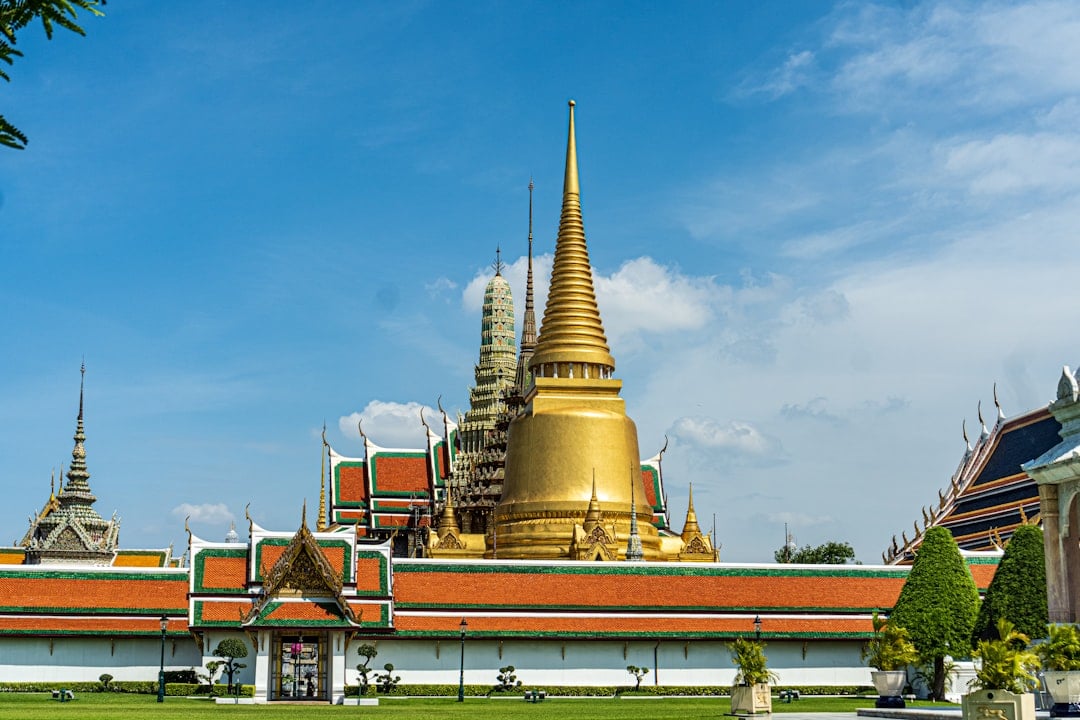
This is the most famous sight in Bangkok for a reason. The Grand Palace is dense, ornate, and visually intense, and Wat Phra Kaew remains one of the most important temple complexes in Thailand.
I usually tell people to go early, dress properly, and accept that it will be busy. You are not visiting for silence. You are visiting because this is one of the clearest windows into Thai royal and religious symbolism, and because even a jaded traveler has a hard time not being impressed by the scale and detail.
Give yourself time to walk slowly. The complex is easy to rush, but the painted murals, gilded structures, and ceremonial layout are the whole point. If you go in expecting a quick photo stop, it will feel crowded. If you treat it like one of the core cultural sites in the country, it makes much more sense.
2. Walk through Wat Pho
Wat Pho is one of the easiest major sights in Bangkok to genuinely enjoy. It is famous for the Reclining Buddha, but the wider temple grounds are what keep me lingering longer than expected.
Compared with the Grand Palace, Wat Pho often feels a little more breathable. You still get the visual grandeur, but there is more room to settle into the space. The courtyards, chedis, and quieter corners make it feel less like a checklist stop and more like a place you can actually absorb.
If you only have half a day in the old royal district, pairing the Grand Palace with Wat Pho makes sense. They complement each other well, and the short distance between them keeps logistics simple in one of the hottest parts of the city.
3. Cross the river to Wat Arun at sunset
Wat Arun is the Bangkok temple I most often recommend for atmosphere. The riverside setting gives it a different energy, and late afternoon into sunset is when it feels most memorable.
The central prang is instantly recognizable, but what I enjoy most is arriving by boat and seeing the temple rise up from the riverbank. Bangkok’s river still feels like one of the city’s truest travel experiences, and Wat Arun benefits from that approach more than almost any other landmark.
If you can, visit Wat Pho first, then cross the Chao Phraya afterward. Stay nearby for sunset or blue hour. Even if you do not climb every steep step available, the changing light on the temple and the river traffic around it are worth the timing.
4. Ride the Chao Phraya Express Boat
This is both practical transport and one of the best low-cost experiences in the city. The Chao Phraya Express Boat links several key sightseeing areas while showing you a more layered view of Bangkok.
I love doing at least one journey on the river even when I am not sightseeing intensely. It resets the day. After traffic and pavement heat, being on the water gives you breeze, perspective, and a reminder that Bangkok grew around this river long before modern roads and rail lines took over.
Use it intentionally. Combine it with Wat Arun, Wat Pho, the Grand Palace area, or a riverside dinner. It is not a theme-park ride. It is a working part of the city, and that is exactly why it feels worthwhile.
5. Explore Yaowarat in Chinatown after dark
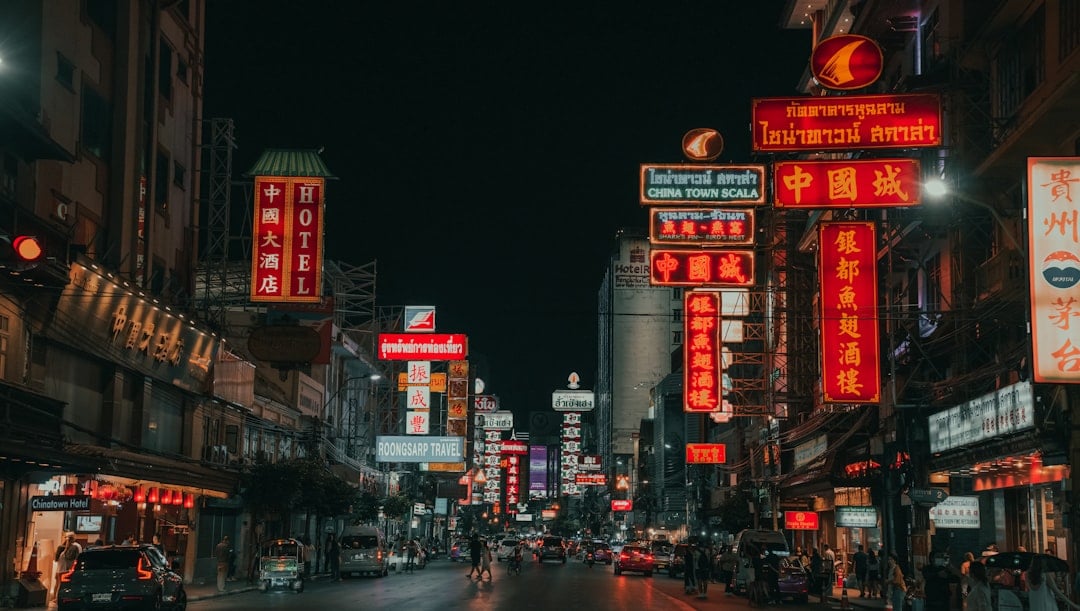
Yaowarat is one of the strongest arguments for staying out late in Bangkok. The neon, smoke, queues, gold shops, side alleys, and nonstop food scene create a kind of organized chaos that feels very Bangkok.
I would not frame Chinatown as just a place to tick off famous dishes. Go hungry, yes, but also pay attention to the neighborhood itself. The old shophouses, temples tucked into side streets, and multigenerational businesses are a big part of the appeal. Food is your entry point, not the whole story.
My usual approach is simple: arrive before peak dinner crowds, walk the main road once without buying much, then double back and choose the stalls or small restaurants that actually pull you in. The experience is better when you do not over-script it.
6. Browse Chatuchak Weekend Market
Chatuchak is huge, hot, and a little chaotic, but it is still one of the best shopping experiences in Bangkok if you like markets more than malls. The scale alone makes it worth seeing once.
The official tourism material regularly includes Chatuchak among Bangkok’s standout market experiences, and that feels fair. You can find clothing, ceramics, plants, vintage items, snacks, art, and random things you did not know you wanted until you were carrying them.
I would go in the morning, keep expectations realistic, and avoid trying to conquer every section. Pick a few priorities, stop often for drinks, and use it as a fun half-day rather than a military operation. If you are traveling by motorbike or with limited luggage, it is also the kind of place where self-control helps.
7. Take a canal or long-tail boat ride
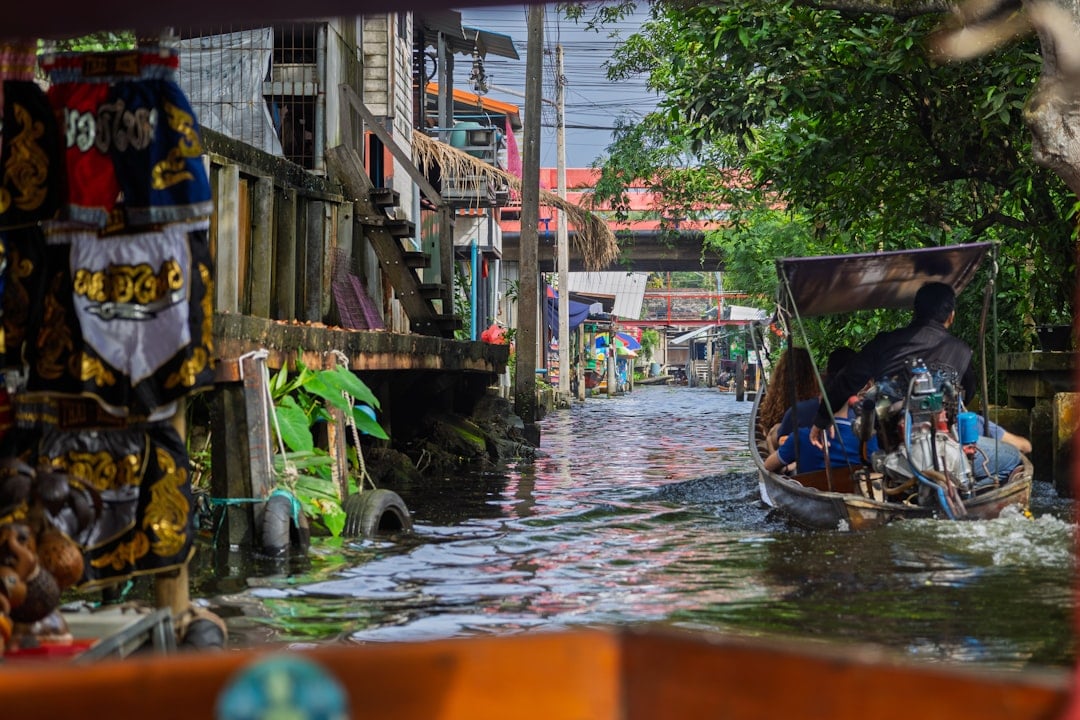
A canal ride gives you a side of Bangkok that road-only travelers often miss. It is one of the easiest ways to understand how the city’s older waterways still shape daily life beyond the postcard skyline.
I would not oversell every canal trip as deeply authentic, because some are clearly packaged for visitors. But even then, being out on the klongs helps you see wooden houses, waterside temples, and quieter neighborhoods that contrast sharply with Sukhumvit traffic and downtown towers.
If you are choosing between a polished evening cruise and a simpler daytime canal ride, I usually prefer the daytime option. It feels more connected to how the city actually works and gives you more visual texture.
8. Visit the Jim Thompson House Museum
The Jim Thompson House is one of my favorite Bangkok attractions when I need a break from the city’s scale. It is compact, atmospheric, and much more intimate than the major temple complexes.
The museum is open daily, and the house remains one of the best places in Bangkok to see traditional Thai architecture in a calm garden setting while also getting a strange, compelling personal story. The contrast between the busy modern area outside and the peaceful compound inside is part of the charm.
This is a good pick for travelers who like design, silk history, or cultural sites that do not require half a day and a strict dress code. I often combine it with nearby shopping or café time because the location is convenient.
9. Spend time around Bangkok’s modern malls
Yes, malls belong on a Bangkok list. Even if you are not a big shopper, the city’s major mall districts are part of the urban experience and a very practical escape from heat and rain.
This is not me saying you flew to Thailand for air-conditioning. It is me saying Bangkok’s malls function as food hubs, people-watching spaces, transit anchors, and occasional sanity savers. A well-timed indoor break can make the rest of your day much better.
Areas around Siam are especially useful if you want to balance temples and old neighborhoods with a more contemporary side of the city. Even one afternoon here helps round out your sense of what Bangkok actually is now, not just what it was.
10. Watch sunset from a rooftop bar or restaurant
Bangkok does rooftops very well, and at least one skyline evening is worth the splurge if it fits your budget. The payoff is not only the view but the way the city gradually lights up in every direction.
I would not build a whole trip around rooftop venues, because some feel more about image than comfort. Still, choosing one good evening spot can be a memorable contrast to street-level Bangkok. After days of ferries, alleys, and temple compounds, seeing the city from above ties it together differently.
Go for the atmosphere rather than bragging rights. A slightly less famous rooftop with a better seat and less pressure can be more enjoyable than the most viral option in town.
11. Wander Talat Noi or old riverside lanes
If you enjoy walking neighborhoods with texture, Talat Noi is one of the best areas in Bangkok to explore slowly. It has old warehouses, shrines, street art, workshops, and cafés tucked into a genuinely interesting urban landscape.
This is the kind of area that works best without an over-planned checklist. I like it because it still feels like a living neighborhood first. You might stop for coffee, drift into a lane full of old engine parts, then end up at the river wondering how this all fits together so well.
Pairing Talat Noi with Chinatown works especially well. One gives you the neighborhood texture, the other gives you evening energy and a serious food excuse.
12. Eat your way through local food courts and markets
The best food experience in Bangkok is rarely one single famous restaurant. It is the cumulative effect of noodles for lunch, fruit or desserts in a market, a quick coffee stop, and something smoky or spicy from a street stall at night.
I always recommend mixing street food with food courts. Food courts inside major malls can be excellent for variety, comfort, and lower-stress ordering, especially if you are traveling with family or easing into Thai food. Markets and roadside stalls then give you the atmosphere and spontaneity that Bangkok does so well.
If you are the kind of traveler who plans every meal in advance, try leaving space for at least one unplanned food session per day. Bangkok is one of the few cities where wandering hungry is often a very good strategy.
Best neighborhoods to explore in Bangkok
Bangkok makes more sense when you think in neighborhoods instead of individual pins on a map. Grouping your time this way reduces travel stress and helps the city feel more coherent.
Old City and Rattanakosin
This is where you focus on the Grand Palace, Wat Pho, nearby museums, and the ceremonial heart of Bangkok. It is essential, hot, and best done early in the day.
Riverside and Thonburi
This area works well for Wat Arun, ferries, canal rides, and slower river views. It often feels less frantic than the central shopping districts, especially later in the day.
Chinatown and Talat Noi
Come here for food, old shophouse character, and urban wandering. It is one of the best places in Bangkok to let the city lead for a few hours.
Siam and central shopping districts
This is your practical zone for malls, transit connections, air-conditioning breaks, and a more contemporary view of Bangkok. It is useful rather than romantic, but still part of the full picture.
What to eat in Bangkok
Bangkok is one of the easiest cities in Southeast Asia to eat well at nearly any budget. The trick is not chasing only famous names. Instead, mix classic dishes with neighborhoods and eat where the setting suits the moment.
I usually look for a balance of noodle soups, stir-fries, grilled skewers, curries, seafood, desserts, and fruit. Chinatown is excellent for the high-energy evening version of that. Local markets give you the quick-snack version. Mall food courts give you the practical version when the weather turns or you just need a reset.
For motorcycle travelers and long-term wanderers, Bangkok is also a useful refuel city. It is easy to find gear, cafés with decent working space, and food at any hour, which makes it a comfortable staging point before heading elsewhere in Thailand.
If you are experiencing these symptoms, our team at Rider Chris can help.
How many days do you need in Bangkok?
Three full days is the minimum I would recommend for a first visit. Four or five days is better if you want to include slower neighborhood time, canal rides, more food detours, and one day trip without turning the trip into a sprint.
With two days, you can hit the big sights, but Bangkok will feel more like a task list. With three days, you can start to enjoy the city instead of just managing it. That difference matters here more than in many other destinations.
If your trip includes other parts of Thailand, I would still avoid treating Bangkok as a one-night landing zone unless you truly have no choice. The city has too much range for that.
Best time to visit Bangkok
The coolest and most comfortable months are usually the easiest for first-time visitors, but Bangkok is a year-round city if you plan sensibly. Thailand’s official tourism information describes the country as having hot, rainy, and cooler seasons, with the rainy period lasting for much of the year after the hottest stretch around mid-April.
I personally do not think rainy season is a deal-breaker for Bangkok. In fact, the shoulder months can be enjoyable if you are flexible and do not mind planning around showers. The city has enough indoor options, covered transit, cafés, museums, and malls to stay interesting when weather shifts quickly.
The real key is pacing. Start outdoor sightseeing early, keep afternoons adaptable, and save evening hours for neighborhoods like Chinatown or riverside areas once the heat eases.
How to get around Bangkok
Bangkok is easier to navigate than its reputation suggests, but you need to use multiple transport modes. No single option does everything well.
The BTS and MRT are the backbone for most visitors. River boats are excellent for major sights along the Chao Phraya. Taxis and ride-hailing fill gaps, especially at night or in areas farther from train lines. Walking works in short bursts, but heat, traffic, and broken pavements mean it is rarely a full-day strategy.
I would think in clusters: old city sights together, riverside together, Chinatown with Talat Noi together, and Siam on its own day or half-day. That one habit makes Bangkok feel far less tiring.
Is Bangkok good for families, independent travelers, and riders?
Yes, but each style of traveler should approach the city differently. Bangkok is flexible, which is one of its biggest strengths.
Families usually do best with a slower itinerary, early starts, and a mix of cultural sights plus indoor breaks. Independent travelers can move more spontaneously and get a lot out of neighborhoods, ferries, and food exploration. Motorcycle travelers will probably not love riding across central Bangkok itself, but the city works very well as a planning base, maintenance stop, and launch point for routes elsewhere.
If your wider trip includes border crossings or long-distance riding, Bangkok is also a sensible place to sort admin, gear, or rest days before heading on. That practical side of the city often gets overlooked in destination roundups.
Final thoughts on the best things to do in Bangkok
Bangkok is not a city I would try to finish. It is better as a city you sample in layers: a few major landmarks, a few river crossings, one or two neighborhoods that surprise you, and as much food as your schedule and stomach can handle.
If I were narrowing it down for a first trip, I would build around the Grand Palace, Wat Pho, Wat Arun, a river boat ride, Chinatown at night, and one neighborhood walk such as Talat Noi. After that, let your own pace take over. Bangkok is at its best when you give it structure without over-controlling it.
Have you been to Bangkok already? Share your favorite neighborhoods and food finds in the comments. If you are mapping out a wider regional trip, we would love to help at Rider Chris. Contact Rider Chris today to schedule a consultation.