Kampot & Kep Travel Guide: Pepper, Crab & Slow Cambodia
I was sitting on a plastic chair at the Kep Crab Market, fingers slick with pepper sauce, cracking open a blue swimmer crab that had been pulled from the Gulf of Thailand that morning. The crab had been stir-fried in a wok with fresh green Kampot peppercorns still on the stalk, garlic, and a splash of soy. The heat from the pepper was bright and almost floral, nothing like dried black pepper. It cut through the sweetness of the crab meat in a way that made me put down my beer and just eat slowly, watching the water. This is the dish that ties Kampot and Kep together: the pepper grown in the hills of one town, the crabs caught off the coast of the other, married in a wok twenty minutes from where both were harvested.
This Kampot and Kep travel guide is for travelers who have already done Angkor Wat and want a different side of Cambodia, or for anyone who travels to eat and prefers slow mornings over rushed itineraries. Kampot and Kep sit about 25 kilometers apart on Cambodia’s southern coast, close enough to visit as a paired destination but different enough in character that you will want to experience both. Kampot is a riverside town with French colonial architecture, pepper plantations, and a creative expat scene. Kep is a tiny coastal enclave built around a crab market and the ghostly remnants of a 1960s resort town. Together they form the food-and-slow-living heart of southern Cambodia, and if you are extending a Cambodia trip beyond Siem Reap and Phnom Penh, this is where I would send you.
If you are still mapping your overall Cambodia route, our Thailand Cambodia Laos Vietnam itinerary guide covers how Kampot and Kep fit into a longer overland loop. For a deeper Cambodia-specific detour, our Battambang travel guide covers another underrated stop that pairs well with this region.
The History of Kampot and Kep
Kampot and Kep share a layered history that explains why they feel so different from the rest of Cambodia. Kampot was a major trading port as far back as the 18th century, when Chinese and Malay merchants moved goods through its river mouth. When the French arrived in the 1860s, they made Kampot an administrative center and built the wide boulevards, shophouses, and colonial villas that still line the riverfront. The French also recognized something the local farmers already knew: the soil and climate around Kampot, particularly the quartz-rich earth at the foot of the Elephant Mountains, produced pepper unlike anywhere else. By the early 20th century, Kampot pepper was being exported to Parisian restaurants and was considered the finest in the world.
Kep’s story is shorter but equally fascinating. The French established Kep in 1908 as a beach resort for colonial administrators and wealthy Cambodians. By the 1960s, under Prince Sihanouk’s independence era, Kep had become the Riviera of Cambodia. King Sihanouk and the Cambodian elite built modernist villas along the coast, designed by architects influenced by Le Corbusier. It was a place of masked balls, seaside cocktails, and weekend escapes from Phnom Penh. Then the Khmer Rouge emptied it like every other Cambodian town, and the villas were looted and left to the jungle. Many of those ruins still stand today, half-swallowed by vegetation, their concrete facades crumbling behind overgrown gardens. Walking through Kep’s back roads, you pass one ruined villa after another, and the contrast between what this place was and what it became is sobering.
Both towns also suffered the near-total destruction of their pepper industry under the Khmer Rouge, who forced farmers to grow rice instead. Kampot pepper nearly went extinct. It was only in the early 2000s, when a handful of farmers and foreign investors began reviving the old plantations, that the industry came back. In 2010, Kampot pepper became the first Cambodian product to receive Protected Geographical Indication (PGI) status from the EU, the same certification that protects Champagne and Roquefort. That recognition is why you can buy genuine Kampot pepper today, and why visiting the farms where it grows is one of the most meaningful cultural experiences in southern Cambodia.
Best Things to Do in Kampot and Kep
The best things to do in Kampot and Kep fall into a few categories: the pepper farms and countryside around Kampot, the mountain and national park experiences, the coastal and island trips from Kep, and the cultural sites that connect both towns. Most travelers base themselves in Kampot and day-trip to Kep, but I think spending a night in each gives you a better feel for how different they are. Here is what to do, grouped by type.
Nature
Bokor Hill Station and National Park
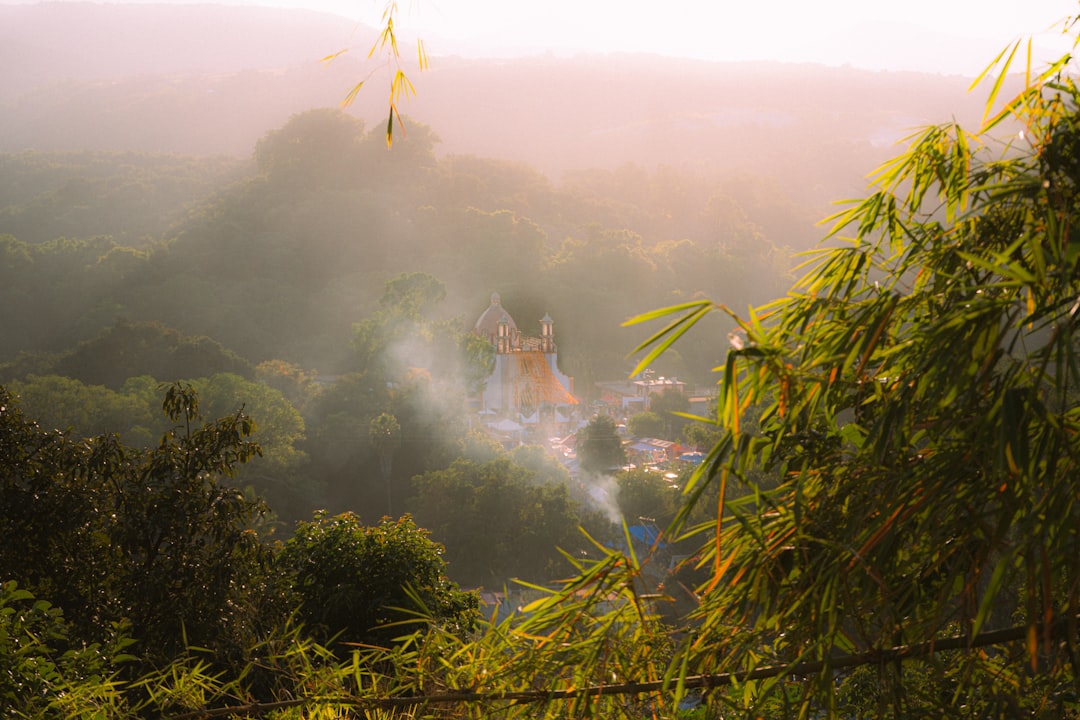
Bokor Mountain is the single biggest attraction in the Kampot area, and it is unlike anything else in Cambodia. The French built a hill station here in the 1920s as a cool-weather retreat, complete with a hotel, casino, and church. Today, those buildings sit on a windy plateau 1,000 meters above the coast, surrounded by thick jungle. The old Catholic church is a roofless stone ruin with arched doorways that frame the forest, and morning mist drifting through the empty nave creates one of the most cinematic scenes in Southeast Asia. The Bokor Palace Hotel, the old casino, has been partially restored as a heritage landmark. A 29-meter statue of Lok Yeay Mao, a legendary protective spirit, stands on the plateau with panoramic views across the Gulf of Thailand to Vietnam’s Phu Quoc Island on clear days.
The national park itself has no entrance fee, though some sources mention small fees for scooters and cars at certain checkpoints, so bring a few dollars in small bills just in case. Popokvil Waterfall, a two-tier cascade about 2 km from the main site, is at its best during and after the rainy season (June to October). In the dry season the flow reduces significantly. The road up is paved and winding, about 30 km from the park entrance to the plateau, and takes roughly 40 minutes. Go early in the morning for the best chance of dramatic mist around the ruins combined with clearing views.
Practical transport: A rental scooter runs $4 to $12 per day and the road is manageable if you have Southeast Asia riding experience. A tuk-tuk round trip with waiting time costs $20 to $30. Organized half-day tours from Kampot run $15 to $30 per person. Budget at least half a day including travel time.
Salt Fields and Secret Lake
Between Kampot and Kep, the salt fields are one of the most visually striking stops in the region. Shallow salt pans cover the flat coastal land, and during the dry season harvest (roughly January to May), workers rake salt into conical mounds that glitter white in the early light. At sunrise, the water in the pans reflects the sky like mirrors. There is no entrance fee and no formal tour, but tuk-tuk drivers know the routes and can stop at viewing points. Visit in the morning when the light is best and the heat has not yet built. During the rainy season, there is little to see as the pans are flooded.
Nearby, the Secret Lake (Boeng Teuk Chhou) is a reservoir tucked into the countryside along the road to the pepper farms. It is quiet, scenic, and a good place to break up a countryside tour. Some tours combine the salt fields, Secret Lake, and a pepper farm into a half-day loop.
Teuk Chhou River and Waterfall
The Teuk Chhou River flows through Kampot and is the town’s defining natural feature. Riverside guesthouses line its banks, and sunset boat cruises are one of the most popular evening activities. The cruises depart around 5:30 PM, cost $5 to $8 per person, and wind through mangrove channels where fireflies appear after dark. Upstream, Teuk Chhou Waterfall is a local picnic spot with rapids and small swimming pools, best visited during or just after the rainy season when the water is flowing. Bicycles can be rented for $1 to $2 per day, and the ride to the waterfall along the river road is flat and pleasant.
Kep National Park
Kep National Park is a small but rewarding protected area that covers the hill behind Kep Beach. A 6 km trail loops around the hill through forest, past viewpoints, and along a ridge that looks out over the coast. The trail takes about 2 to 3 hours at a slow pace. There are several marked side trails and a couple of small cafes and rest stops along the way, including the Led Zeppelin Cafe, which serves cold drinks at a viewpoint halfway around the loop. The main trailhead is near the Veranda Natural Resort. Go early morning or late afternoon to avoid the midday heat. The trail is well-marked but can be muddy after rain.
Beaches and Islands
Kep Beach itself is a single kilometer-long crescent of sand near the tip of the Kep peninsula. It is fine for a swim, but it is not a classic tropical beach. The water is shallow, and the oceanfront has been affected by land reclamation. What makes it worth visiting is the atmosphere: seafood vendors line the road behind the beach, Cambodian families gather on weekends, and the sunset views across the water are lovely. The road through Kep traces the coastline in a one-way loop, and motorcycles and pedestrians can use it free of charge.
Koh Tonsay (Rabbit Island)
If you want a proper island escape, Koh Tonsay, or Rabbit Island, is a 30-minute boat ride from the Kep pier. It is a small, low-tech island with basic bungalows, a few seafood shacks, and quiet beaches. Boat trips cost $7 to $10 round trip, with departures around 9:00 AM or 1:00 PM and returns around 3:00 PM or 4:00 PM. You can also stay overnight on the island if you want to wake up to empty sand and nothing to do. The crab on Koh Tonsay is cooked the same way as at the Kep market, and eating it on a plastic table under a palm tree is about as close as you get to the original Cambodian beach experience.
For travelers looking to continue down Cambodia’s coast, the beaches around Sihanoukville and Koh Rong offer a different kind of island experience, with more infrastructure and more options. I will be covering those destinations in upcoming guides, but if you are already planning a southern Cambodia route, consider pairing Kampot and Kep with a few days on the coast for the full experience.
Cultural Experiences
Kampot Pepper Farm Tours
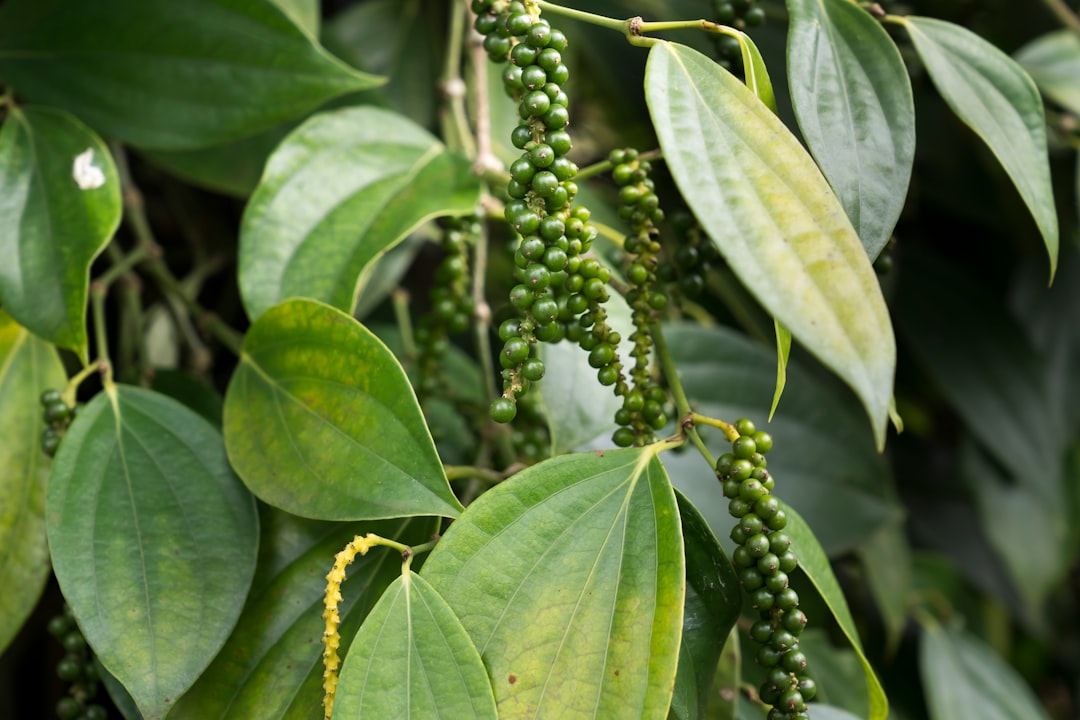
Visiting a Kampot pepper farm is the cultural experience that anchors this entire region. Kampot pepper is not just a spice; it is a product with a story of near-extinction and revival, and standing in a field of pepper vines growing on wooden posts, watching workers hand-pick peppercorns, gives you a connection to Cambodian agriculture that you cannot get from a market stall.
La Plantation is the most visitor-oriented farm. Founded in 2013 by a French couple, it operates as a social enterprise employing local workers and reinvesting in community projects. Free guided tours in English, French, and Khmer run about 75 minutes and walk you through the entire pepper lifecycle: planting, growing on traditional wooden posts, hand-harvesting, sorting, drying, and packaging. The tour ends with a tasting session where you sample all four pepper varieties (black, red, white, and green) and learn how to use them in cooking. A shuttle van departs from La Plantation’s office in Kampot town daily at 9:00 AM and 11:30 AM, costing $7 per person round trip. The farm is about 30 minutes from Kampot town. There is also a restaurant on-site and a shop where you can buy pepper directly, with prices ranging from $8 to $100 depending on type and quantity.
Sothy’s Pepper Farm offers a more personal, intimate experience. Owner Sothy guides many tours himself, sharing not just farming techniques but the personal story of reviving his family’s pepper cultivation after the Khmer Rouge destroyed it. The farm is smaller in scale and closer to Kep, making it easy to combine with a crab market visit. Tours are free, and pepper is available for purchase at the farm.
BoTree Farm is another excellent option, located 17 km west of Kampot and about 15 km north of Kep Beach. It combines the charm of a small artisanal setting with a visitor center beside a lake, a shop, a restaurant, hammock houses, and even kayaks. A local tuk-tuk for a half-day tour costs around $20 for up to four adults.
One important tip: beware of fake Kampot pepper sold in markets and shops. Look for the PGI certification label or buy directly from registered farms to ensure authenticity. Prices at the farms are lower than in Phnom Penh or at the airport, and black and red pepper keep well for years if stored in airtight containers. Green pepper is perishable unless brined.
Phnom Chhngok Cave Temple
About 8 km east of Kampot on the road to Kep, Phnom Chhngok is a 7th-century brick temple hidden inside a limestone cave. You climb a short hill and descend into a natural cavern where the ancient temple sits, half-covered by stalactites and tree roots. It is small, atmospheric, and almost never crowded. A local guide at the base will show you the way for a small tip. This is a good stop to combine with a pepper farm visit or a salt field tour on a countryside loop.
Trapeang Sangke Community Tourism
About 6 km from Kampot on the road toward Kep, the Trapeang Sangke community-based tourism project is one of the most rewarding stops in the region. Once a fishing community under pressure from mangrove loss and depleting fish stocks, it has become a model for responsible ecotourism, winning two ASEAN Community Tourism Awards in 2023. Visitors can take a boat trip through the mangroves, plant young mangrove saplings in reforestation areas, and hear directly from local fishermen about daily life on the water. Over 200,000 mangrove trees have been planted by the community and visitors. Boat trips and transportation can be arranged through any hotel reception desk.
Kep’s Ruined Modernist Villas
The ghost villas of Kep are not a formal attraction but they are one of the most haunting things you will see in Cambodia. Scattered through the hills behind the beach, these crumbling modernist structures were once the weekend homes of Cambodia’s elite in the 1960s. Some are visible from the road as you walk or ride around Kep. Their concrete facades, designed in a Le Corbusier-influenced style, are now cracked and covered in vines. There is no signage and no official tour, but any tuk-tuk driver can point them out. Walking past them in the late afternoon, with the light fading through broken windows, gives you a visceral sense of what the Khmer Rouge destroyed.
Where and What to Eat and Drink in Kampot and Kep
Food is the reason I keep coming back to Kampot and Kep. The region’s cuisine is built on three pillars: Kampot pepper, fresh seafood from the Gulf of Thailand, and the agricultural abundance of the surrounding countryside. This is not a food scene designed for tourists. It is a food scene that grew from what the land and sea produce, and the tourists are just lucky enough to be invited to the table.
The Kep Crab Market
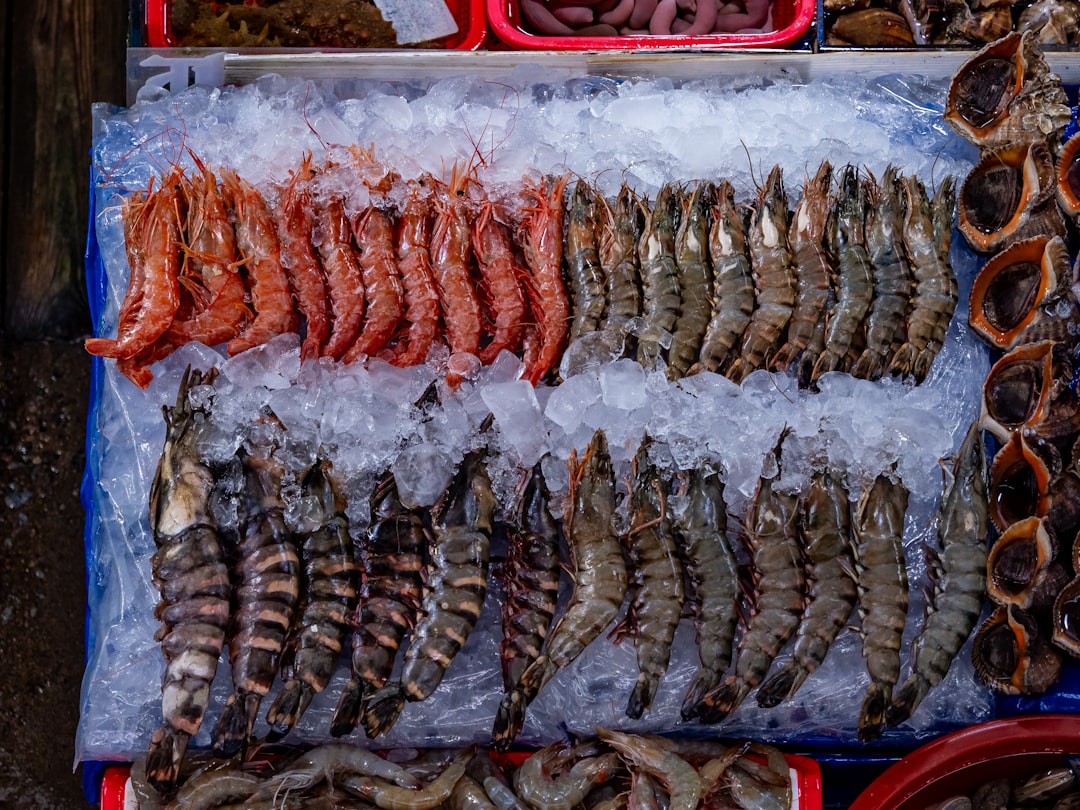
The Kep Crab Market is the culinary heart of this region. It is not a market in the supermarket sense. It is an open-air seafood bazaar where fishermen sell the morning catch straight off their boats, and a row of about 30 waterfront restaurants will cook it for you on the spot, right at the water’s edge. The whole process, choosing your crab, watching it weighed, and eating it twenty minutes later with the Gulf of Thailand stretching out in front of you, is one of the most satisfying food experiences in Southeast Asia.
Here is how it works. Walk along the waterfront where women sit behind baskets and buckets of live seafood: crabs, shrimp, squid, clams, sea snails, and fish. Point at what you want. The vendor will weigh it on a hanging scale. Crab is typically sold by the kilogram, and a kilo usually contains two to four crabs depending on size. Prices hover around $7 to $9 per kilogram for crab, with gentle bargaining expected. Then take your bag to one of the restaurants behind the market stalls. The cooking fee is typically $2 per dish, regardless of what you bring. A full seafood meal for two, a kilo of crab, some shrimp, a plate of squid, rice, and drinks, usually comes to $20 to $30 total.
The dish to order is crab stir-fried with fresh green Kampot pepper. Whole crab, wok-tossed with green peppercorns still on the stalk, garlic, and soy sauce. The pepper adds a bright, herbaceous heat that is completely different from dried black pepper. The crab meat is sweet and tender, and cracking the shells at a plastic table overlooking the water is the single best food experience in southern Cambodia. Order this first and foremost.
For sit-down restaurants at the market, Holy Crab and Seagull La Mouette both come recommended. La Barraka is slightly more upmarket, with pizzas, croque monsieurs, and a comfortable upstairs deck for sunset drinks. For a more structured dining experience, Magic Crab Restaurant near the crab market is known for its Kampot pepper crab.
One note on sustainability: the crab population around Kep has been under pressure, and the average size of crabs sold at the market has declined over the years. Some responsible travel writers suggest enjoying the crab market experience but choosing other seafood like snapper, calamari, or tuna as more sustainable alternatives. I think the best approach is to be aware, ask vendors about the catch, and enjoy one crab meal rather than making it every meal. The pepper crab is worth trying once, and the market atmosphere is worth experiencing regardless of what you order.
Must-Try Local Dishes in Kampot
Beyond the crab market, Kampot has its own food culture that rewards exploration. The Kampot Night Market, set up along the riverfront in the early evening, is the easiest place to start. Stalls sell noodle dishes, soups, grilled meats, and fruit shakes at local prices.
- Crab with Kampot green pepper: The signature dish, available at the Kep Crab Market and at better restaurants throughout the region.
- Fish amok: Cambodia’s iconic coconut curry steamed in banana leaves. In Kampot, you will find versions that incorporate local pepper into the curry paste.
- Num banh chok: Rice noodle soup with a green herbal curry sauce, sold at morning market stalls from baskets slung from shoulder poles.
- Kampot pepper squid: Fresh squid grilled or stir-fried with cracked Kampot pepper, garlic, and lime. Simple and excellent.
- Durian: Kampot has been renowned for its durian since the 19th century, when royal gardens supplied the fruit to Cambodian royalty. The Durian Roundabout in town celebrates this heritage, and durian season runs roughly May to July. If you have never tried it, Kampot is the place.
- Num pang: The Cambodian baguette sandwich, a French colonial legacy loaded with pate, pickled vegetables, and herbs. Available at market stalls for a dollar or two.
Coffee and Cafe Culture
Kampot has a surprisingly good cafe scene for a town its size, concentrated along the riverside and the Old Market area. Espresso Machine is a local favorite for serious coffee, serving locally roasted beans. Epic Arts Cafe is a social enterprise that supports disabled artists and serves good coffee, cakes, and light meals. Rikitikitavi, a boutique hotel and restaurant on the riverfront, has a rooftop bar that is one of the best spots in town for a sunset cocktail. The Columns is another good option for a refined drink and a quiet atmosphere.
Shopping in Kampot and Kep
Shopping in Kampot and Kep is about markets and local products, not malls. The Kampot Night Market along the riverfront is the main shopping hub, with food stalls, clothing, souvenirs, and local goods at inexpensive prices. It opens in the early evening and runs late. The Old Market (Psar Leu) in the town center is the daily market for locals, with fresh produce, spices, household goods, and textiles. Go in the morning when vendors are fully stocked.
The most meaningful purchase you can make in this region is Kampot pepper. Buy it directly from the farms to ensure authenticity and get the best prices. La Plantation, Sothy’s, and BoTree all sell packaged pepper at their farm shops. Black pepper is the most versatile; red pepper is more complex and harder to find; white pepper is delicate and aromatic. Green pepper in brine is a great souvenir if you want to recreate the crab dish at home. Look for the PGI certification label on any pepper you buy outside the farms.
Kampot is also known for its salt, particularly fleur de sel (flower of salt), a finishing salt harvested by hand from the surface of the salt pans. You can buy it from vendors near the salt fields or at some shops in town. Palm sugar, produced from the sugar palms that dot the countryside, is another local specialty worth picking up. In Kep, the crab market has dried seafood and fish sauce for sale, which make interesting if pungent souvenirs.
Bars and Nightlife in Kampot and Kep
Kampot has a small but genuinely pleasant riverside bar scene. It is not a nightlife destination in the Phnom Penh or Siem Reap sense, but that is part of its appeal. Most nightlife centers on Riverside Road, where travelers gather for affordable drinks, occasional live music, and sunset views over the river.
The evening schedule in Kampot essentially writes itself: a sunset firefly boat cruise on the river (departs around 5:30 PM, $5 to $8 per person), dinner at a riverside restaurant, then one or two bars on the way home. The Rusty Keyhole is a long-running riverside bar known for live blues and rock music. Madi House and Music Bar has open mic nights and acoustic sessions. Nowhere Bar is one of the few late-night venues, with DJs and crowds that stay out past midnight. The Green Room has casual DJ sets and a laid-back atmosphere. Local beers run $0.50 to $1.50, and cocktails start around $3.
Kep is even quieter. The crab market restaurants stay open until 10:30 PM, and La Barraka’s upstairs deck is the best spot for a sunset drink. After that, the town goes to sleep. If you want a night out, stay in Kampot. If you want silence, stay in Kep.
When Is the Best Time to Visit Kampot and Kep?
The best time to visit Kampot and Kep is November to February. This is the cool, dry season, with daytime highs around 29 to 32 degrees Celsius, pleasant mornings, and minimal rainfall. December and January are the peak months for comfort. The sea is calm, the skies are clear, and the countryside is still green from the tail end of the wet season.
March to May is the hot season, with April highs regularly hitting 35 to 38 degrees. This is the pepper harvest season, so if seeing the farms at their most active is a priority, February through April is the window. The salt fields are also in full production during the dry months. Just be prepared for intense heat and start your days early.
The wet season runs from late May through October, with August and September the wettest months. Rain usually falls in heavy afternoon downpours rather than all-day drizzle, so you can still travel, but countryside roads get muddy and boat trips to Koh Tonsay can be disrupted. The advantage of the wet season is that the countryside is at its lushest, prices are at their lowest, and the waterfalls on Bokor Mountain are at full flow.
| Month | Avg High | Avg Low | Rainfall | Verdict |
|---|---|---|---|---|
| January | 29°C | 24°C | ~13 mm | Best: cool and dry |
| February | 30°C | 25°C | ~15 mm | Very good, pepper harvest starts |
| March | 31°C | 26°C | ~36 mm | Hot, pepper harvest in full swing |
| April | 32°C | 27°C | ~86 mm | Hottest month, salt harvest |
| May | 32°C | 27°C | ~173 mm | Wet season begins, durian season |
| June | 32°C | 27°C | ~305 mm | Wet, lush countryside |
| July | 31°C | 27°C | ~325 mm | Wet, Bokor waterfall at full flow |
| August | 31°C | 27°C | ~345 mm | Wettest month |
| September | 31°C | 26°C | ~333 mm | Wet, fewer tourists |
| October | 30°C | 25°C | ~213 mm | Rain easing, countryside green |
| November | 30°C | 24°C | ~91 mm | Excellent: dry season returns |
| December | 29°C | 24°C | ~25 mm | Best: cool, dry, comfortable |
If I had to pick one month, I would pick December or January. The weather is at its most comfortable, the countryside is still green from the wet season, and the crab market is in full operation. November is nearly as good and slightly less busy. If you specifically want to see the pepper harvest in action, aim for February or March.
How Many Days Do You Need in Kampot and Kep?
Three to four days is the sweet spot for Kampot and Kep as a paired destination. You need a minimum of two days to do justice to Kampot’s countryside (pepper farms, salt fields, Bokor Mountain) and at least one full day for Kep (crab market, national park, and optionally Koh Tonsay). If you rush it into one or two days, you will spend most of your time in transit and miss the slow-living pace that makes this region worth visiting.
Suggested 4-Day Itinerary
Day 1: Kampot town and riverside. Arrive, settle in. Walk the colonial streets and the Old Market. Lunch at a riverside restaurant. Afternoon boat cruise on the river with fireflies at sunset. Dinner at the Kampot Night Market, then one drink at The Rusty Keyhole.
Day 2: Kampot countryside. Morning visit to La Plantation or BoTree pepper farm (take the shuttle or a tuk-tuk). Tour the farm, taste the pepper, buy some to take home. Afternoon stop at the salt fields and Secret Lake. Late afternoon at Teuk Chhou Waterfall if it is flowing. Back to Kampot for dinner.
Day 3: Bokor Hill Station. Morning ride up Bokor Mountain. Explore the old Catholic church, Bokor Palace Hotel, Black Palace, and Lok Yeay Mao statue. Hike to Popokvil Waterfall if in season. Lunch on the mountain or back in Kampot. Afternoon free for cafes and the town.
Day 4: Kep day or overnight. Morning transfer to Kep (30 minutes by tuk-tuk or scooter). Walk the Kep National Park loop. Lunch at the crab market: buy crab from a vendor, have a restaurant cook it with green Kampot pepper. Afternoon at Kep Beach or take a boat to Koh Tonsay. If you have time, stay overnight in Kep to experience the coast after day-trippers leave.
If you only have two days, I would do Day 2 (pepper farms and countryside) and Day 4 (Kep crab market) as your priority. Those are the two experiences that define this region.
Where to Stay in Kampot and Kep
Kampot: Riverside and Town Center
Kampot is the better base for most travelers. It has more accommodation variety, better restaurants, a livelier evening scene, and easier access to the countryside attractions. The town center is compact, so anywhere within walking distance of the riverside and Old Market works well.
Budget options:
- Neon Tigress Hostel and Monkey Republic Kampot Hostel: Social backpacker hubs with dorm beds under $10 per night.
- Chim’s Guesthouse: Long-running social guesthouse with basic rooms from $10 to $15, offering transport services and local knowledge.
- Kampot Oasis: Basic riverside bungalows with fan and mosquito net from around $7 per night.
Mid-range options:
- Bamboo Bungalows: Riverside bungalows with an excellent restaurant, river views, and kayak rentals. Rooms typically $20 to $40 per night.
- Old Cinema Hotel: Boutique hotel in a converted cinema building, combining unique design, history, and a central location.
- Nary Gardens Bungalows: A-frame huts overlooking the river with outdoor lounge areas.
Higher-end options:
- Rikitikitavi: Boutique hotel on the Kampot River with spectacular water views, refined decoration, and attentive service. One of the best stays in Kampot.
- The Columns: Highly recommended boutique hotel with stylish rooms and a central location.
- Sabay Beach: Beach accommodation a few kilometers from Kampot with sea views, a pool, and a beach bar.