Bagan Temples Travel Guide: E-Bikes & Sunrise Tips
You are five kilometres out of Nyaung U on a fully charged e-bike, the red-dirt track throwing dust behind you, and the first light is hitting the spires of a temple built nine centuries ago. There is no fence here, no ticket booth, no crowd. Just you and the silence of a plain that holds over 2,000 temples. This is Bagan at its best, and you do not need a $400 hot air balloon to experience it.
This Bagan temples travel guide is for heritage travellers and culture seekers who want to explore Myanmar’s most extraordinary archaeological site on their own terms. I will be direct about one thing upfront: the balloon ride is nice. It is not necessary. The sunrise from the ground, watching the balloons drift over the temple-studded plain, is every bit as powerful as being in one. Here is how to do Bagan right in 2026, with current entry fees, e-bike logistics, temple climbing restrictions, and a two-day route that hits the highlights without burning you out.
If you are building a broader Myanmar itinerary, our Yangon travel guide covers the capital city with the same honest, practical detail. Bagan is the natural next stop after Yangon, and most travellers fly or take an overnight bus to Nyaung U, the town that serves as the gateway to the temple plain.
The History of Bagan
Bagan was built in a burst of religious fervour that lasted roughly 250 years, from the 11th to the 13th century. King Anawrahta, who unified the region in 1044, converted to Theravada Buddhism and launched a temple-building campaign that his successors continued for generations. By the time the kingdom declined in the late 1200s, somewhere between 4,000 and 10,000 religious structures stood on this arid plain along the Irrawaddy River. Earthquakes, Mongol invasions, and centuries of neglect reduced that number to the roughly 2,200 visible today, but the scale is still staggering.
What makes Bagan different from Angkor Wat or Borobudur is the density and distribution. There is no single dominant monument. The temples are scattered across 40 square kilometres of flat plain, and you experience them the way medieval pilgrims did: by moving from one to the next, each one revealing a different architectural style, a different set of murals, a different Buddha image. Some are massive and fortress-like. Others are small, intimate, and half-hidden by acacia trees. The plain is a living catalogue of Bamar Buddhist architecture, and the best way to read it is on two wheels.
Best Things To Do in Bagan
Tourist Attractions: The Marquee Temples
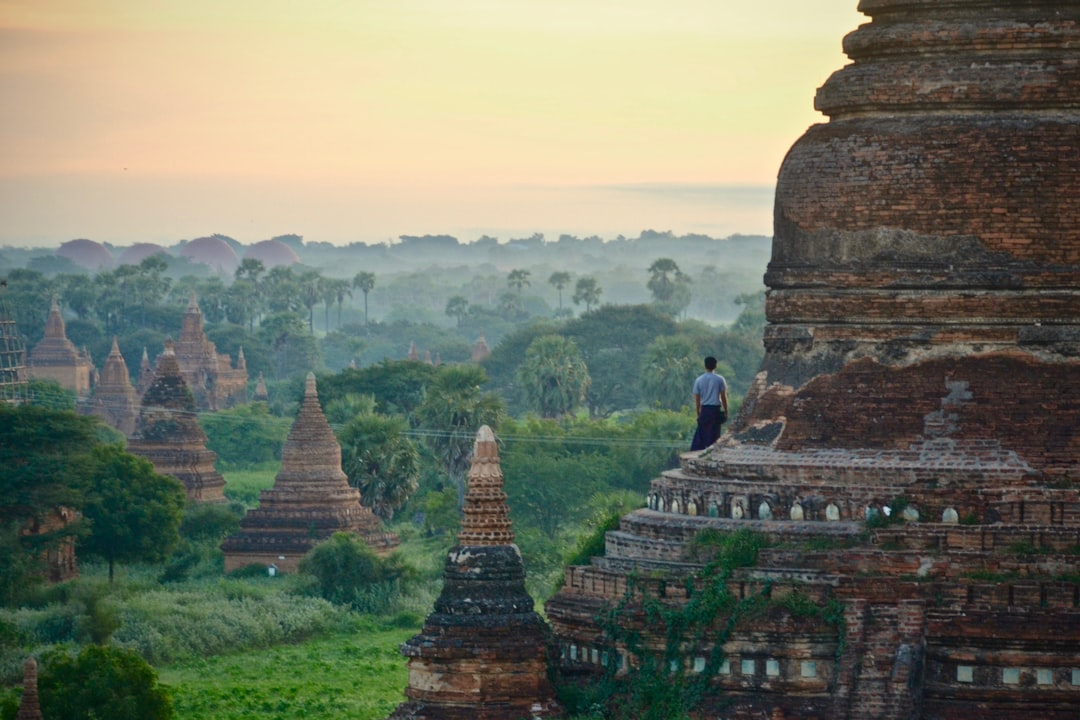
Bagan has a handful of must-see temples that define the experience. Every one of them is accessible at ground level only. Temple climbing is banned across the plain, a restriction that tightened between 2016 and 2019 following the magnitude-6.8 Chauk earthquake, a fatal fall, and the push toward Bagan’s 2019 UNESCO World Heritage listing. Fences and patrols enforce the ban at all marquee sites. Do not plan your visit around climbing anything.
Ananda Temple is widely considered the most beautiful in Bagan, completed around 1105 under King Kyansittha. Four standing Buddha images face outward in four directions, each nearly 9 metres tall. The corridors are dim and cool, and the stone is carved with scenes from the Jataka tales. Arrive early morning for the best light on the exterior.
Dhammayangyi Temple is the largest by mass, a fortress-like brick pile built by King Narathu, who according to legend constructed it to atone for murdering his father and brother to seize the throne. The inner corridors were bricked up for reasons nobody fully agrees on, and the mortar-less brickwork is so precise that a pin cannot be pushed between the joints in places. You walk the exterior and peer into the darkened inner halls.
Thatbyinnyu Temple is the tallest on the plain at roughly 61 metres, its white silhouette visible from kilometres away. It was built in the mid-12th century and represents the transition between Bagan’s earlier and later architectural styles. Upper terrace access has been off-limits since earthquake damage made the structure unstable.
Sulamani Temple, a late-12th-century gem on the central plain, is where you go for interior murals. The walls carry dense, well-preserved paintings depicting Buddhist cosmology, court life, and religious scenes. Bring a small flashlight, because the interior is dark and the detail rewards close looking. Sulamani is also less crowded than Ananda, which makes it a personal favourite.
Shwezigon Pagoda, near Nyaung U, is a gilded stupa still in active use as a pilgrimage site. It is not a roped-off ruin. Devotees walk the circuit, light candles, and pray. The golden spire is one of the most iconic images in Myanmar, and it is especially beautiful in late afternoon light.
Shwesandaw Pagoda was for years the single most famous sunset-climb spot in Bagan. That ended with the climbing ban. You now view it from ground level or from the nearby viewing mounds. It is still worth visiting for its architectural significance, dating to around 1057 under King Anawrahta.
Cultural Experiences: Lacquerware Workshops and Myinkaba Village
Between Old Bagan and Nyaung U sits Myinkaba village, which has been the centre of Bagan’s lacquerware tradition for centuries. The workshops here produce bowls, cups, vases, and trays using a labour-intensive process of layering lacquer over a bamboo or horsehair frame, drying each layer, and etching designs by hand. A quality piece with 12 to 14 layers takes weeks to make.
You can walk into most workshops and watch the process for free. The artisans are generous with their time, and buying directly from the maker is both cheaper and more ethical than buying from the larger tourist emporiums. Golden Cuckoo Lacquerware Workshop in Myinkaba is a family-run operation in its fourth generation, and the owners speak English and will walk you through every step.
Nature: The Irrawaddy River and Mount Popa
The Irrawaddy River forms Bagan’s western edge, and a sunset walk along the riverbank at Bupaya Pagoda is one of the simplest and most rewarding things you can do. The water reflects the last light, fishing boats drift past, and the temple spires behind you catch the final gold of the day. There is no fee and no crowd.
If you have a third day, Mount Popa is about 50 kilometres southeast of Bagan and makes an excellent side trip. The destination is not the mountain itself but Taung Kalat, a dramatic volcanic plug with a monastery perched on top, reached by climbing roughly 777 barefoot steps past shrines to the 37 nats, the animist spirits that predate Buddhism in Myanmar. Macaques live along the route and will grab anything that looks like food, so keep bags zipped. Most visitors combine the trip with a stop at a toddy palm farm on the way back.
Where and What To Eat and Drink in Bagan
Bagan’s food scene is modest compared to Yangon’s, but it has real depth if you seek out the Burmese places rather than the tourist menus. The backbone is the same as everywhere in Myanmar: teahouses, street stalls, and small family restaurants.
Mohinga is the national dish and the best breakfast in Bagan. It is a rice noodle soup in a fish-and-banana-stem broth, served with hard-boiled egg and crispy fritters. Look for street vendors with steaming pots near Nyaung U market before 8:00 AM. A bowl costs about $1.
Tea leaf salad (lahpet thoke) is Myanmar’s most distinctive flavour: fermented tea leaves mixed with fried garlic, peanuts, sesame, dried shrimp, and chilli. It is unlike anything else in Southeast Asia, and you should order it everywhere you can.
Shan noodles are thicker rice noodles with a tomato-based sauce, pork or chicken, and peanuts. They are milder than Thai or Indian dishes but deeply satisfying after a morning on an e-bike.
Toddy palm jaggery is raw sugar made from toddy palm sap, sold in blocks at Nyaung U market. It has an intense caramel flavour and is used in nearly every Burmese dessert. It makes a great $2 souvenir that does not exist anywhere else.
For a sit-down meal, Sanon in Nyaung U is a social-enterprise training restaurant set in a calm garden on Pyu Saw Hti Street. It trains disadvantaged young people from the Bagan area in cooking and hospitality while serving modern Burmese cuisine. The tea-leaf salad gets a contemporary spin, and the tamarind river prawns are the standout main. Dishes run from about 2,400 to 15,600 kyat. For simpler fare, Shwe Moe in Nyaung U is a family-run place with reliable Burmese curries and cheap beer. If you want to understand how food functions as a cultural lens in Myanmar, the way it does across the region, our George Town Penang food guide explores a similar dynamic in a different country.
Coffee culture has grown in Bagan. Cafe Bagan in Nyaung U does proper brewed coffee, not the 3-in-1 instant that some places try to pass off, and it is a good place to plan your temple route between sunrise and your next stop.
Shopping in Bagan
Shopping in Bagan means lacquerware and markets, not malls. The town is the lacquerware capital of Myanmar, and the workshops in Myinkaba village are where you buy the real thing. Prices at family-run workshops are at least 20 percent cheaper than the tourist-oriented showrooms on the main road, and the quality is higher because you are buying from the people who made it. A 14-layer vase from a small workshop costs around $25. Bargaining is expected but should stay light and respectful.
Nyaung U Market is the town’s daily market, running from 6:00 AM to 5:00 PM but at its most lively before noon. It is a genuine local market, not a tourist setup. You will find fresh produce, betel nut, flowers, longyis (the cylindrical sarongs worn by nearly everyone in Myanmar), thanakha (the yellowish cosmetic paste made from tree bark), and lacquerware. Go early, bring small kyat notes, and do not take photos of people without asking.
Sand paintings are sold by vendors outside the major temples and make lightweight souvenirs. They depict Buddhist scenes and Bagan landscapes, and quality varies, so look carefully at the brushwork before buying.
Bars and Nightlife in Bagan
Bagan is not a nightlife destination, and in the current political climate it is quieter than it used to be. Most restaurants close by 9:00 or 10:00 PM, and the town settles into an early rhythm that matches the sunrise schedule. A cold Myanmar Beer at a streetside table in Nyaung U after a long day of temple-hopping is about as lively as it gets, and honestly, that is plenty. Plan a good dinner, have one beer, and get to bed early enough for sunrise. Bagan rewards early risers the same way Yangon does.
When Is the Best Time To Visit Bagan?
The best time to visit Bagan is November through February. This is the cool, dry season, with daytime highs of 28 to 32 degrees Celsius, clear skies, and minimal rainfall. December and January are the most comfortable months, with overnight lows around 15 degrees. November is nearly as good and slightly less busy. This is also peak balloon season, so if you do want to fly, book weeks ahead for December and January.
March to May is the hot season, and it gets punishing. April highs can exceed 40 degrees Celsius. The exception is Thingyan, the Burmese New Year water festival in mid-April, which is a massive, joyful, country-wide water fight. If you are not there for Thingyan, avoid April.
June to October is the wet season. Bagan gets less rain than Yangon, but July through September see regular downpours, and sunrise visibility drops. The upside is lush scenery, empty temples, and lower hotel prices.
| Month | Avg High | Avg Low | Rainfall | Verdict |
|---|---|---|---|---|
| January | 28°C | 15°C | ~1 mm | Best: cool, dry, peak season |
| February | 32°C | 18°C | ~5 mm | Best: dry, warming up |
| March | 36°C | 21°C | ~10 mm | Getting hot |
| April | 38°C | 26°C | ~30 mm | Hottest; Thingyan festival |
| May | 37°C | 27°C | ~135 mm | Wet season begins |
| June | 34°C | 27°C | ~140 mm | Wet |
| July | 33°C | 27°C | ~135 mm | Wet |
| August | 32°C | 26°C | ~165 mm | Wettest month |
| September | 32°C | 26°C | ~165 mm | Wet, rain easing |
| October | 31°C | 23°C | ~165 mm | Rain easing; balloon season starts |
| November | 29°C | 19°C | ~55 mm | Excellent: dry season returns |
| December | 27°C | 15°C | ~5 mm | Best: cool, dry, comfortable |
If I had to pick one month, I would pick December. The weather is at its most comfortable, the skies are clear for sunrise, and the light is clean for photography. November is nearly as good and slightly less crowded.
How Many Days Do You Need in Bagan?
Two full days is the minimum, and three is comfortable. The archaeological zone pass is valid for 3 consecutive days, which matches the ideal visit length. Here is how I would shape a two-day e-bike itinerary.
Day 1: The Old Bagan Cluster
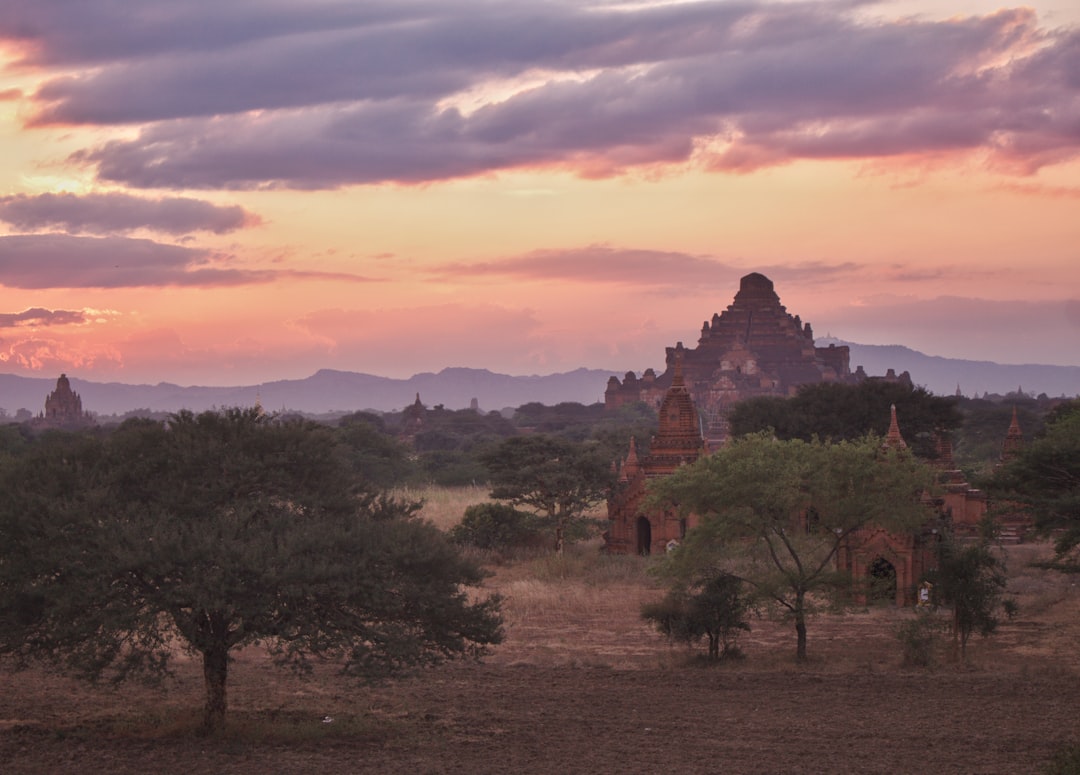
Start before dawn. Pick up your e-bike the afternoon before so you are ready to ride at 5:00 AM. Head to the Sulamani viewing mound near Sulamani Temple for sunrise. This is a small hill, not a temple, and it is one of the few elevated legal viewpoints left. Arrive by 5:30 AM to get a spot, because it does fill up. If the hot air balloons are flying, you will watch them launch from the ground and drift over the plain as the sun comes up. That is the sunrise you came for, and it costs nothing extra.
After sunrise, ride to Ananda Temple while it is still cool and empty. Spend an hour inside the corridors. Then head to Thatbyinnyu Temple next door for the exterior view and the height contrast. Cross to Dhammayangyi Temple for the fortress feel and the pin-test brickwork. By now it is late morning and getting hot. Ride back to Nyaung U or New Bagan for lunch and a rest during the hottest hours.
In the late afternoon, ride out to Sulamani Temple for the interior murals, then catch sunset from the Pyathada viewing area or the riverbank at Bupaya Pagoda. Dinner at Sanon or a Nyaung U street stall.
Day 2: Smaller Temples and Myinkaba
Sunrise at a different spot. The Nan Myint Viewing Tower is a 60-metre, 13-storey structure that predates the balloon boom and offers a 360-degree panoramic view. The entry fee is around 6,500 kyat (about $3 to $5). It is less crowded than the Sulamani mound, and the elevator takes you to the 11th floor, with two more floors on foot. One ethical note: the tower sits on grounds linked to a military-connected conglomerate, which is worth knowing if you are trying to keep your spending away from the junta. If that matters to you, stick to the viewing mounds.
After sunrise, ride to the eastern temples: Manuha Temple, where massive Buddha images are crammed into tight rooms (built by a captured Mon king, said to represent his imprisonment), and Nanpaya Temple, one of the oldest in Bagan with fine stone carvings. Then head south to Myinkaba village for the lacquerware workshops. Spend time watching the process and buy directly from the makers.
In the afternoon, explore Abeyadana Temple for its frescos and Dhammayazika Pagoda for its unusual circular plan. Sunset at a different spot than day 1. If you did Bupaya on day 1, try the Mingalazedi area or a quiet mound in the central plain.
If you have a third day, add Mount Popa and a toddy palm farm, or simply wander the plain with no plan. Some of Bagan’s best moments happen when you pull off the main track toward a small, unnamed temple and find yourself alone inside a 900-year-old structure with nothing but dust and silence.
Where To Stay in Bagan
Bagan’s accommodation is split across three areas, each with a different character. Nyaung U is the traveller’s base: budget-friendly, close to the airport, with the market, restaurants, and transport connections within walking distance. Old Bagan is the premium zone: closest to the marquee temples, quieter, and more expensive. New Bagan sits between the two: mid-range, good restaurants, and a relaxed feel.
Budget picks in Nyaung U:
- Family-run guesthouses along the downtown grid offer rooms from $15 to $25 per night with basic AC and en-suite bathrooms.
- Zfreeti Hotel weaves temple references into its architecture and offers good value from around $25 per night.
- Ostello Bello Bagan in New Bagan is a social hostel with dorms from $17 and private rooms available, plus a pool and bar.
Mid-range picks in New Bagan and Nyaung U:
- Ruby True Hotel in New Bagan has a pool, gardens, and comfortable rooms from around $40 to $56 per night.
- Hotel Umbra Bagan offers modern facilities and reliable standards from around $40 per night.
- New Wave, New Park, and Innwa guesthouses in Nyaung U sit in the $25 to $35 range and offer some of the best value in town.
Higher-end picks in Old Bagan:
- The Hotel @ Tharabar Gate is the classiest option in Old Bagan, set in gardens near the temple cluster, from around $130+ per night.
- Bagan Thande Hotel sits on the Irrawaddy riverfront with relaxed atmosphere and river views, from around $44 per night.
- Bagan Thiripyitsaya Sanctuary Resort in Nyaung U is a full resort-style property for travellers who want pools and full amenities.
My recommendation: stay in Nyaung U if it is your first visit. You can walk to restaurants, the market, and e-bike rental shops, and the temples are a short ride in every direction. If you want quiet and comfort, New Bagan is the sweet spot. Old Bagan is worth the premium only if being walking distance from Ananda Temple matters to you.
How Do You Get Around in Bagan?
E-Bike Rental: The Best Way to Explore
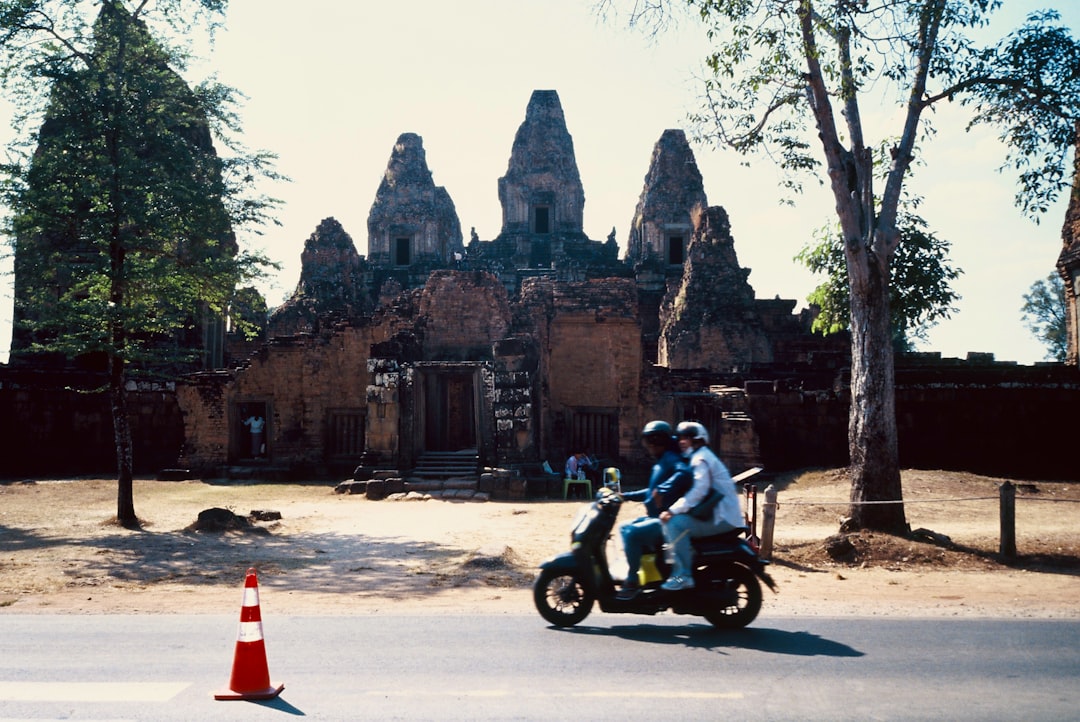
The e-bike is the single best transport option in Bagan. The plain is flat, the distances between temple clusters are 5 to 10 kilometres, and the red-dirt tracks are wide and navigable. E-bikes are cheap, silent, and let you stop whenever something catches your eye. You will not find a better way to explore the temples.
Single-seat e-bikes rent for 5,000 to 8,000 kyat per day (roughly $3 to $5 USD). Larger two-seater models cost 8,000 to 10,000 kyat. Half-day rentals for sunrise or sunset runs cost 3,000 to 5,000 kyat. Multi-day rentals often get a discount of 1,000 to 1,500 kyat per day. Rental shops are everywhere in Nyaung U and New Bagan, lining the main roads, and most guesthouses have their own fleets.
The rental process is straightforward: fill out a simple form, leave your passport or driving licence as a deposit (most shops no longer require cash deposits), and get a brief orientation on the controls. The whole thing takes about 15 minutes. Your passport stays with the shop until you return the bike.
Practical tips for e-biking in Bagan:
- Check the battery is fully charged before you leave. A single charge covers a full day of temple-hopping, but running out on a remote track is no fun.
- Test the brakes, lights, and tyres before riding off. Some bikes are better maintained than others.
- Helmets are not always provided. Bring your own or buy one locally. The roads are not dangerous, but you are on two wheels in the heat.
- Charge the bike overnight if you are doing a sunrise run. Plug it in the moment you get back to your guesthouse.
- Bring water, sunscreen, and a hat. There is zero shade on the plain between temples.
- Download an offline map. Google Maps covers Bagan reasonably well, but a dedicated offline map like Maps.me is more reliable on the smaller tracks.
Other Transport Options
Horse carts are a traditional and atmospheric way to see the temples, though they are slower and more expensive than e-bikes. They suit travellers who want to cover less ground and take in more atmosphere. You can hire one for a half-day sunset run for around 15,000 to 20,000 kyat.
Taxis and hired cars are available for airport transfers and day trips to Mount Popa. There is no Grab or ride-hailing app in Bagan. Agree on the fare before getting in. A taxi from Nyaung U airport to Old Bagan costs roughly 8,000 to 12,000 kyat.
For getting to Bagan itself, most travellers fly into Nyaung U airport from Yangon or Mandalay, or take an overnight bus. The overnight bus from Yangon takes about 10 to 12 hours and costs a fraction of the flight. If you are coming from Yangon, our Yangon travel guide covers the city that serves as the usual gateway to Myanmar.
The Entry Fee: What It Costs in 2026
Every foreign visitor pays a Bagan Archaeological Zone entry fee of 30,000 Myanmar kyat (approximately $15 USD at current exchange rates). This changed on October 1, 2023, when the fee increased from the previous 25,000 kyat and the validity period was reduced from 5 days to 3 consecutive days. If you see older guides quoting 25,000 kyat or a 5-day pass, that information is outdated.
The pass is cash-only and cannot be booked in advance. You can pay at the archaeology counter at Bagan Airport, at Ananda Pagoda, at Mya Cedi, or at Gubyaukgyi Temple in Myinkaba. Carry the pass with you at all times, because spot checks do happen at temple checkpoints. If you stay beyond 3 days, you must pay the full fee again.
One important note on cash: bring clean, unmarked USD bills. Cards and ATMs in Bagan fail more often than they work, and kyat exchange rates are volatile. Bring enough USD to convert locally, or withdraw kyat in Yangon before you travel to Bagan.
The Hot Air Balloon Question
Here is my honest take. The balloon ride is beautiful. It is also expensive, weather-dependent, and not necessary for a great Bagan experience. Prices for the 2025/2026 season range from about $200 for budget operators like Golden Eagle to $350 to $450 for premium packages with Balloons Over Bagan and Oriental Ballooning. The season runs from October to April, and December through January books out weeks ahead.
If you have the budget and the weather cooperates, it is a memorable experience. But I have talked to plenty of travellers who watched the balloons from a ground-level mound at sunrise and said it was the better view. You see the balloons rise over the temples, the mist lifting off the Irrawaddy in the distance, the light turning from grey to gold. Being in the balloon gives you the aerial panorama. Being on the ground gives you the balloons in the frame. Both are valid. Only one costs $5 instead of $400.
My recommendation: do the sunrise from the Sulamani mound or the Nan Myint Tower first. If you see the balloons and feel a burning need to be in one, book it for the next morning. Most people, in my experience, do not feel that need.
Conclusion
Bagan is one of the most extraordinary cultural landscapes in Asia, and you do not need a balloon or a tour package to experience it properly. You need a fully charged e-bike, a 30,000 kyat zone pass, an early start, and the willingness to pull off the main track toward a small unnamed temple that turns out to have the best murals you have seen all day. The sunrise from the ground, with the balloons floating overhead, is the image that stays with you. The climbing ban is real and enforced, but the viewing mounds and the Nan Myint Tower give you legal elevation. The food is simple and good. The lacquerware is genuine. The people are warm.
Go with your eyes open about Myanmar’s political situation, spend your money locally, and engage with the place on its own terms. If you have been to Bagan recently, drop your tips in the comments. I would genuinely like to hear how the ground-level sunrise compared for you, and whether you found temples or viewpoints that I missed. And if you are planning a broader Southeast Asia temple route, our Yogyakarta Borobudur guide covers Java’s sunrise-to-sunset temple strategy with the same practical detail.
Frequently Asked Questions
Can you still climb temples in Bagan for sunrise?
No. Temple climbing has been banned at all major sites since roughly 2016 to 2019, following the 2016 Chauk earthquake, a fatal fall, and the lead-up to Bagan’s 2019 UNESCO listing. Fences and patrols enforce the ban. Sunrise alternatives include purpose-built viewing mounds, the Nan Myint Viewing Tower, or a hot air balloon flight.
How much does it cost to enter the Bagan Archaeological Zone?
As of October 2023, the foreign visitor entry fee is 30,000 Myanmar kyat (approximately $15 USD), valid for 3 consecutive days. The older 25,000 kyat / 5-day pass no longer applies. If you stay beyond 3 days, you must pay the fee again.
How much does an e-bike rental cost in Bagan?
Single-seat e-bikes rent for around 5,000 to 8,000 Myanmar kyat per day (roughly $3 to $5 USD). Two-seater models cost 8,000 to 10,000 kyat. Rental shops typically hold your passport as a deposit instead of requiring cash. Helmets are not always provided, so consider bringing your own.
Do I need a hot air balloon ride to enjoy Bagan?
No. The balloon ride is beautiful but not essential. You can get an equally memorable sunrise from ground-level viewing mounds near Sulamani Temple, the Nan Myint Viewing Tower, or even the rooftop of your hotel. Many travellers find the ground-level sunrise, with balloons floating overhead, just as powerful as being in one.
How many days do I need in Bagan?
Two full days is the minimum, and three is comfortable. Day 1 covers the Old Bagan cluster (Ananda, Dhammayangyi, Thatbyinnyu, Sulamani). Day 2 explores the smaller eastern and southern temples, Myinkaba village lacquerware workshops, and a different sunset spot.