Yogyakarta Borobudur Travel Guide: Sunrise to Sunset
I will say this upfront: if you are planning a trip to Bali and wondering whether to add a Java stop, do it. Spend two or three days in Yogyakarta. This Yogyakarta Borobudur travel guide is built around the one strategy that makes the whole detour worthwhile: sunrise at Borobudur, sunset at Prambanan, same day. It is the most efficient and most beautiful way to experience Java’s two greatest temples, and honestly, it is one of the best day-long cultural experiences I have had anywhere in Southeast Asia.
Most travellers I meet in Bali have heard of Borobudur but have never been. They picture it as just another temple. It is not. Borobudur is the largest Buddhist monument on earth, built in the 9th century from over two million blocks of volcanic stone, abandoned for centuries under volcanic ash and jungle, and only rediscovered in the 1800s. Prambanan, its Hindu counterpart, sits 45 minutes away and is equally staggering. Yogyakarta is the base town for both, and it has a living, breathing cultural scene that makes the visit feel less like a temple hop and more like a proper immersion in Javanese life.
Why Yogyakarta Is Java’s Cultural Heartbeat
Yogyakarta, often called Yogya by locals and travellers, is the only Indonesian region still governed by a pre-colonial sultan. That is not a tourist gimmick. The Sultan of Yogyakarta lives in the kraton, a vast palace complex in the city centre, and his presence shapes everything from urban planning to cultural programming. This means Yogya has maintained a level of traditional Javanese arts, music, dance, and batik production that other Indonesian cities have largely lost to modernisation.
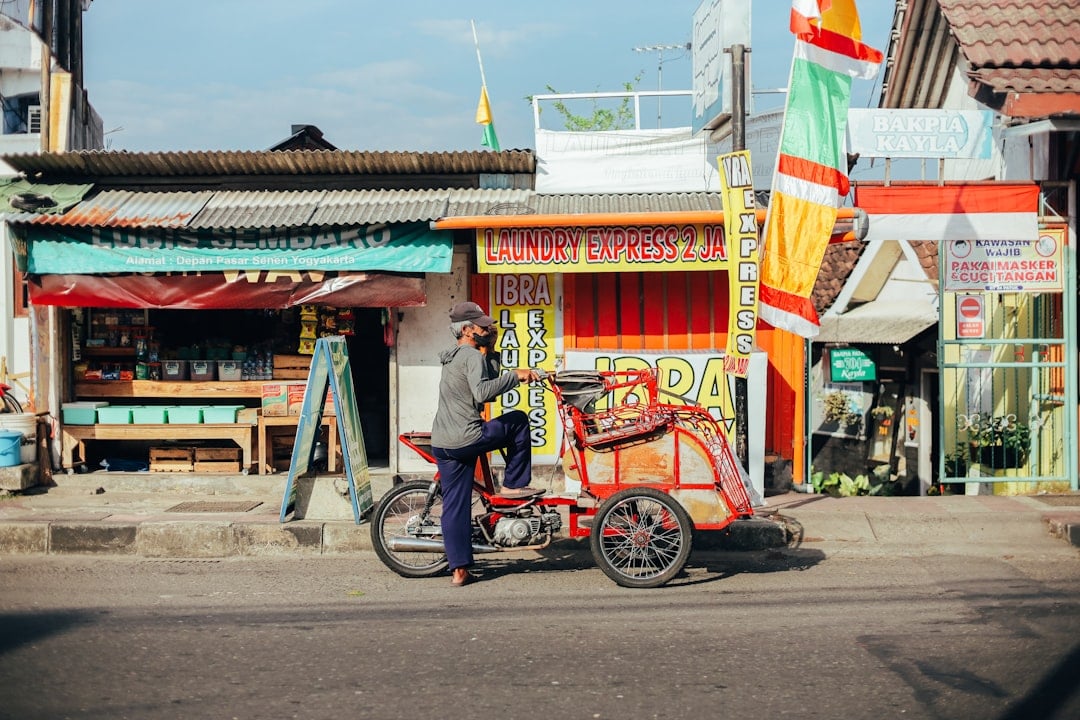
When you walk through the streets around Malioboro, the main thoroughfare, you hear gamelan music drifting out of pavilions and workshops. You see batik artists pressing hot wax onto cloth in patterns that take days to complete. You smell clove cigarettes, grilled satay, and the faint sweetness of jackfruit from street carts. The city moves at a pace that feels deliberate, almost ceremonial, compared to the frantic energy of Jakarta or even Denpasar.
What makes Yogyakarta the perfect base for a Borobudur and Prambanan trip is not just geography, though that helps. It is the fact that the temples are embedded in a living cultural context. You are not just visiting ruins. You are visiting monuments built by a civilisation whose descendants are still practising the same arts, playing the same music, and telling the same stories a thousand years later. That continuity is rare, and it is what separates Yogyakarta from dozens of other temple-town destinations across Asia.
I have spent time in Yala in southern Thailand, where Malay-Muslim heritage gives a Thai province a completely different cultural identity. Yogyakarta has that same quality of feeling distinct from the rest of the country. It is Javanese first, Indonesian second. The sultan’s court, the gamelan orchestras, the wayang kulit shadow puppet performances, the batik traditions, all of it is alive here in a way it simply is not in other Indonesian cities.
Planning Your Sunrise at Borobudur
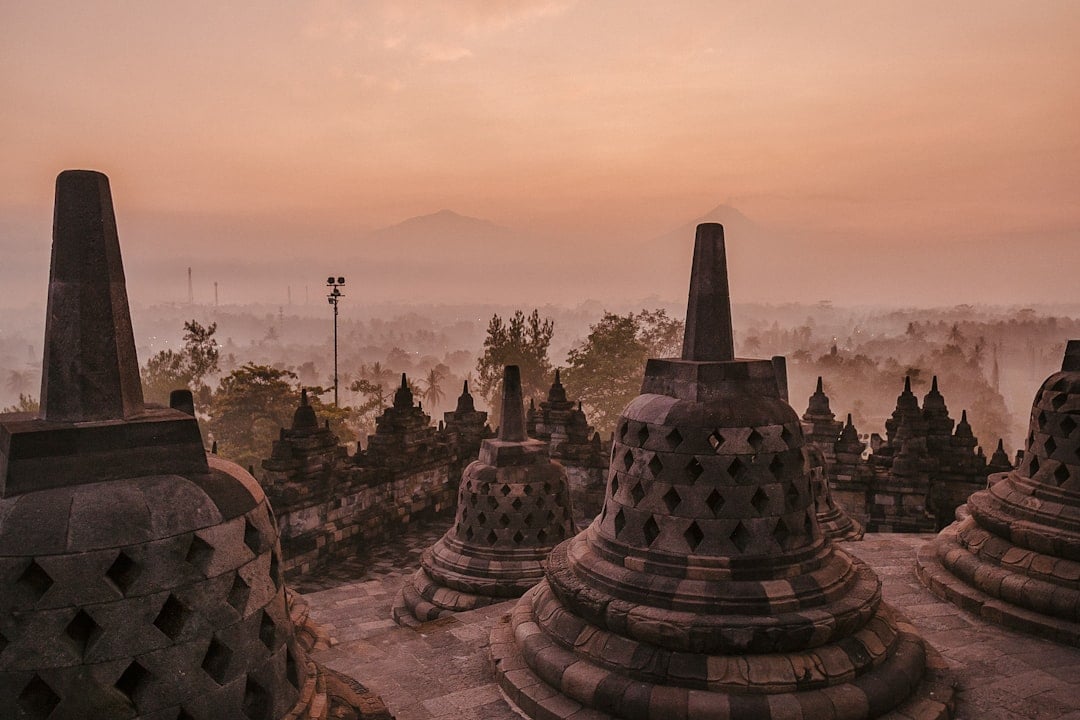
The single best piece of advice I can give you: do the sunrise. Not the mid-morning visit, not the afternoon. Sunrise. Borobudur at dawn, with mist pooling in the surrounding valleys and the first light hitting the stupas on the upper terraces, is one of the most quietly powerful sights I have witnessed in years of travel. The temple sits in a natural basin between two volcanoes, Gunung Merapi and Gunung Merbabu, and the early morning fog rolls through the low ground like a slow tide. When the sun breaks above the horizon, the bell-shaped stupas on the top level catch the light first, while the lower galleries are still half in shadow. It is the kind of scene that makes you understand why someone built a monument here in the first place.
Which Entrance to Use
There are two ways to enter Borobudur for sunrise, and the difference matters. The standard entrance, which opens to the general public at around 6:00 AM, gets you into the park but not onto the temple itself until the gates open. You will be standing at the base of the monument with hundreds of other people, waiting for the same moment. It is still beautiful, but it is crowded, and you will not be on the upper terraces when the sun actually rises.
The special sunrise entrance, officially called the Manohara Hotel entrance, is the only gate that opens before sunrise. It is accessed through the Manohara Hotel, which sits inside the park boundary. If you stay at the Manohara Hotel itself, you can walk straight out to the temple at 4:30 AM. If you are coming from Yogyakarta, you need to buy a special sunrise ticket, which the hotel administers even for non-guests. You enter through the hotel grounds, walk a short path through the park in the dark with a small torch, and reach the temple while it is still empty and silent.
Is the Special Sunrise Ticket Worth It?
This is the question every traveller asks, and the honest answer is: yes, with one caveat. The special sunrise ticket costs around IDR 450,000 (roughly USD 30) for foreign visitors, compared to the regular entrance fee of around IDR 50,000. That is a significant jump. But what you get for the premium is access to the temple before anyone else, a torch for the walk in, a cup of tea or coffee and a light snack at the hotel, and a brief explanation from a guide before you ascend. You also get to climb to the upper terraces and watch the sunrise from the top of the monument, not from the base.
The caveat is weather. Borobudur’s sunrise is dependent on clear skies, and if it is overcast or raining, you will have spent IDR 450,000 to see fog. There is no refund. I have been lucky both times I visited, but I have met travellers who got skunked. The dry season from May to September gives you the best odds. If you are travelling in the wet season, check the forecast the night before and accept that it is a gamble.
How Early to Arrive
If you are staying in Yogyakarta rather than at the Manohara Hotel, you need to leave your accommodation by 3:30 AM at the latest. The drive from Yogya to Borobudur takes about 60 to 90 minutes depending on traffic, which at that hour is minimal. You want to arrive at the Manohara entrance by 4:30 AM to have time for your tea, the briefing, and the walk to the temple before the sky starts to lighten. Sunrise is between 5:15 and 5:45 AM depending on the time of year. The whole experience, from entering the park to leaving the temple after the crowds arrive, takes about two and a half hours.
One practical tip: book the sunrise ticket a day in advance through the Manohara Hotel website or through your Yogyakarta hotel. They sometimes sell out during peak season in July and August. Do not assume you can show up at 4:30 AM and buy a ticket on the spot.
What the Mist Over Borobudur Actually Looks Like
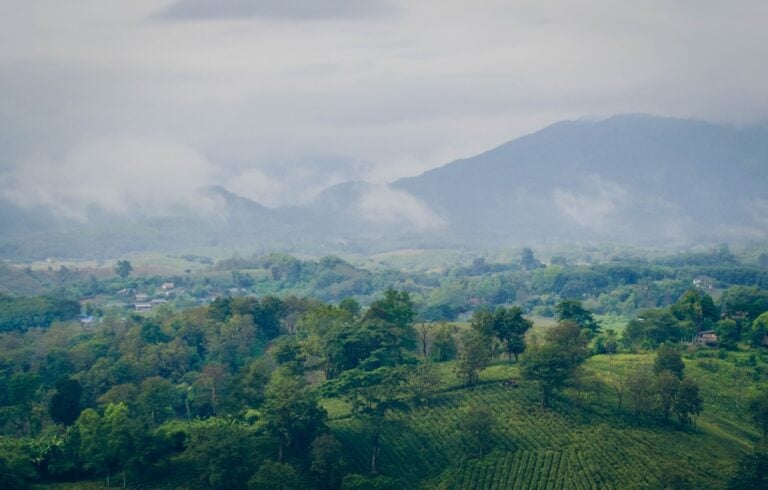
I want to set expectations honestly here, because Instagram does not. The mist over Borobudur is not a solid blanket of fog. On a clear morning, what happens is this: the surrounding rice paddies and low ground fill with a layer of white mist that sits maybe 10 to 15 metres deep. The temple, built on a natural rise, stands above it. As the sun comes up, the light turns the mist from grey to pale gold, and the volcanic peaks of Merapi and Merbabu emerge behind it. The air smells of wet grass and woodsmoke from nearby villages. You hear birds, and then nothing else, because at 5:15 AM the crowds have not arrived yet and the silence is total. It is not dramatic. It is quiet and vast and slightly unreal. That is what makes it worth getting up at 3:30 AM for.
Catching Sunset at Prambanan
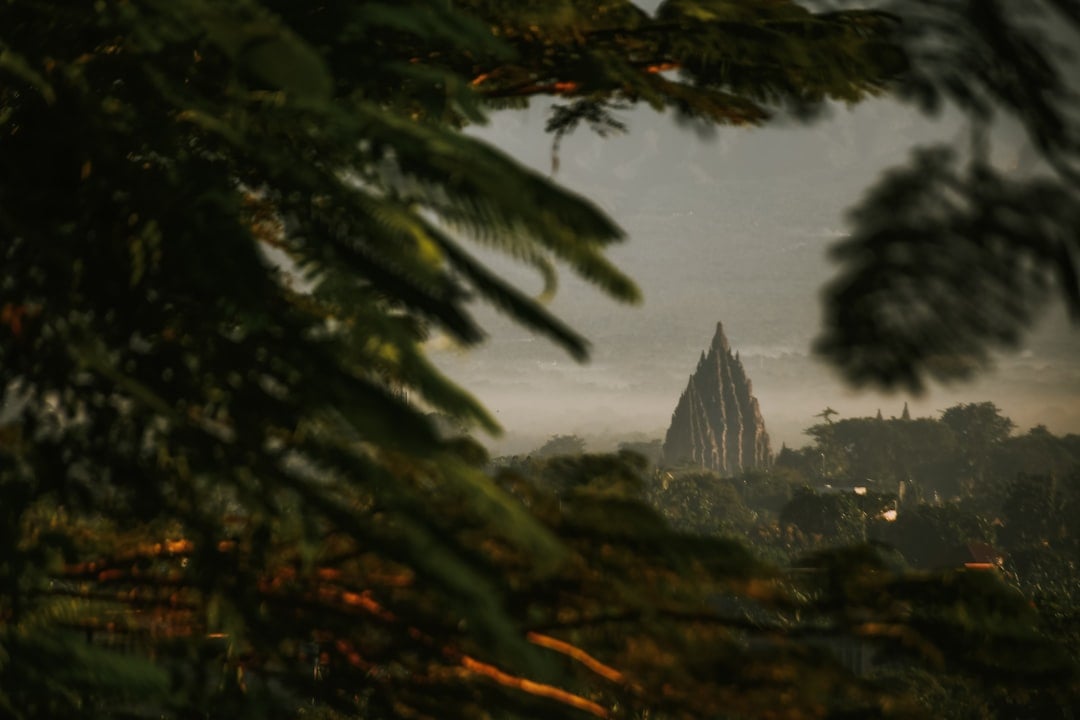
If Borobudur is the morning, Prambanan is the evening. Prambanan is the largest Hindu temple complex in Indonesia, built around the same time as Borobudur in the 9th century, and it is architecturally its opposite. Where Borobudur is a single massive pyramid-shaped monument built from the ground up, Prambanan is a cluster of tall, sharp spires that soar above the surrounding plain. The central compound has three main temples dedicated to Brahma, Vishnu, and Shiva, each one rising 47 metres into the air. At sunset, the stone catches the last light and turns a deep, warm amber that makes the carved reliefs pop in a way you cannot see at midday.
The Sound of Gamelan at Prambanan
Here is something I did not expect: the sound. On most evenings, there is a performance at the open-air theatre inside the Prambanan complex, and even if you do not have a ticket for the show, the sound of gamelan rehearsals and Ramayana ballet preparations drifts across the temple grounds as the sun goes down. Gamelan music is unlike anything else. It is a layered, cyclical interlocking of bronze metallophones, gongs, and drums that builds in density rather than volume. Hearing it while the light fades behind the spires of Prambanan is one of those moments where the place and the sound become inseparable. You stop seeing the temple as a static monument and start feeling it as something alive.
Practical Tips for Prambanan at Sunset
Prambanan is only about 20 minutes from Yogyakarta by car, much closer than Borobudur. The entrance fee for foreigners is around IDR 50,000 for the standard ticket. There is no special sunset ticket like at Borobudur, so you simply buy the regular entrance and time your arrival for late afternoon. I would aim to arrive by 4:00 PM, which gives you about an hour and a half to explore the complex before the sun starts to set around 5:30 to 6:00 PM depending on the season.
The complex is larger than it looks. The central compound with the three main temples is the highlight, but there are hundreds of smaller shrines in the surrounding park, many of them still in ruins after the 2006 earthquake. Take your time walking the outer paths. The crowds thin out the further you get from the central spires, and the late afternoon light on the broken stone is some of the best photography light you will find in Java.
If you want to stay for the Ramayana ballet performance, which is performed in the open-air theatre within the complex on certain evenings, you can buy tickets at the gate or in advance through your hotel. The performance starts after sunset, usually around 7:30 PM, and combines traditional Javanese dance with gamelan music. It is a two-hour show, and it is worth staying for if you have the energy after a dawn start at Borobudur.
Can You Do Both Temples in One Day?
Yes, and I recommend it. The one-day strategy is the core of this Yogyakarta Borobudur travel guide, and it works because the two temples are at their best at opposite ends of the day. Borobudur needs sunrise. Prambanan needs sunset. The middle of the day, when Java’s heat is at its most punishing, is the time to be eating, resting, or exploring Yogyakarta’s indoor attractions. Here is how the day breaks down, along with a realistic budget for doing it with a hired driver, which is the most practical option.
| Time | Activity | Approximate Cost (IDR) |
|---|---|---|
| 3:30 AM | Depart Yogyakarta for Borobudur | Driver: 500,000 to 700,000 for full day |
| 4:30 AM | Arrive Manohara entrance, collect sunrise ticket | 455,000 (special sunrise ticket, foreigner) |
| 5:00 AM | Walk to temple, climb to upper terraces | Included in sunrise ticket |
| 5:15 to 6:45 AM | Sunrise over Borobudur, explore galleries | Free |
| 7:30 AM | Breakfast at Manohara or nearby warung | 30,000 to 80,000 |
| 9:00 AM | Return to Yogyakarta, rest or visit kraton | Included in driver cost |
| 12:00 PM | Lunch in Yogya, explore Malioboro or markets | 50,000 to 150,000 |
| 4:00 PM | Depart Yogyakarta for Prambanan | Included in driver cost |
| 4:20 PM | Arrive Prambanan, explore central compound | 50,000 (standard foreigner ticket) |
| 5:30 to 6:15 PM | Sunset over Prambanan spires | Free |
| 7:30 PM | Optional Ramayana ballet performance | 100,000 to 250,000 |
| 9:30 PM | Return to Yogyakarta | Included in driver cost |
The total all-in cost for the day, including the driver, both temple tickets, meals, and the optional ballet, comes to roughly IDR 1,200,000 to 1,500,000 per person if you are splitting the driver cost with a travel partner. If you are solo, the driver is the biggest expense, and you might consider joining a shared tour to reduce costs. But for the freedom to set your own pace and the guarantee of being at both temples at the right time, a private driver is worth it.
Where to Stay in Yogyakarta
Yogyakarta has three main areas where travellers tend to base themselves, and each one has a different character. If I were planning the one-day temple strategy, here is how I would choose.
Sosrowijayan Area
This is the traditional backpacker district, just north of Malioboro and within walking distance of Tugu Station. It has cheap guesthouses, hostels, travel agencies, and a lively street food scene at night. If you are on a budget and want to be near the action, this is the area. The downside is noise and the fact that your 3:30 AM pickup for Borobudur will involve navigating narrow lanes in the dark.
Prawirotaman Area
South of the city centre, Prawirotaman has a more relaxed, leafier feel. It is popular with mid-range travellers and has a good mix of boutique guesthouses, homestays, and small hotels. The streets are quieter, and there are some excellent cafes and batik shops nearby. I stayed here on my last visit and found it the best balance of comfort, calm, and convenience. Drivers can reach you easily for the early Borobudur pickup.
Near Malioboro
If you want to be in the absolute centre, near the kraton, the markets, and the main transport connections, staying along or just off Malioboro is the most convenient option. You are walking distance from the Sultan’s Palace, the Water Castle (Taman Sari), and the best batik shops in the city. It is busier and louder, but for a two or three day stay where you want to squeeze in maximum sightseeing, the central location saves time.
One alternative worth mentioning: the Manohara Hotel inside the Borobudur park itself. If you stay here, you can walk to the temple at 4:30 AM without a drive, and the sunrise ticket is included in your room rate. The hotel is functional rather than luxurious, but for the convenience alone, it is worth considering if your main priority is the sunrise experience. You would then do Prambanan as a separate afternoon trip from the hotel.
Getting Around Yogya
Yogyakarta is one of the easier Indonesian cities to navigate. The layout is compact, the main sites are clustered in the centre, and there are several transport options that make getting around straightforward.
Hiring a Driver for the Day
For the Borobudur sunrise plus Prambanan sunset day, a private driver is the best option. Most guesthouses and hotels can arrange one, or you can find drivers through local travel agencies in the Sosrowijayan area. Expect to pay between IDR 500,000 and 700,000 for a full day, including fuel. The driver will pick you up at 3:30 AM, wait at Borobudur, drive you back to Yogya, wait through the afternoon, take you to Prambanan, and bring you home. That sounds like a long day for the driver, and it is, but this is a standard arrangement in Yogya and drivers are accustomed to it.
Gojek and Grab
Gojek and Grab both operate in Yogyakarta, and they are useful for getting around the city itself. A ride from the centre to Prambanan costs around IDR 60,000 to 90,000. However, you will not find a Gojek or Grab driver willing to pick you up at 3:30 AM for the Borobudur run. For that, you need a pre-arranged driver. During the day, though, the apps are convenient and cheap for city trips.
Renting a Scooter
If you are comfortable on two wheels and have a valid International Driving Permit, renting a scooter in Yogyakarta is a viable option for city exploration and even the trip to Prambanan. Scooter rentals cost around IDR 70,000 to 100,000 per day. The road to Prambanan is flat and well-maintained. The road to Borobudur is longer and darker for a pre-dawn ride, so I would only attempt it if you are confident and have good headlights. For more on IDP requirements across Southeast Asia, check out my International Driving Permit guide, which covers what you need for Indonesia specifically.
Indonesia is a 1968 Vienna Convention country, so a 1968 IDP is what you need. Police in tourist areas do check, and the fine for riding without one is not worth the risk. If you are flying into Bali first and then heading to Java, the same Bali arrival logistics apply: get your IDP sorted before you travel, not when you are standing at a scooter rental shop at 7 AM trying to negotiate.
What to Eat in Yogyakarta
Yogyakarta’s food scene is one of the most distinctive in Indonesia. Javanese cuisine tends to be sweeter and less fiery than the food of Sumatra or Sulawesi, with palm sugar, peanuts, and coconut forming the base of many dishes. If you are spending two or three days here between temple visits, these are the dishes I would make sure to try.
Gudeg
Gudeg is Yogyakarta’s signature dish, and you will see it everywhere. It is young jackfruit simmered for hours in coconut milk and palm sugar until it becomes a dark, sweet, almost caramel-like stew. It is usually served with rice, boiled egg, chicken, and a piece of crispy beef skin called krecek. The combination sounds odd on paper and is genuinely delicious in practice. The best gudeg comes from small warungs that have been cooking it the same way for decades. Ask your hotel for a recommendation rather than going to the tourist-oriented restaurants on Malioboro.
Sate Klathak
Sate klathak is a style of satay unique to Yogya. The meat, usually goat or lamb, is skewered on bamboo and grilled over an open flame, but the marinade is minimal. The flavour comes from the quality of the meat and the smokiness of the grill, not from a heavy sauce. It is served with a simple soy and chilli dip. The best sate klathak spots are in the Bantul area south of the city, and they tend to open in the evening. After a long day of temple-hopping, a plate of sate klathak with rice is exactly what you want.
Kopi Joss
This is less a dish and more an experience. Kopi joss is coffee served with a piece of glowing charcoal dropped directly into the cup. The charcoal is meant to neutralise the coffee’s acidity and give it a slightly smoky flavour. You will find it on the streets around Malioboro at night, served from small carts. It costs almost nothing, and watching the vendor pull a red-hot piece of charcoal from a bucket with tongs and drop it into your coffee is worth the small price of admission alone. Does it taste different? Marginally. Is it fun? Absolutely.
Bakpia
Bakpia are small, round pastries filled with mung bean paste, chocolate, or cheese. They are Yogyakarta’s most famous souvenir food, and you will see shops selling them on every corner. The best ones are freshly made, still warm, and have a thin, slightly flaky skin. Buy a box from a busy shop where you can see them being produced in the back, not from a pre-packaged display.
Frequently Asked Questions
Here are answers to the most common questions I get about visiting Borobudur and Prambanan from a base in Yogyakarta. If you have a question I have not covered, drop it in the comments at the bottom of this page.
Planning a Java Route Beyond Yogya
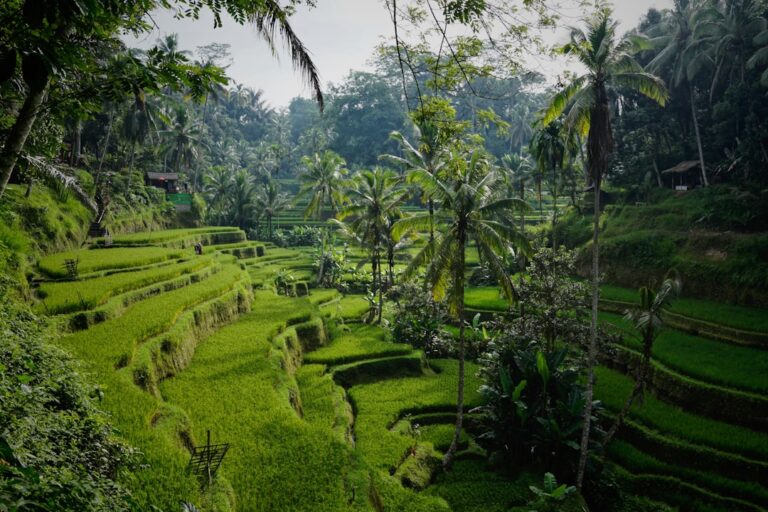
If you have made it to Yogyakarta, you are already on Java, and the island has more to offer than two temples. The most logical next stop on a Java itinerary is Mount Bromo, the otherworldly volcano in East Java that is famous for its sunrise over the Sea of Sand. The overland route from Yogyakarta to Bromo takes you through the heart of Java, past rice terraces, tea plantations, and a string of smaller towns that most Bali-bound travellers never see.
The journey from Yogyakarta to the Bromo area (usually the village of Cemoro Lawang, where most Bromo tours start) takes about 8 to 10 hours by car or a combination of train and minibus. Most travellers break it up with an overnight stop in Surabaya or Malang. If you are doing this as part of a longer Indonesia trip, you can fly from Surabaya to Bali after Bromo, which gives you a neat loop: fly into Yogyakarta, overland to Bromo, fly from Surabaya to Denpasar. For help with that Bali arrival, my guide to flying to Bali covers airports, visas, and transfers so you can plan the final leg without guesswork.
The broader point is this: Yogyakarta is not a detour. It is a destination in its own right, and it makes a fantastic anchor for a Java leg that includes Borobudur, Prambanan, and Bromo. Two or three days in Yogya plus one or two days for Bromo gives you a Java experience that is completely different from Bali but just as memorable. If you are also planning time in Bali, the Ubud private tours guide on Rider Chris is a good next read for how to approach the cultural side of Bali once you arrive.
Have you been to Yogyakarta or done the Borobudur sunrise? Drop your tips, your ticket experiences, or your questions in the comments. I would love to hear how your trip went, especially if you found a driver or a warung that made the day special. The best recommendations always come from fellow travellers who have been there, done that, and are willing to share what they learned.
Frequently Asked Questions
How far is Borobudur from Yogyakarta city centre?
Borobudur is about 40 kilometres northwest of Yogyakarta, roughly a 60 to 90 minute drive depending on traffic. Most travellers leave Yogya by 4:00 AM to reach the temple before sunrise.
Is the special sunrise entrance at Borobudur worth it?
It depends on your priorities. The special entrance (around IDR 450,000) gets you inside before the general public and includes a torch, tea, and a guide up to the top level. If you want a quieter, more intimate sunrise without the crowds, it is worth the premium. If you are on a tight budget, the regular ticket still gets you a beautiful sunrise, just with more people around.
Can I visit both Borobudur and Prambanan in one day?
Yes. Borobudur is best at sunrise, and Prambanan is stunning at sunset. The two temples are about 45 minutes apart by car. With a hired driver for the day, you can do sunrise at Borobudur, explore midday, rest in Yogyakarta during the hottest hours, and arrive at Prambanan by late afternoon.
What should I wear when visiting Borobudur and Prambanan?
Both are active religious sites. Wear or bring a sarong, cover your shoulders, and avoid shorts. Borobudur provides sarongs at the entrance, and Prambanan has a dress code enforced at the gate. Comfortable walking shoes are essential because you will be climbing steep stone steps.
What is the best time of year to visit Yogyakarta for the temples?
The dry season from May to September offers the clearest sunrise views at Borobudur. July and August are peak months with the most crowds. April and early May, or late September, give you a good balance of clear weather and fewer visitors.