Best Day Trips from Kuala Lumpur I Keep Coming Back To
After living and travelling around Malaysia for years, I’ve built a mental shortlist of the best day trips from Kuala Lumpur that I return to again and again. Some are quick half-day escapes when the city heat gets too much. Others are full-day journeys worth waking up at 6 AM for. This guide covers five of my favourites, how to reach each one independently, how much time to budget, what to see, and what to eat when you get there.
Whether you’re an expat based in KL looking for weekend escapes or a traveller using Kuala Lumpur as your departure point for regional exploration, these destinations are all doable without booking a tour. I’ve done each one by bus, train, car, and in some cases motorbike, and I’ll share the logistics honestly so you can plan with confidence.
The Best Day Trips from Kuala Lumpur I Keep Coming Back To
Not every destination near KL earns repeat visits. These five do. Each offers something the city can’t: ancient limestone caves, colonial-era hill stations, a UNESCO-listed old town, a modern administrative capital with surprising greenery, and a casino-and-theme-park mountain resort. Together, they cover the full spectrum of what the Klang Valley and its surroundings have to offer within a single day’s reach.
I’ve ranked them roughly by travel time and effort, starting with the easiest half-day trips and moving into the full-day journeys. If you’re new to Malaysia or just arriving in Kuala Lumpur for the first time, start at the top and work your way down.
Easy Half-Day Trips from KL (Under 2 Hours)
Batu Caves: Limestone Towers and a Giant Golden Murugan
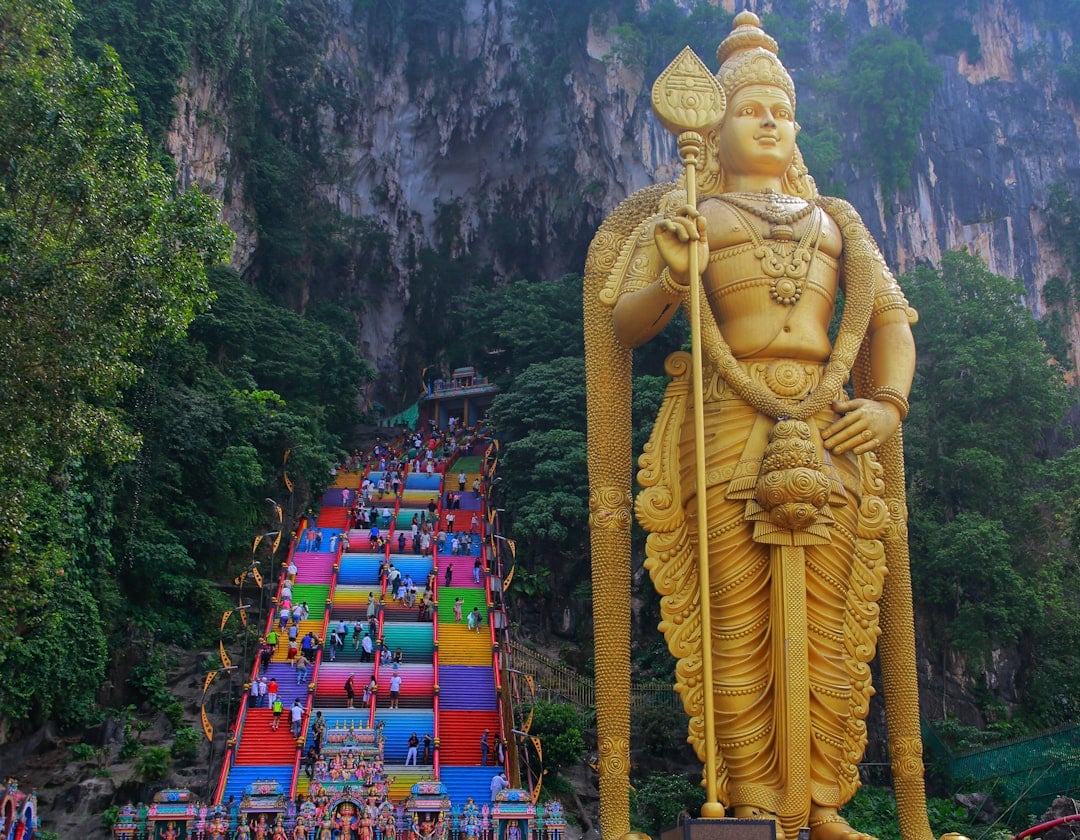
Batu Caves is the single most popular day trip from Kuala Lumpur, and for good reason. A towering 42.7-metre golden statue of Lord Murugan guards the entrance, backed by a massive limestone outcrop riddled with caves and Hindu shrines. The 272-step rainbow staircase gets all the Instagram attention, but the caves themselves are the real draw: Cathedral Cave is enormous, with sunlight streaming through gaps in the ceiling, and the Hindu temples inside are still actively used for worship.
I’ve been to Batu Caves three times now, at different times of day and year, and each visit felt different. Early morning is the sweet spot. You beat the tour buses (they start arriving around 9:30 AM), the heat is still manageable, and the macaques that patrol the stairs are less aggressive when they’re not competing for food scraps from crowds. By noon, the concrete steps radiate heat like a furnace.
How to Get to Batu Caves
This is the easiest trip on the list. The KTM Komuter train from KL Sentral to Batu Caves station costs around RM 5-6 one way and takes about 30 minutes. The station is right at the entrance to the caves, so there’s no additional transport needed. Trains run every 20-30 minutes, and the last service back to KL Sentral departs around 10:30 PM, so you have plenty of flexibility.
If you prefer to drive or ride, it’s about 13 km north of the city centre via Jalan Kuching and the Middle Ring Road. Parking is available near the entrance for a few ringgit. By motorbike, it’s a smooth ride and you can skip the parking hassle entirely. If you’re planning to ride in Malaysia and don’t yet have your paperwork sorted, check out my guide to the International Driving Permit before you head out.
What to See and How Long to Spend
Allow two to three hours for Batu Caves. That gives you time to climb the main staircase, explore Cathedral Cave, visit the Dark Cave (when accessible; it periodically closes for conservation work), and wander the smaller cave temples at the base. The Ramayana Cave, tucked to the left of the main staircase, has a series of dioramas depicting the Hindu epic and is often quieter than the main cave.
A few practical notes: dress modestly. Shoulders and knees should be covered, and you’ll need to remove shoes before entering the temple areas inside the caves. The macaques are bold and will grab anything that looks like food. Keep snacks hidden and bags zipped.
What to Eat Near Batu Caves
The little Indian street stalls near the entrance are fantastic for a post-cave snack. Grab fresh roti canai with dhal curry for about RM 2-3 a piece, or try masala dosai if you want something more substantial. There’s also a cluster of banana leaf rice restaurants along Jalan Bandar Utama nearby if you want to sit down for a proper meal. I recommend timing your visit so you’re hungry by the time you finish exploring.
Putrajaya: Malaysia’s Planned Capital with Surprising Greenery
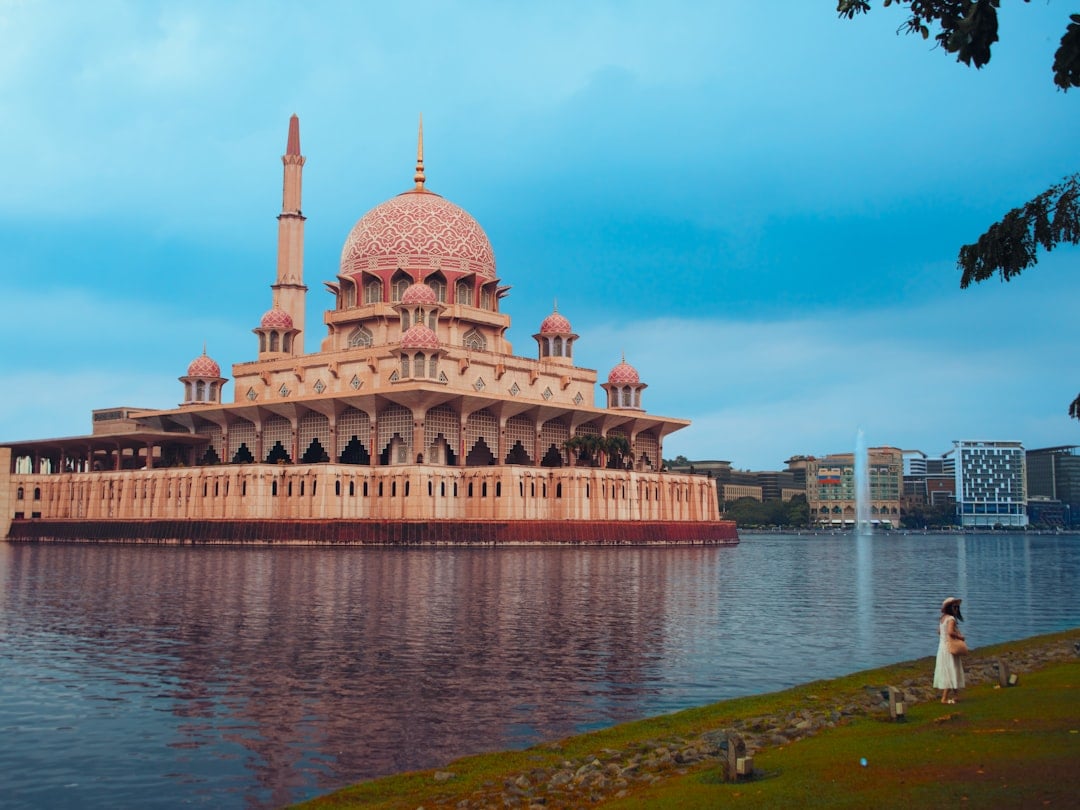
Putrajaya is Malaysia’s federal administrative centre, about 25 km south of Kuala Lumpur. When people first described it to me as “the city where all the government buildings are,” I wasn’t exactly rushing to visit. But after spending a full day there, I was surprised by how much I enjoyed it. The architecture is genuinely striking, the lake that runs through the centre is clean and scenic, and the green spaces are well-maintained and largely uncrowded.
The pink-domed Putra Mosque is the postcard image, but the real highlights for me were the Botanical Garden, the Wetland Park, and the surprisingly peaceful promenade along the lake at sunset. If you’re travelling with family, the area around Putrajaya has some excellent attractions. I’ve written about one of them in detail: the Amverton Riverine Splash and Wetland Studios combo, which makes for a great family day out.
How to Get to Putrajaya
The KLIA Transit train from KL Sentral to Putrajaya Sentral takes about 20 minutes and costs around RM 9-10 one way. From Putrajaya Sentral, local buses (the city has a free Hop-On Hop-Off bus on weekends) and ride-hailing services cover the key sights. If you’re driving or riding, it’s a straightforward 30-minute trip south via the North-South Expressway. Putrajaya’s roads are wide, well-signposted, and honestly a pleasure to navigate compared to KL’s congestion.
What to See and How Long to Spend
Half a day is enough to see the main highlights: Putra Mosque, the Perdana Putra (the Prime Minister’s office complex, viewable from outside), Putrajaya Lake for a boat cruise, and the Botanical Garden. If you add the Wetland Park or nearby attractions, stretch it to a full day. Sunset at the Putra Mosque reflecting off the lake is genuinely beautiful and worth timing your visit around.
What to Eat in Putrajaya
Precinct 2 has a string of waterfront restaurants offering Malay, Chinese, and Indian food at reasonable prices. Selera Putrajaya food court is a solid bet for local dishes like nasi lemak, char kway teow, and roti canai without paying restaurant prices. If you want something nicer, the restaurants along the lake promenade are good for an evening meal with a view. I had a very respectable nasi goreng kampung there for under RM 15.
Full-Day Trips Worth the Journey
Malacca (Melaka): UNESCO History and the Best Food in the Region
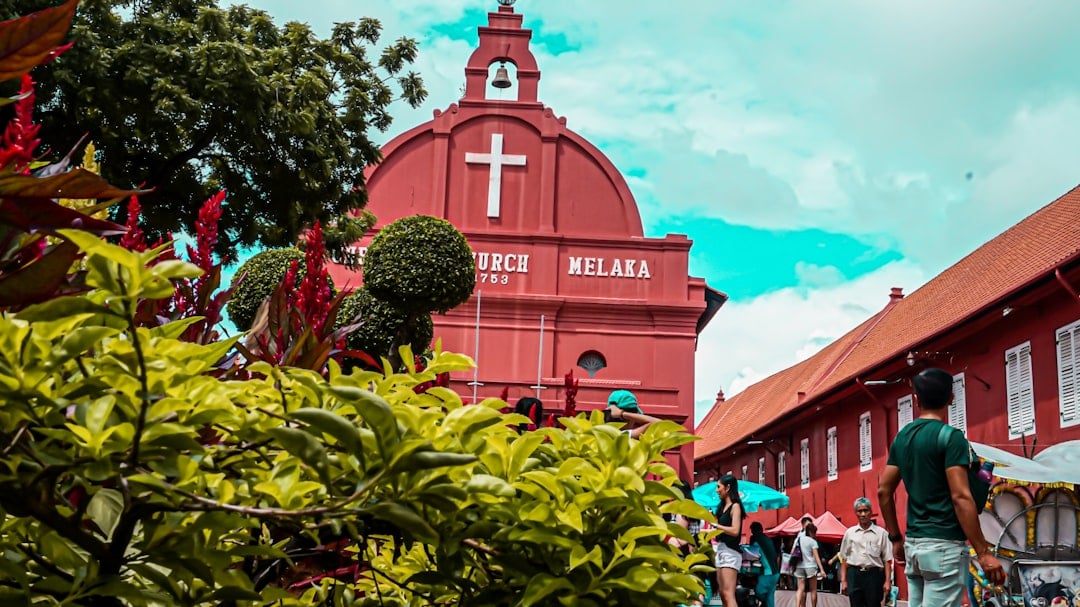
Malacca is the day trip I recommend most to anyone visiting Malaysia. It’s a UNESCO World Heritage Site about 120 km south of Kuala Lumpur, and the drive takes roughly two hours depending on traffic. The old town is a walkable grid of Dutch colonial buildings, Chinese shophouses, and Malay kampong houses layered over centuries of trade history. The mix of Portuguese, Dutch, British, Chinese, and Malay influences gives Malacca a cultural texture you won’t find anywhere else in the country.
I’ve been to Malacca four times and still haven’t exhausted it. The first visit I did the tourist circuit: Stadhuys, Christ Church, A Famosa, St. Paul’s Church on the hill. On return trips I spent more time in Jonker Street’s antique shops, the Baba and Nyonya Heritage Museum, and the quieter backstreets around the Malacca River. The river cruise at dusk is touristy but worth it; the lights along the promenade give the town a completely different character after dark.
How to Get to Malacca
By bus: this is the most common independent route. Coaches depart from Terminal Bersepadu Selatan (TBS) in Kuala Lumpur roughly every 30 minutes from early morning until late evening. The trip takes about 2 hours and tickets cost RM 10-17 one way depending on the operator. I’ve used several companies and they’re all comparable in comfort. Book through Easybook or BusOnlineTicket for convenience, or just show up at TBS and buy at the counter.
By car or motorbike: take the North-South Expressway (PLUS) southbound, exit at Ayer Keroh, then follow signs to Malacca city centre. The drive is straightforward, mostly highway, and takes about 2 hours. Parking in the old town can be tight on weekends, but there are several multi-storey car parks near the river. On a motorbike, parking is easy and free in most spots. Riding the expressway is comfortable and safe if you’re used to highway travel.
There’s also a KTM train from KL Sentral to Pulau Sebang/Tampin station, followed by a 30-minute Grab or taxi to Malacca city. It’s slightly slower than the bus but more comfortable if you prefer rail.
What to See and How Long to Spend
Allow a full day. Start with the historical core: Stadhuys (the red Dutch square), Christ Church, climb up to St. Paul’s Church for views over the city, and the Porta de Santiago (A Famosa’s surviving gate). Then walk Jonker Street for antiques and snacks, visit the Baba and Nyonya Heritage Museum for Peranakan culture, and take the Malacca River cruise in the late afternoon. If you have energy left, the Taming Sari Tower gives a 360-degree view of the city and is worth the 10-minute ride.
On weekends, Jonker Street Night Market (Friday to Sunday, roughly 6 PM to midnight) is a must. The street transforms into a massive food and craft market with live music, and the energy is infectious. If your day trip falls on a weekday, you’ll miss the night market but the old town is quieter and more pleasant for photography.
What to Eat in Malacca
Malacca’s food alone is worth the drive from Kuala Lumpur. The city is the birthplace of several iconic Peranakan (Nyonya) dishes that blend Chinese cooking techniques with Malay ingredients. Here’s what I seek out every time:
- Chicken rice balls: Malacca’s signature twist on Hainanese chicken rice, where the rice is pressed into bite-sized spheres. Kedai Kopi Chung Wah at the end of Jonker Street is the most famous spot, and there’s almost always a queue. It moves fast though, and the chicken rice balls are worth the wait.
- Nyonya laksa: Rich, coconut-based noodle soup with a distinctive sour-spicy profile from belacan (shrimp paste) and asam (tamarind). Jonker 88 is a popular spot and also does excellent cendol.
- Cendol: Shaved ice with coconut milk, palm sugar, and green jelly noodles. The Malacca version uses gula Melaka (palm sugar) that’s richer and smokier than the standard. Jonker 88 and the stalls along Jonker Street all do it well.
- Satay celup: A Malacca-specific street food where you cook your own skewers of meat, vegetables, and seafood in a communal pot of bubbling satay sauce. Ban Lee Siang is the one locals recommend.
- Portuguese-Eurasian food: Head to the Portuguese Settlement east of the old town for seafood curries and devil curry, a spicy tangy dish unique to this community. Best in the evening when the stalls open.
Genting Highlands: Mountain Air, Casinos, and Theme Parks
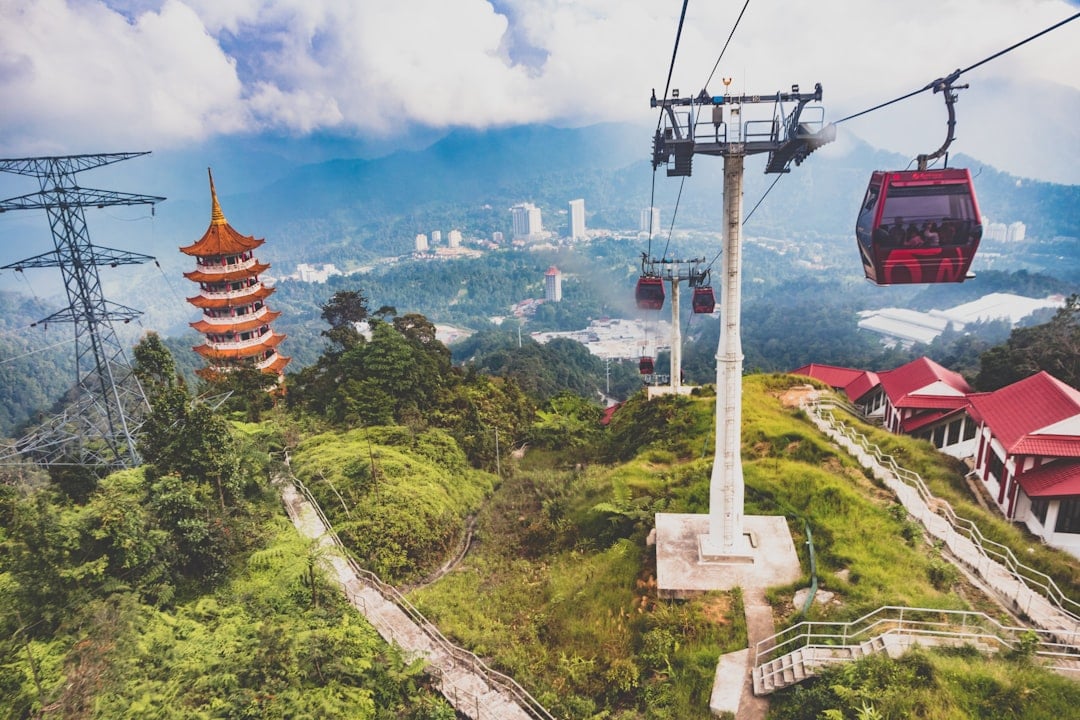
Genting Highlands sits at about 1,800 metres above sea level, which means the temperature drops by a good 10 degrees compared to Kuala Lumpur. It’s a strange place: a hilltop complex of hotels, a casino, indoor and outdoor theme parks, shopping malls, and cable car rides, all wrapped in a blanket of cloud and forest. I have mixed feelings about Genting, which I think is the honest take. It’s crowded, commercial, and can feel like a shopping mall dropped onto a mountain. But the cool weather is a genuine relief, and the cable car ride (Awana SkyWay) through the cloud forest is beautiful on a clear day.
If you’re planning a family trip and want to combine Genting with other nearby attractions, there are natural spots along the way worth exploring. The Chin Swee Caves Temple, located partway up the mountain, is a beautiful Taoist temple with giant statues and cliffside pavilions, and it’s free to enter. I’d argue it’s a better cultural stop than anything at the summit.
How to Get to Genting Highlands
The easiest public transport route: take the KL Sentral to Genting bus ( operated by Go Genting, RM 11-12 one way), which takes about an hour. The bus drops you at the Awana Transport Hub, where you transfer to the Awana SkyWay cable car for the final ascent. The cable car ride takes about 10 minutes and costs RM 8-9 one way. If you have a SkyTrainLounge or hotel booking, the cable car is sometimes included.
By car or motorbike: take the Karak Highway east from KL. It’s about 45 km and takes around 45 minutes to the base. From there, you can drive up the winding mountain road or park at Awana and take the cable car. The mountain road is tight and twisty, and visibility can drop dramatically when the clouds roll in. On a motorbike, it’s a fun ride in clear weather but I wouldn’t recommend it in rain or fog. The Karak Highway itself is well-maintained and a popular weekend ride for KL motorcyclists.
What to See and How Long to Spend
A full day at Genting gives you time to explore Skytropolis Indoor Theme Park, ride the Awana SkyWay cable car, visit Chin Swee Caves Temple on the way up or down, and walk around the outdoor plaza at the summit. If you’re not into theme parks or casinos, the main attractions are the cable car ride, the cool weather, and the views. In that case, half a day is plenty.
What to Eat at Genting Highlands
Food at the summit is dominated by mall chains and food courts, which are adequate but not exciting. Genting Grand has a few upscale restaurants if you want to treat yourself. My recommendation: eat at Chin Swee Caves Temple’s vegetarian restaurant on the way up. It’s affordable, the food is genuinely good, and the terrace view over the valley is stunning. Alternatively, stop at the Gohtong Jaya food court at the base of the mountain for hawker fare before heading up.
Fraser’s Hill: The Colonial Hill Station That Time Forgot
Fraser’s Hill is my personal favourite on this list. Located about 100 km north of Kuala Lumpur at an elevation of 1,500 metres, it’s a former British colonial hill station that has changed remarkably little in the past century. Stone cottages with fireplaces, a clock tower that looks like it was plucked from an English village, narrow winding roads through dense montane forest, and birdlife that draws birdwatchers from across the region. It’s quiet in a way that’s increasingly rare in Peninsular Malaysia.
I’ve visited Fraser’s Hill twice, both times on a motorbike, and both times it felt like stepping into a different era. The air is cool and slightly misty, the pace of life is slow, and the only sounds are birdsong and the occasional car on the narrow road. If you need a break from the intensity of KL, this is where I’d send you.
How to Get to Fraser’s Hill
There’s no direct train or regular bus service to Fraser’s Hill, which is part of why it stays quiet. The most common public transport option is to take a bus from Kuala Lumpur to Kuala Kubu Bharu (KKB), the town at the base of the hill, and then take a taxi or Grab up the winding 30 km road to the summit. The bus to KKB takes about 1.5 hours and runs several times daily.
By car: take the Rawang exit off the North-South Expressway, drive to Kuala Kubu Bharu, then follow the signs up the hill road. The total drive from KL is about 2 hours. The hill road is narrow, single-lane in sections, and has a one-way system at the top (the famous “Gap” road, where the old route up is one-way and traffic alternates in timed windows). Check the schedule at the Gap before you go if you’re coming from the south side.
By motorbike: this is one of the best rides within reach of KL. The road from KKB up to Fraser’s Hill is a favourite among local riders, with smooth tarmac, tight switchbacks, and forest canopy overhead. The one-way system at the Gap applies to motorbikes too, so plan accordingly. Riding in the clouds is magical but visibility can drop fast. Bring a warm layer; it can get down to 16 degrees or lower at the summit.
What to See and How Long to Spend
A full day is ideal. Start with a walk around the town centre: the old clock tower, Allan’s Water (a small lake), and the colonial-era buildings scattered along the main road. Then hit one of the nature trails. Hemmant Trail is an easy 30-minute walk through the forest. For something longer, try the Maxwell Trail loop. Birdwatching is a major draw here; Fraser’s Hill is home to over 270 species and hosts an annual bird race. Even if you’re not a birder, the sight of a silver-eared mesia in the morning light is worth the trip.
The Jeriau Waterfall, about 5 km from the town centre, is a nice stop for a swim or picnic, though the water is bracingly cold. The viewpoint at the Gap offers a sweeping look at the valley below and is a good photo stop on your way up or down.
What to Eat at Fraser’s Hill
Fraser’s Hill isn’t a food destination in the way Malacca is, but it has a few gems. The Shahzan Inn (one of the main hotels) serves a decent buffet with both Western and Malay options. Ye Olde Smokehouse, a colonial-era inn, offers English-style high tea and scones in an atmosphere that feels like you’ve been transported to the Cotswolds. It’s not cheap, but the setting is worth it for the experience. For something simpler, the food court near the town centre does basic Malay dishes, and there’s a small bakery near the clock tower that sells decent pastries and coffee.
Full-Day Trips: Quick Comparison
Here’s how the five destinations stack up, so you can pick the right one based on your time, budget, and mood.
| Destination | Distance from KL | Travel Time | Best Transport | Time Needed | Best For |
|---|---|---|---|---|---|
| Batu Caves | 13 km | 30 min | KTM Komuter train | 2-3 hours | First-timers, culture, quick escape |
| Putrajaya | 25 km | 30 min | KLIA Transit train or car | Half day | Architecture, family trips, sunset |
| Genting Highlands | 45 km | 45-60 min | Bus + cable car | Half to full day | Cool weather, theme parks, casino |
| Malacca | 120 km | 2 hours | Express bus | Full day | History, food, UNESCO heritage |
| Fraser’s Hill | 100 km | 2 hours | Car or motorbike | Full day | Nature, birdwatching, cool air, quiet |
How to Get Around Without a Tour
Every destination on this list is reachable without booking an organised tour. Here’s what I’ve learned about independent transport in the Klang Valley and beyond.
Trains: The Backbone of KL Day Trips
Kuala Lumpur’s rail network is more useful than it gets credit for. The KTM Komuter line runs north to Batu Caves and south to Putrajaya via KL Sentral. The KLIA Transit line connects KL Sentral to Putrajaya and the airport. Fares are cheap (RM 5-15 for most trips), trains are air-conditioned, and the network covers the two closest destinations on this list with no transfers needed.
For longer trips like Malacca, the KTM ETS (Electric Train Service) runs south from KL Sentral, but you’ll need to get off at Pulau Sebang/Tampin and transfer to a taxi or Grab for the final stretch to Malacca city. It’s slightly more comfortable than the bus but not as direct.
Buses: Cheap, Reliable, and More Comfortable Than You’d Expect
Malaysia’s express bus network is extensive and budget-friendly. TBS (Terminal Bersepadu Selatan) in KL is the main hub for southbound buses, including the KL to Malacca route. Pudu Sentral handles some northbound services. Buses are air-conditioned, reasonably punctual, and seats are comfortable for a two-hour ride. Buy tickets online through Easybook or BusOnlineTicket, or at the terminal counter for the same price.
For Genting Highlands, the Go Genting bus from KL Sentral is purpose-built for that route and includes the cable car transfer in some ticket packages.
Driving and Riding: Maximum Flexibility
Having a car or motorbike opens up Fraser’s Hill (which is hard to reach by public transport) and gives you maximum flexibility for the other destinations. Malaysia’s highways are well-maintained, signposted in English, and the toll system (Touch ‘n Go card) is straightforward.
If you’re riding a motorbike, the Karak Highway to Genting and the road up to Fraser’s Hill are two of the most popular weekend rides from KL. They’re genuinely enjoyable in clear weather. Make sure you have a valid licence for Malaysia; if you’re an expat or visitor, that means either a Malaysian licence or a valid International Driving Permit. I’ve covered the details in my IDP guide, which breaks down what you need for legal riding in Malaysia and across the region.
Ride-hailing (Grab) is also widely available in KL and the surrounding towns. You can Grab from Putrajaya Sentral to any sight in Putrajaya, or from Pulau Sebang station to Malacca city. It’s affordable and reliable, but availability thins out in more remote spots like Fraser’s Hill, so don’t count on it there.
What to Eat on Each Day Trip
Food is half the reason to explore beyond Kuala Lumpur. Each of these destinations has its own food identity shaped by local history and demographics. Here’s a quick summary of what to seek out, with my personal picks.
- Batu Caves: Roti canai and banana leaf rice at the Indian stalls near the entrance. Cheap, fast, and you’re eating in the shadow of a limestone cliff.
- Putrajaya: Nasi lemak and Malay dishes at Selera Putrajaya food court in Precinct 2. For a sit-down dinner with a view, the lake promenade restaurants are hard to beat.
- Genting Highlands: Vegetarian fare at Chin Swee Caves Temple restaurant (with an incredible view) or hawker food at Gohtong Jaya food court before heading up the mountain.
- Malacca: Chicken rice balls at Chung Wah, Nyonya laksa and cendol at Jonker 88, satay celup at Ban Lee Siang, and devil curry at the Portuguese Settlement. This is the food capital of the five.
- Fraser’s Hill: English high tea and scones at Ye Olde Smokehouse, or simple Malay food at the town centre food court. The Smokehouse is an experience as much as a meal.
One thing I always do: pack a small cooler bag with water and snacks for the longer trips, especially Fraser’s Hill and Malacca. There are plenty of eateries at both, but if you find yourself on a winding mountain road at noon with no food options, you’ll be grateful for the backup.
Frequently Asked Questions
Here are the questions I hear most often from readers and friends planning day trips out of KL.
Plan Your Next Escape from Kuala Lumpur
The best day trips from Kuala Lumpur aren’t about ticking off attractions. They’re about understanding how varied this corner of Malaysia is within a two-hour radius: Hindu temples in limestone caves, colonial hill stations that feel frozen in time, a UNESCO old town with some of the best food in the country, a planned capital with surprising green spaces, and a mountain resort perched in the clouds. Each one rewards a different mood and a different day.
My advice: start with Batu Caves if you’ve never been (it’s 30 minutes away and costs less than RM 15 round trip). Then tackle Malacca for a full day of history and eating. Save Fraser’s Hill for when you genuinely need to decompress and want to ride a good road. And if you’re planning a bigger motorcycle trip beyond Malaysia’s borders, I’ve written about exploring Yala in southern Thailand and things to do in Da Nang, Vietnam for when you’re ready to venture further afield.
Have you done any of these day trips from Kuala Lumpur? Or is there a destination near KL you think I’ve missed? Drop your tips in the comments, I’d love to hear your experience and add more stops to my own list.
Frequently Asked Questions
What is the best day trip from Kuala Lumpur for first-timers?
Batu Caves is the easiest and most rewarding first day trip from KL. It’s only 30 minutes by KTM Komuter train from KL Sentral, costs around RM 12 round trip, and you can see everything in 2-3 hours. Go early morning to beat the heat and crowds.
Can you do Malacca as a day trip from Kuala Lumpur without a car?
Yes. Express buses from Terminal Bersepadu Selatan (TBS) run every 30 minutes, take about 2 hours, and cost RM 10-17 one way. Once in Malacca, the old town is compact and walkable. You can easily see the main sights and eat well in a single day.
How do you get to Fraser’s Hill without a car?
Take a bus from KL to Kuala Kubu Bharu (about 1.5 hours), then a taxi or Grab for the 30 km winding drive up to Fraser’s Hill. There is no regular public transport to the summit, so the taxi leg is essential. Having a car or motorbike makes this trip much easier.
Is it safe to ride a motorbike to these day trip destinations from KL?
Yes, if you have riding experience and a valid licence (either a Malaysian licence or an International Driving Permit). The Karak Highway to Genting and the road to Fraser’s Hill are popular among local riders. Avoid riding in heavy rain or fog, especially on mountain roads where visibility can drop quickly.
How much does a day trip from Kuala Lumpur cost?
Budget roughly RM 20-40 per person for transport (train or bus round trip) and RM 30-60 for food, depending on where you eat. Entrance fees are minimal at most destinations; Batu Caves is free, Putrajaya’s main sights are free, and Malacca’s historical core is free to walk. Genting’s theme parks and Fraser’s Hill’s Smokehouse tea will add to your budget.