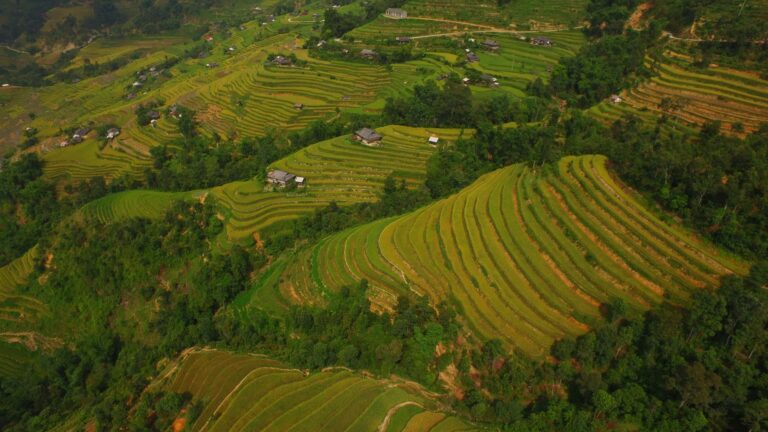
Vigan Heritage Travel Guide: Ilocos Beyond the Postcard
The gas lamps along Calle Crisologo flicker on at dusk, and something shifts. The day-trip crowds that packed the cobblestone street since morning, posing in rented baro’t saya against the kapis-shell windows, have thinned out. The kalesas have mostly clopped home. What is left is the street itself: brick and stone houses with their upper-floor shutters glowing amber, the scent of wood smoke and garlic from a kitchen somewhere behind a heavy door, and the particular silence of a place that has been standing since the 16th century. This is when Vigan tells its story better than any museum could.
I have walked Calle Crisologo at noon and at night, and I can tell you the night walk is the one that stays with you. The souvenir stalls are still open, sure, and the horse-drawn carriages still clatter past, but the atmosphere drops to something closer to what this street might have felt like two hundred years ago. If you are planning a heritage trip to the Ilocos region, this Vigan heritage travel guide is written for you: travellers who want the real experience beyond the Instagram shots, and who want to turn a day stop into a proper multi-day Ilocos coastal route through Laoag, Paoay, and Pagudpud.
Most people blow through Vigan in four hours. They walk Calle Crisologo, buy an empanada, take photos, and leave. That is a mistake. Vigan rewards the traveller who stays past sunset, who eats where the locals eat, who follows the coast north into Ilocos Norte where the heritage deepens and the landscape opens up into windmill-lined coastlines and white-sand coves. This guide covers the full arc, from Vigan’s Spanish colonial heart to the northern edge of Luzon.
The History Of Vigan
Vigan is the best-preserved example of a planned Spanish colonial town in Asia. That is not my phrasing. That is the language UNESCO used when it inscribed the Historic City of Vigan on the World Heritage List in 1999, recognizing it as a unique fusion of Asian building design and European colonial architecture with no parallel anywhere in East or Southeast Asia.
The story begins in 1572, when Spanish conquistador Juan de Salcedo arrived at the Abra River delta and founded a settlement he called Villa Fernandina. The area was already a trading post, with Chinese merchants exchanging goods with Ilocano communities long before the Spanish showed up. Salcedo made it his capital as Lieutenant Governor of the entire Ilocos region, and for the next three centuries, Vigan ranked third in political and economic significance among all Spanish-founded cities in the Philippines, behind only Manila and Cebu.
What makes Vigan architecturally distinct is the blending. The street grid follows the Renaissance plan specified in the Ley de las Indias, the Spanish crown’s urban planning code for all new colonial towns. But in the Mestizo District, where affluent families of Chinese-Ilocano descent settled, the Latin tradition gets tempered by Filipino and Chinese influences. The two-storey houses are built of brick and wood with steeply pitched roofs that echo traditional Chinese architecture. The upper-floor walls are enclosed by sliding window panels made of kapis shells, a material that diffuses light beautifully and ventilates in tropical heat. There are 233 historic buildings tightly strung along a grid of 25 streets, most built between the mid-18th and late 19th centuries.
Vigan also played a role in Philippine resistance. It was the center of the Basi Revolt of 1807, when Ilocanos rebelled against the Spanish monopoly on basi, the fermented sugarcane wine that is still made in the region today. Diego Silang and his wife Gabriela led an Ilocos revolt in 1762 to 1763. Fr. Jose Burgos, whose martyrdom helped polarize the revolution against Spain, was born here. The city was also a hub for the Manila-Acapulco galleon trade, supplying thick hand-woven cotton textile that sailors prized as the most durable sailcloth available for the Pacific crossing.
What this history means for a visitor is that Vigan is not a theme park. It is a living city where the colonial fabric survived World War II, postwar economic decline, and the slow erosion that claimed most other Spanish-era towns in the Philippines. Walk into the Mestizo District and you are walking through a place that looks much the way it did when Chinese-Ilocano merchants ran trading houses on the ground floors and lived with their families above. That continuity is rare, and it is the reason Vigan matters.
Best Things To Do In Vigan
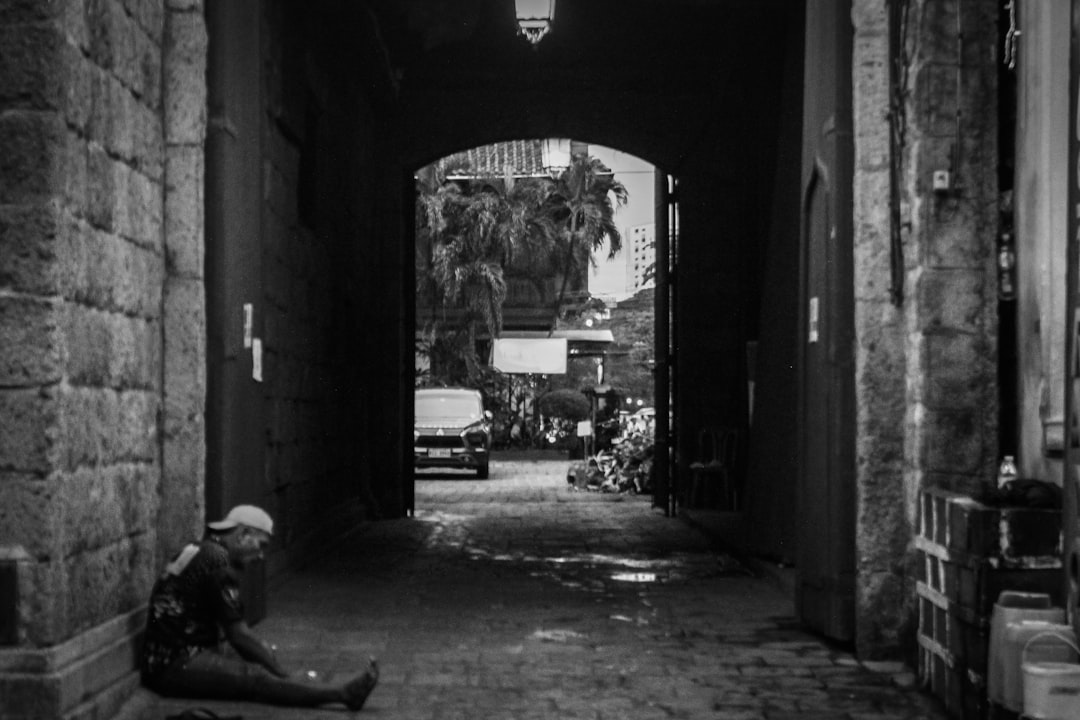
The honest truth: some of Vigan’s most hyped attractions are underwhelming, and some of its best experiences are barely promoted at all. Here is how I would spend your time, starting with the headline acts and moving toward the things that actually stay with you.
Tourist Attractions: Calle Crisologo, Plazas, And Museums
Calle Crisologo is the obvious starting point and it deserves the attention, but timing is everything. Walk it at 7 AM when the street is empty and shopkeepers are sweeping their doorways, or after 8 PM when the day-trippers have gone and the gas lamps do the heavy lifting. Midday is the worst time: hot, crowded, and dominated by people in rented colonial costumes blocking the street for photos. The street itself is a genuine architectural marvel. The cobblestones, the brick-and-wood facades, the kapis-shell windows glowing in low light. Take your time and look up. The ground floors are commercial, but the upper storeys are where the architectural detail lives.
Plaza Salcedo and Plaza Burgos form an L-shaped open space at the heart of the heritage district. Plaza Salcedo, the longer arm, has a dancing fountain show in the evening that draws families and is honestly more charming than I expected. The fountain is free to watch, and the backdrop of the Vigan Cathedral (St. Paul’s Metropolitan Cathedral) lit up at night is genuinely striking. Plaza Burgos, the shorter arm, is where you find the food stalls and the local pace of evening life.
The Syquia Mansion Museum is the one museum I would prioritize. It was the residence of Don Florentino Syquia, a Chinese-Ilocano merchant, and it has been preserved with original furniture, period rooms, and a sense of how the wealthy mixed-blood elite actually lived. It gives context to the facades you see on the street. The Padre Burgos Museum, dedicated to Fr. Jose Burgos, is smaller but worth a quick visit if you are interested in the secularization movement that helped spark the Philippine Revolution.
What I would skip or downplay: the Bantay Bell Tower is often listed as a must-do, and while the red-brick belfry is photogenic and offers a good view over the town, it is a 10-minute stop at most and gets crowded with photo groups. The tower sits in neighboring Bantay town, not Vigan proper. Go early or skip it if your time is short. The heritage river cruise along the Mestizo River is pleasant but not essential. The river has silted over the centuries and the scenery is more rural than dramatic.
Cultural Experiences: Pottery, Weaving, And Kalesa Rides

Pagburnayan is the traditional pottery district, and this is where you see the craft that gave Vigan its name. The word “Vigan” comes from “bigaa,” a giant taro plant that grew along the riverbanks, but the city is equally defined by its burnay, the unglazed earthenware jars made from local clay and fired in wood-fed kilns. These jars were used for fermenting basi and storing rice, salt, and fish paste. You can watch potters working the kick wheel, and some workshops let you try it yourself. The jars are still used today, not just sold as souvenirs, which makes the experience feel authentic rather than performative.
Abel weaving is the other living craft. Abel is the traditional Ilocano handwoven cloth, made on pedal looms, and it has been produced in the Ilocos region for centuries. In Vigan, you can visit weaving workshops where women work the looms and produce blankets, table runners, and fabric by the yard. The patterns are geometric and earth-toned, and the cloth is genuinely durable. Buy directly from the weavers if you can. The markup in the Calle Crisologo souvenir shops is significant.
Nature: Kapurpurawan, Sand Dunes, And Kabigan Falls
Tourist Attractions: Paoay, Laoag, And The North Coast
If you are extending north into Ilocos Norte, the coastal route from Laoag to Pagudpud is about 91 kilometers of some of the most scenic driving in Luzon. The direct drive takes under two hours, but you should make a full day of it with stops. Here is the sequence I would follow.
Start in Laoag, the capital of Ilocos Norte. The Sinking Bell Tower is the landmark. It is a Spanish-era brick tower that has literally been sinking into the ground over the centuries, and it is a quick, free photo stop in the city center. The La Paz Sand Dunes, just outside Laoag, stretch along the coast and offer 4×4 rides and sand boarding. The dunes are a coastal desert landscape that feels surreal in the Philippines, and the sea breeze takes the edge off the heat.
Paoay is about 20 minutes south of Laoag, and the Paoay Church (Saint Augustine Church) is the reason to stop. It is a UNESCO World Heritage Site and the finest example of Earthquake Baroque architecture in the country. Construction began in 1694 and was completed in 1710, and the massive buttresses, some over a meter thick, were engineered to withstand the violent earthquakes that strike this region. The church looks like a fortress, and standing in front of it you understand why it has survived 300 years of seismic abuse. Also in Paoay: the Malacanang of the North, the former Marcos family presidential residence, which overlooks Paoay Lake and offers a window into that chapter of Philippine history.
Continuing north, the Bangui Windmills appear along the coast. These are the Ilocos Norte wind farm, rows of massive white turbines lining the shoreline, and they create one of the most distinctive coastal landscapes in the Philippines. It is a roadside stop, not a full-day activity, but the scale is impressive. The Cape Bojeador Lighthouse, built in 1892, sits on a hill overlooking the north coast and is still functional. The brick structure and the panoramic view of the Luzon Strait make it worth the short detour.
Kapurpurawan Rock Formation is a white limestone formation on the coast near Burgos, sculpted by wind and waves into smooth, flowing shapes. It is a short walk from the road and best photographed in the morning when the light is soft. The Patapat Viaduct, a winding elevated coastal road that hugs the mountainside above Pasaleng Bay, is the scenic climax of the north coast drive. It is often called the unofficial gateway to the Cagayan Valley, and the viewpoint from the road gives you the full sweep of coastline below.
Kabigan Falls, inland from Pagudpud, is a 120-foot cascade reachable via a roughly 1.7-kilometer trail through forest. The hike is easy and the pool at the base is cold and swimmable. It makes a good morning activity before hitting the beach in the afternoon.
Beaches And Islands: Pagudpud
Pagudpud is where the Ilocos coastal road ends and the beaches begin. Saud Beach is the main draw: a wide stretch of white sand and calm, clear water that is often compared to Boracay before the commercialization. It is quieter, cheaper, and less developed than Boracay, and the coastline faces north toward the Luzon Strait. Blue Lagoon, also known as Maira-ira Beach, is the more dramatic cove, framed by headlands with crystal-clear water. Both are genuinely beautiful and neither is overbuilt. If you have been island-hopping in Palawan, Pagudpud offers a different kind of beach experience: wide open, windy, and with a road-trip feel rather than a boat-hop feel.
Where And What To Eat And Drink In Vigan
Ilocano food is not a side note to the heritage experience. It is the heritage experience. The cuisine of this region is shaped by geography: a narrow coastal plain squeezed between the sea and the Cordillera mountains, with limited arable land and a tradition of making do with what grows. The result is a food culture built on pork, vinegar, garlic, fermented fish, and vegetables. It is bold, salty, sour, and unapologetically heavy. Eating your way through Ilocos is the most direct way to understand the culture that built these towns.
Vigan longganisa is the entry point. This is a pork sausage with a garlicky, tangy, distinctly savory profile, and it is nothing like the sweeter longganisa variants you find in Manila or the Visayas. Locals pronounce it “langgonisa,” and they have a festival for it every January. The flavor comes from coarse-ground pork, lots of garlic, Ilocos vinegar (sukang Iloko), and salt. The best version I had was not at a restaurant. It was at the Vigan Public Market, bought fresh from a stall and cooked to order at a carinderia next door, served with garlic fried rice and a runny fried egg. That is the Ilocano breakfast, and it costs less than a cup of coffee in Makati.
Bagnet is the Ilocano answer to lechon kawali: pork belly that is boiled, dried, and deep-fried twice until the skin puffs and shatters. The difference between bagnet and ordinary crispy pork belly is the double-fry, which creates a crunch that goes all the way through the fat layer. It is served with KBL, which stands for Kamatis, Bagoong, and Lasona: tomatoes, fermented fish paste, and shallots. You dip the bagnet into the KBL and the vinegar-sharpness of the bagoong cuts through the richness of the pork. This combination is the defining flavor of Ilocano cooking, and once you taste it, you understand the architecture of the cuisine.
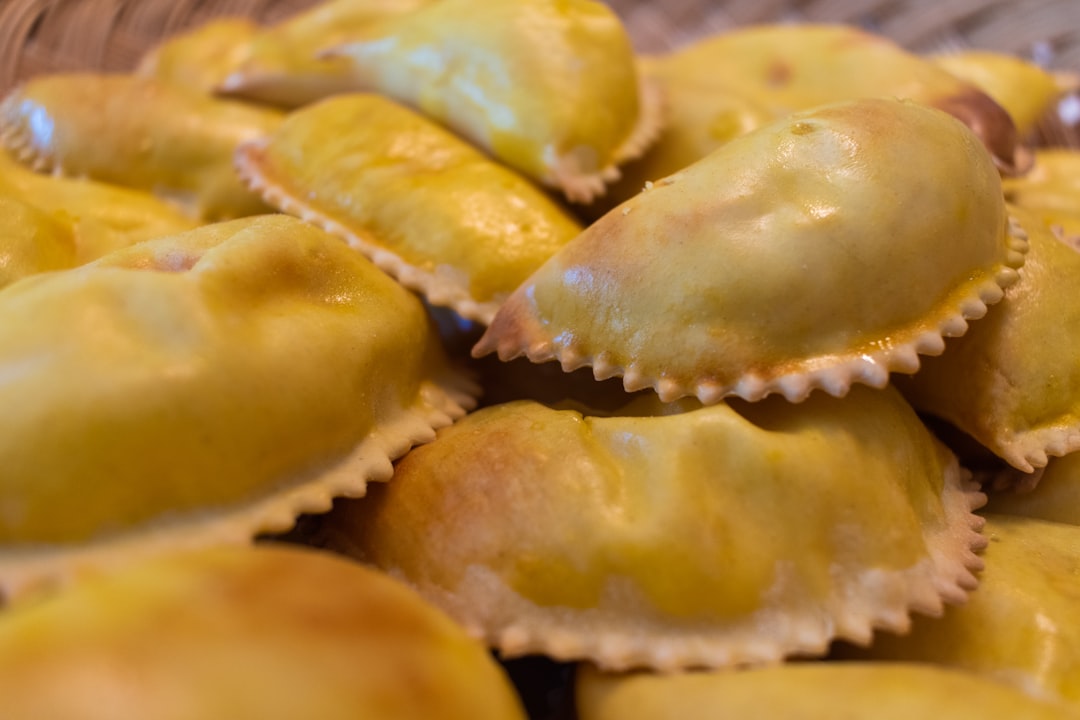
Vigan empanada is the street food I ate most. It is a deep-fried pastry with a bright orange shell made from rice flour colored with annatto (atsuete), stuffed with shredded green papaya, mung bean sprouts, a whole egg, and crumbled longganisa. It is crispy, greasy, and perfect. You eat it with your hands, dunked in spiced vinegar with chopped onions. The Vigan version is distinct from the Batac version (the next town north), and the rivalry between the two is taken seriously. The Vigan empanada has a thinner wrapper and a more delicate crunch. The Batac empanada is bigger, with a thicker, chewier shell and sometimes a double egg. I am Team Vigan, but you should taste both and decide for yourself.
Pinakbet is the Ilocano vegetable stew that most Filipinos know, but the authentic version here is different from what you get in Manila restaurants. Real Ilocano pinakbet uses bagoong isda (fermented fish paste, not shrimp paste), and it does not include squash (kalabasa). The vegetables are bitter melon, eggplant, string beans, tomatoes, and okra, stewed in the bagoong until the flavors collapse into each other. It is bitter, salty, and earthy, and it is the dish that best expresses the Ilocano palate. Order it with bagnet on top and you have the defining plate of Ilocano cooking.
Basi is the fermented sugarcane wine that caused a revolt in 1807, and it is still made in the Ilocos region. It is reddish-brown, slightly sweet, and low in alcohol, with a flavor somewhere between wine and a dark, funky cider. You can buy it bottled at the Vigan Public Market. It is an acquired taste, but drinking a glass of basi while sitting on a bench outside a heritage house at dusk is one of those small travel moments that makes you feel like you are actually somewhere, not just passing through.
Sinanglaw is a dish I only discovered on my second trip to Ilocos. It is a stew of beef innards, tripe, and liver simmered with bile and bile-juice, similar to papaitan but with its own character. The bitterness from the bile is balanced by vinegar and aromatics, and the result is a deeply savory, slightly bitter soup that is not for everyone but is genuinely rewarding if you lean toward adventurous eating. Look for it in carinderias in Laoag, where it is more common than in Vigan’s tourist restaurants.
Where To Eat: Beyond The Calle Crisologo Tourist Zone
The restaurants along Calle Crisologo serve competent Ilocano food at tourist prices, and some of them are fine. But if you want the real thing, you need to go where locals go. The Vigan Public Market is the single best eating location in the city. Stalls selling longganisa, bagnet, and empanada are packed side by side, and you can assemble a full Ilocano meal for a few hundred pesos. The market is also where you buy raw longganisa and bagnet to take home. Look for the stalls with queues of locals, not the ones with signs in English.
In Laoag, Saramsam is the restaurant I would send people to. It is run by a local who has been cooking Ilocano food with both traditional and creative approaches for years, and the pinakbet pizza, drizzled with bagoong isda instead of tomato sauce, is a genuinely inventive dish that works because the flavors are already Ilocano. In Batac, Glomy’s Empanada has been making the town’s signature empanada since 1983, and it is the benchmark against which all other Ilocos empanadas should be measured.
Shopping In Vigan
Shopping in Vigan falls into two categories: the tourist strip on Calle Crisologo and the public market. The Calle Crisologo shops sell woven products, pottery, longganisa, refried bagnet in vacuum packs, t-shirts, and the usual souvenir inventory. Prices are marked up 30 to 50 percent above what you pay at the market, but the convenience factor is real if you are short on time.
The Vigan Public Market is where you should buy food to take home. Vigan longganisa is the obvious pick, and you can buy it by the kilo, vacuum-sealed if you ask. Bagnet keeps well and travels. Basi is sold in bottles. Abel woven cloth is available at the market and at the weaving workshops, where buying direct puts more money in the weaver’s pocket. Burnay pottery from Pagburnayan makes a good, if heavy, souvenir. The large jars are impractical for air travel, but the smaller ones work as planters or decor.
Bars And Nightlife In Vigan
Vigan is not a nightlife destination, and that is part of its charm. The evening activity centers around Plaza Burgos and the dancing fountain show at Plaza Salcedo, which runs in the early evening and draws families and couples. A few bars and restaurants along Calle Crisologo and the surrounding streets serve beer and cocktails, and some heritage cafes stay open into the evening, but the scene winds down early. This is a city that goes to bed by 10 or 11 PM, and honestly, that suits the place. The best nightlife in Vigan is a walk down Calle Crisologo under the gas lamps, followed by a glass of basi on a bench somewhere quiet.
When Is The Best Time To Visit Vigan?
The best time to visit Vigan is during the dry season, which runs from November through April. Within that window, December through February is the sweet spot: rain is minimal, humidity is at its lowest, and the walking temperatures are genuinely comfortable. The wet season from May through October brings heavy rain, especially from July through September, when typhoons can disrupt travel plans and flood the low-lying streets.
January is the festival month. The Vigan Longganisa Festival celebrates the city’s signature garlicky sausage with cooking competitions, street dancing, and food stalls around Plaza Burgos. It coincides with the city’s patron saint fiesta honoring St. Paul the Apostle, and the whole heritage district fills with processions and cultural performances. It is the most alive the city feels all year, but it is also the most crowded. Book accommodation well in advance if you are coming during fiesta week.
The Guling-Guling Festival, held the day before Ash Wednesday, is a raucous local tradition where participants roll through the streets to mark the start of Lent. It is smaller and less touristy than the Longganisa Festival, and it gives you a glimpse of Ilocano Catholic folk tradition that feels more intimate.
| Period | Weather | Crowds | Best For |
|---|---|---|---|
| Nov to Feb | Dry, 17 to 30C, low humidity | High (peak in Jan for fiesta) | Best overall weather, festivals, heritage walks |
| Mar to Apr | Dry and hot, 23 to 34C | Moderate | Beach time in Pagudpud, fewer festivals |
| May | Hot, rains begin | Low to moderate | Shoulder season value, Vigan City Fiesta in May |
| Jun to Oct | Wet, 25 to 31C, typhoon risk | Low | Budget travel, but rain and typhoon risk high |
My recommendation: aim for late November through January if you want the best weather and the festival atmosphere. If you want fewer crowds and lower prices and can tolerate heat, March or April are solid, and they are the best months for the Pagudpud beaches. Avoid August and September unless you have no choice. If you are planning a wider northern Luzon trip, check out the Baguio travel guide for how to combine the Cordillera highlands with Ilocos.
How Many Days Do You Need In Vigan?
Two days in Vigan itself is the right amount. One day lets you see Calle Crisologo, the plazas, and one museum, but you will be moving fast and you will miss the evening atmosphere that defines the place. Two days gives you a morning walk, the museums, the pottery district, the market, and a full evening. But if you are traveling all the way to Ilocos, you should plan for four to five days and extend north into the coastal route through Ilocos Norte. Here is how I would structure the full trip.
Day 1: Vigan. Arrive from Manila by overnight bus (8 to 10 hours) or fly into Laoag and drive south to Vigan (about 2 hours). Settle in, walk Calle Crisologo in the late afternoon, watch the dancing fountain at Plaza Salcedo after dark, and eat longganisa and bagnet at a carinderia near the public market.
Day 2: Vigan. Morning walk through the Mestizo District before the crowds arrive. Visit the Syquia Mansion Museum and the Padre Burgos Museum. Go to Pagburnayan for pottery and a weaving workshop for abel cloth. Lunch at the public market. Afternoon: Bantay Bell Tower if you want the view, or just rest. Evening: Calle Crisologo under the gas lamps, dinner somewhere quiet, basi on a bench.
Day 3: Vigan to Laoag to Paoay. Drive north (about 1.5 to 2 hours from Vigan to Laoag). Stop at the Sinking Bell Tower and the La Paz Sand Dunes in Laoag. Continue to Paoay for the Paoay Church, Malacanang of the North, and Paoay Lake. Eat empanada in Batac on the way. Overnight in Laoag or Paoay.
Day 4: Paoay to Pagudpud via the north coast. Drive the coastal route north. Stop at the Bangui Windmills, Cape Bojeador Lighthouse, Kapurpurawan Rock Formation, and the Patapat Viaduct. Arrive in Pagudpud by afternoon. Spend the rest of the day at Saud Beach.
Day 5: Pagudpud. Morning hike to Kabigan Falls. Afternoon at Blue Lagoon (Maira-ira Beach). This is your wind-down day. If you are flying out, the Laoag Airport has flights to Manila, or you can take the overnight bus back south.
Where To Stay In Vigan
Where you stay in Vigan determines how you experience the city. The heritage district is compact and walkable, but the quality of accommodation varies wildly, and the best heritage hotels are not always the ones with the biggest online presence.
- Budget: Hostels and guesthouses on the edge of the heritage district, 500 to 1,200 pesos per night. Look for places along Bonifacio Street or near the public market. Basic but clean, and you are still walking distance to Calle Crisologo.
- Mid-range: Heritage-style hotels inside the Mestizo District, 1,500 to 4,000 pesos per night. These are converted ancestral houses or new builds designed to blend in. The trade-off is that some have thin walls and small rooms. Read recent reviews before booking.
- Splurge: Hotel Salcedo de Vigan or Ciudad Fernandina Hotel, 4,000 to 8,000 pesos per night. These are the established names for heritage-style accommodation with proper amenities. If you want to sleep inside a restored colonial building without sacrificing comfort, this is the tier.
- Coastal option: In Pagudpud, beachfront resorts and guesthouses line Saud Beach and Blue Lagoon, 800 to 5,000 pesos per night depending on standard. The Blue Lagoon area tends to be pricier and more isolated. Saud Beach has more options at all budget levels.
Book well in advance for January (Longganisa Festival and city fiesta) and December (Christmas and New Year, when Filipino families return to hometowns). These are peak periods and prices double.
How Do You Get Around In Vigan?
Within the Vigan heritage district, walking is the only sensible option. The core is compact, flat, and pedestrian-friendly. Kalesas (horse-drawn carriages) operate as a tourist experience more than practical transport, and while the clip-clop atmosphere is undeniably charming, you do not need one to get around. If you do take a kalesa, negotiate the price and duration before you board. Most rides cover a loop of the heritage district and last 30 to 45 minutes.
Tricycles are the standard local transport for short trips outside the heritage core, with fares starting at around 15 pesos for short rides. For getting between Vigan, Laoag, Paoay, and Pagudpud, you have a few options.
Bus: Partas Bus Lines and Farinas Transit operate regular buses connecting Vigan, Laoag, and points north. The Vigan to Laoag bus ride takes about 1.5 to 2 hours and costs roughly 70 to 100 pesos. From Laoag, buses and vans run to Pagudpud, taking about 1.5 to 2 hours. This is the budget option and works fine if you are not in a hurry.
Van rental or private car: If you are doing the full coastal route with multiple stops (Bangui Windmills, Cape Bojeador, Kapurpurawan, Patapat Viaduct, Pagudpud), a rented van with driver is the most practical option. The attractions are spread out along the coast and public transport between them is limited. A day van rental from Laoag covering the north coast loop costs roughly 3,000 to 5,000 pesos depending on group size and itinerary. Split among 4 to 6 people, it is very reasonable.
Self-drive: If you are an experienced driver, self-drive car rental is available in Laoag and Vigan. The roads along the coastal route are generally in good condition, well-paved, and scenic. The Patapat Viaduct section is winding but manageable. Carry cash, because remote coastal stalls and small eateries rarely accept cards or e-wallets. Download offline maps, as cell signal is patchy north of Bangui.
Getting to Vigan from Manila: The overnight bus is the standard route. Partas Bus Lines operates from terminals in Cubao (Quezon City) and Pasay, with multiple daily departures including overnight luxury and sleeper options. Fares range from roughly 700 pesos for regular aircon to 1,400 pesos for luxury class, and travel time is 8 to 10 hours depending on traffic. Dominion Bus Lines and Farinas Transit also run the route. Book ahead for weekends, holidays, and the Christmas season, because buses sell out. If you are starting your trip in Manila, the Manila travel guide covers how to navigate the capital and plan your onward journey north.
Conclusion
Vigan is the kind of place that rewards the traveller who slows down. The Instagram shots of Calle Crisologo are accurate, as far as they go, but they miss the thing that makes Vigan worth the long bus ride north: the gas-lamp silence at night, the garlic-and-vinegar bite of longganisa at the public market, the feel of burnay clay on your hands at a pottery workshop, and the centuries of trade, resistance, and cultural fusion baked into every brick wall in the Mestizo District.
Extend the trip north. The coastal route through Laoag, Paoay, and Pagudpud turns a heritage day trip into a proper Ilocos road trip, and the landscape shifts from colonial grid streets to windmill-lined coastlines to white-sand coves at the edge of Luzon. Four to five days is enough to do it right. Eat the bagnet with KBL. Walk Calle Crisologo at night. Stand in front of the Paoay Church buttresses and feel the weight of three centuries of earthquakes they have absorbed. Then drive to Pagudpud and let the wind off the Luzon Strait remind you that you are at the top of the Philippines, and the road ends here.
Have you been to Vigan? Did you stay for the night walk, or did you pass through on a day trip? Drop your tips in the comments. I would love to hear your experience and adjust this guide accordingly. And if you are planning a wider northern Luzon trip, check out the Baguio travel guide for how to combine the Ilocos coast with the Cordillera highlands.
Frequently Asked Questions
How many days do you need in Vigan?
Two days in Vigan itself lets you see Calle Crisologo at dawn and night, the museums, the pottery district, and the public market without rushing. If you are extending north to Laoag, Paoay, and Pagudpud, plan four to five days total for the full Ilocos coastal route.
What is the best way to get from Manila to Vigan?
The overnight bus is the standard route. Partas Bus Lines operates from Cubao and Pasay terminals with fares from roughly 700 to 1,400 pesos depending on class. Travel time is 8 to 10 hours. Dominion and Farinas Transit also run the route. Book ahead for weekends and holidays.
What is the best time to visit Vigan?
The dry season from November to April is the best time, with December through February offering the most comfortable weather. January brings the Longganisa Festival and city fiesta, which are worth experiencing but require booking accommodation well in advance.
Is Calle Crisologo worth visiting?
Yes, but timing matters. Walk it early morning before the crowds or after 8 PM when the gas lamps are on and the day-trippers have left. Midday is hot, crowded, and dominated by photo groups, so avoid it if you want to actually experience the street rather than just photograph it.
What Ilocano food should you try in Vigan?
Vigan longganisa, bagnet with KBL (tomatoes, bagoong, shallots), Vigan empanada, authentic pinakbet with bagoong isda, and basi, the fermented sugarcane wine. The best food is at the Vigan Public Market and local carinderias, not the tourist restaurants on Calle Crisologo.