Baguio Travel Guide: Gateway to the Cordillera
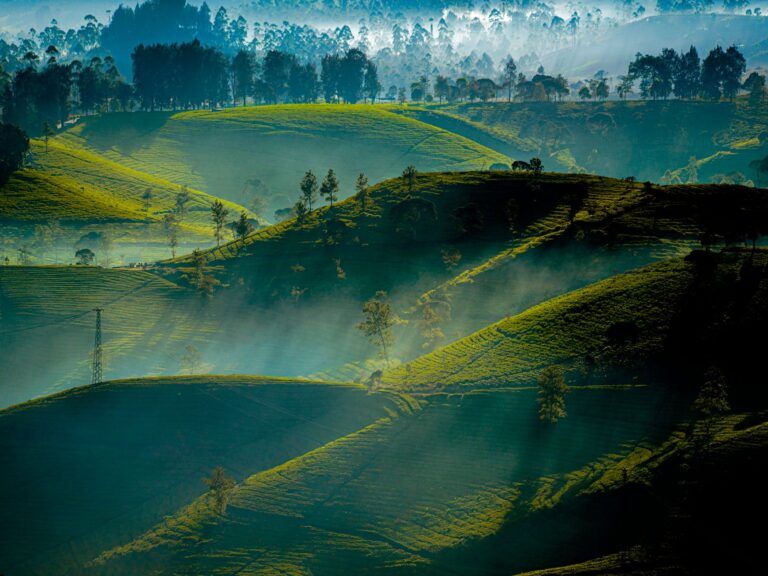
You step off the bus in Baguio and the air hits you like a wall of something you forgot existed: cool. Not air-conditioned cool, not “slightly less hot than Manila” cool. Genuinely, genuinely cold, the kind that makes you reach for a jacket you have not worn in months. After weeks in the lowland Philippines heat, where 35 degrees and 90 percent humidity is just Tuesday, arriving in Baguio feels like stepping through a door into a different country. The pine trees do not look like they belong in Southeast Asia. The fog rolling off the hillsides does not either. And the locals walking past you in scarves and beanies drive home the point: you are 1,500 meters above sea level, and the rules have changed.
This Baguio travel guide is written for two kinds of travellers: Manila residents escaping the heat for a long weekend, and international visitors using Baguio as a launchpad for the Cordillera region, specifically Sagada, Banaue, and the Mountain Province. Because that is what Baguio does best. It is not just a destination in its own right. It is the gateway, the transit hub, the acclimatization stop between lowland Philippines and the highland Cordillera. Most travellers pass through Baguio on their way to somewhere else, and the smart ones give it a day or two before pushing on.
I have been through Baguio multiple times, sometimes stopping for a few days, sometimes just transiting through on the way to Sagada. This guide covers what I have learned: the best bus options from Manila, how to arrange onward transport to Sagada and Banaue, where to stay, what to eat beyond the tourist restaurants on Session Road, and the real road conditions on the Cordillera routes that nobody warns you about until you are on a bus clinging to a mountainside in fog.
The History Of Baguio
Baguio exists because of the American colonial period, full stop. Before 1900, this was Kafagway, a scattered settlement of Ibaloi communities practicing agriculture and gold panning in the hills of Benguet. The Spanish never fully controlled the Cordillera highlands in 300 years of colonial rule. The Americans took a different approach.
In 1903, American architect Daniel Burnham was commissioned to design a planned city in the highlands as a summer capital for the new colonial government. The idea was simple: American officials stationed in Manila were dying of heat and disease, particularly cholera and malaria, and they needed a sanatorium. Baguio, with its year-round temperatures of 15 to 23 degrees Celsius, was the answer. Burnham laid out a city of wide boulevards, parks, and government buildings modeled on American city planning, and by 1909, Baguio was officially chartered as the Summer Capital of the Philippines.
The Americans built Camp John Hay as a rest and recreation facility for military personnel, established teachers’ camps to train Filipino educators in the American system, and laid the infrastructure that still shapes the city today: Kennon Road, the winding mountain highway that climbs from the lowlands to Baguio, was built between 1901 and 1905, largely by Japanese and Filipino laborers, and it remains one of the most dramatic road entries into any city in the Philippines.
What this history means for a visitor today is that Baguio feels architecturally and culturally different from anywhere else in the country. The American colonial imprint is visible in the layout, the pine forests, the architecture, and the culture. It is a city that was designed rather than organically grown, and that tension between planned order and organic Filipino chaos is part of what makes Baguio interesting. The other part is that it sits at the threshold of the Cordillera, the mountain range that is home to the Igorot peoples, the Banaue Rice Terraces, and some of the most dramatic landscapes in Southeast Asia. Baguio is where lowland Philippines meets highland Cordillera, and you feel that transition the moment you arrive.
Best Things To Do In Baguio
If you are stopping in Baguio before pushing on to Sagada or Banaue, you probably have one or two full days to explore the city. Here is how I would spend them, broken down by what Baguio actually does well.
Tourist Attractions: Burnham Park, Session Road, And The City Center
Burnham Park is the geographic and emotional center of Baguio. Designed by Daniel Burnham himself, it is a 32-hectare green space with a man-made lagoon where you can rent swan boats for a few pesos, bike rentals along the perimeter, and open lawns where local families gather in the afternoons. It is not a pristine park, but it is the place where Baguio’s pace is most visible. On a weekday morning, you will see joggers, dog walkers, and students cutting through on their way to class. On a weekend, it is packed. Walk through it once. Rent a boat if you want. Then head to Session Road.
Session Road is Baguio’s main commercial artery, a sloping kilometer of shops, restaurants, bakeries, and cafes that climbs from Burnham Park up toward the upper part of the city. This is where you come to eat, to buy pasalubong (souvenirs to take home), and to feel the city’s energy. The street is especially good in the late afternoon and evening, when the temperature drops, the lights come on, and the whole strip takes on a different character. The Baguio Cathedral sits at the top of Session Road on a hill, and it is worth the climb for the view back down over the city.
Nature: Mines View Park And Camp John Hay
Mines View Park is exactly what the name suggests: a viewpoint overlooking the Amburayan Valley and the old mining town of Itogon. The observation deck gives you a panoramic look at the mountainous landscape that surrounds Baguio, and on a clear day, you can see ridgeline after ridgeline fading into haze. The park itself is touristy, with souvenir stalls and vendors selling strawberry wine and peanut brittle, but the view is genuinely good, and it is a convenient way to orient yourself geographically to the Cordillera before you head deeper into it.
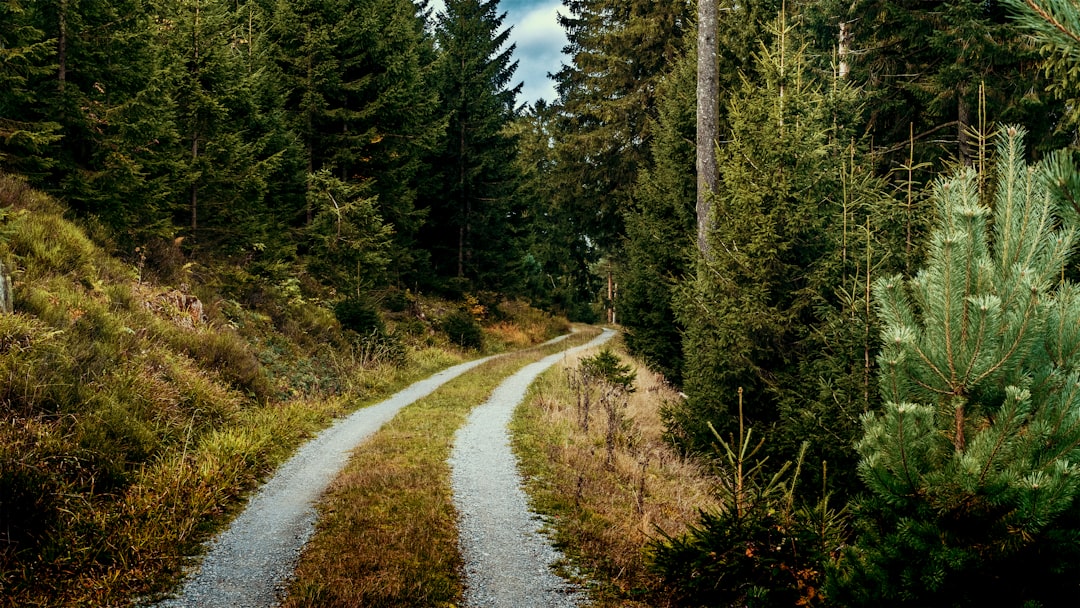
Camp John Hay is the former American military base turned nature reserve and recreational complex. It has pine forest trails, a golf course, a zip line, and some of the best preserved pine forest in the city. The Eco Trail is a gentle walk through towering Benguet pines, and it is where you go to understand why the Americans chose this place as a sanatorium. The air smells like pine resin and cold earth, and the temperature inside the forest is noticeably cooler than the city center. The Lost Cemetery of Negativism, a quirky art installation burying “the world’s negativism,” is a fun five-minute detour inside the camp.
Cultural Experiences: Tam-awan Village And The Botanical Garden
Tam-awan Village is a reconstructed traditional Cordilleran village on the outskirts of Baguio, built from authentic Igorot huts relocated from across the Mountain Province. It functions as a living museum and art gallery, with works by Cordilleran artists displayed in the huts, traditional weaving demonstrations, and cultural performances on weekends. If you are heading to Sagada or Bontoc, Tam-awan is a good primer on the indigenous cultures you will encounter deeper in the Cordillera. If you are not going further than Baguio, it is your best chance to engage with Cordilleran heritage without leaving the city.
The Baguio Botanical Garden, located near Wright Park and The Mansion (the official summer residence of the Philippine President), is a landscaped garden showcasing Cordilleran plants, themed sections, and cultural displays. It is quieter than Burnham Park and less commercial than Mines View, making it a good morning walk. The Japanese Tunnels, dug during the WWII Japanese occupation, are accessible from inside the garden and are a sobering reminder that this city saw wartime occupation.
Theme Parks And Adventures: Wright Park And The Night Market
Wright Park, adjacent to The Mansion, is where you go for horseback riding in Baguio. The park has a long reflecting pool leading up to The Mansion’s grand gate, and a paddock area where you can rent horses by the ride. It is touristy and a bit kitschy, but if you are traveling with kids, it is a reliable half-hour activity. The horse handlers are mostly local Igorot families who have been running this service for generations.
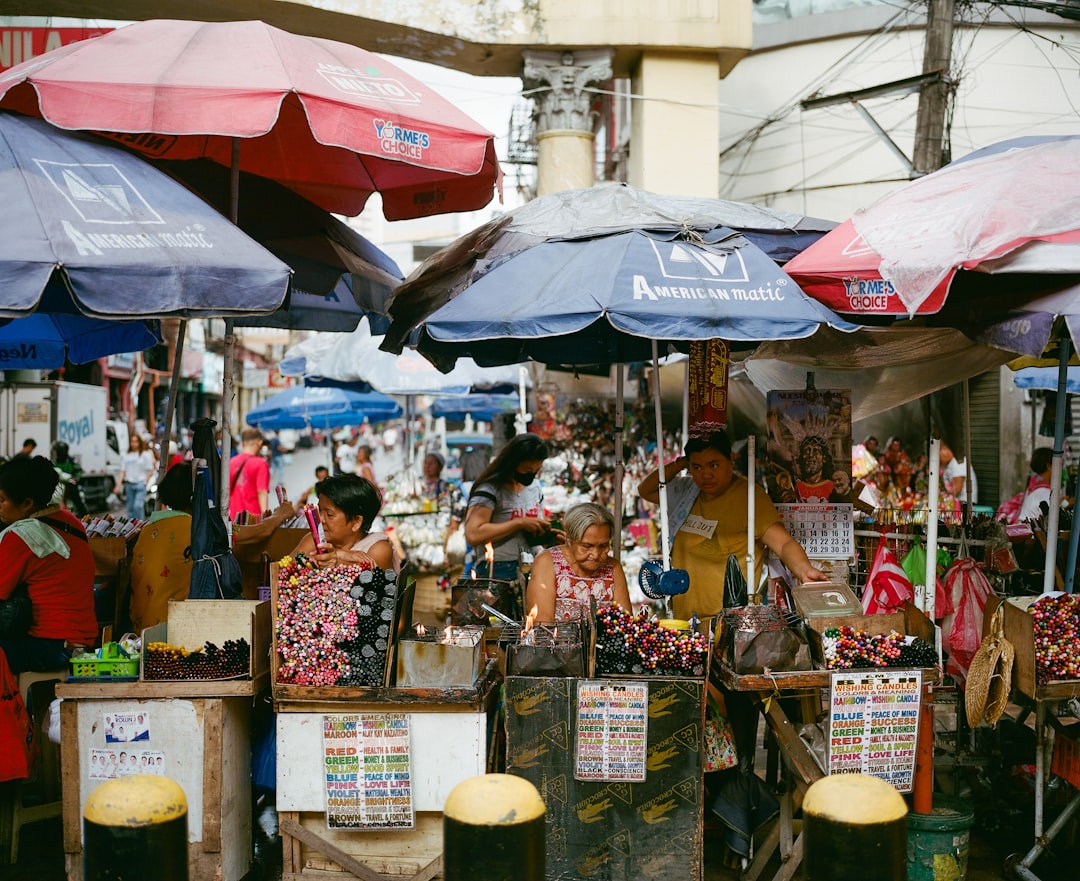
The Harrison Road Night Market is Baguio’s most reliable evening activity. Every night from roughly 6 PM to midnight, Harrison Road transforms into a street bazaar selling secondhand clothes (ukay-ukay), accessories, local food, and souvenirs. The ukay-ukay scene is genuine, not a tourist show. Baguio has been a hub for imported secondhand clothing for decades, and you can find everything from Korean winter coats to American denim at prices that start at ₱20 per piece. Come with cash, small bills, and patience for haggling.
Where And What To Eat And Drink In Baguio
Baguio’s food culture is shaped by two things: the cool highland climate that allows crops you cannot grow in the lowlands, and the city’s position as the commercial hub of the Cordillera. The result is a food scene that is distinct from Manila or the coastal Philippines, with ingredients and dishes that reflect the mountain environment.
Must-Try Local Specialties
Strawberry taho is the most iconic Baguio street food. Taho is warm silken tofu served with syrup, and in Baguio, the brown sugar syrup is replaced or supplemented with fresh local strawberries and their syrup. You will hear vendors calling out “strawberry taho!” along Session Road and in Burnham Park from early morning. It costs about ₱50 to ₱80 per cup, and it is worth every peso. The strawberries are small, intensely sweet, and nothing like the commercially grown berries you find in Manila supermarkets.
Ube halaya is purple yam jam, cooked down with milk and sugar until it reaches the consistency of thick paste. In Baguio, the ube is grown in the surrounding mountain soil, and the flavor is deeper and less sweet than commercial ube products. The best-known source is Good Shepherd, a convent along Session Road that has been selling ube jam, strawberry jam, and peanut brittle for decades. There is always a queue, and they frequently sell out by afternoon. Go early.
Kiniing is Cordilleran smoked pork, similar to the Ilocano binagoongan but distinct to the Mountain Province. It is pork cured and smoked over a wood fire until it is dark brown, almost black, and it has a deep, smoky, salty flavor that is used in soups and stews or eaten on its own with rice. You can buy it at the Baguio Public Market, wrapped in newspaper. Pinuneg is a traditional Igorot blood sausage, also available at the market, that is worth trying if you are adventurous.
Where To Eat Beyond The Tourist Restaurants
The Slaughter Compound, near the public market, is where local eaters go for the best meat dishes in Baguio. It sounds unappealing, but the name comes from the city’s main slaughterhouse being nearby, and the area is full of carinderias (Filipino cafeteria-style eateries) serving Cordilleran and Ilocano cooking. Balajadi Kitchenette is the standout: a no-frills eatery serving bulalo (beef marrow soup), papaitan (bitter innards stew), inihaw na liempo (grilled pork belly), and the infamous Soup No. 5, a dish made from bull parts that is believed to be an aphrodisiac. This is where you eat if you want authentic highland food, not tourist food. A full meal here costs ₱150 to ₱300.
For sit-down meals, Vizco’s Restaurant along Session Road is famous for its strawberry shortcake, which lives up to the hype. Jack’s Restaurant serves Cordilleran-style rice meals, particularly the Jack’s Rice (rice with pork chop, chicken, fried egg, and chop suey), which is a local institution. For a quieter experience, Arca’s Yard on Tiptop Road serves Cordilleran coffee and strawberry taho with a panoramic view over the valley, which is worth the tricycle ride from the city center.
Coffee Culture In Baguio
The highlands around Baguio, particularly Atok and Sagada, grow some of the best arabica coffee in the Philippines. The high altitude and cool temperatures slow the ripening of the coffee cherries, which produces beans with bright acidity and layered flavor profiles: citrus, floral, chocolate, and nut notes depending on the variety and processing. This is not the burnt, bitter barako coffee you find in lowland Philippines. Baguio’s coffee culture has grown significantly in recent years, with cafes along Session Road and its side streets proudly labeling their beans as Benguet, Atok, or Sagada single-origin.
Cafe Yagam, tucked into a side alley off Session Road, is one of the best places to try Cordilleran coffee in a proper setting. They serve pour-over and espresso drinks using locally roasted beans, and the atmosphere is warm and unhurried. For a more casual experience, the Baguio Public Market has stalls selling ground Benguet and Sagada coffee in plastic bags for a fraction of the cafe price. Buy some to take home.
If you are planning a wider Philippines trip, check out the Manila Philippines travel guide for how to navigate the capital before heading north, or the El Nido Palawan travel guide if you are combining the Cordillera with Palawan.
Shopping In Baguio
Shopping in Baguio means two things: the public market and the night market. The Baguio City Public Market, located at the lower end of Session Road, is the commercial heart of the highland region. This is where fresh strawberries, ube, mountain vegetables (sayote, Baguio beans, pechay), dried fish, Cordilleran coffee, woven products, and kiniing change hands. The market is dense, chaotic, and authentic, and it is the best place to buy pasalubong. Good Shepherd, on the road up from the market, is the most reliable source for ube jam and strawberry jam, though the queues can be long.
For woven goods, silvercraft, and wood carvings, the market has a section dedicated to Cordilleran crafts. You can find handwoven bags, baskets, and textiles made by Igorot weavers, as well as silver jewelry from the mining towns of Benguet. Prices are negotiable on non-food items, and haggling is expected. If you want fixed prices and no haggling, the Kultura Filipino stores inside SM Baguio (the main mall, near the city center) stock curated Filipino products, but you will pay a premium.
The Harrison Road Night Market is the other shopping experience, and it is as much about the atmosphere as the goods. Ukay-ukay (secondhand clothing) is the main draw, with stalls selling imported jackets, sweaters, jeans, and shoes at rock-bottom prices. Baguio is the ukay-ukay capital of the Philippines because the cool climate makes winter clothing genuinely useful, not just a novelty. You can build an entire cold-weather wardrobe here for under ₱1,000 if you are patient. Bring cash and small bills.
Bars And Nightlife In Baguio
Baguio’s nightlife is modest compared to Manila or Boracay, and that is part of the appeal. The cool evening air makes sitting outside with a drink genuinely pleasant in a way that the lowland Philippines cannot match. The main nightlife cluster is along Session Road and the surrounding side streets, where bars and restaurants stay open until midnight or 1 AM.
The night market on Harrison Road doubles as an evening social scene, and many people end their night there after dinner. For a sit-down drink, 50’s Diner along Session Road is a retro-themed spot that serves cheap beer and comfort food in a nostalgic American-diner setting. For something more contemporary, several craft beer bars and cocktail spots have opened in recent years, particularly around the Legarda Road area. A beer runs ₱60 to ₱120, and a cocktail runs ₱200 to ₱400.
If late-night drinking is a priority, you are in the wrong city. Baguio winds down early, and the cool weather tends to make people sleepy rather than rowdy. Most travellers I have met here are in bed by midnight because they are waking up early for a bus to Sagada. Plan accordingly.
When Is The Best Time To Visit Baguio?
Baguio has a cool dry season from November through March, a warm dry season from March through May, and a wet season from June through October. The difference matters more here than in most Philippine destinations, because the mountain roads to the Cordillera, including the route to Sagada, become genuinely dangerous during heavy rain.
January is the coldest month, with nighttime temperatures dropping to 10 to 15 degrees Celsius and daytime highs around 20 degrees. February brings the Panagbenga Festival, Baguio’s annual flower festival, which runs for several weeks and includes grand street parades and float processions that draw over 100,000 visitors. It is spectacular and exhausting: the city is at its most crowded, hotel rates triple, and traffic is gridlocked. Go for Panagbenga if you want the festival experience. Avoid it if you want quiet.
March through May is the “summer” season when Manila residents flee the heat and descend on Baguio in force. Holy Week is the single busiest period of the year, and the city is genuinely unpleasant during Easter weekend. October and November are the sweet spot: the rains have eased, the air is cool and clear, the crowds are thin, and accommodation rates are reasonable.
| Period | Weather | Crowds | Best For |
|---|---|---|---|
| Nov to Feb | Cool and dry, 10 to 23C | High (peak in Feb for Panagbenga) | Best overall weather, cool mountain air |
| Mar to May | Warm and dry, 15 to 26C | Very high (Holy Week is peak) | Summer escape from Manila heat |
| Jun to Aug | Wet, foggy, 15 to 22C | Low | Budget travel, but road risks high |
| Sep to Oct | Rains tapering, clearing skies | Low to moderate | Shoulder season value, improving roads |
My recommendation: aim for late October through November if you want the best balance of cool weather, clear roads, and manageable crowds. January is ideal if you want the coldest temperatures and can avoid Panagbenga weekend. Avoid Holy Week entirely unless you enjoy traffic jams and fully booked hotels.
How Many Days Do You Need In Baguio?
Two full days in Baguio is the sweet spot for most travellers. This gives you enough time to explore the city center (Burnham Park, Session Road, the cathedral, the public market), visit one or two viewpoints (Mines View, Camp John Hay), eat well, and arrange your onward transport to Sagada or Banaue without rushing. If you are purely transiting, one day is enough to get a feel for the city and buy pasalubong, but you will be moving fast.
Here is how I would structure a two-day Baguio stopover as a launchpad for the Cordillera:
Day 1: Arrive from Manila (5 to 6 hours by bus). Settle into your accommodation. Walk Session Road in the late afternoon, grab strawberry taho from a street vendor, and have dinner at one of the restaurants along Session or near Burnham Park. Evening at the Harrison Road Night Market for ukay-ukay and street food.
Day 2: Morning walk through Burnham Park and the Botanical Garden. Visit Mines View Park and Wright Park in the mid-morning. Lunch at the Slaughter Compound for authentic Cordilleran food. Afternoon: buy your onward bus ticket to Sagada (GL Trans, at the Centermall or Magsaysay terminal) or Banaue (Ohayami Trans, at Governor Pack Road). Evening: coffee at a Session Road cafe, early bed before your early bus departure.
Day 3: Early morning departure to Sagada (5 to 6 hours by bus) or Banaue (8 hours by overnight bus). For Sagada, take the earliest GL Trans bus you can get, because seats sell out and the buses do not have online booking. For Banaue, Ohayami Trans departs at 7:30 PM and arrives at 3:30 AM, so you can use the full day in Baguio before boarding.
Where To Stay In Baguio
Where you base yourself in Baguio matters because the city is hilly, traffic can be heavy, and walking uphill at 1,500 meters elevation is more tiring than you expect. Here is how I would break down the options across budgets.
The downtown area around Session Road and Burnham Park is the most convenient base for most travellers. You are walking distance to the public market, the cathedral, most restaurants and cafes, and the jeepney terminals for onward transport. Budget hostels and guesthouses cluster along Assumption Road and Governor Pack Road, with dorm beds from ₱350 to ₱600 per night and private rooms from ₱800 to ₱2,000. The downside is noise: Session Road and the surrounding streets are busy from early morning to late at night.
- Budget: Hostels and transient houses near Session Road and Assumption Road, ₱350 to ₱1,500 per night. Casa Vallejo and Baguio Hostel are reliable budget picks within walking distance of the city center.
- Mid-range: 3-star hotels near Burnham Park and along South Drive, ₱1,800 to ₱4,500 per night. Hotel Elizabeth and Azalea Reservations offer solid value and are quieter than downtown.
- Splurge: The Manor at Camp John Hay, ₱5,000 and up per night. This is the clearest luxury address in Baguio, set in pine forest with a cozy mountain-lodge feel. If you want a memorable stay, this is it.
- Quiet alternative: Teachers Camp and the Botanical Garden area, ₱800 to ₱2,000 per night. This is a heritage campus with budget accommodations in a pine-forest setting, removed from tourist infrastructure but still inside city limits.
How Do You Get Around In Baguio?
Getting From Manila To Baguio
The bus is the standard way to get from Manila to Baguio, and the journey takes 5 to 6 hours depending on traffic and the class of bus. Victory Liner is the most established operator, with buses departing from their terminals in Pasay and Cubao roughly every two hours, 24 hours a day. Regular aircon buses cost around ₱743, deluxe buses around ₱858, and first-class buses with reclining seats around ₱1,200. Victory Liner allows online booking through their website, which I recommend during peak season because buses sell out.
JoyBus, the executive-class service of Genesis Transport, is the premium option. Their Premiere and Executive buses feature lazy-boy reclining seats, blankets, snacks, and an onboard stewardess. Fares run from ₱970 to ₱1,035 depending on the class and departure point. JoyBus departs from Avenida, Cubao, and Pasay, and can be booked online through iWantSeats or PinoyTravel. If you want to arrive in Baguio rested, this is the bus to take, particularly the overnight trips that depart Manila around 10 PM to midnight and arrive in Baguio at 5 to 6 AM.
Solid North is a newer entrant on the Manila-Baguio route with competitive fares starting around ₱450 for regular aircon buses. They are worth comparing with Victory Liner if you are flexible on timing and looking for value. All buses arrive at the central terminal area near the public market and SM Baguio.
Onward Transport To Sagada
Getting from Baguio to Sagada is straightforward but requires planning, because the buses do not have online booking and seats sell out. GL Trans (also known as George Line) operates the route from the Centermall terminal on Magsaysay Avenue. As of early 2026, GL Trans schedules departures at roughly 3:00 AM, 5:30 AM, 8:30 AM, 10:30 AM, 11:30 AM, 1:00 PM, and 5:00 PM, with fares of about ₱330 per person. Travel time is 5 to 6 hours on the Halsema Highway, the highest highway system in the Philippines.
The practical advice: arrive at the GL Trans terminal the day before your departure to buy your ticket in person. During weekends and holidays, scheduled trips can leave earlier than posted if the bus fills up. The buses are basic, air-conditioned or non-aircon depending on the unit, with no onboard bathroom but stops along the way. Lizardo Trans also operates a daily Baguio to Sagada route from the Dangwa Station area, with a single scheduled trip that departs early morning. The fare is around ₱220 to ₱330.
Onward Transport To Banaue
Ohayami Trans operates the Baguio to Banaue route with a single daily overnight departure at 7:30 PM from their terminal on Governor Pack Road, near SM Baguio. The bus arrives in Banaue at approximately 3:30 AM the following morning, and the fare is around ₱700 per person for an air-conditioned bus with reclining seats. Ohayami offers online booking through their website, which I strongly recommend because the overnight bus is popular and fills up, especially during peak season.
The Baguio-Banaue route is roughly 200 kilometers but takes about 8 hours because the road winds through Nueva Vizcaya and into Ifugao Province via mountain terrain. It is a long overnight ride, but arriving in Banaue at dawn means you can watch the sun rise over the rice terraces, which is one of the great travel moments in the Philippines. If you are prone to motion sickness, take medication before boarding.
Road Conditions: What Nobody Tells You
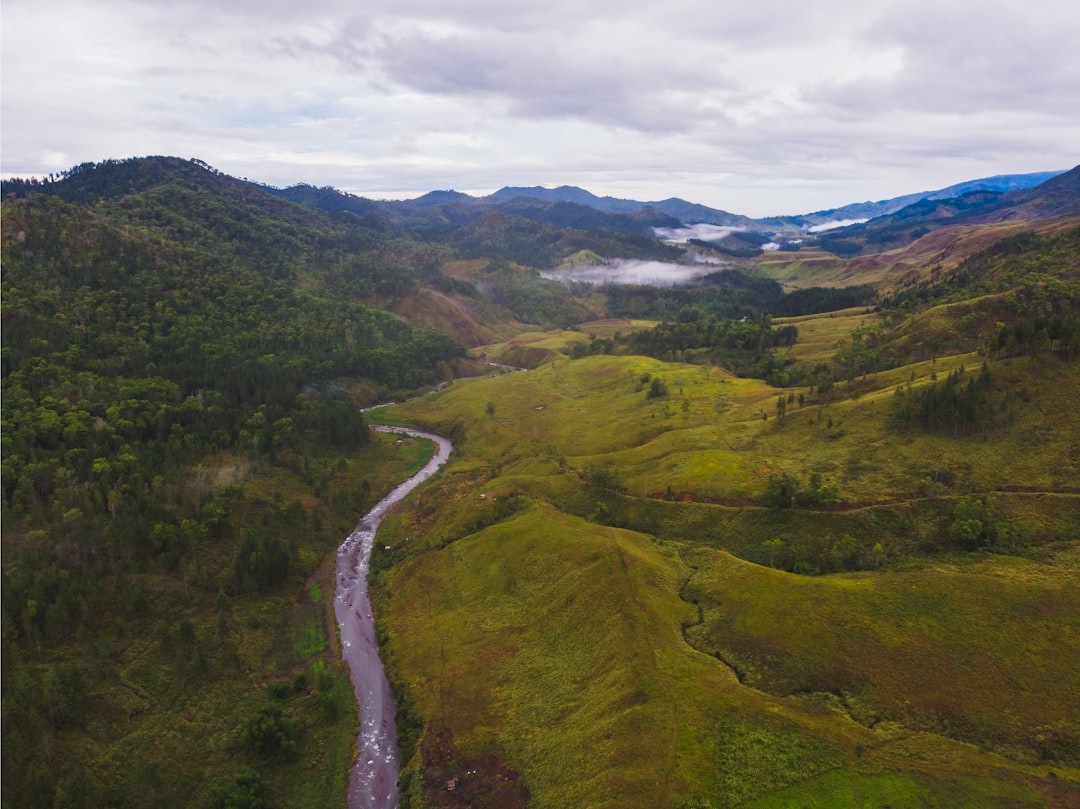
Here is the part that most guides gloss over: the Cordillera mountain roads are vulnerable to landslides, especially during the wet season from June through October. The Halsema Highway (Baguio to Sagada via Bontoc) is the highest highway in the Philippines and one of the most scenic, but it is also one of the most geohazard-prone. As of August 2026, sections of the Halsema at Atok, Benguet were limited to one-lane traffic due to road slips, and this is a recurring pattern, not a one-off event.
The DPWH Cordillera office regularly issues road advisories, and conditions can change within a single day during the monsoon. Roads may be open in the morning and narrowed or briefly closed after afternoon downpours. Bus and van operators sometimes adjust schedules or reroute in response to changing access. The practical implication for travellers: if you are traveling to Sagada or Banaue during the wet season, build in buffer days, check road conditions on the day of travel, and do not book non-refundable onward transport.
For the Manila to Baguio route, Kennon Road is the most scenic but the most landslide-prone entry to the city, and it is frequently closed to non-residents during heavy rain. Marcos Highway (also called the Ben Palispis Highway) is the most reliable alternate route and is used by most bus companies. Naguilian Road is the third option, also passable but with occasional restrictions. Bus operators choose the route based on conditions, so you do not need to worry about this unless you are driving yourself.
Getting Around Baguio Itself
Within Baguio, jeepneys are the cheap backbone of local transport, with fares starting at around ₱14 for short rides. The jeepney terminals are clustered around the public market and Burnham Park, and routes are marked with barangay names rather than tourist landmarks, which can be confusing. Tell the driver your destination when you board, and tap a coin on the ceiling and say “para” (stop) when you want to get off. Pass your fare forward to the driver through other passengers.
Taxis are plentiful, metered, and reliable in Baguio, with a flag-down rate around ₱40 and most rides within the city center costing ₱60 to ₱200. Baguio taxi drivers have a reputation for honesty that is unusual in the Philippines, and they mostly use the meter without being asked. Grab (the ride-hailing app) works in Baguio but supply is thinner than in Manila, and regular street taxis are usually faster. Download Google Maps offline before you arrive, because cell signal drops in the mountain folds.
Walking is viable in the city center, and Session Road, Burnham Park, and most of the central food and cafe cluster are walkable. But Baguio is a hilly city at altitude, and walking distances feel longer than they look. Wear shoes that can handle slopes, and do not underestimate how much a 10-minute uphill walk at 1,500 meters will take out of you if you are not acclimatized.
Conclusion
Baguio is a city that rewards travellers who use it well. As a destination on its own, it offers cool mountain air, a distinct highland food culture, and a layered colonial history that sets it apart from anywhere else in the Philippines. As a transit hub, it is the most practical gateway to the Cordillera: the buses to Sagada and Banaue originate here, the city has the accommodation and infrastructure to support a stopover, and the altitude gives you a chance to acclimatize before pushing into the deeper mountains.
Give it two days. Eat at the Slaughter Compound, not just the restaurants on Session Road. Buy your onward bus ticket the day before you travel. Check the road conditions if you are heading to Sagada during the wet season, because the Halsema Highway does not forgive complacency. And take a moment, when you step off the bus and the cold air hits you, to appreciate the fact that you are in a corner of Southeast Asia where you need a jacket.
Have you been to Baguio? Did you use it as a launchpad for the Cordillera, or did you stay put? Drop your tips in the comments, I would love to hear your experience and adjust this guide accordingly. And if you are planning a wider Philippines trip, check out the Manila Philippines travel guide for how to navigate the capital, or the El Nido Palawan travel guide if you are combining the northern highlands with Palawan’s islands.
Frequently Asked Questions
How do you get from Manila to Baguio by bus?
Victory Liner is the most established operator, with buses from Pasay and Cubao every two hours. Fares range from about 743 pesos for regular aircon to 1,200 pesos for first-class. JoyBus offers premium service with reclining seats and onboard amenities from 970 to 1,035 pesos. Travel time is 5 to 6 hours.
How do you get from Baguio to Sagada?
GL Trans operates multiple daily buses from the Centermall terminal on Magsaysay Avenue, with fares around 330 pesos and travel time of 5 to 6 hours. There is no online booking, so buy your ticket in person the day before. Departures start as early as 3:00 AM.
How do you get from Baguio to Banaue?
Ohayami Trans runs a single daily overnight bus from Governor Pack Road at 7:30 PM, arriving in Banaue around 3:30 AM. The fare is about 700 pesos and travel time is approximately 8 hours. Online booking is available and recommended.
When is the best time to visit Baguio?
The best time is late October through November, when the weather is cool and dry, roads are in better condition, and crowds are thinner. January is the coldest month. Avoid Holy Week and Panagbenga Festival weekend unless you want maximum crowds.
How many days do you need in Baguio?
Two full days is the sweet spot. This gives you time to explore the city center, visit viewpoints like Mines View and Camp John Hay, eat at local eateries, buy pasalubong at the public market, and arrange your onward transport to Sagada or Banaue without rushing.