Manila Philippines Travel Guide: Stay or Skip?
Here is my honest take after multiple trips through Manila: one full day is enough for most travellers, and two days lets you see the city without rushing. Three days only makes sense if you are planning a day trip to Tagaytay or Corregidor. If your real destination is El Nido, Coron, or Boracay, do not feel guilty about spending a single night in Manila and flying straight out the next morning.
That might sound like a harsh opening for a Manila travel guide for Philippines-bound travellers, but I think most visitors arrive in this city with the wrong expectations. They expect a charming Southeast Asian capital with walkable old quarters and a relaxed pace. Manila is not that city. It is a sprawling, traffic-choked metropolis of 14 million people that does not perform for tourists. What it does have is a raw, complicated energy, a deeply layered colonial history, and pockets of genuine character that reward travellers who slow down. The question is not whether Manila is worth visiting. The question is how much time you can give it before the traffic and the heat wear you down.
Most travellers underestimate Manila traffic, and this shapes every recommendation in this guide. A distance that looks like 20 minutes on Google Maps can take 90 minutes during rush hour. The peaks run roughly 7 to 10 AM and 5 to 8 PM, and when it rains, everything gets worse. Plan your days around the clock, not the map. If you can internalize that one rule, Manila becomes a far more manageable place.
The History Of Manila
Long before the Spanish arrived, the area around the Pasig River delta was home to two thriving trading polities: Maynila on the south bank and Tondo on the north. These were not backwater villages. Maynila and Tondo controlled a shared monopoly on Chinese goods flowing through the archipelago, trading with Ming China, Japan, and the broader Southeast Asian maritime network. The settlement was mentioned in the Laguna Copperplate Inscription of 900 AD, the oldest known written document in the Philippines.
In 1571, the Spanish conquistador Miguel López de Legazpi arrived, claimed the settlement for Spain, and declared it the new colonial capital. The Spanish built Intramuros, a walled city whose name literally means “within the walls,” and it became the seat of Spanish political, religious, and military power in the Philippines for over 300 years. Intramuros was also the Asian hub of the Manila-Acapulco galleon trade, which carried silver and goods between the Philippines and Mexico for two and a half centuries.
The walled city was reserved for the Spanish colonial elite. Filipinos and Chinese merchants lived outside the walls, in settlements that eventually grew into the districts of Binondo, Quiapo, and Tondo. The Chinese were confined to a ghetto within cannon range of Intramuros walls, a detail that tells you a lot about how the Spanish managed colonial power.
In 1896, the execution of the Filipino nationalist José Rizal at what is now Rizal Park sparked the Philippine Revolution. Two years later, the Spanish-American War ended Spanish rule when Admiral Dewey defeated the Spanish fleet in Manila Bay, and the Treaty of Paris handed the Philippines to the United States for $20 million. Then came the Japanese occupation in 1942, and in 1945, the Battle of Manila destroyed nearly the entire city. Manila was the second most devastated city in the world after Warsaw. Only San Agustin Church inside Intramuros survived the bombardment. The Philippines gained full independence on July 4, 1946, and Manila was rebuilt as the capital of the new republic.
That compressed history, from precolonial trading hub to Spanish colonial capital to American commonwealth to war-ravaged city to modern megacity, is what makes Manila feel layered in a way that more polished Southeast Asian capitals do not. The layers are visible if you know where to look.
Best Things To Do In Manila
Manila’s attractions are not concentrated in a single walkable zone. They are spread across several districts, and getting between them involves traffic. The trick is to group your activities by area rather than bouncing across the city. Here is how I would break it down.
Tourist Attractions: Intramuros And The Walled City

If you only have one day in Manila, spend it in Intramuros. This is the one part of the city where the history feels tangible, where you can walk along 400-year-old stone walls and stand inside churches that survived the Battle of Manila. Start at Fort Santiago, the Spanish-era fortress where José Rizal was imprisoned before his execution in 1896. Entry costs ₱75 (about ₱50 for students and children). The fort contains a small museum dedicated to Rizal, and the battlements overlooking the Pasig River are quietly powerful.
From Fort Santiago, walk southeast along General Luna Street, the closest thing Intramuros has to a main street. You will reach San Agustin Church, the oldest stone church in the Philippines and a UNESCO World Heritage Site. It survived the 1945 destruction of Manila almost entirely intact, and the baroque interior with its trompe l’oeil ceiling, hand-carved hardwood pews, and 18th-century pipe organ is genuinely stunning. The attached museum holds Spanish-era religious art and vestments.
A few minutes further is the Manila Cathedral, the ecclesiastical seat of the Archdiocese of Manila. The current building is the sixth church on the site, completed in 1958 after the war destroyed its predecessor. Continue to Casa Manila, a reconstruction of a 19th-century Spanish colonial home, furnished in period style with antique furniture and artwork. The whole walking tour of Intramuros takes about two hours if you do not linger. Go before 9 AM or after 4 PM, because the middle of the day is brutally hot and there is very little shade.
Just south of Intramuros walls lies Rizal Park (Luneta), where José Rizal was executed and where the Philippine flag was first raised at independence in 1946. It is not a beautifully manicured park, but it is historically significant and a good place to watch local families in the early evening.
Cultural Experiences: Binondo, Quiapo, And The National Museum
Binondo, just across the Pasig River from Intramuros, is the oldest Chinatown in the world, established in 1594. A food crawl through Binondo is one of the best cultural experiences in Manila. The streets are dense with Chinese-Filipino bakeries, noodle shops, and dumpling stalls that have been operating for generations. Start at the Binondo Church and wander. Try the fried siopao (steamed buns), fresh lumpia, and the Hokkien-style pancit. If you want a guided introduction, walking food tours of Binondo run daily and cost roughly ₱800 to ₱1,500 per person.
Quiapo is the chaotic, working-class heart of old Manila. The Quiapo Church is home to the Black Nazarene, a dark-skinned statue of Jesus that draws millions of devotees every January. The streets around the church are packed with vendors selling everything from herbal remedies to cheap electronics to anting-anting (amulets). It is intense, crowded, and not for everyone, but it is one of the most authentically Manileño neighborhoods you can visit.
The National Museum complex in Ermita is free to enter and surprisingly well curated. The National Museum of Fine Arts is housed in the former Legislative Building, a neoclassical American-era structure, and holds works by Juan Luna and Félix Resurrección Hidalgo. The National Museum of Anthropology and the National Museum of Natural History are in adjacent buildings. If you have a spare morning and want air-conditioned culture, this is where to spend it.
Nature: Manila Bay Sunset And The Baywalk
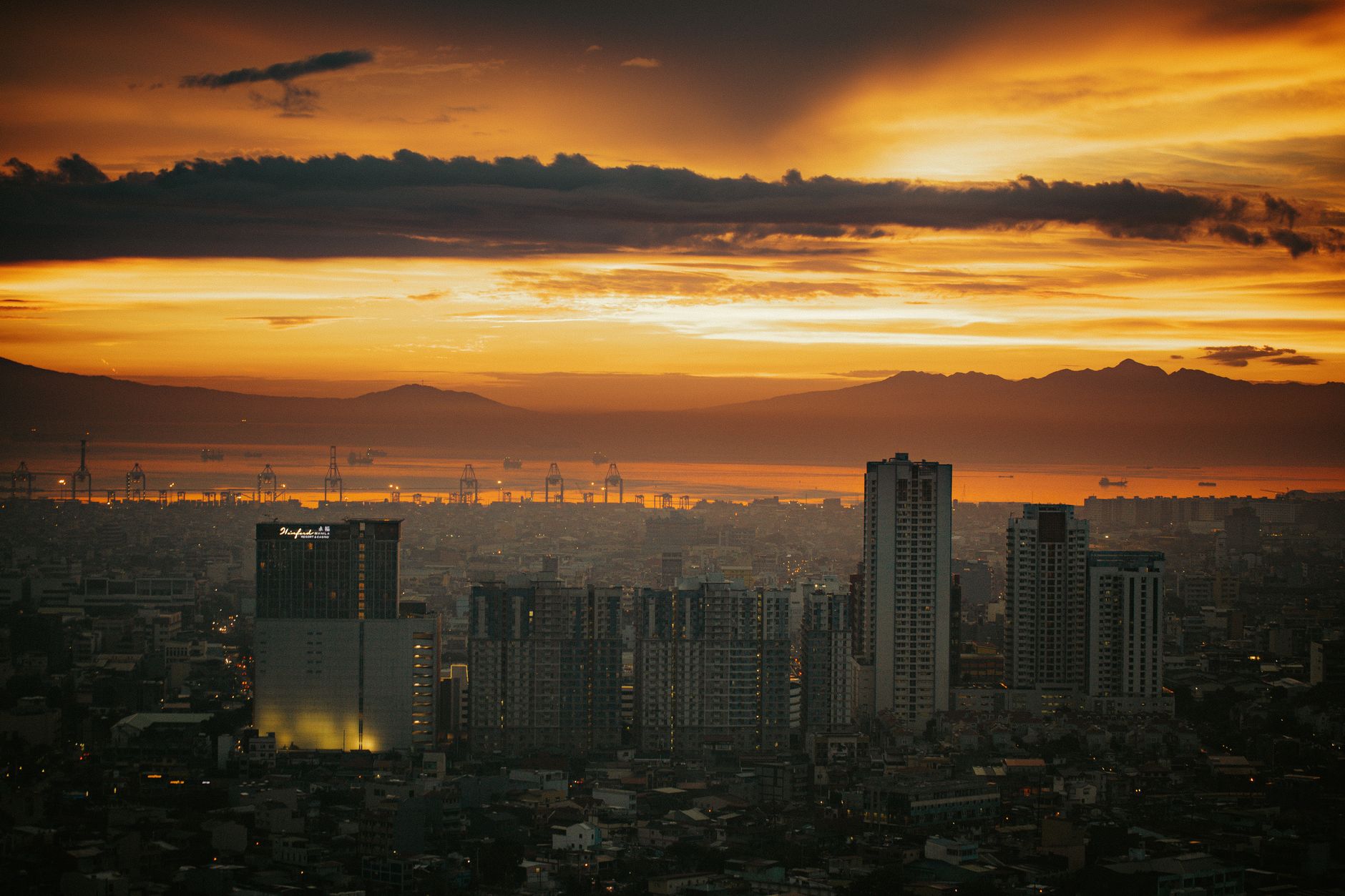
Manila is not a nature destination, but the Manila Bay sunset is genuinely spectacular. The bay faces west, and on a clear evening the sky turns orange, pink, and purple over the water. The Baywalk along Roxas Boulevard is the place to watch it, and it is one of the few experiences in Manila that costs nothing and requires no planning. Arrive around 5:30 PM, grab a drink from a vendor, and sit on the seawall. It is not pristine and the water is not clean, but the sunset is real.
Where And What To Eat And Drink In Manila
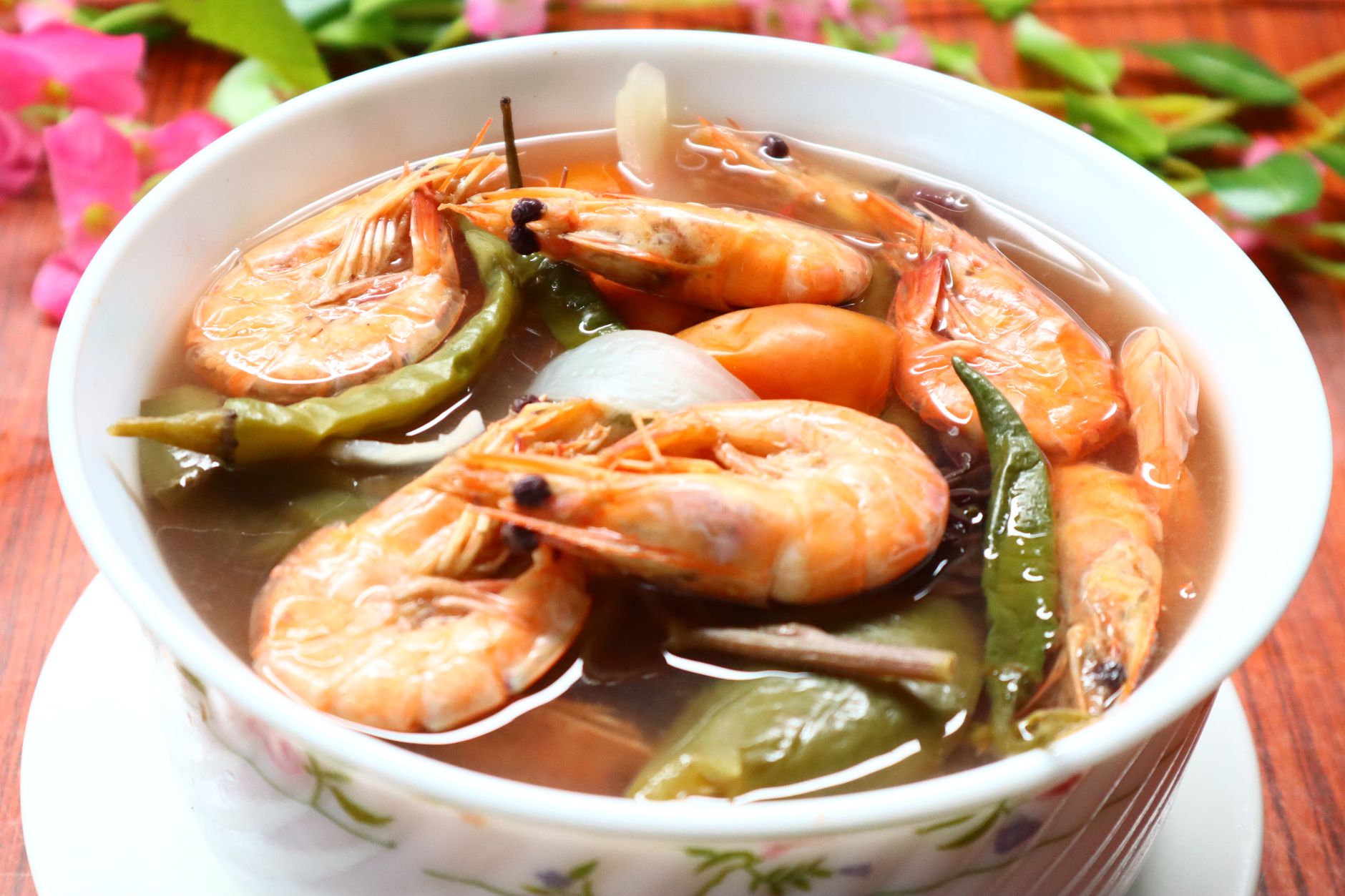
Manila’s food scene is where the city redeems itself. The culinary layering here reflects the history: Malay, Chinese, Spanish, and American influences all collided in Manila’s kitchens over centuries, and the result is a food culture that is richer than most travellers expect.
Start with the fundamentals. Adobo is the unofficial national dish: chicken or pork braised in soy sauce, vinegar, garlic, and bay leaves until the meat falls apart. Sinigang is a sour soup, usually made with pork, fish, or shrimp, tamarind-soured and loaded with vegetables. Sisig is a sizzling plate of chopped pork, onions, and chili, originally from Pampanga but adopted enthusiastically by Manila. Halo-halo is the quintessential Filipino dessert, a layered mix of shaved ice, sweet beans, ube (purple yam), coconut, leche flan, and ice cream. Get it at Max’s Restaurant or any Chowking branch if you cannot find a specialty shop.
The Binondo food crawl I mentioned above is the single best eating experience in Manila for visitors. If you want a sit-down Filipino meal in a proper restaurant, try Abe in Serendra (BGC) for Kapampangan cuisine, or Chez Karina in Malate for home-style Filipino cooking. For lechon (whole roasted pig), the Cebu-style lechon at Zubuchon has a Manila branch and is excellent.
I cannot write about Manila food without mentioning Jollibee. It is the Philippines’ homegrown fast-food giant, and it is a cultural institution, not just a restaurant. Order Chickenjoy (fried chicken) with gravy, Jolly Hotdog, and a peach mango pie. You will see Filipino families celebrating birthdays there, and the queues at airport branches are a reliable indicator of how much Filipinos love it. It is not gourmet, but it is authentically Filipino, and you should try it at least once.
The specialty coffee scene in Manila has grown significantly, concentrated in Makati and BGC. Commune in Salcedo Village serves excellent Philippine single-origin coffee, and Yardstick in Makati is another solid pick. If you want to try local coffee at its source, Barako coffee from Batangas is strong, earthy, and best taken black.
Shopping In Manila
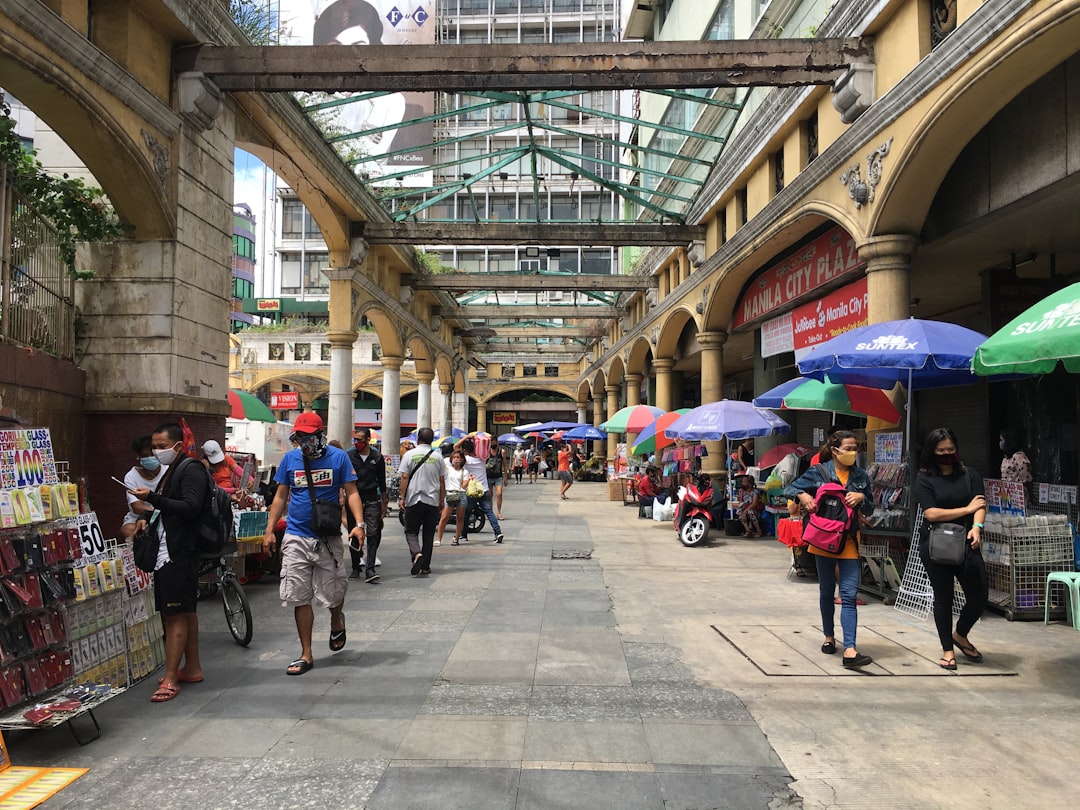
Shopping in Manila means malls. The mall culture here is serious. Air-conditioned malls are where Manileños escape the heat, socialize, eat, and do their weekly shopping, and some of them are enormous.
SM Mall of Asia (MOA) in Pasay is one of the largest malls in the Philippines, sitting right on Manila Bay. It has everything from international brands to a massive food court, an IMAX theatre, and a ferris wheel. Greenbelt and Glorietta in Makati are connected open-air and indoor complexes that cater to a more upscale crowd, with good restaurants and a calm, garden-like atmosphere in the Greenbelt section. Bonifacio High Street in BGC is an outdoor shopping and dining boulevard that feels more like Singapore than old Manila.
For bargain hunting, Divisoria in Binondo is the wholesale market where everything is cheap and nothing has a fixed price. It is chaotic, crowded, and not for the faint of heart, but if you need souvenirs, clothing, or accessories at rock-bottom prices, this is the place. Go in the morning, watch your belongings, and haggle. Greenhills Shopping Center in San Juan is a more organized alternative, famous for South Sea pearls and bargain fashion. It is a better choice if Divisoria sounds too intense.
If you want to buy local food products as souvenirs, look for dried mangoes (Cebu brand is the most famous), Barako coffee, tablea (cacao tablets for hot chocolate), and bottled local hot sauces. The Kultura Filipino stores inside SM malls are a convenient one-stop shop for Filipino food products and crafts, with fixed prices and no haggling.
Bars And Nightlife In Manila
Manila’s nightlife is more lively than most travellers expect, though it is concentrated in two areas. Poblacion in Makati is the backpacker and expat bar district, a dense grid of small streets lined with craft beer bars, cocktail spots, and hole-in-the-wall joints that stay open late. It is rough around the edges in a good way. Saguijo in Makati has live indie music on weekends. A cocktail at a Poblacion bar runs ₱250 to ₱500.
BGC (Bonifacio Global City) is the polished alternative, with upscale bars, rooftop lounges, and clubs along Bonifacio High Street and The Fort. Drinks are more expensive here, closer to Singapore prices. If you want a quieter evening, the bars around Greenbelt in Makati serve good cocktails in a relaxed setting.
When Is The Best Time To Visit Manila?
Manila has two main seasons: a dry season from roughly December to April, and a wet season from June to November, with May as a transitional month. The dry season is when you want to visit. January and February are the most comfortable months of the year, with daytime highs around 30 to 31 degrees Celsius, lower humidity, and minimal rainfall. December is festive but more crowded, as Filipino Christmas is the longest in the world.
March and April are still dry but significantly hotter, with highs reaching 35 degrees Celsius. April and May coincide with Holy Week (Semana Santa), when Manila empties as residents return to their home provinces. The city is eerily quiet, which can be charming, but many businesses close.
The wet season runs from June through November, with July through September being the rainiest and most typhoon-prone months. Manila sits in a somewhat sheltered bay, but typhoons can disrupt flights, cause flooding, and shut the city down. August averages over 470mm of rainfall. If you are travelling during the wet season, travel insurance is essential.
| Period | Weather | Highlights | Drawbacks |
|---|---|---|---|
| Dec to Feb | Dry, 30 to 31C, lower humidity | Festive season, comfortable exploring | Peak crowds and hotel rates |
| Mar to Apr | Hot and dry, up to 35C | Holy Week atmosphere, fewer crowds late April | Intense heat, some closures during Holy Week |
| May | Hot, rains begin | Transition month, lower rates | Humidity rising, afternoon storms start |
| Jun to Aug | Wet, 31 to 33C, heavy rain | Lowest prices, few tourists | Typhoon risk, flooding, flight disruptions |
| Sep to Oct | Wet tapering off | Still cheap | Peak typhoon months (Sep), lingering rain |
| Nov | Dry season returns | Shoulder season value | Some residual rain early in the month |
My recommendation: aim for January or February if you can. You get the most comfortable weather, the city is fully operational, and the humidity is at its lowest. November is a solid shoulder-season choice if you want lower rates and can tolerate occasional rain. Avoid August and September unless you have no choice.
How Many Days Do You Need In Manila?
Here is where I disagree with the generic travel guides that say “spend 2 to 3 days in Manila.” Most travellers fly into Manila to reach somewhere else, and spending three days in the city before you have even reached Palawan is a waste of your trip. My honest breakdown:
One full day is enough for Intramuros, Rizal Park, a Binondo food crawl, and the Manila Bay sunset. Start early at Fort Santiago, walk through Intramuros in the morning, cross to Binondo for lunch, visit the National Museum or Rizal Park in the afternoon, and end with the sunset at the Baywalk. This is the itinerary I would do if I only had one day, and it captures the essence of the city.
Two days lets you breathe. Use day one for the Intramuros and Binondo itinerary above. On day two, spend the morning in Makati or BGC exploring the cafe scene and the malls, visit the National Museum complex in the afternoon, and go out in Poblacion at night. Two days gives you a taste of both old and new Manila without feeling rushed.
Three days only makes sense if you use the third day for a day trip. Tagaytay is the most popular option, a highland city about 60 km south of Manila with cool weather and views of Taal Volcano. Corregidor Island, the WWII fortress at the mouth of Manila Bay, is a full-day historical tour for anyone interested in Pacific War history. Both are worth doing, but only if you have the time to spare.
Where To Stay In Manila
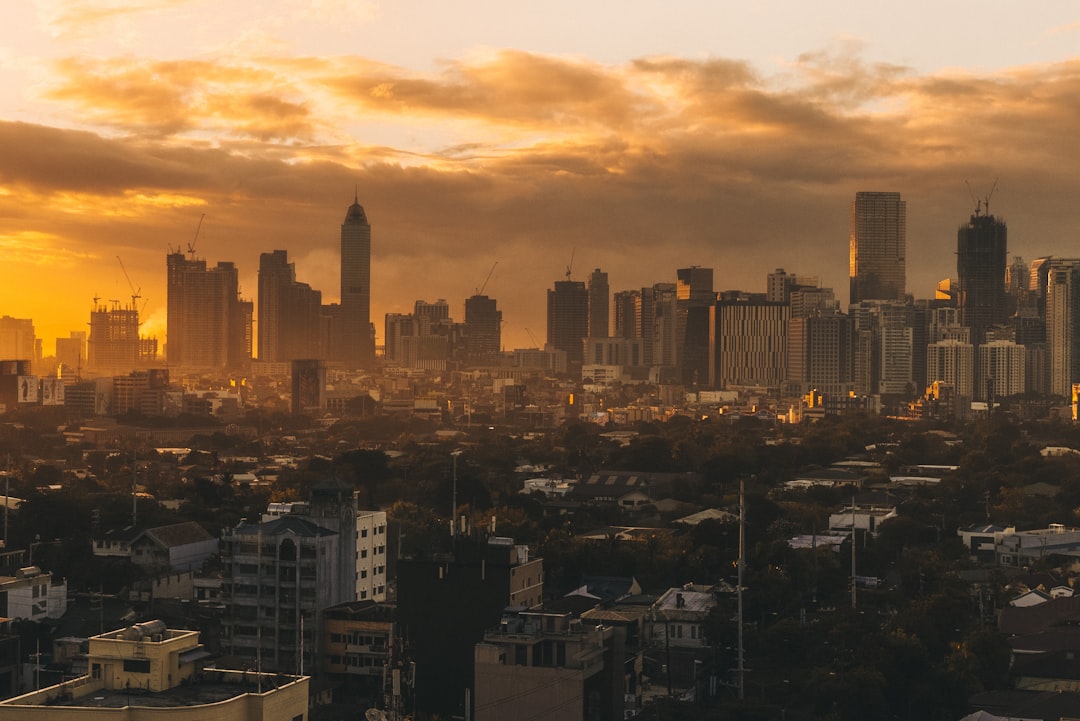
Where you base yourself in Manila matters more than in most cities, because the traffic between districts can eat an hour of your day. Here is how I would rank the options.
Makati is my top pick for most visitors. It is the financial district, which means it has the best concentration of hotels, restaurants, cafes, and bars. Salcedo Village and Legazpi Village are walkable, relatively clean, and safe. Poblacion is the nightlife hub. Greenbelt and Glorietta malls are right there. The downside is that it feels like a business district, not old Manila, but for logistics and comfort, Makati is hard to beat.
BGC (Bonifacio Global City) in Taguig is the newest, cleanest, most orderly part of Metro Manila. It is built on a grid (a rarity here), has wide sidewalks, and feels more like Singapore than the Philippines. If you value cleanliness, safety, and walkability above all, BGC is for you. The trade-off is that it feels sterile and disconnected from the real Manila.
Ermita and Malate, near Rizal Park and Intramuros, are the historical districts. This is where budget travellers and backpackers tend to stay, and it puts you walking distance from the walled city and the National Museum. The area is grittier than Makati or BGC, and the nightlife on Adriatico Street has seen better days, but for cultural immersion and budget accommodation, it is the right choice.
- Budget: Hostels and guesthouses in Ermita and Malate, ₱800 to ₱2,000 per night
- Mid-range: Business hotels in Makati (Salcedo, Legazpi area) or BGC, ₱3,000 to ₱6,000 per night
- Splurge: Five-star properties in Makati (Shangri-La, Fairmont) or BGC (Grand Hyatt), ₱8,000 and up
- Early flight: Hotels near NAIA in Pasay, ₱2,500 to ₱5,000, for a night before an early departure
How Do You Get Around In Manila?
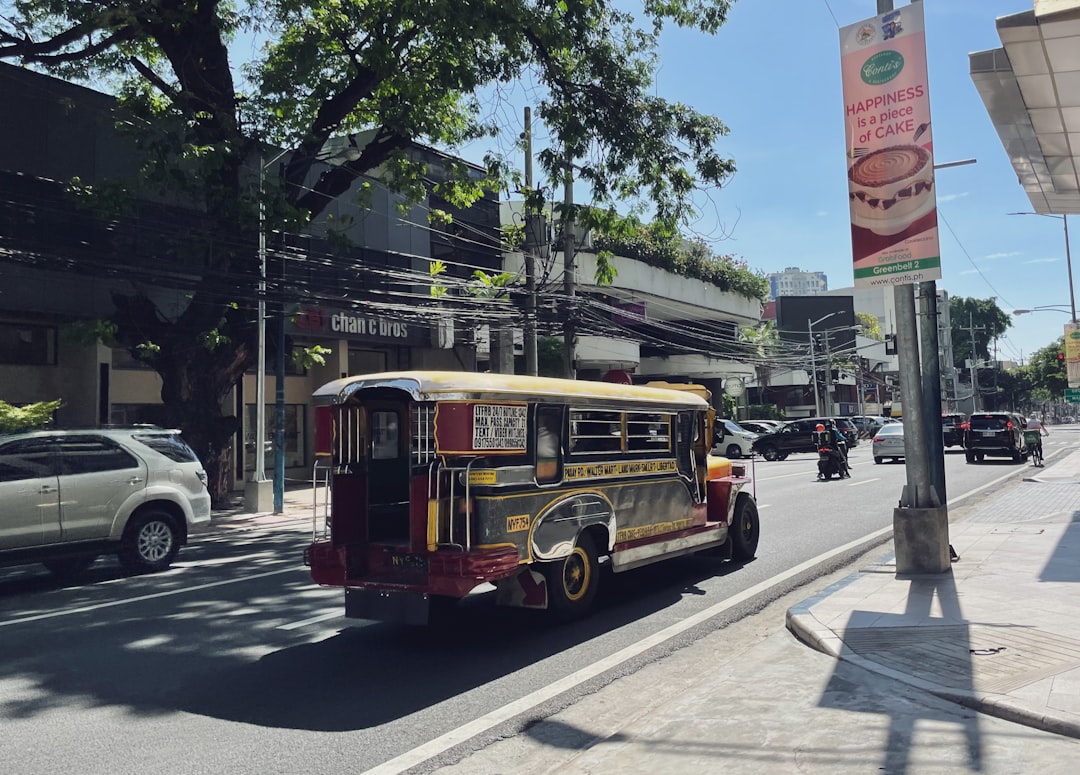
Getting around Manila is the part of the trip that most travellers underestimate. The traffic is the single biggest factor in your daily planning, and every transport decision should be made with peak hours in mind.
Arriving At NAIA: Terminals, Grab, And Taxis
Ninoy Aquino International Airport (NAIA) has four terminals, though Terminal 4 was demolished and a replacement is not reliably in passenger use, so in practice you will arrive at Terminal 1, 2, or 3. Terminal 1 handles Philippine Airlines international flights and most foreign carriers. Terminal 2 is the PAL domestic terminal (Centennial). Terminal 3 handles Cebu Pacific domestic and international flights, AirAsia domestic, and a growing list of foreign airlines. Check your booking to confirm which terminal, because they are physically separated and getting between them takes time on public roads.
Before you land, you need to complete the eTravel form, which is mandatory for all travellers entering the Philippines. You can fill it out online at the official eTravel government site or through the eGovPH app. It generates a QR code that immigration may scan on arrival. Airline check-in agents sometimes ask to see it before you board.
NAIA is only about 7 km from the city centre, so distance is never the problem. Traffic is. There is no airport rail link. During peak hours (7 to 10 AM, 5 to 8 PM), a 20-minute run can become 90 minutes. Here are your options for getting into the city:
| Option | Approx. Cost to Makati or BGC | Notes |
|---|---|---|
| Grab (ride-hail) | ₱200 to ₱600 | Fare shown up front, no haggling. Surge during peak and rain. Grab’s “Airport to Anywhere” program guarantees no surge on airport pickups |
| Yellow airport taxi (metered) | ₱250 to ₱600 | Use the official queue, keep the dispatch slip. Flag-down is ₱115 as of March 2026 |
| Coupon taxi (fixed rate) | ₱500 to ₱700 | Fixed price per destination from the coupon desk. No meter games but pricier |
| UBE Express airport bus | From ₱150 | Cheapest option, runs from T3 to transport hubs like PITX. Drops you at a hub, not your hotel |
For most visitors, Grab is the least stressful choice. The fare is agreed in the app before you get in, so there is nothing to argue about. Download the Grab app before you arrive and register an account. You can pay by card or cash. The catches are real: during rush hour or rain, surge pricing kicks in, and there can be a queue at the airport’s designated ride-hail pickup point. Grab’s “Airport to Anywhere” program, launched with the Manila International Airport Authority, guarantees no surge pricing on rides departing the airport, which is a genuine advantage if you land during peak hours.
If you take a taxi, go to the official dispatch queue inside the terminal. Do not accept rides from anyone who approaches you in the arrivals hall. Insist on the meter for yellow and white taxis, or use the coupon taxi desk for a fixed rate. Keep the dispatch slip, which carries the complaint hotline. Some drivers quote an inflated “fixed rate” off-meter, which is a well-documented overcharging tactic. Booking through Grab or insisting on the meter avoids most of this.
Getting Around The City
Within Metro Manila, Grab is the dominant ride-hailing app and works reliably across the city. A typical Grab car ride within central Manila costs ₱200 to ₱500 depending on distance and traffic. Motorcycle Grab is available and faster in gridlock, but it is not for everyone given the heat, rain, and pollution.
The LRT (Light Rail Transit) and MRT (Metro Rail Transit) lines cover parts of central Manila and are useful for specific routes. The LRT-1 runs from Baclaran in the south through Ermita, Intramuros-adjacent Central Terminal station, and up to Monumento in the north. Fares are cheap, starting at around ₱15. The trains are air-conditioned but can be extremely crowded during rush hour. If your route aligns with a rail line, it is faster than any road transport during peak hours.
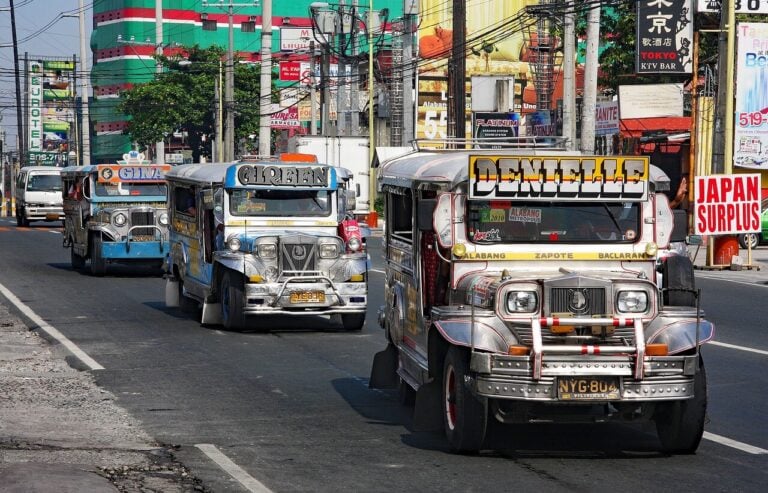
Jeepneys are the iconic Filipino transport: converted American military jeeps, brightly painted, running fixed routes for as little as ₱13 per ride. They are a cultural experience in themselves, but the routes are not intuitive for visitors, they are hot and crowded, and you need to know where you are going. Ride one for fun if you want, but do not rely on them as your primary transport if you are short on time.
Day Trips: Tagaytay And Corregidor
Tagaytay is the most popular day trip from Manila, a highland city about 60 km south with cool weather and a view of Taal Volcano, an island within a lake within an island within a lake. By car via SLEX and CALAX expressways, the trip takes 1.5 to 2 hours in light traffic, but weekend traffic can push it to 2.5 or 3 hours. Leave before 7 AM on weekends to avoid the worst congestion. By bus from PITX or Pasay, the fare is ₱120 to ₱180 one way and travel time is 2 to 4 hours depending on traffic. Once in Tagaytay, eat bulalo (beef marrow soup) at a restaurant overlooking the Taal caldera. It is a genuinely pleasant escape from the city if you have a day to spare.
Corregidor Island is the WWII fortress at the mouth of Manila Bay where Filipino and American forces made their last stand against the Japanese in May 1942. The old ferry service from Manila no longer operates. The current access route requires getting to Mariveles in Bataan province first, then joining a pre-arranged island tour with boat transfer. Join-in tours cost around $50 per person and include the ferry, island tram tour, Malinta Tunnel light-and-sound show, and a guide. Some operators offer hotel pickup from Manila with a very early start (4 to 5 AM). Plan this as a full-day commitment, not a casual half-day trip. It is worth it for anyone interested in Pacific War history, but it is not worth the logistics if your time in the Philippines is short and the islands are calling.
Conclusion
Manila is not a city that everyone will love, and I think that is fine. It is not Bangkok with its temples and night markets, and it is not Singapore with its order and cleanliness. What Manila has is a complicated, layered history that is still visible in the stone walls of Intramuros and the chaotic streets of Binondo, a food culture that has been centuries in the making, and a raw energy that you either respond to or you do not. If you have one full day, give it to Intramuros and Binondo. If you have two, add the museums and Poblacion at night. If you have three, use the last day for Tagaytay.
The biggest mistake travellers make with Manila is either skipping it entirely or spending too long in it. One or two days is the sweet spot. Spend your real time on the islands. If you are heading to Palawan, keep an eye out for my upcoming guides to El Nido and Coron, which are the natural next step from Manila for most Philippines-bound travellers. And if Cebu is on your itinerary, check out my Cebu travel guide for the best things to do, eat, and see in the Queen City of the South. For a very different Southeast Asian capital experience, my Kuala Lumpur travel guide offers a local’s honest take on a city that is also better than its reputation.
Have you been to Manila? Did you stay longer than you planned, or did you skip straight to the islands? Drop your tips in the comments. I would love to hear your experience and adjust this guide accordingly.
Frequently Asked Questions
Is Manila worth visiting or should I skip straight to the islands?
Manila is worth one full day for most travellers. Intramuros and Binondo are genuinely rewarding, and the city’s colonial history is visible in a way that more polished Southeast Asian capitals cannot match. But if your priority is beaches and islands, do not feel guilty about a single night in Manila before flying out.
How much is a Grab from NAIA to Makati?
A Grab from NAIA to Makati costs roughly ₱200 to ₱600 depending on traffic and surge pricing. Grab’s Airport to Anywhere program guarantees no surge on airport pickups. Metered airport taxis run ₱250 to ₱600, and coupon taxis charge a fixed ₱500 to ₱700. The UBE Express bus is cheapest from ₱150 but drops you at a transport hub, not your hotel.
What is the best time to visit Manila?
January and February are the most comfortable months, with daytime highs around 30 to 31 degrees Celsius, lower humidity, and minimal rainfall. December is festive but crowded. Avoid August and September, which are peak typhoon months with heavy rainfall and flight disruption risk.
How many days do you need in Manila?
One full day covers Intramuros, Binondo, Rizal Park, and the Manila Bay sunset. Two days lets you add Makati or BGC and the National Museum. Three days only makes sense if you use the third day for a day trip to Tagaytay or Corregidor. Most travellers heading to Palawan or Cebu only need one or two days.
Can you do a day trip to Tagaytay from Manila?
Yes, Tagaytay is about 60 km south of Manila. By car via SLEX and CALAX, it takes 1.5 to 2 hours in light traffic, but weekend congestion can push it to 3 hours. By bus from PITX or Pasay, the fare is ₱120 to ₱180 one way with 2 to 4 hours travel time. Leave before 7 AM on weekends for the smoothest trip.