Ubud Bali Travel Guide: What’s Actually Worth It
The first time I arrived in Ubud, Bali, I came from three weeks in Canggu and the contrast hit me like stepping through a door into a different country. The surf-town flat whites and beach-club bass faded into birdsong, incense, and the smell of rain on stone. This Ubud Bali travel guide is for travelers who want that deeper layer: the cultural anchor of the island, not just a photo stop between rice terraces and smoothie bowls.
I have been back to Ubud more times than I can count, and each visit peels back something new. If you are a digital nomad weighing Ubud against Canggu, a culture-seeker tired of performative tourist experiences, or a traveler who wants to understand Bali beyond the coastline, this guide covers what is genuinely worth your time and what you can skip without regret.
The History Of Ubud, Bali
Ubud’s story begins long before the yoga studios and vegan cafes. The name itself comes from the Balinese word ubad, meaning medicine, a reference to the medicinal plants that once grew abundantly in the area. According to historical records, the 8th-century Javanese priest Rsi Markandeya meditated at the confluence of two rivers at Campuhan, a site considered spiritually powerful in Hindu tradition. He founded Pura Gunung Lebah, a temple that still stands at the valley floor and remains a pilgrimage destination.
What shaped Ubud into the cultural capital it is today, though, was politics and artistry in equal measure. In the late 19th century, the local lords of the Sukawati family consolidated power and became significant patrons of the arts. Their wealth and influence attracted painters, sculptors, dancers, and musicians from across Bali. By the 1930s, under the reign of Tjokorda Gede Agung Sukawati, Ubud had positioned itself as the island’s artistic center, aided by collaborations between the royal family, local artists, and a circle of expatriates including the Dutch painter Rudolf Bonnet and the German artist Walter Spies.
This matters when you visit today because it explains why Ubud feels different from every other town in Bali. The art galleries, dance performances, and craft workshops are not tourist inventions. They are extensions of a living tradition that the royal family deliberately cultivated. When you watch a Legong dance at the Ubud Palace, you are watching a performance form that has been refined in this specific place for generations, not a show created for Instagram.
The royal family still lives in Puri Saren Agung, the Ubud Palace, and parts of it are open to visitors. That continuity between past and present is what gives Ubud its gravitational pull. As I covered in my broader guide to the best things to do in Bali, Ubud is where the island’s Hindu-Balinese identity comes through most clearly. The daily offerings, temple ceremonies, and gamelan music are woven into ordinary life here in a way that the coastal towns simply do not match.
Best Things To Do In Ubud, Bali
Here is the honest truth: a lot of “must-do” lists for Ubud are padded with experiences that look good in photos but leave you feeling like you have been processed through a tourist machine. The jungle swings, the coffee plantation tours with their forced tastings, the crowded photo platforms at midday. I am going to focus on the things that actually moved me, and be direct about which popular attractions are worth your time and which ones you should approach with realistic expectations.
Nature
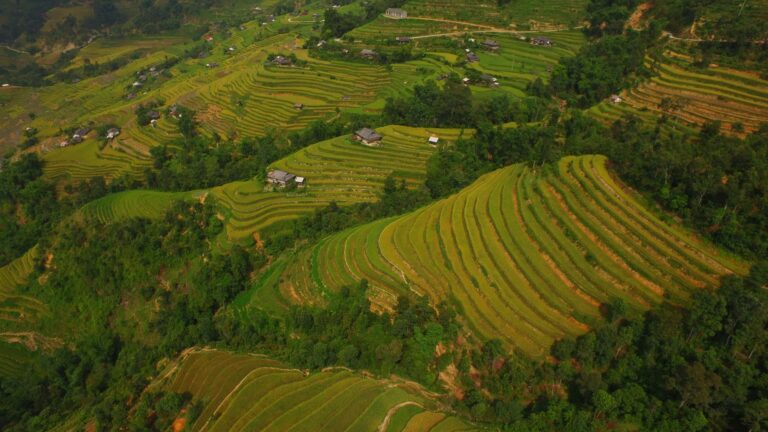
Tegallalang Rice Terraces are the image everyone has of Bali: emerald tiers cascading down a river valley with coconut palms leaning over the edges. They are genuinely beautiful, and they are also genuinely crowded by mid-morning. The entrance fee is IDR 25,000 (about $1.60 USD), payable in cash at the main gate. I have always enjoyed them most between 7:00 and 8:30 AM, when the light is soft, the air is still cool, and you share the paths with a fraction of the midday crowd. Walk down to the lower levels for the best views, and be prepared for a sweaty climb back up.
You will encounter small donation points along the paths, typically IDR 10,000 to 20,000, because you are walking through working rice fields maintained by local farmers. This is a fair arrangement. Bring small bills. The “Bali swing” operators that line the roadside are a separate commercial enterprise from the terraces themselves, and in my experience, they are not worth the IDR 150,000 to 600,000 they charge for a single photo.
The Campuhan Ridge Walk is my favorite free thing to do in Ubud, and most visitors overlook it entirely. The trailhead is near the Warwick Ibah Luxury Villas on the main road, and the path takes you along a narrow ridge between two river valleys. It is about two kilometers one way, paved, and takes 30 to 45 minutes at a leisurely pace. There is almost no shade, so go at sunrise (around 6:00 AM) or in the late afternoon before sunset. The early morning mist over the valleys is quietly stunning, and you will pass Pura Gunung Lebah, the temple Rsi Markandya founded, at the base of the ridge.
For waterfalls, skip Tegenungan. It is the most accessible from Ubud but also the most crowded, and the experience feels more like a theme park than a nature visit. Instead, head north to Tibumana or Kanto Lampo, which are quieter and more atmospheric. Both require a short drive and a brief walk, but the payoff is a waterfall you can actually enjoy without posing behind a queue of influencers.
Cultural Experiences
Tirta Empul is the holy water temple in Tampaksiring, about 30 minutes north of Ubud by scooter. Balinese Hindus come here for melukat, a purification ritual performed at a series of water spouts fed by a sacred spring. This is not a tourist performance. It is an active religious practice, and if you choose to participate, you need to approach it with genuine respect.
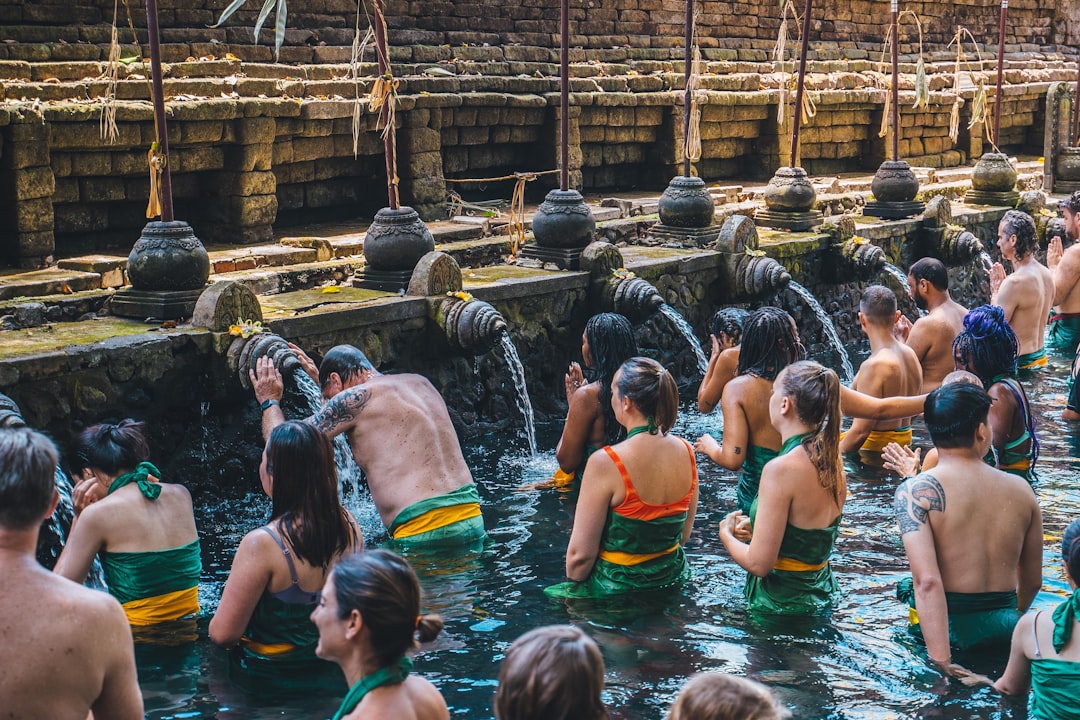
Here is what I learned when I did it: you need two sarongs. The standard entrance sarong is for walking the temple grounds. If you enter the purification pools, you rent a separate bathing sarong on site. You start at the leftmost spout and move right, pressing your palms together, facing each spout, and letting the water flow over your head. You skip the last two spouts, which are reserved for cremation ceremonies. Do not drink the water. Do not apply sunscreen before entering the pools, as it pollutes the spring water. Speak quietly. Do not take flash photography or stage photos during the ritual.
If you are unsure about the sequence, ask temple staff or go with a local guide who can walk you through it. I went with a guide the first time and it made a meaningful difference. The entrance fee is around IDR 50,000, and the temple is open daily. Arrive before 9:00 AM to avoid the tour bus wave.
Traditional dance performances at the Ubud Palace are one of the best cultural values in town. Tickets cost around IDR 100,000 to 150,000, and the performances usually start at 7:30 PM. The Legong, Barong, and Kecak dances each tell stories from the Ramayana and Balinese mythology, accompanied by gamelan orchestras. The setting, in the palace courtyard with carved stone backdrops, is atmospheric in a way that no purpose-built tourist stage can replicate. Ask your accommodation to book tickets in advance during July and August, as popular nights sell out.
Tourist Attractions
The Sacred Monkey Forest Sanctuary is Ubud’s most visited attraction, and I have mixed feelings about it. The forest itself is beautiful: a dense canopy of banyan and nutmeg trees, moss-covered stone paths, and three temples within the grounds. The monkeys, roughly 1,200 long-tailed macaques, are habituated to humans and surprisingly photogenic. As of April 2026, the entrance fee for foreign adults increased to IDR 130,000 (about $8.50 USD), with children aged 3 to 12 at IDR 100,000.
My honest take: go early, keep your distance from the monkeys, secure everything removable (sunglasses, hats, phones, loose food), and treat it as a walk through a sacred forest that happens to have monkeys, not a petting zoo. The monkeys are wild animals, not performers, and the ones near the entrance are the most aggressive because they have learned that tourists carry food and shiny objects. The deeper you walk into the forest, the calmer both the monkeys and the atmosphere become.
Goa Gajah, the Elephant Cave, is a 9th-century archaeological site about 10 minutes from central Ubud. The entrance is carved into a demon face, and inside you find a small chamber with Hindu and Buddhist relics. The surrounding grounds include bathing pools and a walk through tropical forest. It is a quick stop, 30 to 45 minutes, but it rewards attention. Without context, it is just a dark cave with carvings. With a guide who can explain the syncretism of Hindu and Buddhist traditions, it becomes a window into how Balinese spirituality evolved. Entrance is around IDR 15,000, and a sarong is provided.
If you want a deeper dive into the area with someone who knows the cultural context, I have written about booking the right private tour in Ubud, including how to find a guide who actually explains what you are seeing rather than just dropping you at gates and waiting in the car.
Where And What To Eat And Drink In Ubud, Bali
The food scene in Ubud splits into two worlds: the polished cafe culture along the main streets, and the warungs, family-run eateries where Balinese locals actually eat. If you only eat at the cafes with Instagram-ready smoothie bowls, you are missing the reason Ubud’s food culture matters. The warungs are where you taste the real layer of Balinese cooking, and they cost a fraction of what the trendy spots charge.
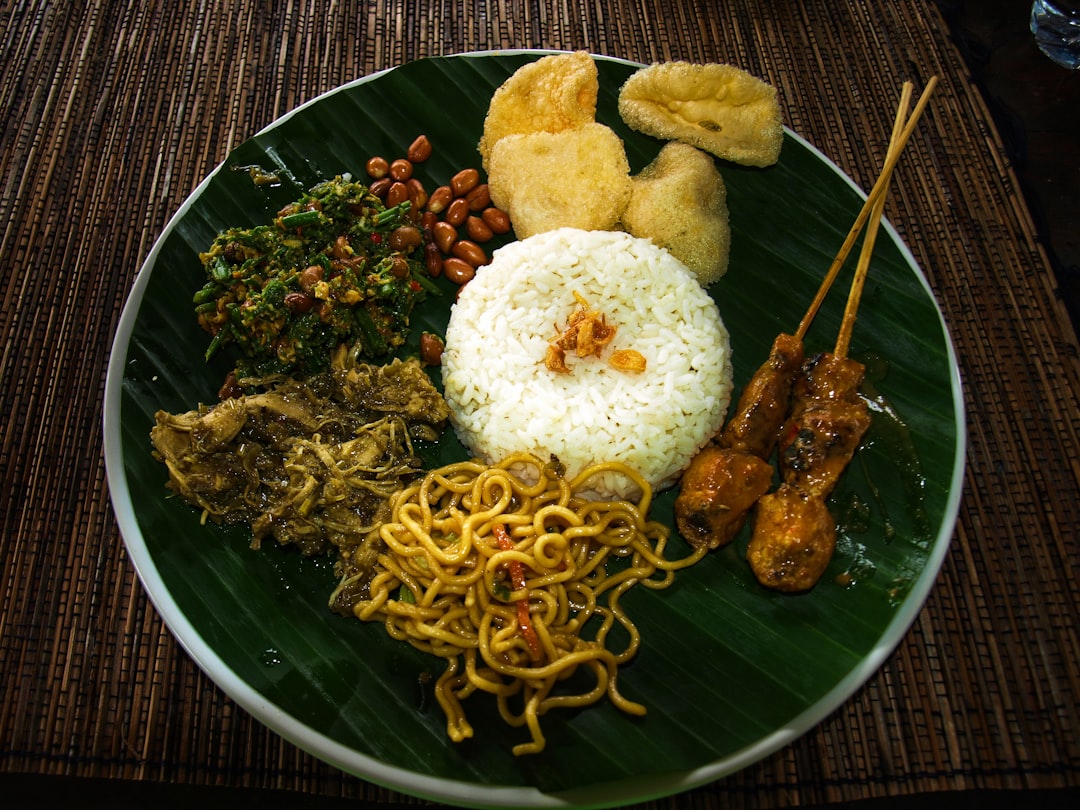
Nasi Ayam Kedewatan Ibu Mangku is the warung I send everyone to. Located on Jalan Raya Kedewatan, about 15 minutes from central Ubud by scooter, it has been serving the same dish since the 1960s. There is one item on the menu: nasi ayam campur Bali, a plate of rice with shredded spiced chicken, sate lilit (minced chicken satay grilled on lemongrass sticks), lawar (mixed vegetables), a boiled egg, crispy chicken skin, and peanuts. The sambal is genuinely, memorably spicy. Walk through the front room to the back garden, where traditional gazebos sit over koi ponds. It is one of the few traditional Balinese chicken rice spots with no pork or lard, making it accessible to Muslim travelers. It opens at 6:30 AM, which means you can get an extraordinary Balinese breakfast before the tourist day begins.
Warung Bu Ade is a nasi campur spot that locals and long-stay expats swear by. Bu Ade serves one thing: a plate of rice with a rotating selection of dishes she has been preparing since 4:00 AM. You choose between a vegetarian version and one with chicken. The selections change daily, which is the whole point. Nasi campur is how you learn what Balinese home cooking actually tastes like. The warung opens early and closes when the food runs out, often by mid-afternoon.
Yellow Flower Cafe on Jalan Pengosekan is technically a warung despite its name. No espresso machine, no smoothie bowls, no Wi-Fi password on the wall. What it has is honest Indonesian home cooking at local prices. The nasi campur here has the kind of depth that comes from someone who has been making the same base spice pastes for years. A full meal costs well under IDR 50,000. The crowd is a genuine mix of Balinese workers on lunch break, expats who have found their regular spot, and the occasional traveler who wandered in.
For a splurge, seek out bebek betutu, Balinese slow-roasted duck marinated in a complex paste of turmeric, ginger, galangal, garlic, shallots, and chili, then wrapped in banana leaves and cooked for hours. It is a ceremonial dish that some warungs and restaurants prepare with a day’s notice. Ask your accommodation where to find it locally rather than going to the most marketed restaurant. The version I had at a small family warung outside Ubud center, ordered the night before, was one of the best meals I have eaten in Indonesia.
Ubud’s cafe culture is real and worth engaging with on its own terms. The town has a concentration of coffee shops that would not feel out of place in Melbourne or Lisbon. But treat them as a complement to warung eating, not a replacement. A flat white at a Jalan Hanoman cafe is a fine morning ritual. A plate of nasi campur at a warung is where you actually understand the place.
Shopping In Ubud, Bali
The Ubud Traditional Art Market, Pasar Seni Ubud, is the central market on Jalan Raya Ubud. It operates in two shifts: a local food market starting around 4:00 AM, and an art and craft market from about 9:00 AM onward. The morning food market is where locals buy produce, and it is worth visiting just to see the rhythm of daily life. By mid-morning, the stalls transition to the crafts and souvenirs that most travelers see.
Bargaining is expected here. The approach I use: arrive between 8:00 and 9:00 AM, when Balinese sellers believe the first sale of the day brings good luck (harga pagi, or morning price) and are more likely to accept a lower offer to start the day well. Start at 40 to 50 percent of the quoted price, keep the conversation friendly, and use the phrase mahal sekali (too expensive) with a smile. If you cannot agree, walk away politely. If the vendor calls you back, you have found their real floor. If they do not, the price was already fair.
What is genuinely worth buying at the Ubud market:
- Hand-dyed batik textiles: Look for pieces where the pattern is visible on both sides of the fabric, which indicates genuine hand-dyed work rather than printed fabric. Expect to pay $20 to $50 for a quality piece.
- Wood carvings: From small Garuda figures to larger wall panels. Heavier pieces tend to be better wood. Check the grain and finish closely, as quality varies wildly between stalls.
- Silver jewelry: Many pieces come from Celuk village, the silversmithing center near Ubud. Simple rings and earrings start at single-digit dollar amounts.
- Rattan and bamboo bags: The round Ata grass bags have become iconic Bali souvenirs. Check strap strength and finishing details.
- Traditional masks: Barong and Rangda masks for display. Look for hand-carved rather than molded pieces.
One tip I cannot stress enough: bring small cash notes. Most stalls do not accept cards, and having IDR 10,000 and 20,000 notes makes bargaining smoother. Also, compare prices at two or three stalls before committing to a purchase, especially for textiles and jewelry, where the gap between handmade and mass-produced can be hard to spot.
Bars And Nightlife In Ubud, Bali
Ubud is not a nightlife destination, and that is part of its appeal. If you are looking for beach clubs and late-night partying, you want Canggu or Seminyak. Ubud’s after-dark scene is low-key: a few cocktail bars, some live music venues, and the evening dance performances at the palace and various temples.
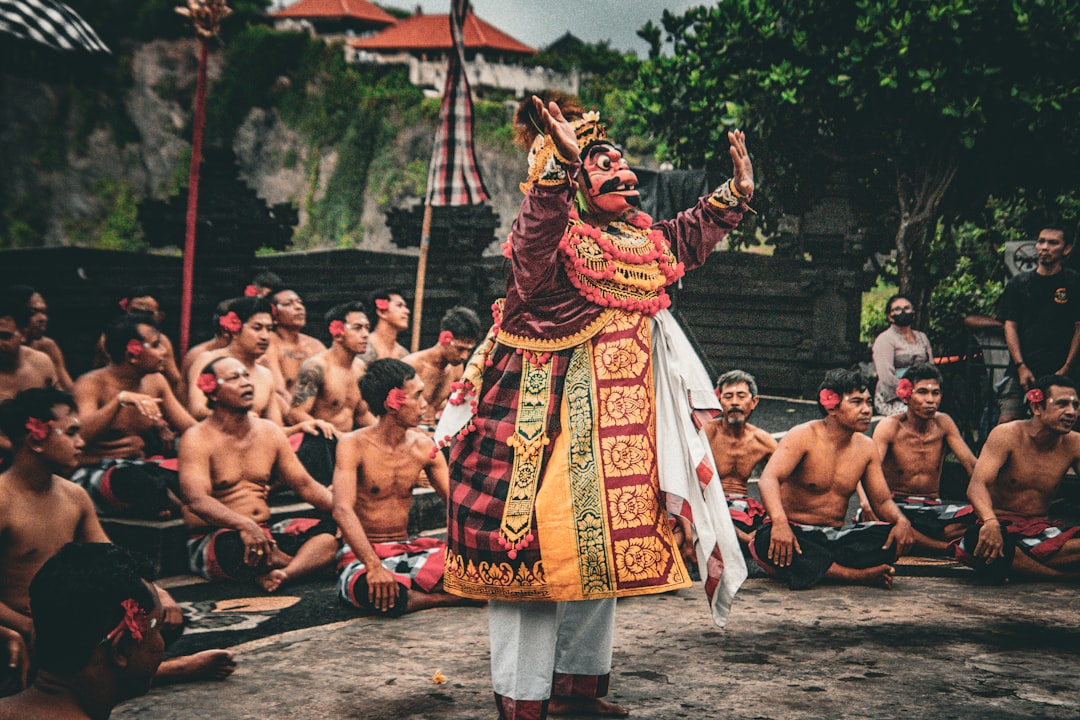
The Kecak fire dance at Pura Dalem Taman Kaja is the evening event I would prioritize. It is more intimate than the version at Uluwatu Temple, and the setting, an open courtyard with a temple gate as backdrop, is atmospheric. The performance involves dozens of men chanting in rhythmic unison without instruments, while dancers act out scenes from the Ramayana. The climax involves a horse made of coconut leaves being set alight and a performer walking through the flames. Tickets cost around IDR 100,000 to 150,000.
For drinks, the bars along Jalan Hanoman and Jalan Gootama offer a relaxed scene: cold Bintang, basic cocktails, and occasionally live acoustic music. Nothing here feels like a destination venue. That is fine. Ubud evenings are better spent having a long dinner at a warung, catching a dance performance, and walking home through quiet streets that smell of frangipani and incense.
When Is The Best Time To Visit Ubud, Bali?
The best time to visit Ubud is during the dry season, from April to October. Within that window, May, June, and September are the sweet spots: dry weather, lower humidity, fewer crowds than the July-August peak, and more reasonable accommodation rates. Ubud sits at a higher elevation than the coast, so it is noticeably cooler and less humid year-round, which makes walking and hiking more pleasant.
| Season | Months | Weather | Crowds | Best For |
|---|---|---|---|---|
| Dry (peak) | July to August | Sunny, low humidity, coolest temps | Highest | Cultural events, dance festivals |
| Dry (shoulder) | April to June, September | Sunny, low humidity | Moderate | Best overall value and weather |
| Wet | November to March | Rain, high humidity, warm | Lowest | Fewer crowds, greenest rice terraces, lower prices |
My personal favorite month is September. The weather is still dry, the peak-season crowds have thinned as European and Australian school holidays end, and the rice terraces are still green from the previous wet season. Hotel rates start to drop, and you can walk the Campuhan Ridge at sunrise without feeling like you are in a parade.
If you are visiting in March, be aware of Nyepi, the Balinese Day of Silence. On this day, the entire island shuts down: no flights, no traffic, no activities, no restaurants, and even lights are kept low. The airport closes for 24 hours. It is a profound experience if you know it is coming and are prepared to spend a quiet day at your accommodation. It can completely derail a tight itinerary if you arrive unaware. The date changes each year based on the Balinese Saka calendar, so check the timing before you book.
How Many Days Do You Need In Ubud, Bali?
For a first visit, I recommend three to four full days in Ubud. Two days is enough to hit the headline attractions, but you will spend most of your time in transit between sites and leave feeling rushed. Three days lets you combine the major sights with slower experiences: a morning at the rice terraces, an afternoon at Tirta Empul, a dance performance in the evening, a market wander, a long warung lunch, and time to simply walk the back streets.
Here is a shape that works well:
Day 1: Arrive and settle in. Walk the Campuhan Ridge at golden hour. Explore central Ubud: the market, the palace, Monkey Forest Road. Have dinner at a warung and catch a 7:30 PM dance performance at the palace.
Day 2: Early start for Tegallalang Rice Terraces (arrive by 7:30 AM). Continue to Tirta Empul for the purification ritual. Stop at Goa Gajah on the way back. Long lunch at a local warung. Afternoon at the Monkey Forest or a cooking class.
Day 3: Choose one deeper experience: a village walk through the rice paddies outside central Ubud, a craft workshop (silver-making in Celuk, batik in the villages south of town), or a waterfall trip to Tibumana and Kanto Lampo. Slow afternoon, market shopping, farewell dinner.
If you are a digital nomad planning a longer stay, one to two weeks gives you time to settle into a rhythm: mornings working from a cafe or coworking space, afternoons exploring, evenings at warungs or performances. The Rider Chris Bali vacation guide covers the broader planning picture if you are splitting time between Ubud and the coast.
Where To Stay In Ubud, Bali
Where you base yourself in Ubud shapes your experience as much as the activities you choose. The town has three main areas, each with a different character and price range.
Central Ubud (Near Monkey Forest Road and Jalan Raya)
This is the most convenient base if you want to walk to the market, palace, Monkey Forest, and the main concentration of cafes and restaurants. The trade-off is noise and crowds. Central Ubud gets busy by mid-morning and stays that way until late evening.
- Budget: Hostel dorm beds from $10 to $15 per night. Simple guesthouses with fan rooms from $20 to $30.
- Mid-range: Comfortable hotels and small villas with pools from $50 to $100. The sweet spot for most travelers.
- Luxury: Boutique resorts and pool villas from $150 to $300+. Central Ubud has fewer of these than the outskirts.
Penestanan
This is the sweet spot for digital nomads and longer-stay travelers. Penestanan is a 10 to 15 minute walk from central Ubud, across the Campuhan River, and it is quiet enough for focused work but close enough that you are not isolated. The area has a mix of homestays, guesthouses, and small villas, plus a growing cluster of cafes. Coworking spaces like Outpost Ubud provide reliable Wi-Fi and a community of remote workers. I would base myself here if I were staying a week or more.
- Budget: Guesthouses from $20 to $35 per night, often including breakfast.
- Mid-range: Stylish guesthouses and small villas from $50 to $120.
- Long-stay: Monthly villa rentals from $500 to $900, noticeably cheaper than equivalent options in Canggu.
Outskirts: Sayan, Kedewatan, and the Villages North of Town
If you want jungle views, valley panoramas, and a sense of retreat, the areas west and north of central Ubud are stunning. Sayan and Kedewatan sit above the Ayung River valley, and some of Bali’s most beautiful resorts are here. The trade-off is distance: you will need a scooter or driver to get anywhere, and the nearest warung or convenience store may be a 15-minute ride.
- Budget: Limited. A few homestays in the villages, but this is not a backpacker area.
- Mid-range: Jungle-view guesthouses and small resorts from $80 to $150.
- Luxury: This is where you find the flagship resorts. Pool villas and luxury retreats from $200 to $500+.
How Do You Get Around In Ubud, Bali?
Ubud is more walkable than Canggu or Seminyak, but only in the center. Once you head out to the rice terraces, waterfalls, or outlying villages, you need transport. Here is how I handle it.
Walking
Central Ubud is compact enough that you can walk between the market, palace, Monkey Forest, and most cafes within 10 to 15 minutes. Sidewalks are inconsistent: some streets have them, others do not, and you will often find yourself walking on the road shoulder. Watch for scooters, especially on narrow lanes. The Campuhan Ridge Walk is the best walking route in town and requires no transport at all if you are staying centrally.
Scooter
Scooter rental in Ubud costs around IDR 70,000 to 100,000 per day (roughly $5 to $7). It gives you complete freedom to explore at your own pace, and the roads to Tegallalang, Tirta Empul, and the surrounding villages are generally in decent condition. The narrow village lanes can be challenging in the rain, and Ubud’s one-way system in the center takes a day or two to figure out.
If you ride, you are legally required to carry an International Driving Permit with a motorcycle endorsement. Indonesia is a 1968 Vienna Convention country, so you need the 1968 IDP format specifically. Police in tourist areas do check, and the fine for riding without one is not worth the risk. If you have never ridden a scooter before, Bali is not the place to learn. The traffic patterns, left-hand driving, and occasional aggressive overtaking demand real confidence.
Grab and Gojek
Ride-hailing apps work in Ubud, but with some friction. Local transport groups have historically pushed back against ride-hailing in certain areas, so your driver may ask you to meet at a designated pickup point rather than your exact location. Grab and Gojek motorbike rides are cheap, usually IDR 15,000 to 40,000 for short trips within Ubud. Car rides cost more but are useful if you are carrying luggage or traveling with a group. Download both apps before you arrive.
Private Driver
For a full day of sightseeing, a private driver costs IDR 500,000 to 800,000 per vehicle (about $35 to $55 total, not per person). This is the option I recommend if you want to visit multiple sites in different directions from town, if you are not comfortable on a scooter, or if you want a driver-guide who can explain the cultural significance of what you are seeing. Split between two or more travelers, the per-person cost is often comparable to a group tour, with far more flexibility.
If you are still sorting out your arrival logistics, my guide to flying to Bali covers airports, visas, the tourist tax, and how to get from Denpasar to Ubud, which is about a 60 to 90 minute drive inland.
Ubud Versus Canggu: Which Should You Choose?
This is the question I get most often from travelers planning a Bali trip, especially digital nomads and long-stay visitors. The short answer: Ubud and Canggu offer fundamentally different versions of Bali, and choosing between them depends on what you want your daily life to look like.
Choose Ubud if you want culture, nature, and a slower rhythm. Ubud has no beach, but it has rice terraces, jungle valleys, waterfalls, and temples that are part of daily life, not museum exhibits. The cost of living is lower: accommodation, warung meals, and even mid-range villas generally cost 20 to 30 percent less than equivalent options in Canggu. Central Ubud is walkable, which means you are not dependent on a scooter for every errand. The coworking scene is smaller but functional, with spaces like Outpost Ubud and Ubud Space providing reliable Wi-Fi. The crowd tends toward writers, designers, yoga practitioners, and anyone who values quiet focus over social networking.
Choose Canggu if you want surf, social energy, and a larger nomad community. Canggu has direct beach access, a dense concentration of coworking spaces and laptop-friendly cafes, and a social scene that makes it easy to meet people within your first week. The trade-offs are real: traffic is genuinely terrible, prices are the highest in Bali, and the area can feel like a nomad bubble disconnected from Balinese culture. One-bedroom villas run $700 to $1,200 per month on annual-style leases, higher for month-to-month bookings in peak season.
My advice for first-time visitors with more than a week: do both. Spend a few days in Canggu for the surf and social energy, then head inland to Ubud for culture and grounding. The contrast is what makes Bali click. If you only have time for one and culture is your priority, Ubud is the clear choice. If your priority is beach life and community, Canggu wins. For a different flavor of Bali’s coastline, Seminyak offers a more polished dining and hotel scene, while Uluwatu delivers dramatic clifftop landscapes and some of the island’s best surf breaks. If you want to escape the mainland entirely, Nusa Penida offers rugged, cinematic scenery that feels worlds away from Ubud’s rice paddies.
Conclusion
Ubud, Bali is not a checkpoint on a Bali itinerary. It is the place where the island’s cultural identity is most visible, most layered, and most worth your time if you are willing to slow down and pay attention. The rice terraces are beautiful, yes, but so is the sound of gamelan drifting from a family compound at dusk, the taste of sambal that has been made the same way for decades, and the feeling of walking through a village where daily offerings still structure the rhythm of life.
Skip the performative stuff. Go early to the places that matter. Eat at warungs where the menu is whatever the cook prepared that morning. Participate in rituals with respect, or watch from the side with the same. Ubud rewards travelers who treat it as a living cultural center rather than a photo backdrop.
Have you been to Ubud? Drop your tips in the comments. I would love to hear about the warungs, walks, or quiet corners that made your visit memorable. And if you are planning a wider Bali trip, the team at Rider Chris has guides covering the island’s different regions to help you build an itinerary that actually fits your travel style.
Frequently Asked Questions
How many days do you need in Ubud, Bali?
Three to four full days is ideal for a first visit. Two days covers the headline attractions but feels rushed. Three days lets you combine major sights like Tegallalang Rice Terraces and Tirta Empul with slower experiences like warung meals, market wandering, and dance performances.
Is Ubud or Canggu better for digital nomads?
It depends on your priorities. Ubud is better for quiet focus, lower cost of living, walkability, and cultural immersion. Canggu is better for surf, social networking, and a larger coworking community. Ubud accommodation runs 20 to 30 percent cheaper than Canggu, but has fewer laptop-friendly cafes.
What should I eat in Ubud, Bali?
Skip the tourist cafes and eat at warungs. Nasi Ayam Kedewatan Ibu Mangku has served the same spicy Balinese chicken rice since the 1960s. Warung Bu Ade offers rotating nasi campur plates. For a splurge, order bebek betutu (slow-roasted duck) a day in advance from a local warung.
Do I need a scooter in Ubud?
Central Ubud is walkable, but you need transport for outlying attractions like Tegallalang Rice Terraces, Tirta Empul, and waterfalls. Scooter rental costs IDR 70,000 to 100,000 per day. You must carry a 1968 International Driving Permit with motorcycle endorsement. Alternatively, hire a private driver for IDR 500,000 to 800,000 per day.
What is the best time to visit Ubud, Bali?
May, June, and September offer the best balance of dry weather, manageable crowds, and reasonable prices. July and August are peak season with the best weather but highest prices and crowds. November to March is wet season with fewer tourists, lower prices, and the greenest rice terraces.