
Bali Vacation: Where to Stay, What to Do & Costs
Planning a Bali vacation can feel overwhelming because the island offers so much, and the advice out there ranges from glossy resort brochures to vague forum posts. I’ve spent enough time bouncing around Bali’s different areas to know that where you stay, when you go, and how you get around make or break the experience. This guide breaks all of that down: areas compared side by side, real cost numbers, the best months to go, and the practical logistics that most guides skip.
Whether you’re a solo traveler chasing surf and cheap eats, a couple wanting a romantic villa escape, or a family looking for calm beaches and a resort setup, Bali has a version of itself that fits. The trick is matching the right area to your travel style and setting a budget that gives you the experience you actually want.
Is Bali the Right Destination for You?
Bali works for almost every type of traveler, but it rewards those who arrive with a plan. The island is more developed and more crowded than many first-time visitors expect. Parts of the south coast are heavily built up, traffic in Canggu and Seminyak can be genuinely awful, and plastic waste on beaches is a real issue during the wet season. If you’re picturing endless empty rice paddies and quiet temples at every turn, you’ll be disappointed in the busy areas and delighted when you venture inland or north.
The magic of a Bali vacation happens when you balance the popular spots with the quieter corners. Spend a few days in Seminyak or Canggu, then head to Ubud and beyond. That contrast is what makes Bali memorable rather than just another beach destination.
Who Bali Suits Best
Solo travelers will find Bali one of the easiest destinations in Southeast Asia. It’s affordable, social, and the scooter culture gives you independence once you get comfortable on two wheels. Hostels in Canggu and Ubud are full of other travelers, and it’s genuinely easy to meet people at cafes, surf lessons, and co-working spaces.
Couples get the romantic side of Bali without paying Maldives prices. Villa resorts with private pools, beachfront dinners at sunset, and temple visits at golden hour make the island genuinely special. Seminyak and Uluwatu are the areas I’d point couples toward first.
Families should look at Sanur and Nusa Dua. Both offer calm, reef-protected beaches where kids can actually swim, and resort setups that make logistics manageable. Bali is also affordable enough that a family villa costs less than a standard hotel room in many Western destinations.
If you’re a motorcycle traveler or overlander, Bali’s interior has some of the best riding in the region. The mountain roads through Kintamani, Munduk, and the Bedugul area are worth the trip alone. If you’re arriving on your own bike or planning to rent a scooter, make sure you understand the licensing requirements before you ride. Our guide to the International Driving Permit covers what you need to know about riding legally in Indonesia and elsewhere in Southeast Asia.
What Bali Is Not
Let me be honest about expectations. Bali is not a pristine, untouched island. It’s a booming tourism destination that gets millions of visitors a year. The south is crowded, the traffic can drain your patience, and the gap between Instagram Bali and real Bali is real. But that doesn’t make it any less worth visiting. It just means you should plan smart, choose your areas deliberately, and don’t try to see everything in four days.
Where to Stay in Bali: Areas Compared
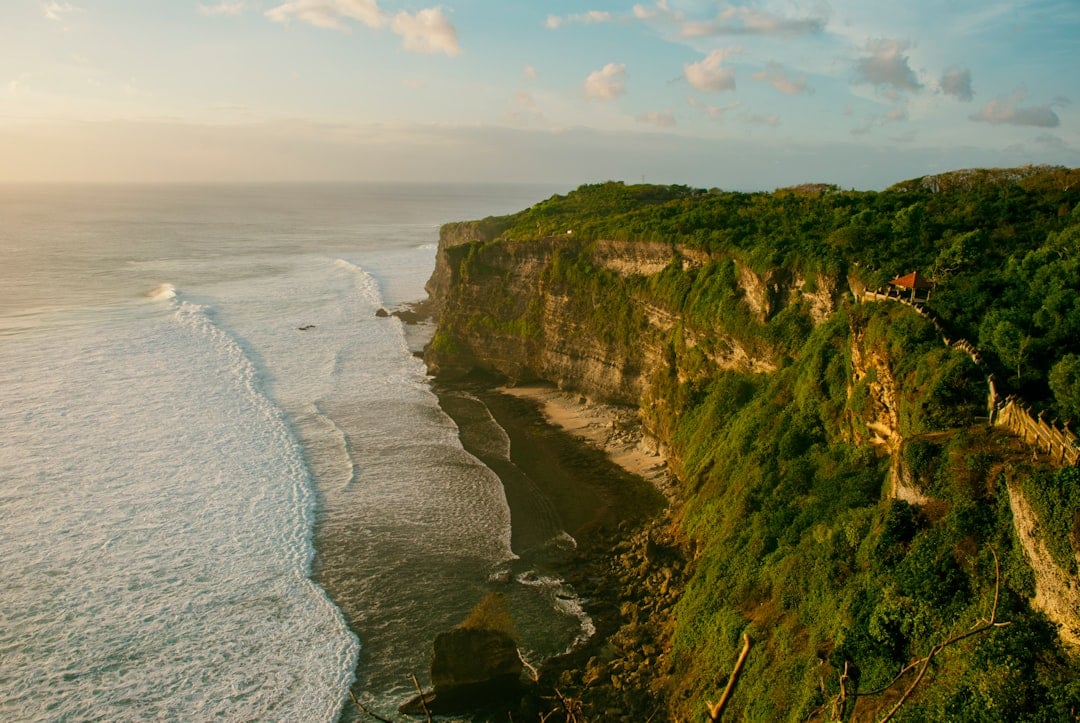
Choosing where to base yourself shapes your entire Bali experience more than any other decision. Each area has a distinct personality, and getting between them can take longer than you’d expect because of traffic. A 15-kilometer trip from Canggu to Ubud can take an hour or more during peak times. Here’s how I’d break down the six main areas:
| Area | Vibe | Best For | Nightly Budget (USD) |
|---|---|---|---|
| Seminyak | Upscale beachside dining, beach clubs, shopping | Couples, first-timers | $50 to $300+ |
| Canggu | Surf culture, trendy cafes, digital nomads | Solo travelers, young couples | $15 to $200+ |
| Ubud | Cultural heart, rice terraces, yoga, temples | Nature lovers, culture seekers | $25 to $250+ |
| Uluwatu | Clifftop beaches, surfing, dramatic sunsets | Couples, surfers | $40 to $300+ |
| Sanur | Calm reef-protected beach, relaxed pace | Families, older travelers | $30 to $200+ |
| Nusa Dua | Gated luxury resort enclave, private beach | Luxury travelers, families | $100 to $500+ |
Seminyak
Seminyak is where I’d send first-time visitors who want the classic Bali beach holiday. You get sunset beach clubs like Potato Head and Ku De Ta, excellent restaurants ranging from high-end to casual, boutique shopping along Jalan Kayu Aya, and a beach that’s actually swimmable. It’s more refined than Kuta, less chaotic than Canggu, and centrally located enough that day trips to other areas are manageable.
Accommodation ranges from $50 guesthouses to $500+ villa resorts. The sweet spot for most travelers is in the $80 to $150 range, where you get a comfortable hotel or a private villa with a pool. If you’re staying a week or more, villa rentals offer excellent value for groups and families.
Canggu
Canggu has become Bali’s boom town. If Seminyak is the established older sibling, Canggu is the younger one with a surfboard and a flat white. The area is packed with trendy cafes, co-working spaces, and beach clubs like The Lawn and Finns. It’s the center of Bali’s digital nomad scene, and the energy is contagious if you like that vibe.
The downside is traffic. Canggu’s single-lane roads were never built for the volume of scooters and cars now using them. A short trip across the area can take 30 minutes during rush periods. If you stay here, pick accommodation close to the beach or to wherever you plan to spend most of your time. Budget travelers can find dorm beds from $15 to $20, while private villas start around $60 to $80 per night for something decent.
Ubud
Ubud is Bali’s cultural heart. No beach, but you get the Tegallalang Rice Terraces, the Sacred Monkey Forest, dozens of temples, yoga studios, and an arts scene that has been thriving for decades. If you want to experience Balinese Hindu culture, temple ceremonies, and traditional dance performances, this is your base.
Ubud sits in the hills, so it’s noticeably cooler than the coast, which is a relief after a few days in the southern heat. Accommodation is excellent value here. Beautiful jungle-view guesthouses start at $25 to $40, and stunning pool villas run $80 to $150. Ubud is also where you’ll find some of Bali’s best cooking classes and craft workshops.
Uluwatu
Uluwatu is the dramatic one. Cliffs drop into the Indian Ocean, beaches sit at the bottom of steep staircases, and the sunsets from clifftop bars like Single Fin are among the best you’ll see anywhere in the world. The Bukit Peninsula, where Uluwatu sits, also has some of Bali’s best surf breaks.
This area suits couples and surfers more than families, since the beaches are less swim-friendly due to strong currents and steep access. But if you want a Bali that feels more rugged and cinematic than the beach club scene, this is it. Villas and hotels start around $40 and go well into the hundreds.
Sanur
Sanur is the calm, no-drama option. The beach is protected by a reef, so the water is flat and shallow, making it ideal for swimming with kids. A paved beachfront path runs for kilometers, perfect for morning walks or cycling. It’s quieter than Seminyak and Canggu, with an older demographic and a slower pace that some travelers find refreshing after the chaos of the south.
If you’re traveling as a family or just want a relaxed beach stay without the party scene, Sanur is hard to beat. Hotels start around $30 to $40 for decent mid-range options, and the food scene leans toward local warungs and casual beachside cafes rather than upscale dining.
Nusa Dua
Nusa Dua is Bali’s luxury enclave. It’s a gated tourism area with manicured grounds, five-star resorts, and a private beach that’s kept clean and secure. It feels almost nothing like the rest of Bali, which is either a positive or a negative depending on what you’re after.
This is where I’d send families who want a resort where everything is taken care of, or travelers who want a pure luxury experience without worrying about logistics. Prices start around $100 and climb rapidly from there. You won’t find much local character here, but you will find peace, clean beaches, and impeccable service.
What to Do on a Bali Vacation
Bali packs an enormous range of activities into a relatively small island. You can surf in the morning, visit a thousand-year-old temple at midday, and watch a traditional dance performance by sunset. Here’s what I’d prioritize, grouped by type of experience.
Temples and Cultural Sites
Tirta Empul is the holy water temple where Balinese Hindus come for purification rituals. You can participate respectfully if you follow local guidance on dress and behavior. Arrive early to avoid busloads of tour groups. Tanah Lot is a temple perched on a rock formation in the sea, and while it’s touristy, the sunset view is genuinely stunning. Go in the late afternoon and stay for the light.
Uluwatu Temple sits on a clifftop with resident monkeys that are notorious for snatching sunglasses and phones, so keep everything secured. The Kecak fire dance performance here at sunset is one of Bali’s most iconic experiences, and it’s worth booking a ticket in advance during peak season. Goa Gajah, the Elephant Cave near Ubud, is a compact but fascinating 9th-century archaeological site that most visitors rush through in 20 minutes but deserves more time if you’re interested in Balinese history.
Rice Terraces and Nature
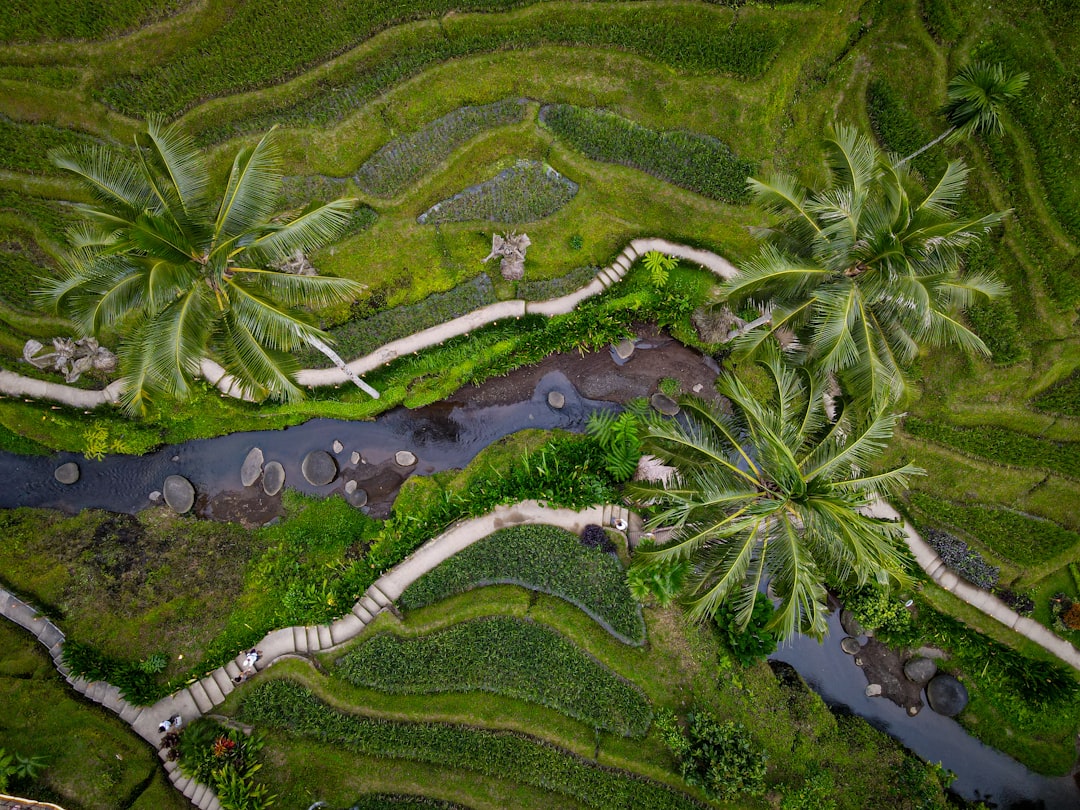
The Tegallalang Rice Terraces north of Ubud are the most photographed, and they’re beautiful, but they get crowded by mid-morning. If you want a quieter experience, head further north to the Jatiluwih Rice Terraces, a UNESCO-listed site that’s less touristy and far more expansive. The drive there takes you through some of Bali’s most scenic countryside.
For waterfalls, Tegenungan is the most accessible from Ubud but also the most crowded. Sekumpul, further north, is the most spectacular and requires a bit of a trek to reach, so wear proper shoes. Munduk and Melanting waterfalls in the north are beautiful and far less visited. If you’re doing a northern Bali loop, these are worth including.
Beaches and Surfing
Kuta and Legian are good for beginner surfing lessons, but the beach is busy and not the cleanest. Seminyak and Batu Bolong offer better beach clubs and a more pleasant atmosphere for spending a full day. Padang Padang on the Bukit Peninsula is a small, beautiful cove beach that was featured in the movie Eat Pray Love, and it’s worth the steep staircase down.
If you’re willing to take a boat, Nusa Penida is an island off Bali’s southeast coast with dramatic cliffs and crystal-clear water. The famous Kelingking Beach viewpoint looks like a T-rex head rising from the ocean. It’s worth a day trip or an overnight stay if you want to escape the mainland crowds.
Mount Batur Sunrise Trek
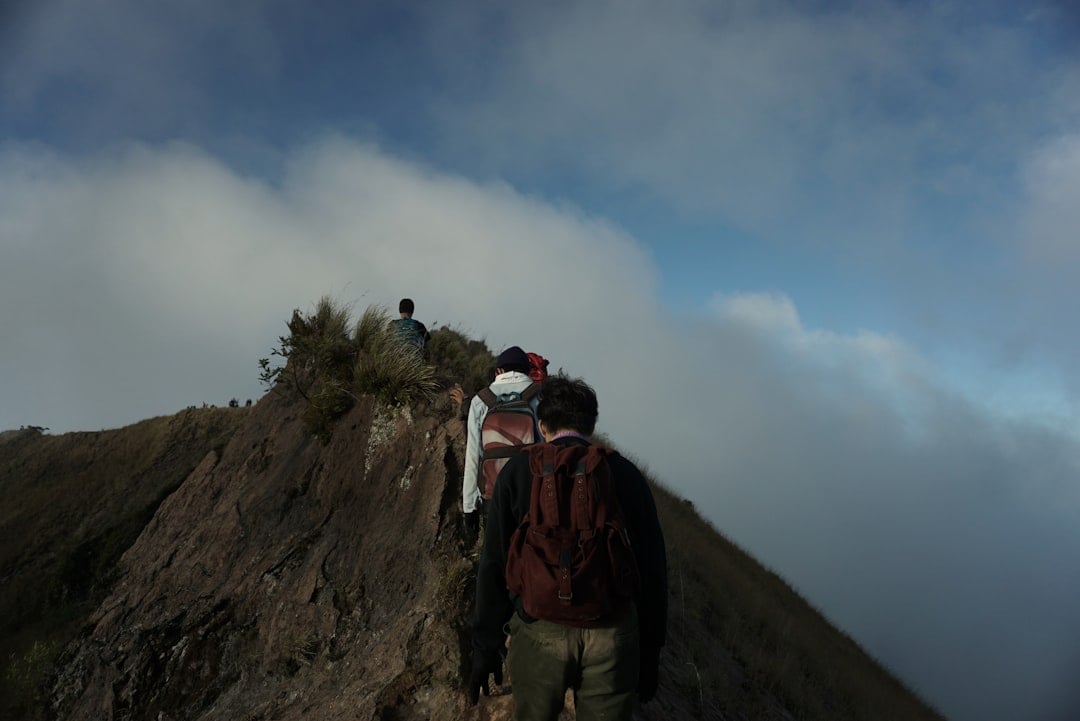
One of Bali’s most popular activities is hiking Mount Batur, an active volcano, for sunrise. You start around 2 AM, trek for about two hours, reach the summit by dawn, and watch the sun rise over Mount Agung and the surrounding caldera. It’s touristy, and you won’t be alone at the top, but the view is real and genuinely spectacular.
You must go with a local guide, which is non-negotiable and also a good thing since the trail in the dark can be tricky. Bring a jacket because it’s genuinely cold at the summit before sunrise, and wear proper shoes, not flip-flops. Most hotels in Ubud can arrange the trek for around $35 to $50 including transport and guide.
Cooking Classes and Cultural Workshops
If you want to connect with Balinese culture beyond sightseeing, a cooking class is one of the best ways. You’ll typically visit a local market in the morning, learn to prepare dishes like nasi goreng, satay, and lawar, and eat what you cook. Ubud has the best selection of cooking schools, and most are suitable for beginners. It’s also a great activity for families with older kids who enjoy being hands-on.
How Much Does a Bali Vacation Cost?
Bali is one of the few destinations where you can genuinely travel on $30 a day or spend $500 a day and have an equally good time. The range is enormous. Here’s a breakdown by category and budget tier to help you plan realistically.
| Category | Budget (USD/day) | Mid-Range (USD/day) | Luxury (USD/day) |
|---|---|---|---|
| Accommodation | $10 to $20 | $50 to $120 | $200 to $500+ |
| Food and Drinks | $10 to $15 | $25 to $50 | $80 to $200+ |
| Transport | $3 to $5 | $10 to $25 | $40 to $80 |
| Activities | $5 to $15 | $15 to $40 | $50 to $150 |
| Total per day | $28 to $55 | $100 to $235 | $370 to $930+ |
Accommodation Costs
Hostels in Canggu and Ubud start at $10 to $15 for a dorm bed. Private rooms in guesthouses run $20 to $40. For $50 to $80, you can get a comfortable hotel room or a basic private villa. At $120 and above, you’re in proper villa territory with a private pool, air conditioning, and daily housekeeping.
In Nusa Dua and Seminyak, the luxury tier starts at $200 and goes up to $1,000+ for high-end resort villas. Booking directly with the property sometimes gets you better rates or extras like airport transfers and breakfast. For longer stays of two weeks or more, negotiate directly with villa owners for significant discounts.
Food Costs
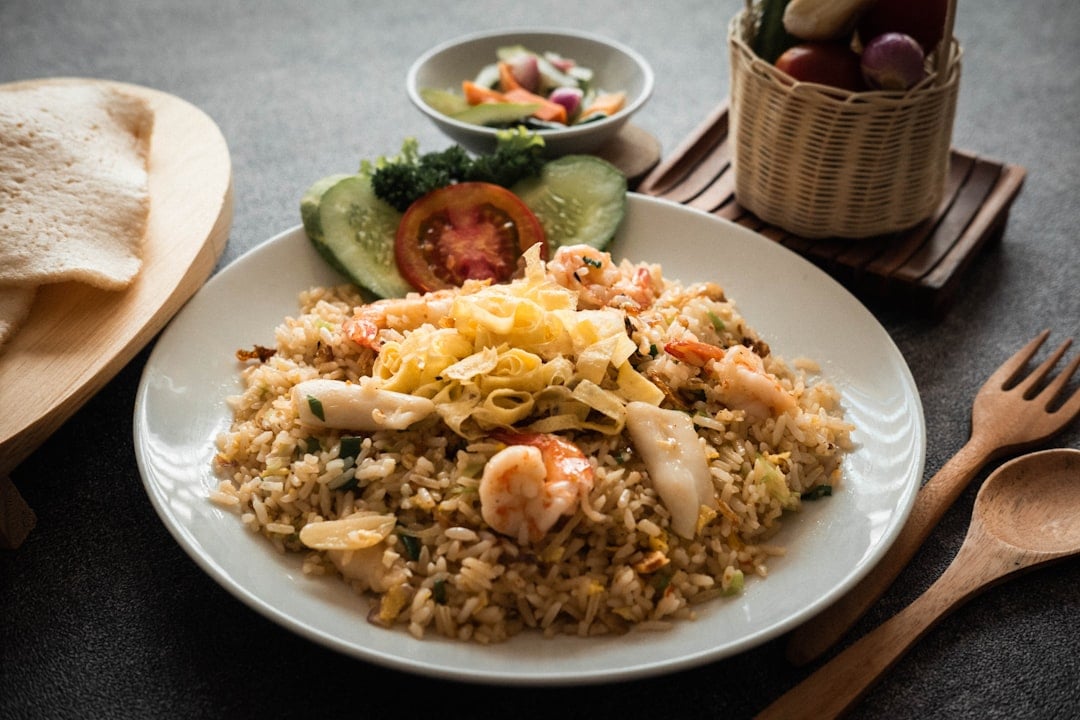
A meal at a local warung, the small family-run eateries found everywhere in Bali, costs $1.50 to $3. Nasi goreng, mie goreng, and satay are the staples, and they’re genuinely delicious when you find a busy place with high turnover. Mid-range restaurants charge $5 to $15 per meal. At upscale restaurants in Seminyak and Canggu, expect $20 to $40 per person.
Coffee at a trendy cafe in Canggu runs $2 to $4 for a flat white or cappuccino. A large Bintang beer at a beach bar is $3 to $5. Cocktails at beach clubs start around $8 and go up from there. If you eat at warungs and drink locally, food and drinks are incredibly cheap. If you gravitate toward the cafe and beach club scene, costs add up faster than you’d expect.
Transport Costs
Scooter rental is $3.50 to $5.50 per day, making it the most affordable way to get around. Grab and Gojek, the ride-hailing apps, cost $1 to $4 for most short trips within the main areas. A private driver for a full day costs $35 to $50, which is worth it if you’re visiting multiple sites or traveling as a group and splitting the cost.
Activity Costs
Temple entrance fees are typically $2 to $3.50, sometimes including a sarong rental. Surf lessons cost $25 to $40 for a half-day including board rental. The Mount Batur sunrise trek with guide and transport runs $35 to $50. Spa treatments start at $7 to $15 for a one-hour Balinese massage at local spas, and climb to $50+ at resort spas.
A day trip to Nusa Penida by fast boat costs around $35 to $50 per person depending on whether you book independently or through a tour operator. Cooking classes in Ubud run $25 to $40 for a half-day including market visit and meal.
Best Time to Plan a Bali Vacation
The best time for a Bali vacation is during the dry season, which runs from April to October. May, June, and September are the sweet spots: dry weather, lower humidity, and fewer crowds than the peak July-August period. Here’s how the seasons break down.
Dry Season (April to October)
April and May are ideal. The rains have just ended, everything is green and lush, and the crowds haven’t arrived yet. Hotel rates are still at shoulder-season levels. June is dry and pleasant but starts getting busier as Australian and European school holidays approach.
July and August are peak season. The weather is at its best, but this is when prices are highest, beaches and beach clubs are most crowded, and traffic is at its worst. If you’re traveling during this period, book accommodation well in advance and accept that you’ll be sharing Bali with a lot of other visitors.
September is my personal favorite month. The weather is still dry, the peak crowds have thinned out as school holidays end, and the water is clear for snorkeling and diving. Hotel rates start to drop. If you have flexibility in when you go, aim for September.
Wet Season (November to March)
November to March brings rain, humidity, and the occasional torrential downpour. But it’s not all bad. The rice terraces are at their greenest and most photogenic, hotel prices drop significantly, and the crowds thin out dramatically. If you don’t mind afternoon rain and want a quieter, cheaper Bali experience, this can be a good time to go.
January and February are the wettest months. Some days it rains for hours; others you’ll get a brief afternoon shower and sunshine otherwise. It’s unpredictable, so plan indoor-friendly activities like spa days, cooking classes, and museum visits as backup options. Surfing is actually excellent during this period on the Bukit Peninsula’s west-facing beaches, as the wet season brings consistent swells.
Nyepi (Day of Silence)
If you’re visiting in March, be aware of Nyepi, the Balinese New Year. On this day, the entire island shuts down completely: no flights in or out, no traffic, no activities, no restaurants open, and even lights are kept low. The airport closes for 24 hours. It’s actually a beautiful, unique experience if you know it’s coming and are prepared to spend a quiet day at your hotel or villa. But it can derail a tight itinerary if you arrive unaware.
Practical Bali Vacation Planning Tips
The logistics of getting in, staying connected, managing money, and moving around Bali are straightforward once you know the basics. Here’s what I’ve learned from doing it myself.
Visa and Entry
Most nationalities can enter Bali either visa-free for 30 days under the Visa Exemption arrangement, or get a Visa on Arrival (VOA) for 30 days at a cost of 500,000 IDR, roughly $35 USD. The VOA can be extended once for another 30 days, which is useful if you decide to stay longer. You can also apply for the e-VOA online before arrival through Indonesia’s official e-VOA system, which saves you time at the airport immigration queue.
Always check current requirements for your specific nationality before your trip, as visa policies in Indonesia have changed multiple times in recent years. The information above reflects the current setup but verify before you fly.
SIM Cards and Connectivity
Getting a SIM card at the airport is straightforward. Telkomsel is the most reliable network across Bali, including rural and mountainous areas where other networks lose signal. A tourist SIM with 15 to 25 GB of data costs around $7 to $14 and is usually active immediately. You can also get an e-SIM if your phone supports it, which saves you from having to physically swap cards.
For staying connected and secure while using cafe Wi-Fi and airport networks, it’s worth thinking about your digital safety. Our guide on how to stay safe online while traveling covers VPNs, public Wi-Fi risks, and data protection tips that are relevant anywhere in Southeast Asia.
Money and Cash
The currency is the Indonesian Rupiah (IDR), and the exchange rate hovers around 15,000 IDR to 1 USD. Cash is still king in Bali, especially at warungs, small shops, scooter rental places, and parking attendants who charge a small fee at attractions. ATMs are everywhere in the main tourist areas, but carry enough cash when heading to remote areas, waterfalls, or northern villages where ATMs are sparse.
A good mental shortcut: 100,000 IDR is roughly $6.50 USD. Once you do the conversion a few times, the math gets intuitive. Most hotels, restaurants, and larger shops accept cards, but some add a 3% surcharge for card payments. Bring a card with no foreign transaction fees if your bank offers one. Money changers are everywhere, but stick to authorized ones like those with the “Authorized Money Changer” sign to avoid the rigged calculator scams that still happen in tourist areas.
Getting Around Bali
Scooter rental is the most common and affordable way to get around, at $3.50 to $5.50 per day. If you’ve never ridden a scooter, Bali is not the place to learn. Traffic is dense, road rules function more as suggestions, and the consequences of an accident without proper insurance can be severe. If you do rent, you’re legally required to carry an International Driving Permit with a motorcycle endorsement. If you’re planning to ride, read through our complete IDP guide first to understand what type you need and how to get it.
Ride-hailing apps like Grab and Gojek are the Uber equivalents in Bali. They work well in Seminyak, Canggu, Sanur, and Ubud, and you can choose between car or motorbike rides. In some areas, local transport groups have pushed back against ride-hailing, so you may need to walk to a designated pickup point rather than getting picked up at your exact location.
Hiring a private driver for a full day costs $35 to $50, and this is the option I’d recommend if you’re not comfortable on a scooter or want to visit multiple sites in one day. Drivers know the routes, the timing, and the best times to visit each location to avoid crowds. Blue Bird taxis are the reliable metered option for shorter trips. Avoid unmetered taxis that try to negotiate a flat fare, as they always end up costing more.
Health and Safety
Drink bottled or filtered water. Tap water in Bali is not safe to drink, even in hotels. Most accommodations provide free filtered water refills, and many cafes and co-working spaces have refill stations too. Mosquito repellent is essential, especially at dawn and dusk, as dengue fever is present in Bali. Wear sunscreen regardless of cloud cover, because the equatorial sun is intense even on overcast days.
Be cautious with street food if you have a sensitive stomach. Eat at busy warungs where food turnover is high, meaning dishes aren’t sitting around. “Bali Belly” is real and can sideline you for a couple of days. Bring rehydration sachets and consider taking probiotics a week before your trip. Travel insurance is essential, not optional. Medical care at international hospitals in Bali is good but expensive without coverage.
Cultural Etiquette
Bali is predominantly Hindu in a Muslim-majority country, and religious life is woven into daily routines in a way that’s immediately visible. You’ll see small woven offerings called canang sari on the ground everywhere: on sidewalks, in shops, at temples, on scooters. Don’t step on them. It’s not just rude, it’s considered deeply disrespectful.
When visiting temples, you’ll need to wear a sarong, which is usually provided at the entrance if you don’t have your own. Cover your shoulders and knees. Women are not allowed to enter temples during menstruation, per local custom. If you encounter a ceremony procession on the road, give it space and don’t walk through it. Balinese people are generally warm and welcoming to visitors, but respecting these customs goes a long way toward being welcomed in return.
Start Planning Your Bali Vacation
Bali is the kind of place that stays with you. The combination of culture, landscapes, food, and affordability makes it one of the most rewarding destinations in Southeast Asia, and one of the few where budget travelers and luxury seekers can both have an incredible time. The key is planning: pick the right areas for your travel style, set a realistic budget, and leave room for the unexpected discoveries that happen when you slow down and explore beyond the Instagram spots.
Have you been to Bali? Drop your tips in the comments, I’d love to hear your experience and add to what I’ve shared here. And if you’re planning more Southeast Asia travel, check out our guides to Da Nang, Vietnam and Yala, Thailand for your next adventure.
Frequently Asked Questions
How many days do I need for a Bali vacation?
Five to seven days gives you enough time to experience two areas (like Seminyak and Ubud) without rushing. Ten days lets you add a third area or take day trips to Nusa Penida or the northern coast.
Is Bali safe for solo travelers?
Yes. Bali is one of Southeast Asia’s most popular solo destinations. The main risks are petty theft and scooter accidents. Keep valuables secure, don’t ride a scooter without experience and a valid license, and you’ll be fine.
Can I drink the tap water in Bali?
No. Tap water is not safe to drink. Use bottled or filtered water, even for brushing teeth in some areas. Most hotels and cafes provide filtered water refills.
Do I need a visa for Bali?
Most nationalities qualify for either a 30-day visa-free entry or a Visa on Arrival costing 500,000 IDR (about $35 USD). Check current requirements for your nationality before traveling, as policies can change.
What should I pack for a Bali vacation?
Light, breathable clothing for the heat; a light jacket for highland areas like Ubud and Kintamani; modest clothing for temple visits; reef-safe sunscreen; mosquito repellent; and a reusable water bottle with a filter if possible.


