Best Things to Do in Bali
Bali can be as spiritual, chaotic, beautiful, and overhyped as people say, often all in the same day. What kept pulling me back was not just the beaches or the rice fields, but the way daily life still feels shaped by offerings, temple ceremonies, and a distinctly Hindu-Balinese rhythm that gives the island a character unlike anywhere else in Indonesia.
If you are planning your first trip, the best things to do in Bali depend heavily on where you stay and how you like to travel. A slow traveller based in Ubud will have a completely different Bali from someone chasing surf in Canggu, sunset dinners in Seminyak, or day trips out to Nusa Penida. I found Bali easiest to enjoy when I stopped trying to see everything and started grouping experiences by area.
This guide is written from that perspective. It covers the places and experiences that felt genuinely worth it to me, along with practical tips on transport, rough costs, crowd avoidance, and a few ways to get beyond the most obvious photo stops. If you are also traveling elsewhere in the region, you might want to read my guide to the best things to do in Da Nang or, if you ride, my breakdown of the International Driving Permit for travel in 2026.
What Makes Bali Different from Other Southeast Asia Islands
Bali stands out because the island’s culture is not a backdrop for tourism. Hindu-Balinese traditions shape the streets, homes, businesses, and landscapes in ways you notice constantly, from canang sari offerings on the pavement to temple anniversaries, ceremonial dress, and the way villages are oriented around community temples rather than beach strips alone.
I have spent time on plenty of Southeast Asian islands where the best bits are mostly about beaches, diving, or nightlife. Bali certainly has those, but it felt different because even ordinary moments carried cultural texture. You might leave a cafe in Canggu and step around fresh offerings on the ground, drive past a roadside procession in full ceremonial white and gold, or hear gamelan music drifting from a village compound in the late afternoon.
That cultural depth also changes the way I would suggest you plan the island. Bali is less satisfying if you treat it like a box-ticking beach holiday. It becomes much richer when you split your time between coast and inland areas, leave room for temple visits and village landscapes, and accept that traffic can be part of the equation. Distances on the map often look short, but journeys can take much longer than expected, especially in South Bali.
Another thing that surprised me was how many versions of Bali exist side by side. Seminyak can feel polished and social. Canggu can feel surfy, digital-nomad heavy, and crowded. Ubud can swing between deeply atmospheric and relentlessly busy. East Bali and parts of the north feel quieter, more spacious, and closer to the Bali many travellers imagine before they arrive.
That is why my best advice is simple: do not judge the island by one base alone. If you only stay in the traffic-heavy south, you may leave thinking Bali is all beach clubs and bottlenecks. If you only stay in Ubud center, you may think it is all yoga studios and tour vans. The island makes more sense once you move between regions and see how the cultural and geographic layers connect.
Cultural and Spiritual Experiences in Bali
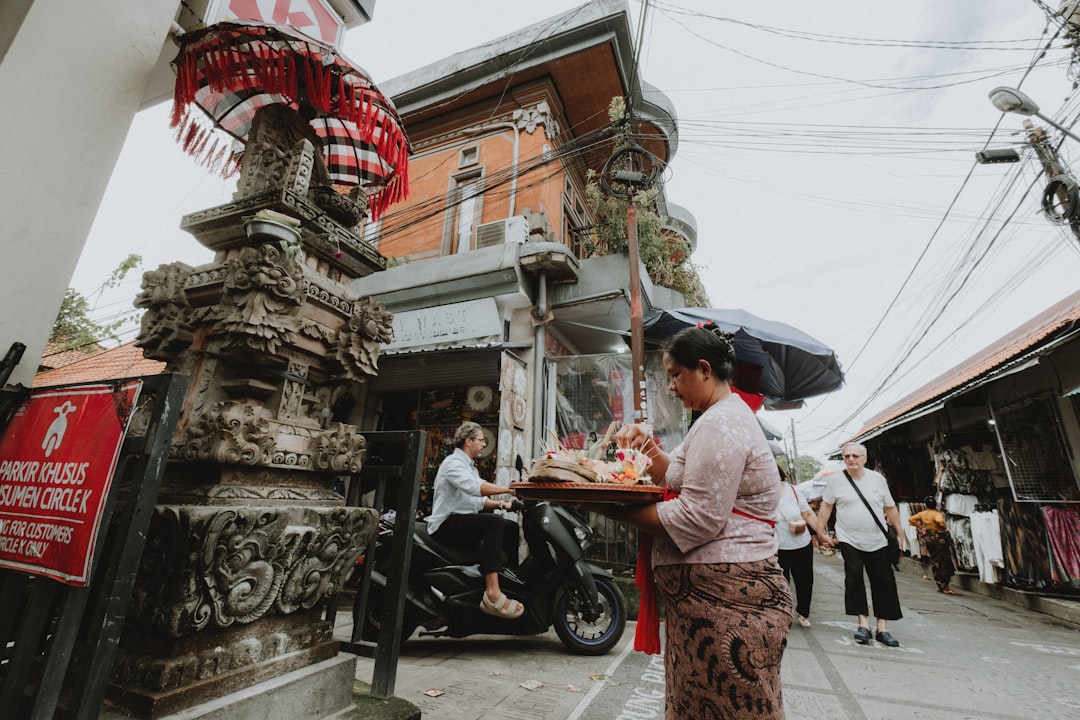
The most rewarding cultural experiences in Bali are usually the quieter, more observant ones. Rather than racing through temples for photos, I found it far more meaningful to learn a little etiquette, notice how offerings structure daily life, and choose one or two temple visits where I could slow down and understand what I was seeing.
Temple visits that feel worth the effort
Tanah Lot is famous for good reason, but it is also one of the easiest places to get swallowed by crowds. I would only go if you are happy to treat it as a dramatic coastal viewpoint rather than a quiet spiritual stop. According to Indonesia’s official tourism site, it is one of Bali’s iconic sea temples and late afternoon is the most popular time to visit, which matches the crowds I saw there. Going earlier in the day makes it easier to enjoy the setting with a little more breathing room.
Uluwatu Temple works better if you combine the clifftop setting with the Kecak dance at sunset, but again, timing matters. The cliff views are superb, though the place can feel more performance-heavy than contemplative. Keep an eye on your belongings around the monkeys and do not expect a peaceful solitary temple moment.
If you want a temple experience that feels more rooted in the island’s spiritual life, Besakih in East Bali left a stronger impression on me. It is widely regarded as Bali’s largest and holiest temple complex, set on the slopes of Mount Agung, and the journey there already feels like a shift away from the southern tourist belt. It is farther, but that distance is part of the appeal.
Whatever temple you choose, etiquette matters. Indonesia’s official tourism guidance notes that visitors should dress modestly, wear a sarong and sash where required, speak softly, and avoid stepping on offerings. That sounds basic, but in Bali it makes a huge difference to how respectful your visit feels.
Watching daily ritual life, not just staged culture
Some of my favourite cultural moments in Bali were not ticketed attractions at all. They happened while walking through village lanes early in the morning, seeing women place offerings outside family compounds, or noticing storefront shrines dressed more carefully during holy days. If you stay in a guesthouse rather than a sealed-off resort, you will notice much more of this everyday spiritual rhythm.
In Ubud especially, I found it worth waking up early and wandering side streets before tour traffic built up. You get a better sense of how homes, shrines, and small workshops fit together, and the town feels far less performative than it does by mid-morning. Even if you never attend a major ceremony, those quieter walks can become your best introduction to Hindu-Balinese culture.
If you are interested in dance or music, choose one performance and treat it as context rather than just evening entertainment. Traditional dance in Bali makes more sense when you understand that movement, costume, and storytelling all come from a living religious and artistic tradition, not just a tourist schedule.
Things to Do in Ubud and Inland Bali
Ubud and inland Bali are where the island feels most layered. Yes, there are crowds, yoga studios, and plenty of polished cafes, but there is also a deeper landscape of rice terraces, ravines, village temples, artisan workshops, and quiet roads where Bali’s cultural identity comes through more clearly than it does on the coast.
Walk the rice terraces, but choose your timing carefully
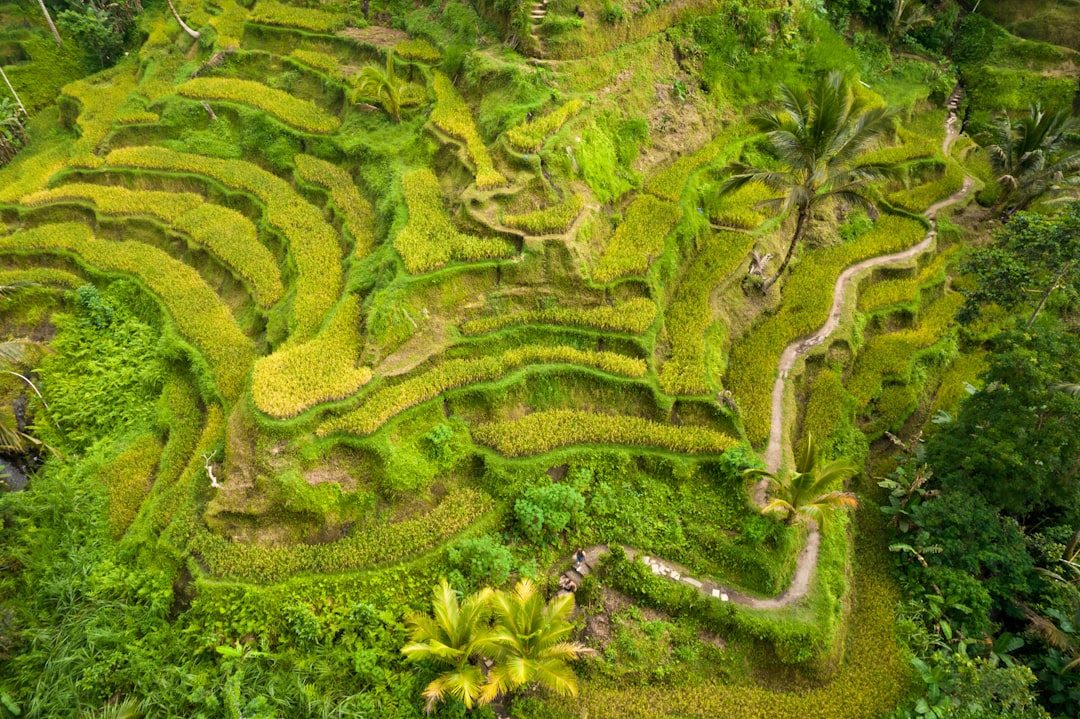
The Tegallalang rice terraces are beautiful, but they are also one of the clearest examples of a place that can tip from magical to exhausting once the crowds arrive. I enjoyed them most early in the morning, before the swing queues and roadside congestion built up. If you arrive after breakfast, expect a much more commercial atmosphere.
If you want a quieter alternative, look beyond the headline viewpoint and choose a proper village walk or a less famous terrace area outside central Ubud. Even short walks through smaller agricultural zones gave me more of the feeling I had actually come for: irrigation channels, farmers at work, shrines tucked into the greenery, and a slower pace that photographs cannot really capture.
Wear proper shoes rather than flip-flops if rain is possible. Paths can get muddy fast, and those scenic terrace edges are less fun when you are sliding around in beach footwear.
Use central Ubud as a base, then leave the center often
Central Ubud is convenient, but I would not spend all day there. The core streets are useful for cafes, galleries, and easy access to drivers, yet the best inland experiences usually begin once you move out into surrounding villages and valleys. A scooter helps if you are confident, but only if you are comfortable with dense traffic and narrow roads. If not, hiring a driver for a half day is often less stressful.
Roughly speaking, a simple warung meal in inland Bali can still be inexpensive, while private day transport costs more but becomes good value once you split it between two or more people. Scooter rental can be cheap on paper, but it is only worth it if you ride legally and comfortably. If you need to brush up on licensing rules before renting abroad, Rider Chris has a practical guide to the International Driving Permit that is worth reading before you get behind the handlebars.
Seek out crafts, markets, and slower corners
Ubud is at its best when you use it to mix scenic wandering with craft and food stops. Rather than trying to cram in every marketed attraction, I would pick a handful of meaningful things: a morning walk, a temple or palace, a long lunch, and one craft-focused stop such as wood carving, textiles, or painting.
I also found that some of the most memorable inland Bali moments came from taking the less glamorous option. A back-road cafe overlooking a ravine was often more enjoyable than a famous jungle swing. A village lane with shrine decorations felt more special than a paid photo installation. If you keep asking where local life still feels visible, Ubud becomes much more rewarding.
If you enjoy comparing destinations around the region, you may also like my travel guide to Yala in southern Thailand, which has that same mix of cultural depth and practical on-the-ground advice, even though the setting is completely different.
Beach, Surf, and Sunset Spots Across Bali
Canggu and Seminyak are the easiest places to understand Bali’s beach-life side, but they appeal to different moods. Canggu works best if you want surf culture, casual cafes, and a social atmosphere. Seminyak suits travellers who want beach access with a more polished dining and hotel scene. Neither feels remote, but both can be fun if you manage expectations.
Canggu for surf sessions and laid-back beach days
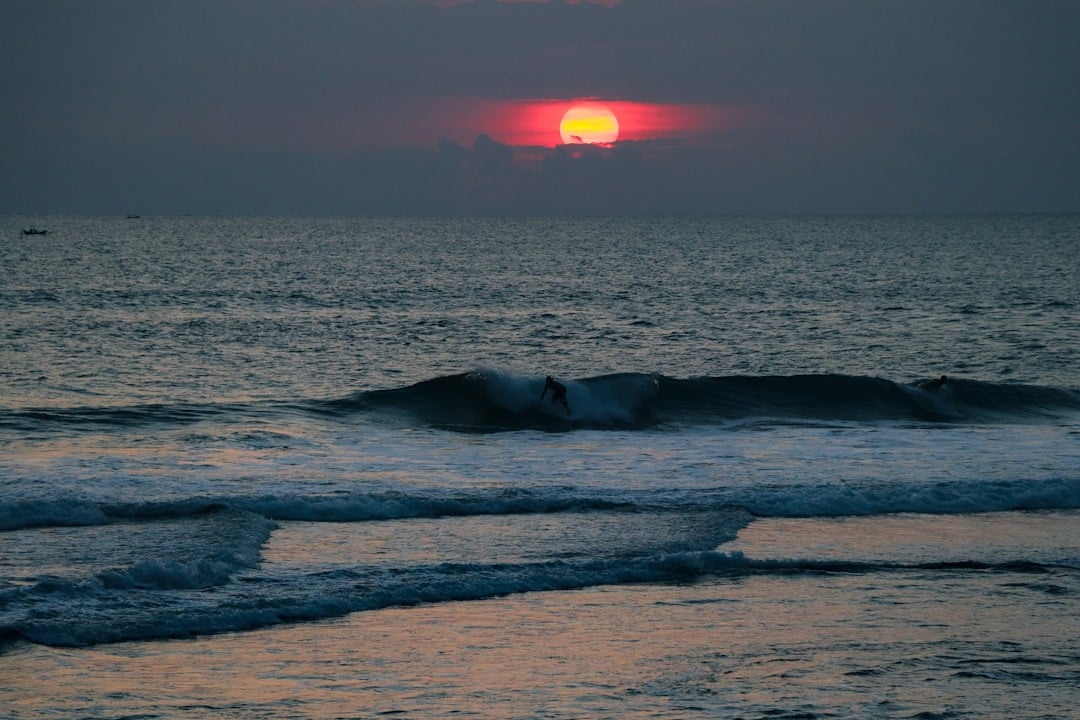
Canggu is where I would base myself if surf was the priority. The area has beginner-friendly lessons, beach breaks, and no shortage of board rental options, though conditions vary and the beaches themselves are not the white-sand postcard many first-timers expect. The charm is more about routine than scenery: dawn surf, coffee, a midday reset, and sunset back on the sand.
The downside is traffic. Distances that look trivial can become slow, especially if you are hopping between cafes, accommodation, and beach access points during peak hours. If I stayed in Canggu again, I would choose accommodation within easy walking or very short riding distance of the beach I planned to use most.
For crowd avoidance, sunrise is your friend. Beaches are calmer, the light is better, and you sidestep the late-afternoon crush of beachgoers, learners, and sunset traffic. If you just want to enjoy the coastline without spending heavily, this is also the cheapest time of day to do it.
Seminyak for sunsets, dining, and easier leisure travel
Seminyak felt more comfortable than adventurous to me, which is not a criticism. It is a good base if you want smoother hotel options, easier restaurant choices, and beach time without the rougher edges of a more improvised trip. Indonesia’s tourism materials describe Seminyak as a vibrant hub, and that broad description fits.
The beach itself is best treated as a long social coastline rather than a hidden gem. Come for sunset walks, casual lounging, and dinners that do not require much planning. If you are a family or couple looking for a lower-friction Bali stay, Seminyak often works better than trying to force a more rugged version of the island.
My main tip here is to be selective with beach clubs and premium venues. Bali makes it very easy to spend a lot without necessarily having a better experience. Some of my favourite coastal evenings were the simplest ones: a late swim, a coconut or cold drink, and watching the light change instead of chasing the trendiest reservation.
Where I would go for a better balance
If you want coastal Bali without spending every day in the most saturated scenes, I would use Canggu or Seminyak as short stays rather than week-long anchors. A few nights can be enough to enjoy the surf and social side before moving inland or east. That balance kept the island feeling fresh for me.
If you are experiencing choice overload, our team at Rider Chris can help through the practical destination guides already on the site, especially if you tend to plan trips around a mix of riding, food, and independent travel rather than packaged tours.
Day Trips Worth Taking from Bali
The best Bali day trips are the ones that match your tolerance for travel time. Nusa Penida gives you dramatic scenery but a long, often rushed day. Nusa Lembongan is gentler and easier to enjoy. Inland temple or waterfall days can also be worthwhile, but only if you avoid trying to squeeze too many stops into a single itinerary.
Nusa Penida: spectacular, but not relaxing
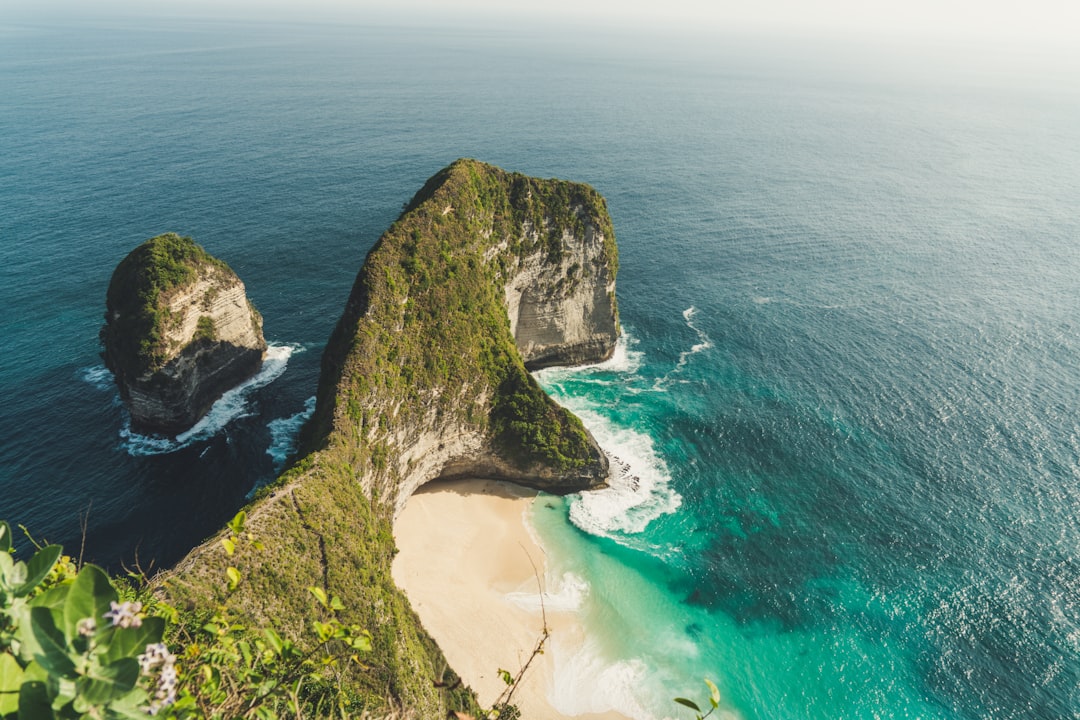
Nusa Penida is one of those places that looks almost too dramatic to be real. The cliffs around Kelingking, the coastal formations near Broken Beach, and the island’s rugged feel make it visually unforgettable. Indonesia’s official tourism site highlights Kelingking Beach, Broken Beach, and Goa Giri Putri among the island’s standouts, and those are the names most travellers chase.
What the photos do not show is that a Penida day trip can feel rushed from start to finish. You are dealing with an early transfer, a fast boat, island road travel, and often a convoy of other day-trippers doing the same circuit. If you are prone to motion sickness, hate bumpy roads, or want a calm island day, Penida may disappoint.
I would only do Nusa Penida as a day trip if your priority is scenery and you accept the pace. Otherwise, stay overnight if you can. Even one night changes the experience and gives you a shot at the viewpoints before the main wave arrives.
Nusa Lembongan: easier, softer, and often more enjoyable
Nusa Lembongan felt easier to love. It still gives you island scenery and sea views, but with a more manageable scale and a less punishing pace. If I were advising a couple, family, or anyone who wants a scenic island excursion without a full logistical workout, I would lean toward Lembongan first.
It works well for a lighter day of beaches, viewpoints, mangroves, and lunch by the water. It is also a better fit if you want to keep some flexibility rather than locking yourself into a packed checklist. Compared with Penida, the payoff-to-effort ratio often feels better.
Off-the-beaten-path alternatives
Some of my favourite Bali day trips were not the famous ones. East Bali in particular has a calmer, more spacious feel, and the drive itself becomes part of the day rather than just a transfer. If you have already done the headline attractions, consider using a day for villages, coastal roads, and viewpoints where tourism feels lighter and the pace more human.
Another good option is choosing one meaningful temple and pairing it with one landscape stop, rather than trying to hit five Instagram locations in a row. Bali rewards slower combinations.
| Day trip | Best for | Typical pace | What to watch out for |
|---|---|---|---|
| Nusa Penida | Big cliff scenery and iconic viewpoints | Long, early, and often rushed | Boat schedules, rough roads, heavy crowds at key stops |
| Nusa Lembongan | Relaxed island feel and easy sea views | Moderate and more flexible | Weather and boat timing still matter |
| East Bali temple day | Culture, mountain views, quieter roads | Steady but manageable | Longer driving times than the map suggests |
| Ubud outskirts and rice terrace loop | Soft adventure, scenery, and village atmosphere | Easy half or full day | Crowds build quickly after mid-morning |
Practical Tips for Getting Around Bali
Getting around Bali is usually the difference between a great trip and a frustrating one. The island is not huge, but traffic can be intense, local transport rules vary by area, and the most efficient option changes depending on whether you are moving between bases, taking short hops, or planning a full day of sightseeing.
How I would choose transport by trip type
For airport arrivals and inter-area transfers, I prefer a pre-booked driver or a reputable app-based car when available. Bali transport guidance widely recommends checking app prices as a benchmark and notes that Bluebird is among the more reliable metered taxi options, while airport taxis typically run on fixed pricing. That aligns with my experience: the less improvisation you need after landing, the better.
For half-day or full-day sightseeing, hiring a private driver often makes the most sense unless you are an experienced rider. It removes parking stress, lets you leave bags in the car, and stops you from arriving tired at every destination. Split between two or more travellers, it is often reasonable value.
For very short local distances, scooter rentals and ride-hailing can be convenient, but only if you understand the trade-offs. A scooter gives freedom, especially in quieter areas, yet Bali is not an ideal place to learn. Roads can be narrow, wet, crowded, and unpredictable. If you are not already comfortable riding, do not force it here.
Rough costs and budgeting mindset
Bali can be budget-friendly or surprisingly expensive depending on your style. Local meals and simple guesthouses can still offer strong value, while beach clubs, boutique stays, imported food, and day tours push costs up quickly. Rather than fixating on exact prices that shift over time, I would budget by category: low for warungs and simple transport, medium for private drivers and comfortable stays, and high for trendy coastal dining and packaged excursions.
Temple entry fees and attraction tickets also vary, and major sites can charge foreign visitor rates that are higher than local rates. If a stop matters to you, check current pricing close to your travel date rather than relying on an old blog post. This is especially true in Bali, where popular attractions can commercialize quickly.
How to avoid the worst crowds
The simplest crowd-avoidance strategy in Bali is to start earlier than you think you need to. Rice terraces, temples, and scenic roads are almost always better in the first hours of the day. The same goes for popular island day trips. Once the mid-morning tour wave arrives, the mood changes fast.
I would also avoid stacking your itinerary around social-media landmarks alone. The more a place is famous for one exact photo angle, the more likely it is to feel crowded, transactional, and rushed. Try replacing one or two headline stops with a market, a village walk, a less-famous viewpoint, or simply time to linger over lunch in a quieter area.
Finally, build in less movement than you think. Bali punishes over-ambitious itineraries. Two meaningful stops and a good meal often make a better day than six rushed ones connected by traffic.
Explore More of Indonesia
Bali is one of the easiest gateways into Indonesia, but it makes even more sense when you treat it as one part of a wider regional journey. The island is rewarding on its own, yet it can also sharpen your appetite for slower, less crowded corners of the archipelago and for other Southeast Asian destinations where culture and landscape are just as central as the big-name sights.
If Bali has you thinking beyond a single beach holiday, Rider Chris is a good place to keep planning. Read the site’s practical destination guides, compare trip styles across the region, and use those ideas to decide whether you want your next stop to be another Indonesian island, a city base, or a more overland route.
Have you been to Bali? Drop your tips in the comments and let us know which area you would return to first. Ready to explore more of Southeast Asia next? Start with my Da Nang travel guide or browse the site for more route ideas and independent travel advice.
Frequently Asked Questions
How many days do you need in Bali to see the main highlights?
For a first trip, 7 to 10 days gives you a much better balance than a rushed long weekend. That gives you time to split your stay between Ubud and the coast, add one island day trip, and still leave space for slower cultural experiences.
Is Ubud or Canggu better for a first-time Bali trip?
It depends on your travel style. Ubud is better for culture, rice terraces, crafts, and inland scenery. Canggu is better for surf, cafes, and a social beach atmosphere. If you can, combine both rather than choosing only one.
Is Nusa Penida worth doing as a day trip from Bali?
Yes, if your main goal is dramatic scenery and you do not mind an early, busy, and quite rushed day. If you prefer a calmer pace, staying overnight or choosing Nusa Lembongan instead is often a better experience.
What is the best way to get around Bali?
For most travellers, a private driver works best for sightseeing days and longer transfers. App-based cars and reliable taxis are useful in built-up areas. Scooters are only a good option if you are already confident riding in busy traffic and have the correct documents.
How can you avoid crowds at Bali’s popular attractions?
Start early, stay overnight near major sights when possible, and avoid building your itinerary around only the most photographed landmarks. Popular places like rice terraces, temples, and island viewpoints are usually much better before mid-morning.