Labuan Bajo Komodo Travel Guide: Boats, Dragons & Islands
Most people treat Labuan Bajo as nothing more than a ferry terminal with a view, a place you pass through on the way to Komodo National Park. I made that mistake on my first visit, arriving in the afternoon, booking a rushed day trip, and leaving the next morning thinking the whole region was just dragons and overcrowded viewpoints. I was wrong. This Labuan Bajo Komodo travel guide is built around what I wish I had known the first time: the difference between a day trip and a liveaboard changes everything, the Padar viewpoint can be magical or miserable depending on when you go, and the reality of Pink Beach depends entirely on how many other boats moored before yours.
Labuan Bajo is the gateway town on the western tip of Flores, and over the last few years it has grown from a sleepy fishing port into a proper travel hub with decent accommodation, a growing food scene, and enough infrastructure to make it a comfortable base for exploring Komodo National Park and the wider Flores region. If you are planning a broader Indonesia trip, this guide pairs well with my best things to do in Bali article for building a route that connects Bali, Lombok, and Flores.
Why Labuan Bajo Is More Than a Launch Pad
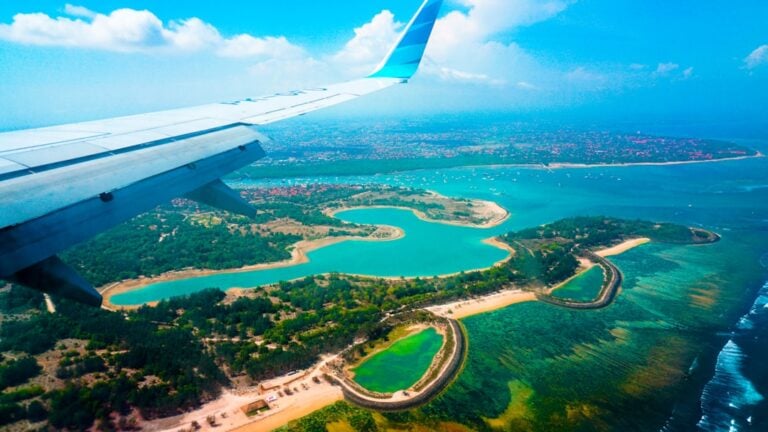
Labuan Bajo deserves at least two nights before you even step on a boat. The town sits on a harbour that faces west, which means the sunsets here are genuinely spectacular, and the hilltop viewpoints above town give you a panorama of islands scattered across the Flores Sea that is hard to beat anywhere in Indonesia. Most travellers rush straight from airport to harbour and miss this entirely.
The town itself has changed fast. What was a handful of guesthouses and dive shops a decade ago is now a spread of hotels, hostels, beach clubs, and restaurants stretching along the harbour road and up into the hills. The growth has brought traffic and construction noise, but it has also brought better food, more reliable boat operators, and enough competition that prices for accommodation and tours have stayed reasonable if you know where to look.
The fish market on the waterfront is worth visiting even if you never eat there. At dusk, fishermen unload their catch, warungs fire up grills, and the smell of snapper and squid drifts across the harbour. It is one of those places that reminds you Labuan Bajo is a working fishing town first and a tourist hub second. If you want a meal, grab a grilled fish plate from one of the market warungs for a fraction of what the harbourfront restaurants charge.
Beyond the town, Flores itself is one of the most underrated islands in Indonesia. Wae Rebo, a traditional village accessible by a long trek through the mountains, is one of the most atmospheric places I have visited anywhere in the country. The spider-web rice fields at Cancar, the crater lakes of Kelimutu near Ende, and the traditional villages around Bena all make Flores worth exploring as more than a transit point. If you have an extra week, renting a scooter or hiring a driver across Flores gives you a completely different Indonesia from Bali or Java. For context on planning wider Indonesia routes, my Yogyakarta and Borobudur guide shows how much depth you can get from a single Indonesian island when you go beyond the obvious stops.
Choosing Your Komodo Boat Trip
The single most important decision in planning a Komodo trip is choosing your boat type, and almost nobody explains the trade-offs honestly. There are three main options: a shared day trip, a private charter, or a liveaboard. Each gives you a completely different experience of the park, and the price gap between them is enormous. Here is what nobody tells you about each one.
Shared Day Trips
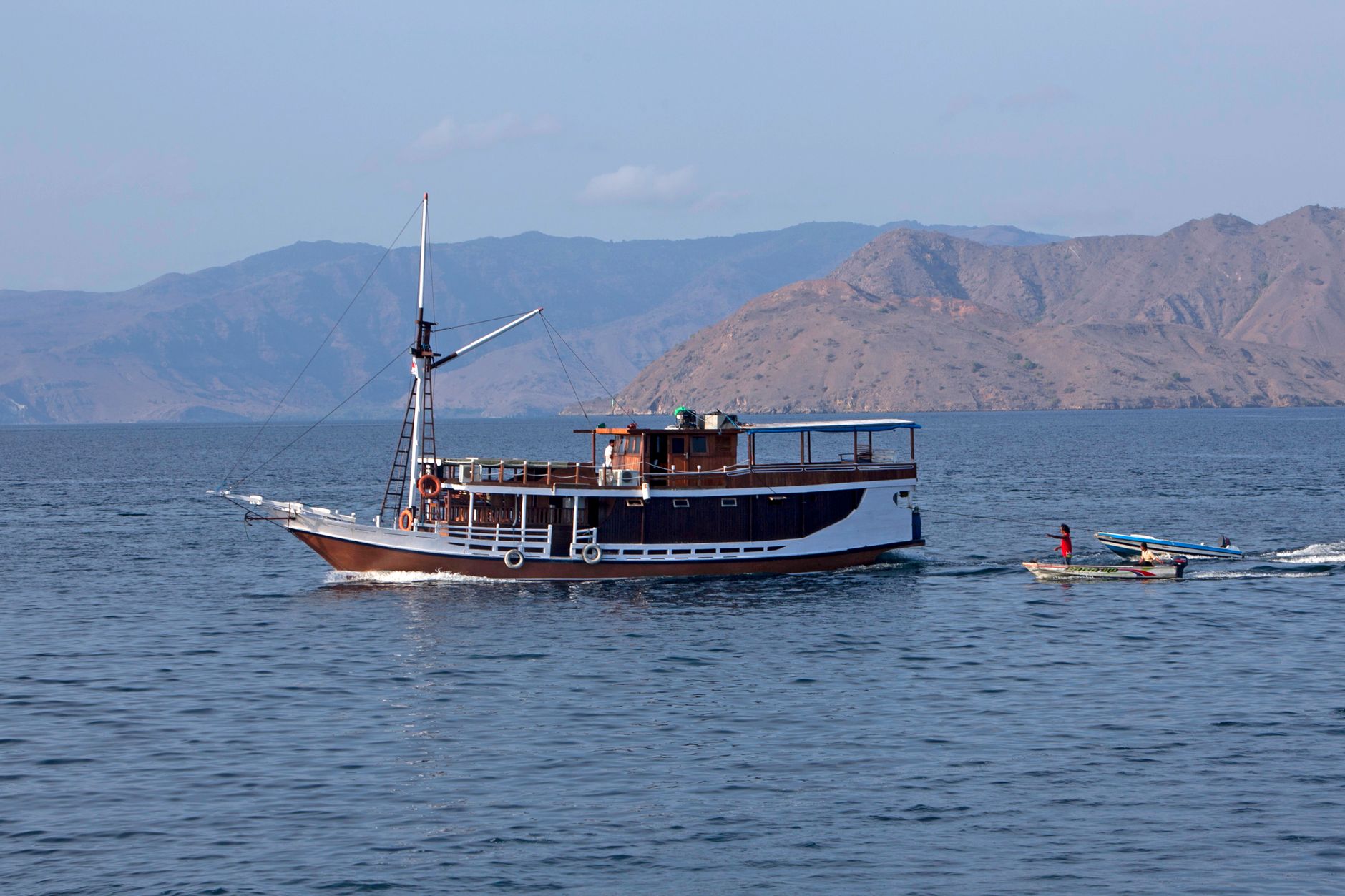
Shared day trips are the most popular and the most budget-friendly option. You join a group of 20 to 40 people on a large wooden phinisi boat that departs Labuan Bajo harbour around 7:00 AM and returns by 5:00 PM. The standard itinerary hits three or four stops: Padar Island for the viewpoint hike, Pink Beach for swimming and snorkeling, Komodo or Rinca Island for the dragon walk, and sometimes a snorkeling spot like Manta Point or Taka Makassar.
Prices range from about IDR 500,000 to 1,500,000 per person depending on the boat quality, group size, and what is included (lunch, snorkeling gear, park fees). The cheapest boats cram 40-plus people on board, serve basic boxed rice meals, and rush every stop. Mid-range options (around IDR 800,000 to 1,200,000) usually cap group sizes, serve better food, and have decent snorkeling equipment. I would avoid the cheapest boats unless budget is your only concern.
The reality of a day trip is that you spend most of your time on the boat and at each stop you are competing with every other day-trip boat that arrived at the same time. Padar Island at 9:00 AM has a line of people queuing for the same photo at the viewpoint. Pink Beach at noon is a flotilla of boats. The park is big, but the day-trip circuit is small and everyone does the same stops in the same order.
Private Charter Boats
If you have a group of 4 to 10 people, a private charter is where the value sweet spot lies. You get a boat to yourself, set your own itinerary, and avoid the herd. Private charters start at around IDR 3,500,000 to 7,000,000 per day for a standard wooden boat with a captain, crew, and basic meals. Higher-end charter boats with air-conditioned cabins, better food, and newer construction can run IDR 10,000,000 or more per day.
The advantage is flexibility. You can leave earlier to beat the day-trip crowds to Padar, spend longer at a snorkeling spot if the mantas are showing, and skip stops that do not interest you. The disadvantage is cost: unless you are splitting with a group, a private charter is significantly more expensive per person than a shared trip.
Liveaboard Trips
A liveaboard is the option most people skip because of the price, and it is the one I most wish I had taken sooner. Instead of rushing the park in a single day, you sleep on the boat for 2 to 4 nights, waking up at a different island each morning. The difference in experience is massive. You see Padar at sunrise before any day-trip boats arrive. You snorkel at spots the day trips never reach. You dive or snorkel at dawn and dusk when marine life is most active.
Liveaboard prices vary widely. Budget liveaboards with shared cabins and basic facilities start around USD 200 to 300 per person per night (or IDR 3,000,000 to 4,500,000). Mid-range liveaboards with private or semi-private cabins, better food, and good dive equipment run USD 350 to 500 per night. High-end operators with ensuite cabins, onboard dive instructors, and full-board meals can exceed USD 600 per night. Most liveaboards include all meals, park fees, and activities in the price.
Should You Book in Advance or on Arrival?
For shared day trips: book in Labuan Bajo one or two days before you want to go. Walk the harbour road, compare a few operators, ask to see the boat, and check what is included. Booking online in advance costs more and gives you less control. The one exception is peak season (July and August), when the better day-trip boats do sell out a few days ahead.
For private charters: if you have a group already, book a week or two ahead so you can specify itinerary, food preferences, and pick a boat that fits your group. If you arrive solo or as a couple and want to charter, you can often find other travellers at your hostel or hotel to split costs with.
For liveaboards: book well in advance, especially for diving-focused liveaboards during peak season. The best operators have limited cabin space and fill up months ahead for July through September. For shoulder season (April to June, October to November), you can sometimes book a week ahead, but you risk missing out on the better boats.
Which Operators to Trust
This is where things get tricky, because Labuan Bajo has dozens of boat operators and the quality ranges from excellent to genuinely unsafe. I cannot name specific operators with full confidence since the landscape changes fast, but here is how I would filter them. Ask whether the boat has life jackets for every passenger and a functioning radio. Ask if the crew is certified. Check whether park fees are included or added on top. Read recent reviews on Google Maps and travel forums, not just the operator’s website. Avoid anyone who pressures you to pay immediately without answering questions, and walk away from boats that look overloaded or poorly maintained.
A reliable operator will answer these questions without hesitation. The ones that get defensive or vague are the ones to avoid. In general, dive-shop-affiliated boat operators tend to have higher safety standards because they already run dive trips and are subject to more oversight.
| Boat Type | Price Range (per person) | Best For | Key Trade-off |
|---|---|---|---|
| Shared Day Trip (budget) | IDR 500,000 to 700,000 | Solo travellers on a tight budget | Large groups, rushed stops, basic food |
| Shared Day Trip (mid-range) | IDR 800,000 to 1,200,000 | Couples and small groups wanting decent quality | Still on the standard circuit with crowds |
| Private Charter (standard) | IDR 3,500,000 to 7,000,000 per day (split among group) | Groups of 4 to 10 wanting flexibility | Expensive per person for small groups |
| Budget Liveaboard (2 to 4 nights) | USD 200 to 300 per night | Travellers wanting more time in the park | Shared cabins, basic facilities |
| Mid-Range Liveaboard | USD 350 to 500 per night | Divers and snorkelers wanting comfort | Higher cost, book well in advance |
| High-End Liveaboard | USD 500 to 600+ per night | Experienced divers and luxury travellers | Premium pricing, limited availability |
What to Expect at Padar Island
Padar Island is the view you have seen on every Komodo Instagram post: a jagged ridge of hills dropping into three crescent bays with different coloured sand, one pink, one white, one black. It is genuinely stunning in person. But the experience depends almost entirely on timing.
The hike from the dock to the main viewpoint takes about 30 to 40 minutes up a steep, rocky trail with wooden stairs and railings in the steepest sections. It is not technically difficult, but it is hot, exposed, and exhausting in the midday sun. Bring at least one litre of water per person. Wear proper shoes, not flip-flops, because the rocks are sharp and the trail gets slippery if it has rained.
Is the Pre-Dawn Hike Worth It?
If you are on a liveaboard, yes, absolutely. The pre-dawn hike to catch sunrise from the summit is one of the best experiences in Komodo National Park. You climb in the dark with a headlamp, reach the top while the sky is still grey, and watch the light spread across the three bays as the sun comes up. The colours shift from deep blue to gold to full daylight, and for 20 minutes you have one of the most dramatic landscapes in Indonesia almost to yourself because the day-trip boats have not arrived yet.
If you are on a day trip, the pre-dawn hike is not an option because day boats do not arrive early enough. You will reach Padar between 8:00 and 10:00 AM along with every other day-trip boat, which means a queue at the viewpoint and dozens of people taking turns at the same photo spot. The view is still beautiful, but the atmosphere is completely different. It feels like a tourist conveyor belt rather than a wilderness moment.
Weather and Visibility
During the dry season (April to November), mornings are usually clear and the sunrise views are reliable. In the wet season, clouds can obscure the summit and the bays. If you are on a liveaboard and the sky is overcast, the crew may suggest skipping the sunrise hike and going later. Trust their judgment; they do this every day.
Pink Beach: Is It Actually Pink?
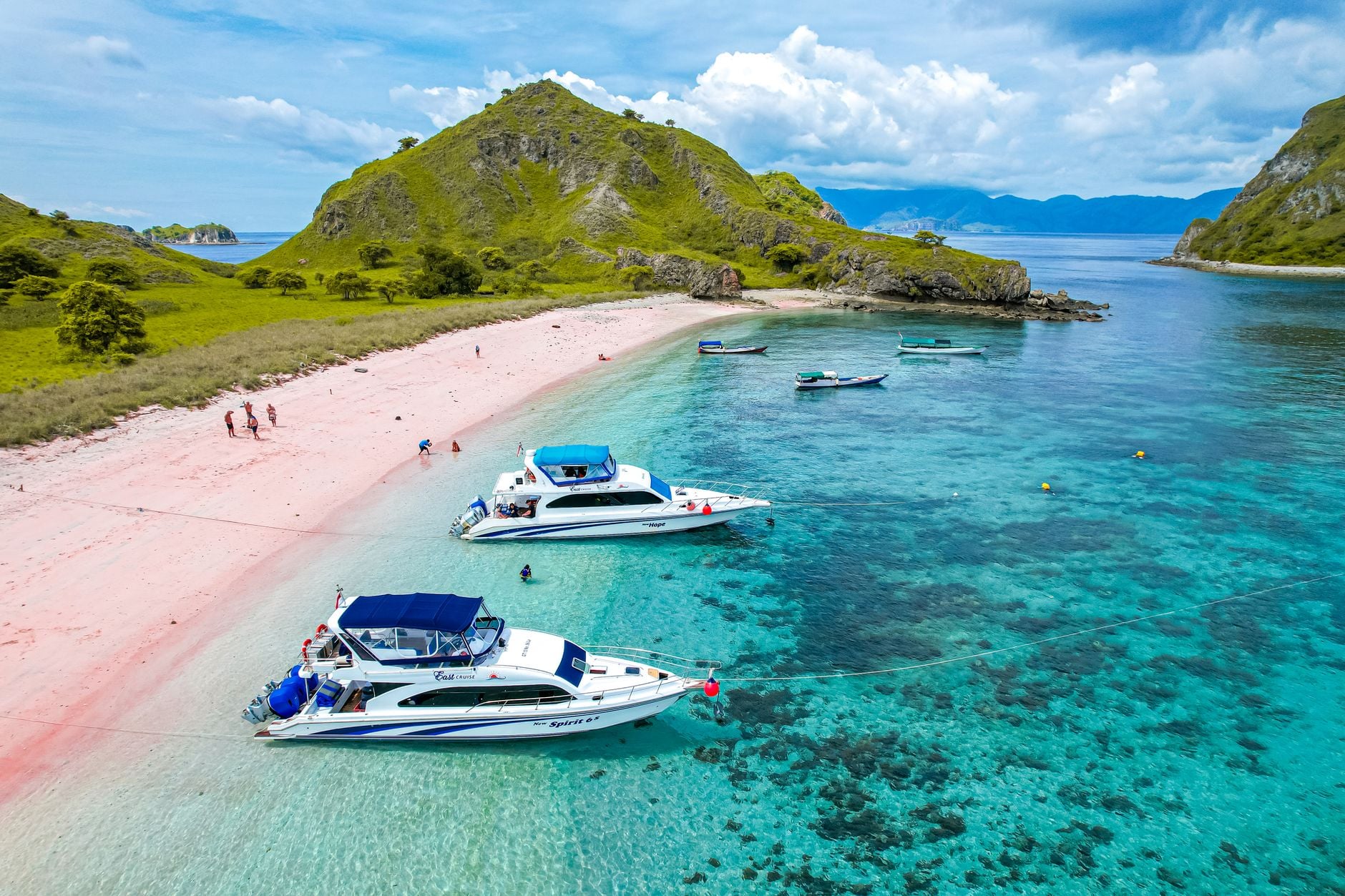
Yes, the sand is pink, but it is not the cotton-candy pink of Instagram filters. Pink Beach (Pantai Merah) gets its colour from fragments of red coral mixed with white sand, and in the right light, the shoreline has a definite rosy tint. The closer you look, the more you see it: tiny red coral fragments scattered through the sand like confetti. But the overall effect from a distance is more “slightly pinkish white” than “strikingly pink.” Manage your expectations and you will enjoy it more.
The bigger issue is crowds. Pink Beach is a standard stop on every day-trip circuit, and during peak hours there can be 10 or more boats moored offshore at the same time. The beach itself is not large, and by late morning it feels more like a busy resort than a national park. The snorkeling just off the beach is decent, with coral gardens and small reef fish, but the coral has taken damage from years of boat traffic and careless anchoring.
If you want a better Pink Beach experience, go early. If you are on a liveaboard, ask the crew to visit at dawn before the day boats arrive. If you are on a day trip, you are stuck with the schedule, and mid-morning is the worst time. Alternatively, ask your operator about the second Pink Beach on Komodo Island’s south coast, which is less visited because it is harder to reach on a standard day-trip circuit.
Komodo Dragons: Safety and Reality
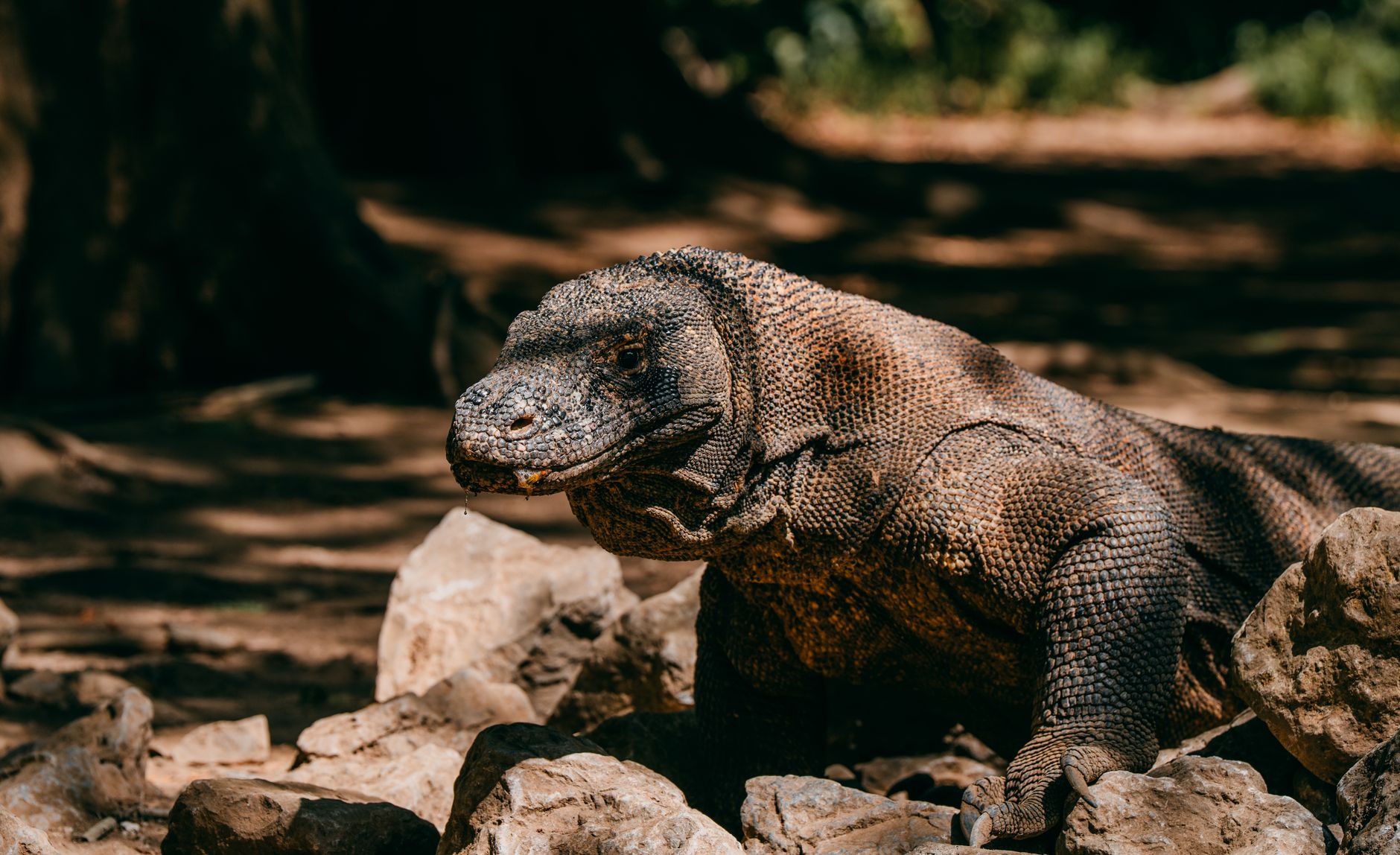
Let me be direct about this. Komodo dragons are the largest living lizards on earth, they are apex predators, and their saliva contains venom that prevents blood clotting and causes shock in prey. They have killed humans before, though attacks on park visitors are extremely rare. You should take them seriously without being afraid. The park has an excellent safety record because the rangers know what they are doing, and the dragons are habituated enough to human presence that they do not view groups of tourists as prey.
Komodo Island vs. Rinca Island
You can see dragons on either Komodo Island or Rinca Island. Both have ranger-led walks, and both virtually guarantee sightings. Komodo Island is the more famous of the two and has a larger visitor infrastructure. Rinca is smaller, closer to Labuan Bajo (shorter boat ride), and tends to have slightly fewer crowds. The dragon walks on both islands are short, usually 30 to 60 minutes on marked trails, and a licensed ranger with a forked stick accompanies every group.
The rangers are the key safety element. They have guided these walks for years, they know where the dragons tend to rest, and they understand dragon behaviour. Listen to them. Do not walk ahead of the ranger, do not lag behind, and do not approach dragons for photos. The recommended minimum distance is 3 metres, and the rangers will enforce this.
Real Risks, Not Scaremongering
The actual risk to visitors is low if you follow the rules. The few serious incidents over the years have involved people who wandered off trails, approached dragons too closely, or entered restricted areas. Dragons can move surprisingly fast over short distances, and they are ambush predators by nature. The rangers carry forked sticks not as weapons but to maintain a safe distance if a dragon approaches the group.
Women who are menstruating should inform the ranger guide discreetly, because dragons have an extremely acute sense of smell and can detect blood from several kilometres away. The rangers are used to this situation and may adjust the route or provide extra precautions. This is not something to be embarrassed about; it is a practical safety measure that the park has dealt with many times.
Entry Fees and Park Permits
Komodo National Park charges entry fees for all visitors, and the structure changes periodically, so check current rates before you travel. As of my last visit, foreign visitors paid around IDR 150,000 to 200,000 per person for a basic entry ticket, plus additional fees for specific activities like dragon trekking, diving, and camera permits. Some boat operators include park fees in their package price and others add it on top, so clarify this before booking to avoid surprises on the dock.
Where to Stay in Labuan Bajo
Labuan Bajo has accommodation ranging from backpacker dorms to clifftop resorts, and where you stay shapes your experience more than you might expect. The town is stretched along the harbour and up into the hills, so location matters for both sunset views and proximity to the boat departure point.
Harbourfront Area
If your priority is convenience, stay near the harbour. This is where most boat trips depart, where the dive shops are clustered, and where you can walk to restaurants and booking offices. Budget hostels and guesthouses here start around IDR 150,000 to 300,000 per night. The downside is noise from boat engines, construction, and traffic, and the harbour-front streets are not particularly attractive.
Hilltop and Clifftop Areas
For the best views, head up into the hills above the harbour. A string of guesthouses, boutique hotels, and resorts sit along the ridge road facing west, and the sunset views from these properties are exceptional. Prices range from about IDR 400,000 for a simple hilltop guesthouse to IDR 2,000,000 or more for a resort with a pool and infinity-edge views. The trade-off is that you need transport to reach the harbour for early morning boat departures, though many hotels offer shuttle services.
Nearby Beaches
If you want a more relaxed stay away from town, there are a few beachfront properties south of Labuan Bajo along the coast road. These are quieter and more suited to travellers who want to decompress after a liveaboard or who are using Labuan Bajo as a base for a few days of land-based exploration. You will need your own transport or a driver to reach town and the harbour.
Diving and Snorkeling Spots
Komodo National Park is one of the best dive destinations in the world, and the snorkeling is outstanding even if you never put on a tank. The park sits in the Indonesian Throughflow, the massive current of water that moves between the Pacific and Indian Oceans, which means nutrient-rich water, abundant marine life, and strong currents that demand respect.
Manta Point (Manta Alley)
This is the headline snorkeling and diving site in the park, and it delivers. Reef mantas gather here year-round to feed and be cleaned, and snorkelers and divers can watch them glide past within a few metres. The experience is humbling. Mantas have wingspans of 3 to 4 metres, they move with a slow, effortless grace, and they often circle the same spot for hours. Conditions can be current-heavy, and visibility varies, but when the mantas are showing, this is one of the best underwater experiences in Indonesia.
Batu Bolong
Batu Bolong is a dive site centred on a single rock that breaks the surface in the middle of open water, surrounded by a reef that drops to serious depth. It is one of the most fish-dense dives I have done anywhere. Schools of fusiliers, trevally, barracuda, and reef sharks swirl around the rock, and the coral coverage on the shallow sections is excellent. This is a dive for experienced divers due to strong currents, and many liveaboard operators will only take certified divers with a minimum number of logged dives here.
Taka Makassar and Siaba Besar
Taka Makassar is a tiny sandbar that appears and disappears with the tide, surrounded by shallow reef and turtles. It is a standard day-trip snorkeling stop and a good one, though it gets crowded. Siaba Besar, sometimes called Turtle City, is a calm dive and snorkel site where you can snorkel with dozens of green and hawksbill turtles grazing on seagrass. If your boat operator offers Siaba Besar as an alternative to the more crowded stops, take it.
Current Safety for Divers
If you are diving in Komodo, you need to be honest about your experience level. The currents here are no joke. Some sites require negative entries, blue-water descents, and the ability to handle downcurrents. If you are a beginner or have not dived in a while, choose sites appropriately and dive with a reputable operator that assesses your experience honestly. Do not let pride push you into a dive you are not ready for. The park is beautiful, but it has conditions that demand respect.
How Many Days Do You Really Need?
Two to three days is the sweet spot for most travellers. One full day on a shared or private boat trip covers the headline highlights: Padar, Pink Beach, a dragon walk, and one or two snorkeling stops. It is rushed and crowded, but you will see the main sights. Adding a second day lets you do a different circuit, visit Rinca instead of Komodo (or vice versa), or focus on diving and snorkeling without the dragon walk.
If you are a diver, I would budget at least three days in the park. A 2-night, 3-day liveaboard gives you enough time to dive the best sites at slack tide, snorkel the shallower spots, and hike Padar for sunrise without the day-trip crowds. For non-divers, a 2-night liveaboard still offers the best overall experience because it repositions your entire Komodo visit away from the midday crush.
Add an extra day or two for Flores if you can. The drive from Labuan Bajo to Ruteng, the spider-web rice fields at Cancar, and the highland villages around Bajawa are all worth the detour. Flores rewards slow travel the same way Java does beyond Borobudur, and if you have already read about what is worth doing in Jakarta, you know that the best Indonesian experiences often come from going one step beyond the obvious stops.
Plan Your Indonesia Adventure
Komodo National Park is one of those places that lives up to the hype if you approach it the right way and falls flat if you rush it. The dragons are real and awe-inspiring. The diving is world-class. The landscapes are as dramatic as any in Southeast Asia. But the difference between a great Komodo trip and a mediocre one comes down to boat choice, timing, and whether you are willing to spend a night or two on the water instead of doing everything in a single packed day.
Labuan Bajo is the base, and Flores is the reward for going further. If you have the time, do not just tick off the dragons and leave. Trek to Wae Rebo, drive the highland roads, eat at the fish market, and let Flores surprise you the way it surprised me.
Have you been to Komodo? Drop your tips, boat recommendations, or dragon-walking stories in the comments. I would love to hear how your trip went, especially if you found a liveaboard or operator that made the experience special. And if you are still building your Indonesia route, explore my guide to Bali and the broader collection of Indonesia destination guides on Rider Chris for more route ideas.
Frequently Asked Questions
How much does a Komodo boat trip from Labuan Bajo cost?
Day trips range from about IDR 500,000 to 1,500,000 per person depending on group size and itinerary. Private charter boats start around IDR 3,500,000 to 7,000,000 per day. Liveaboards typically cost between USD 200 and 600 per person per night depending on cabin class and dive inclusions.
Is it better to book a Komodo boat trip in advance or on arrival?
For day trips, booking in Labuan Bajo a day or two ahead gives you flexibility and lets you inspect the boat. For liveaboards and diving-focused trips, especially during peak season from July to September, book weeks or months ahead since cabins sell out.
Are Komodo dragons dangerous to tourists?
Attacks on visitors are extremely rare at Komodo National Park, but dragons are wild predators with venomous bites. Always stay with your licensed guide, keep at least 3 metres from dragons, and follow all park instructions. Do not approach for photos or wander off trails.
How many days do you need for a Komodo trip from Labuan Bajo?
Two to three days is ideal for most travellers. One full-day boat trip covers the main highlights. A 2-night, 3-day liveaboard lets you dive, hike Padar for sunrise, and visit multiple islands without rushing. Add a day for diving if you are certified.
What is the best time of year to visit Komodo National Park?
April to November is the dry season with the best visibility for diving and snorkeling. July and August bring peak crowds. April, May, September, and October offer the best balance of good weather, fewer crowds, and decent visibility.