Hoi An Travel Guide: Lanterns, Beaches & Hai Van Pass
I first rode into Hoi An on a rented Honda Win, dusty from two days on the Ho Chi Minh Highway, and the town stopped me in my tracks. The old shophouses glowed mustard and ochre in the late afternoon sun, silk lanterns swayed between balconies, and the Thu Bon River moved slow and brown beneath the Japanese Covered Bridge. After weeks of mountain switchbacks and roadside pho stalls, Hoi An felt like a different country entirely. Gentle. Walkable. Almost meditative, at least until the tour buses arrived.
This Hoi An travel guide is for the traveler who wants more than a photo in front of the lanterns. It is for couples looking for a romantic base in central Vietnam, and for motorbike riders plotting the ride north over the Hai Van Pass toward Hue. I will be honest about the crowds in the Old Town, where to escape them, how to eat like a local, and how to turn Hoi An into the staging point for one of the best motorcycle roads in Southeast Asia.
The History Of Hoi An
Hoi An’s magic is not accidental. It comes directly from a trading history that made this small town a meeting point of cultures for over four centuries. From the 15th to the 19th century, Hoi An was one of Southeast Asia’s busiest international ports. Chinese, Japanese, Dutch, Portuguese, and Arab merchants anchored here to trade silk, ceramics, spices, and paper. The river was deep enough for ocean-going junks, and the Thu Bon estuary offered shelter from typhoons that battered the open coast.
The Japanese community built the covered bridge (Chua Cau) in the 1590s, a tiny temple-bridge that still stands as Hoi An’s most recognizable landmark. Chinese merchant families settled in distinct quarters, each building assembly halls (congregation houses) that doubled as temples, meeting spaces, and social safety nets. You can still see the five main assembly halls today, each reflecting the dialect group that built it: Fujian, Cantonese, Hainan, Chaozhou, and Hakka.
The river eventually silted up. By the late 19th century, Da Nang’s deeper harbor had taken over as the region’s primary port, and Hoi An quietly slipped into a long economic sleep. That sleep is precisely what preserved it. While other Vietnamese cities were bombed, rebuilt, and modernized through the 20th century, Hoi An’s wooden shophouses and narrow streets sat largely untouched. UNESCO inscribed the Ancient Town as a World Heritage Site in 1999, recognizing it as an exceptionally well-preserved example of a Southeast Asian trading port. Today, that preservation is both the blessing and the curse: the architecture is stunning, but the tourist volume that comes with UNESCO status means you need a strategy to enjoy it.
If you are tracing Vietnam’s coastline as part of a larger Southeast Asia route, Hoi An sits right in the middle. It is the kind of place that fits naturally into a Thailand, Cambodia, Laos, and Vietnam overland itinerary, serving as the transition point between the northern highlands and the southern coast.
Best Things To Do In Hoi An
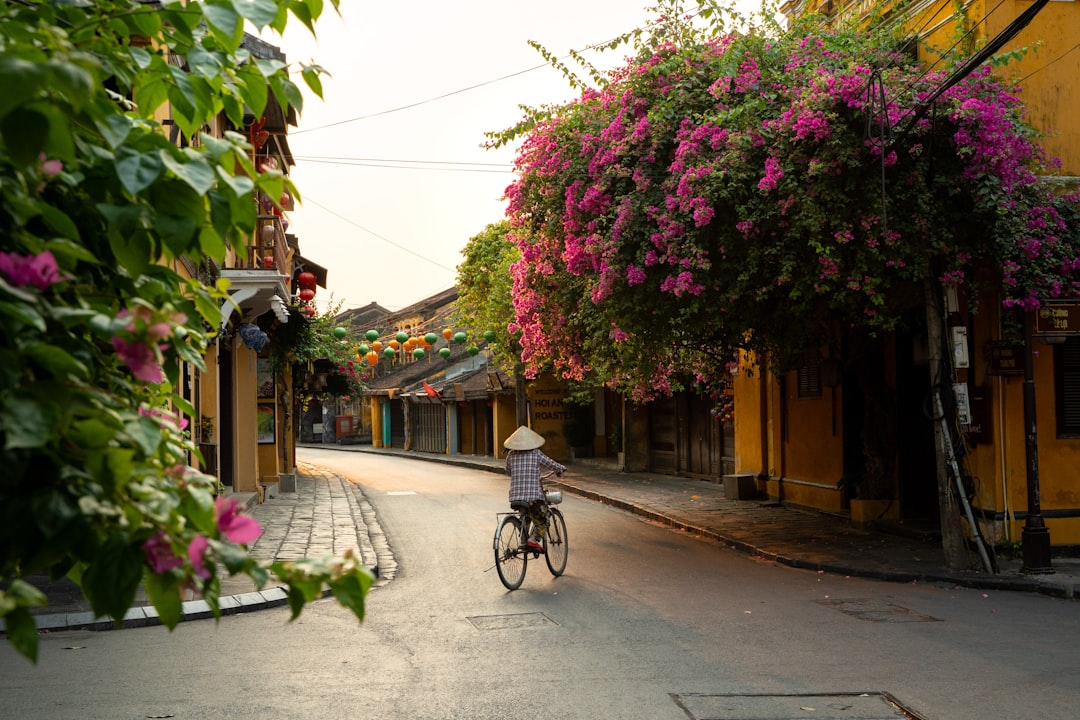
Hoi An packs more into its small footprint than any town I have visited in Vietnam. The Old Town itself is the headline attraction, but the surrounding countryside, beaches, and waterways are where you go when the heritage streets get too crowded. Here is how I would break it down.
Tourist Attractions: The Old Town and Heritage Sites
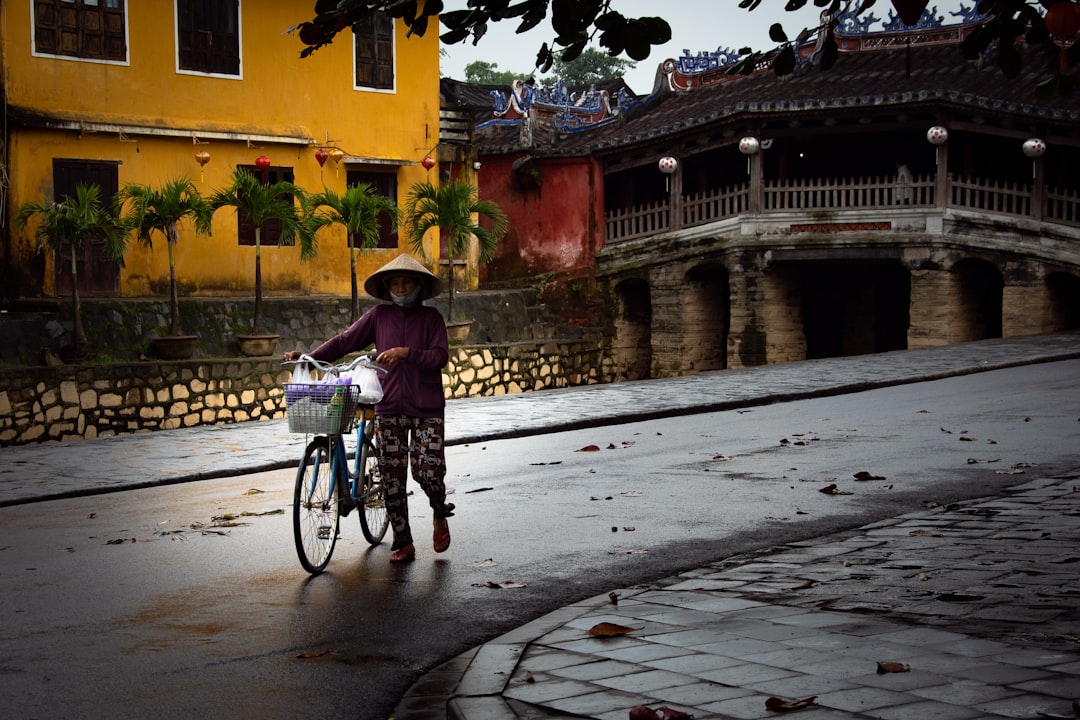
Wandering the Ancient Town is the single best thing to do in Hoi An, and it costs almost nothing. The streets are car-free from 9 AM to 9:30 PM in summer (9 PM in winter), which means the core zone belongs to pedestrians and cyclists for most of the day. You do not need a ticket to walk the streets, take photos, or sit on a riverside bench. You only need one to enter specific heritage buildings inside the zone.
The Old Town entrance ticket costs 120,000 VND (about $5) for foreign visitors and 80,000 VND for Vietnamese visitors, as of the latest official announcement from the Hoi An World Cultural Heritage Conservation Center. The ticket is valid for up to three days and includes entry to five heritage sites of your choosing from a list of over 20, plus the Japanese Covered Bridge or Quan Cong Temple. You can also attend traditional art performances at the Traditional Art Performance House at 10:15 AM, 3:15 PM, and 4:15 PM daily. Buy tickets from the official yellow booths around the Old Town perimeter, not from anyone offering them on the street.
My approach: buy one ticket, use it for the Japanese Covered Bridge and four assembly halls, and keep the stub for re-entry over the next two days. The Fujian Assembly Hall is the most ornate, with a courtyard fountain and intricate woodwork. The Cantonese Assembly Hall has a dragon mosaic that catches the morning light beautifully. The Tan Ky Old House, on Nguyen Thai Hoc Street, has been occupied by the same family for seven generations and offers a fascinating look at how these shophouses were designed to handle both trade and seasonal flooding.
Cultural Experiences: Cooking Classes, Lantern Workshops, and Tailors
Hoi An is one of the best places in Vietnam to actually do something with your hands rather than just look. Cooking classes here are exceptional and typically start with a market tour to source ingredients, followed by hands-on preparation of regional specialties like cao lau, banh xeo (crispy rice pancakes), and spring rolls. Prices range from $25 to $40 per person for a half-day class, and the quality is consistently high across the established operators.
Lantern-making workshops are another Hoi An signature. The town is famous for its silk lanterns, and several shops around the Old Town offer short workshops where you can build your own frame and stretch the silk. It is a surprisingly meditative way to spend a couple of hours, and you walk away with a genuine souvenir rather than a factory-made one.
Then there are the tailors. Hoi An has been a tailoring hub for decades, and you will see suit shops and dressmakers on every street in the Old Town. A custom suit can be made in 24 to 48 hours for $100 to $250 depending on fabric quality. My honest take: the quality varies enormously, and some shops have become volume operations that rush measurements. If you are serious about getting a well-fitted garment, research specific shops in advance, ask to see sample stitching, and do not assume that a higher price means better work. Reputable shops like BeBe Tailor and A Dong Silk have been around for years and have consistent reviews, but there are dozens of smaller shops where the experience is more personal.
Beaches and Islands: An Bang, Cua Dai, and Cham Island
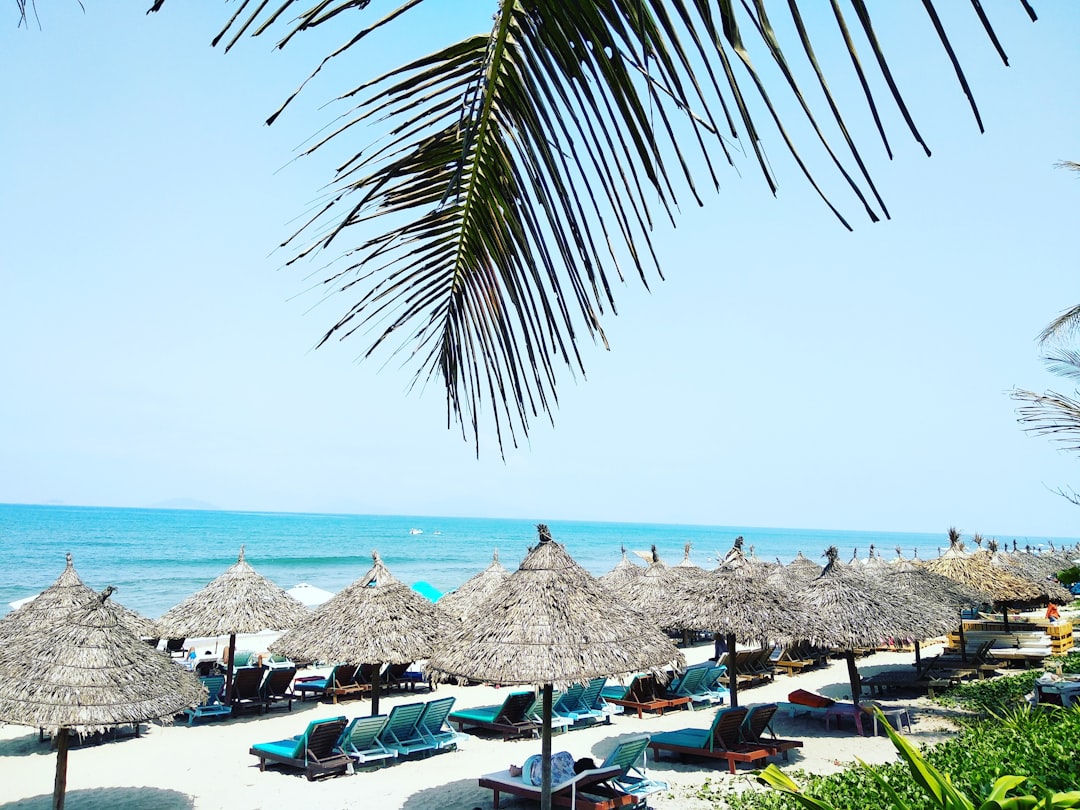
When the Old Town crowds get to you, the beach is 4 to 5 kilometers east, a 10-minute motorbike ride or a 20-minute bicycle ride. An Bang Beach is the more developed of the two main stretches, with beach bars, loungers, and restaurants lining the sand. It gets busy on weekends but is genuinely relaxing on weekday mornings. Cua Dai Beach, further south, is quieter and less commercialized, though coastal erosion has narrowed the sand in recent years. Ha My Beach, a bit north of An Bang, is the quietest of the three and has a more local feel.
For something more adventurous, Cham Island (Cu Lao Cham) sits about 18 kilometers offshore and is reachable by speedboat in about 30 minutes from Cua Dai. The archipelago is a UNESCO-recognized biosphere reserve with snorkeling, diving, and quiet beaches. Boat trips operate from roughly March through September when seas are calm. Services are suspended during the rough-weather months. Your hotel or guesthouse can arrange the round-trip boat, which typically costs 150,000 to 300,000 VND depending on the package. Go early to avoid the midday tour-boat rush.
Nature and Countryside: Tra Que, Cam Thanh, and the Rice Paddies
The countryside around Hoi An is flat, green, and threaded with narrow concrete paths perfect for cycling. Tra Que Vegetable Village, just across the road from An Bang Beach, is a working herb and vegetable farm where farmers still use traditional methods. Several farms offer short experiences where you can ride a water buffalo, plant herbs, and learn how local agriculture works. It is touristy, yes, but the setting is genuinely beautiful and the farmers are welcoming.
Cam Thanh Coconut Forest, on the eastern edge of town, is a palm-lined waterway where you can ride a traditional bamboo basket boat (thuyen thung) through the nipa palm canals. Guides often spin the round boats in circles, which is either thrilling or nausea-inducing depending on your constitution. The forest is also a good spot for birdwatching if you go early. A 90-minute basket boat tour costs around 150,000 to 200,000 VND per person.
For a longer escape, My Son Sanctuary is about an hour’s drive inland. This cluster of red-brick Hindu temples was built by the Cham civilization between the 4th and 14th centuries. Think of it as a smaller, less crowded Angkor Wat. The ruins were heavily damaged by US bombing during the war, but what remains is atmospheric and historically significant. Go early morning to beat both the heat and the tour groups. A guided day trip from Hoi An, including transport, costs about $20 to $35 per person.
Where and What To Eat and Drink In Hoi An
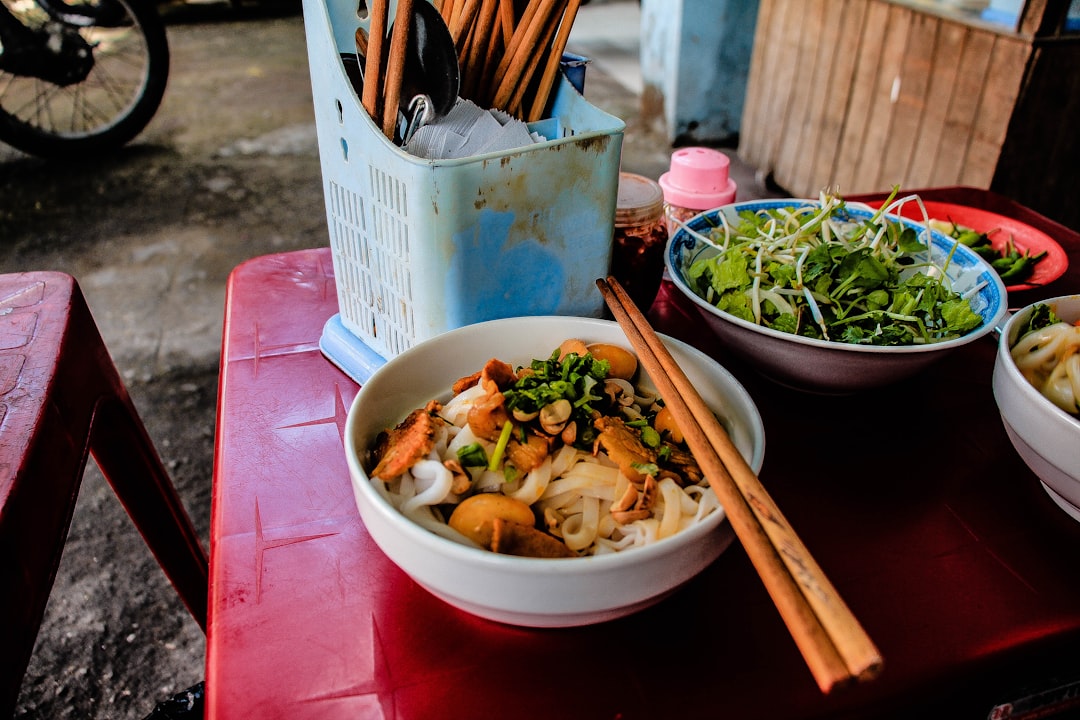
Hoi An punches far above its weight as a food destination. The town has several dishes that exist nowhere else in Vietnam, created from a blend of Cham, Chinese, Japanese, and Vietnamese influences that reflect its trading-port history. Eating here is not a checklist exercise. It is a cultural deep dive.
Cao Lau: The Dish You Cannot Get Anywhere Else
Cao lau is Hoi An’s signature noodle dish, and it is genuinely unique. The thick, chewy rice noodles are made using water drawn from the ancient Ba Le Well and lye produced from the ashes of a specific tree found on the Cham Islands. The result is a noodle with a firm, almost bouncy texture unlike anything else in Vietnamese cuisine. The bowl comes topped with slices of barbecued pork, fresh herbs, bean sprouts, crispy rice paper croutons, and a small amount of rich, savory broth. It is less a soup and more a composed noodle dish.
The best cao lau I had was at Hoi An Central Market, where several stalls serve it for 35,000 to 50,000 VND (about $1.50 to $2). Look for the stalls with the longest queues of Vietnamese customers. Thanh Cao Lau, a tiny stall inside the market, is one of the most reliable. If you want to venture out of the center, a stall called Tiem An Sang Co Nhi on the outskirts of town serves an exceptional version for 25,000 VND, but you will need a bike or scooter to reach it.
Banh Mi and White Rose Dumplings
Banh mi is not unique to Hoi An, but the version here is distinctive. The baguette is crunchier and lighter than elsewhere in Vietnam, and the filling combinations are more elaborate. Banh Mi Phuong, made famous by Anthony Bourdain, is the best-known spot and draws long lines. My preference is Madame Khanh (the self-styled “Banh Mi Queen”) on Tran Cao Van Street, which has been making banh mi for decades and serves a less frenetic, more consistent version. A banh mi costs 20,000 to 35,000 VND.
White Rose dumplings (banh bao banh vac) are another Hoi An original. These translucent shrimp dumplings, shaped to look like roses, are made by a single family in Hoi An who supplies nearly every restaurant in town. You will find them on most menus for 50,000 to 80,000 VND. They are delicate, slightly sweet, and worth ordering at least once.
Coffee Culture and Riverside Drinks
Hoi An has a surprisingly good coffee scene. Vietnamese iced coffee (ca phe sua da), strong dark roast dripped over condensed milk, is available everywhere for 20,000 to 35,000 VND. For a more atmospheric experience, the riverside cafes along Bach Dang Street are perfect for an hour of slow watching. The boats drift by, lanterns flicker on at dusk, and the pace drops to something approaching stillness. If you are working remotely or just need a quiet afternoon, several cafes in the An Bang Beach area offer sea views and stronger Wi-Fi than the Old Town.
For dinner, I gravitate toward the street food stalls in and around the Central Market rather than the restaurants on the tourist strips. Com ga Hoi An (Hoi An-style chicken rice) is another local specialty worth seeking: turmeric rice topped with shredded chicken, green papaya salad, and herbs. You will find it for 30,000 to 40,000 VND at stalls that look like they have not changed in decades, because most of them have not.
Shopping In Hoi An
Shopping in Hoi An is inseparable from the tailor tradition, but the town offers much more than custom clothing. Hoi An Central Market is the commercial heart of the town, a working market where locals buy produce, fish, and household goods alongside the tourist-oriented stalls selling spices, tea, and souvenirs. It opens at 6 AM and the food stalls are busiest until about 1 PM. Entry is free. The market is the best place to buy Vietnamese coffee beans, dried spices, cashew nuts, and street food at local prices.
For handicrafts, the lantern shops around the Old Town sell handmade silk lanterns in every color. A medium lantern costs 50,000 to 150,000 VND. They collapse flat for travel, which makes them one of the most practical souvenirs you can carry. Leather goods, ceramics, and embroidered textiles are also widely available. The Reaching Out Tea House, a social enterprise staffed by people with hearing and speech disabilities, sells beautiful handmade crafts and serves excellent tea in a serene courtyard. It is one of the few shops in Hoi An where the purchase genuinely supports a community project.
Bars and Nightlife In Hoi An
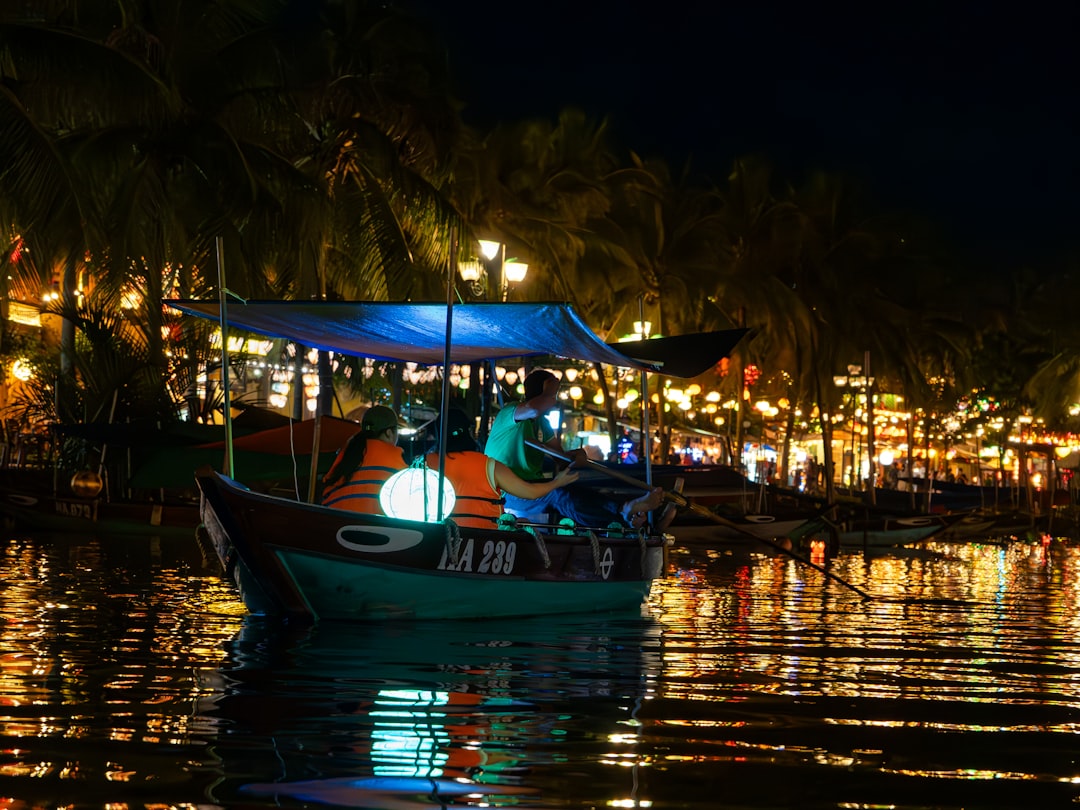
Hoi An is not a nightlife destination, and that is part of its charm. The Old Town streets are pedestrian-only until 9 or 9:30 PM, and the atmosphere after dark is more lantern-lit strolling than bar-hopping. The monthly Full Moon Lantern Festival, held on the 14th day of the lunar calendar, is the most magical night in Hoi An. The Old Town dims its electric lights, candles and lanterns illuminate the streets, and locals release paper lanterns onto the Thu Bon River. It is crowded, but the crowd feels celebratory rather than chaotic.
For drinks, the riverside bars along Bach Dang and the smaller lanes off Nguyen Thai Hoc offer low-key evenings with cheap beer (15,000 to 30,000 VND for a Saigon or Huda) and live acoustic music at a few spots. If you want something louder, head to An Bang Beach, where a handful of beach bars stay open later and occasionally host DJ nights. Q Bar andava Beach Bar are the usual suspects. Do not come to Hoi An for the nightlife, but do not worry that the town goes dead after dinner, either.
When Is The Best Time To Visit Hoi An?
The best time to visit Hoi An is February through April, when the dry season delivers clear skies, comfortable temperatures between 23 and 30 degrees Celsius, and minimal rainfall. If you can pick a single month, March is ideal: the weather is warm but not sweltering, the beaches are swimmable, and the crowds have not yet peaked. October and November are the months to avoid, as this is peak typhoon and flooding season for central Vietnam.
Central Vietnam has a different weather pattern from both the north and the south. While Hanoi is cold and dry in January and Ho Chi Minh City is in its dry season, Hoi An can still be grey and drizzly in January as the wet season tapers off. The dry season runs from roughly February to August, with May through July bringing the hottest temperatures (33 to 37 degrees Celsius). If you are planning to ride the Hai Van Pass, the most reliable months for clear summit views are February through August. From October to December, the pass can sit in cloud and fog, which makes the name “Ocean Cloud Pass” feel very literal.
| Period | Weather | Crowds | Best For |
|---|---|---|---|
| Feb to April | Dry, 23 to 30 degrees C | High (peak season) | Sightseeing, beaches, riding |
| May to July | Hot, 33 to 37 degrees C | Moderate (domestic low season) | Beach days, early morning exploring |
| August | Hot, transitioning to wet | Lower | Budget travel, fewer crowds |
| Sept to Nov | Heavy rain, flood risk | Low | Avoid (typhoon season) |
| Dec to Jan | Cool, 20 to 25 degrees C, some rain | Moderate | Quieter atmosphere, cooler temps |
How Many Days Do You Need In Hoi An?
Three full days is the minimum I would recommend, and four or five is ideal. Hoi An rewards slow travel. One day for the Old Town heritage sites and Central Market food crawl, one day for the countryside (Tra Que, Cam Thanh, rice paddies by bicycle) and An Bang Beach in the late afternoon, and one day for either a cooking class or a day trip to My Son Sanctuary. If you are riding the Hai Van Pass, add a half day for the ride itself.
The Hai Van Pass: Hoi An to Hue by Motorbike

If you are a motorbike rider, the Hai Van Pass is likely the reason you came to central Vietnam. This 21-kilometer mountain road climbs from the coast south of Hue to a 496-meter summit, then descends to Lang Co Lagoon before continuing to Da Nang. It is the road that separates north and south Vietnam, and the BBC’s Top Gear famously called it one of the best coastal drives in the world.
The most common approach is to ride from Hoi An (or Da Nang) north to Hue, or vice versa. The total Hoi An to Hue route with stops takes five to six relaxed hours. Start early, ideally before 8 AM, to beat the heat and catch clear summit views. From Hoi An, ride 30 kilometers up the coast to Da Nang, then climb the pass from the south side. Stop at the old French and American bunkers at the summit, where a restored 19th-century fortress gate offers panoramic views of the coastline and Lang Co Lagoon below. On the north side, the classic hairpin viewpoint gives you the postcard shot of the road curling down toward the lagoon.
A 125cc automatic scooter (Honda Air Blade, PCX, or Yamaha NMAX) is sufficient for the pass. The climb is long rather than steep, but two people on a 110cc will struggle. Several rental shops in Hoi An and Hue offer one-way rentals with luggage transfer, which means your bags travel by car while you ride light. A one-way rental from Hoi An to Hue with luggage transfer costs from 750,000 VND (about $29). You will need a valid motorcycle license from your home country and an International Driving Permit issued under the 1968 Vienna Convention. Police do patrol the Da Nang side, and enforcement has tightened in recent years. I have written a full guide to the International Driving Permit that covers what you need and how enforcement actually works on the ground in Vietnam.
Key safety tips: fill up on fuel before leaving Da Nang or Hue, as there are no petrol stations on the pass itself. Check the weather forecast, because the summit can fog over quickly. Watch for sand on corners after rain, and for cows near the summit (neither is a joke). Use engine braking on descents rather than riding the brakes continuously. And if you are not a confident rider, book an Easy Rider tour instead, where a local guide drives you on the back of their bike. You still get the views without the risk.
If you are continuing north, Hue is the natural next stop after the pass. I will be writing a full Hue guide soon, covering the Imperial City, DMZ tours, and the Perfume River. For now, budget one to two days in Hue before either continuing north toward the DMZ and Phong Nha, or heading south again.
Where To Stay In Hoi An
Where you base yourself in Hoi An shapes your experience as much as the season you visit. The Old Town is atmospheric and walkable but can be loud and crowded. The An Bang Beach area is relaxed and breezy but a 10-minute ride from the heritage sites. The countryside between the two offers the best of both worlds for travelers who want quiet and proximity.
Old Town Area (Heritage Streets)
- Budget: Homestays and hostels on the lanes off Tran Phu Street, $10 to $20 per night. Walking distance to everything, but expect street noise.
- Mid-range: Boutique hotels along the Thu Bon River on Bach Dang or Nguyen Thai Hoc, $30 to $70 per night. Many have rooftop terraces with river views.
- Upscale: Heritage resorts within the Old Town zone, $100 to $250 per night. Expect restored architecture, pools, and full-service amenities.
An Bang Beach Area
- Budget: Beach bungalows and guesthouses on the lanes behind the beach, $15 to $30 per night. Sea breeze and quiet nights, 10 minutes by bike to the Old Town.
- Mid-range: Beachfront resorts and villa-style hotels, $50 to $120 per night. Direct beach access and pools. Good for couples wanting a romantic base.
- Upscale: Luxury beach resorts, $150 to $350 per night. Full spa services, private beach sections, and shuttle buses to the Old Town.
Countryside (Between Old Town and Beach)
- This is my preferred zone. Rice paddy views, no traffic noise, and 5 to 10 minutes by bicycle to either the Old Town or the beach. Boutique homestays and villa rentals here range from $25 to $80 per night. The Tra Que area and the lanes around Ha My are especially peaceful. You will need a bicycle or scooter, but you will need one in Hoi An regardless.
How Do You Get Around In Hoi An?
Hoi An is one of the most bicycle-friendly towns in Vietnam. The core area is flat, compact, and largely car-free during walking hours. A bicycle is the ideal way to explore the Old Town, the countryside, and the beach road. Most hotels and guesthouses lend bicycles free or rent them for 30,000 to 50,000 VND per day. Electric bikes and scooters are also widely available for rent at 100,000 to 150,000 VND per day.
Grab (the regional ride-hailing app) operates in Hoi An and is the easiest way to get around if you do not want to ride. Grab car and Grab motorbike rides are cheap, with most in-town trips costing 15,000 to 40,000 VND. Download the app and get a Vietnamese SIM card on arrival. Viettel has the best coverage in central Vietnam. Xanh SM, a newer electric taxi service, also operates in the area.
Motorized vehicles are banned from most Old Town streets from 9 AM to 9:30 PM in summer and 9 PM in winter. This is enforced, so if you are riding a scooter, park outside the zone and walk in. There are designated motorbike parking lots on the perimeter for 5,000 to 10,000 VND.
If you are arriving from elsewhere in Vietnam, the nearest airport is Da Nang International, about 30 kilometers north. A Grab car from Da Nang airport to Hoi An costs around 300,000 to 400,000 VND ($12 to $16) and takes 45 minutes. If you are coming from the north on the Reunification Express train, the Da Nang station is the closest stop, and the train journey from Hanoi takes about 16 hours with the coastal scenery between Hue and Da Nang being worth the ticket alone. For more on staging your Vietnam journey from the north, my Hanoi travel guide covers the capital as a base camp for everything north-to-south. I will also be putting together a dedicated Da Nang guide covering the Marble Mountains, Son Tra Peninsula, and the Golden Bridge at Ba Na Hills, so keep an eye out for that.
Conclusion
Hoi An is the kind of place that makes you slow down whether you planned to or not. The Old Town crowds are real, and the UNESCO-fueled tourism machine has changed the town in ways that locals will openly discuss if you ask. But step off the main streets, ride a bicycle through the rice paddies at dawn, eat cao lau at a market stall where no one speaks English, and sit on An Bang Beach as the sun drops behind the fishing boats, and you will understand why this town keeps pulling travelers back.
For motorbike riders, Hoi An is the perfect launch pad for the Hai Van Pass. Ride north early, take the coast road through Da Nang, climb the pass, and descend into Lang Co and Hue. It is one of the best motorcycle roads in Southeast Asia, and Hoi An is the ideal place to rest, eat well, and prepare for it.
Have you ridden the Hai Van Pass or spent time in Hoi An? Drop your tips in the comments. I would love to hear about your favorite cao lau stall, your experience with the crowds, or any route variations on the pass that I should try next time. And if you are planning a wider Vietnam journey, check out my guide to the Hanoi base camp or the full Southeast Asia overland itinerary for context on how Hoi An fits into the bigger picture.
Frequently Asked Questions
How many days should I spend in Hoi An?
Three full days is the minimum, but four or five is ideal. One day for the Old Town and Central Market, one day for the countryside and An Bang Beach, and one day for a cooking class or day trip to My Son Sanctuary. Add a half day if you are riding the Hai Van Pass.
Do I need a ticket to enter Hoi An Old Town?
You can walk the streets for free, but you need a ticket to enter heritage buildings. The Old Town entrance ticket costs 120,000 VND for foreign visitors and 80,000 VND for Vietnamese visitors, valid for up to three days and includes entry to five heritage sites of your choosing.
Can I ride the Hai Van Pass on a rented scooter?
Yes, a 125cc automatic scooter is sufficient for the pass. You need a valid motorcycle license from your home country and a 1968 Vienna Convention International Driving Permit. Several rental shops in Hoi An and Hue offer one-way rentals with luggage transfer, costing from about 750,000 VND.
When is the worst time to visit Hoi An?
October and November are the worst months due to peak typhoon and flooding season. The Thu Bon River can overflow and the Old Town streets may flood. February through April is the best time, with dry weather and comfortable temperatures.
What is cao lau and why is it unique to Hoi An?
Cao lau is a noodle dish made with thick, chewy rice noodles produced using water from the ancient Ba Le Well and lye from the ashes of a specific tree on the Cham Islands. These ingredients give the noodles a texture found nowhere else, making authentic cao lau impossible to replicate outside Hoi An.