Da Nang Travel Guide: Central Vietnam Trip Planning
The first time I arrived in Da Nang, I almost dismissed it. I was coming south from Hue on a motorbike, fresh off the Hai Van Pass with salt wind still in my hair, and the city’s wide boulevards and glass towers felt like a different country. Where was the tangled Old Quarter charm I’d loved in Hanoi? Where were the lanterns I’d seen in Hoi An photos?
But I stayed three nights, and by the end I understood why Da Nang is the anchor of every Central Vietnam itinerary. It has the best beach in the region, an international airport that saves you a connecting flight, and a location that puts both Hoi An (30 minutes south) and Hue (two hours north) within day-trip range. This Da Nang travel guide is written for the trip planner who is figuring out how Da Nang fits into a Da Nang plus Hoi An plus Hue itinerary. I am not going to list every temple and pagoda. Instead, I will focus on the decisions that actually shape your trip: when to go, how many days to allocate, where to stay, and whether Da Nang or Hoi An makes the better base.
If you are stitching together a broader Vietnam route, Da Nang sits right in the middle. I have written about the full overland Southeast Asia loop that includes Vietnam, and Da Nang is the natural pivot point where you shift from the northern highlands to the southern coast. You can also arrive here directly from Hanoi via the Reunification Express train, which deposits you at Da Nang station after one of the most scenic overnight rail journeys in the region.
The History Of Da Nang
Da Nang’s strategic position on the central coast has made it a contested place for centuries. The Cham people, a Hindu-Buddhist kingdom that ruled central Vietnam from roughly the 4th to the 15th century, built their spiritual capital at My Son, about 70km southwest of Da Nang. The Marble Mountains, just south of the city, were a Cham religious site long before Vietnamese or French settlers arrived. You can still see Cham sculptures at the Da Nang Museum of Cham Sculpture, a small but excellent museum in the city centre that holds the world’s largest collection of Cham artefacts.
The French turned Da Nang into a major port in the late 19th century, and it became the gateway to central Vietnam for colonial administrators. During the Vietnam War, Da Nang hosted one of the largest American air bases in the country, and the stretch of coastline south of the city, now called My Khe Beach, was known to American soldiers as China Beach. They used it for R&R, and the legacy of that era shaped the infrastructure: the airport, the roads, the broad grid pattern that still defines the city centre.
What this means for a visitor today is that Da Nang feels less historically dense than Hanoi or Hue, but more modern and functional. It is a city that grew fast, absorbed layers of influence, and ended up with a mix of Cham heritage, colonial-era streets, wartime infrastructure, and a contemporary boom that has made it one of Vietnam’s most livable cities. The skyline along the Han River is a statement of intent: Da Nang wants to be the modern face of central Vietnam, and it largely succeeds.
Best Things To Do In Da Nang
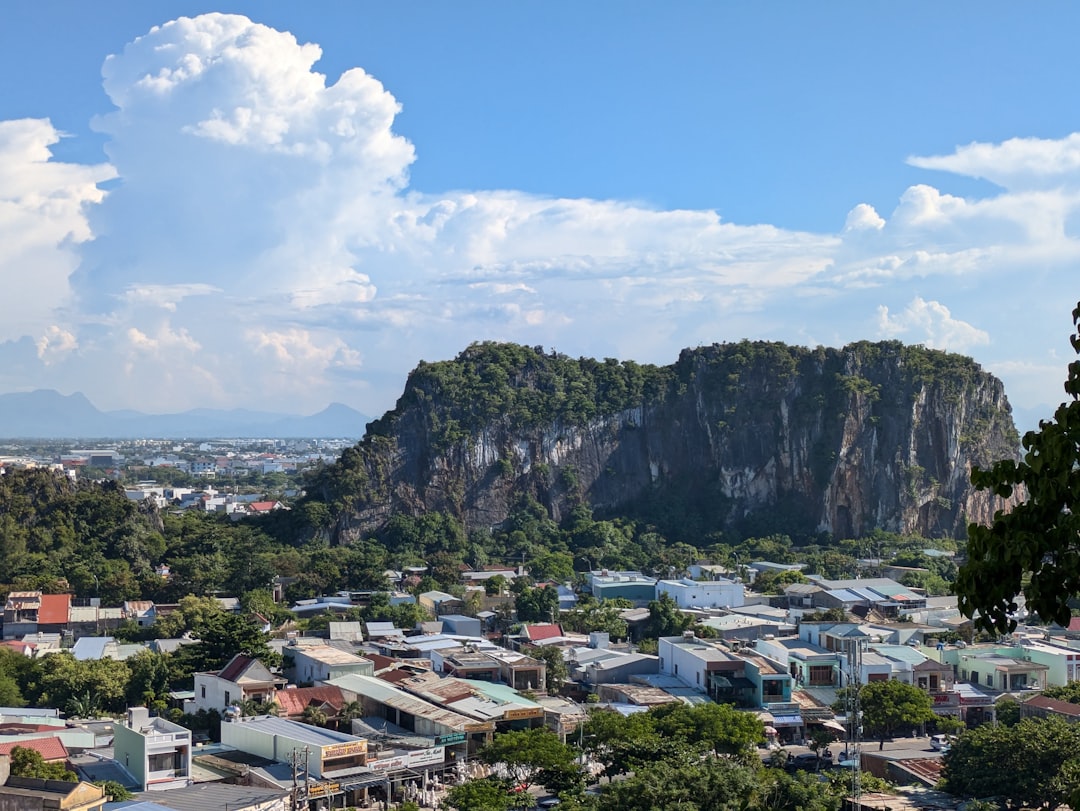
Da Nang’s attractions are spread across a wider area than Hoi An’s, so what you do depends on how much time you have and where you base yourself. Here is how I would prioritise, grouped by category, with honest notes on which ones earn their place in a tight itinerary.
Nature: Son Tra Peninsula and Marble Mountains
The Son Tra Peninsula, about 10km northeast of the city centre, is Da Nang’s best natural asset. It is a protected nature reserve covered in primary forest, with winding coastal roads, hidden beaches, and the Linh Ung Pagoda, home to a 67-metre-tall Lady Buddha statue that you can see from across the bay. The peninsula is also home to roughly 300 endangered red-shanked douc langurs, one of the rarest primates in the world. If you have a motorbike, the ride up to Ban Co Peak (Chessboard Peak) is one of the best short rides in the region, with switchbacks through forest that open to panoramic views of the city and coastline.
The Marble Mountains (Ngu Hanh Son) are a cluster of five limestone peaks about 9km south of the city centre, each named after one of the five elements. The main peak, Thuy Son (Water Mountain), has caves, pagodas, and viewpoints packed into a compact area you can explore in two hours. Huyen Khong Cave is the highlight: a large cavern with a Buddha carved into the wall and shafts of light piercing through openings created by wartime bombing. There is an elevator to the top for a small fee, or you can climb the 150-plus stone steps if you want to earn the view. Go early morning to beat the heat and the tour groups.
Tourist Attractions: Ba Na Hills and Dragon Bridge
Ba Na Hills, about 40km west of Da Nang at nearly 1,500 metres elevation, is the big-ticket day trip. You reach the summit via one of the longest cable car systems in the world, and the complex includes a French Village, landscaped gardens, an indoor theme park, and the Golden Bridge, the pedestrian bridge held up by two giant stone hands that went viral on Instagram. It is touristy, crowded, and honestly a bit surreal, like someone dropped a European theme park on a Vietnamese mountaintop. But the cable car ride alone is worth the ticket if the weather is clear. Go on a weekday and arrive when the cable car opens to avoid the worst crowds.
The Dragon Bridge, spanning the Han River in the city centre, is Da Nang’s modern landmark. On Friday, Saturday, and Sunday evenings at 9 PM, it breathes fire and water. It sounds gimmicky, and it is, but it is also genuinely fun, and the riverside promenade fills with locals and families in a way that feels like a real city event rather than a tourist show. Pair it with a walk along Bach Dang Street, the riverside walking path lined with cafes and pop-up vendors.
Beaches: My Khe and Non Nuoc
My Khe Beach is the main reason many travellers choose Da Nang over Hoi An. The beach runs for several kilometres along Vo Nguyen Giap Street, with wide sand, gentle waves, and a backdrop of beachfront hotels and seafood restaurants. It is one of the best urban beaches in Vietnam, and it is public and free. The water is cleanest from February to August. Outside of that window, especially in October and November, the sea can be rough and the water murky from runoff.
Non Nuoc Beach, at the southern end of the strip near the Marble Mountains, is quieter and more resort-oriented. If you want a beach day without the crowds, head here. The further south you go from the city centre, the quieter it gets.
Where And What To Eat And Drink In Da Nang
Da Nang is not a food pilgrimage destination the way Hanoi or Hoi An is, but it has a solid regional food culture that blends central Vietnamese flavours with coastal abundance. The local dishes are spicier and bolder than northern Vietnamese food, with more chilli, shrimp paste, and rice crackers.
Mi Quang is the dish I would seek out first. It is a turmeric noodle soup with a small amount of rich broth, topped with shrimp, pork, quail eggs, fresh herbs, and toasted rice crackers for crunch. The broth is less liquid than pho, more like a sauce that coats the noodles. Every Da Nang local has their favourite mi quang stall, and the debates are passionate. Look for places around Hai Chau District or along Le Duan Street.
Banh Xeo is the other regional star: a crispy turmeric crepe filled with shrimp, pork, and bean sprouts, wrapped in rice paper with fresh greens and dunked in nuoc cham. In central Vietnam the crepe is smaller and crispier than in the south, and you eat several of them rather than one large one. Banh Xeo Ba Duong on Hoang Dieu Street is the most famous spot, and in my experience it lives up to the reputation.
Seafood is the other reason to eat well in Da Nang. The seafood restaurants along My Khe Beach and the An Thuong area serve fresh catch grilled, steamed, or in hot pots. Expect to pay by weight for live seafood from tanks. My advice: pick a busy restaurant where the tanks are full and the turnover is high. The seafood street along the beachfront gets going after 5 PM, and the atmosphere of plastic tables, ocean breeze, and charcoal grills is exactly what you came to Southeast Asia for.
Da Nang’s cafe culture has exploded in recent years. The An Thuong area is packed with third-wave coffee shops, and you will find Vietnamese-style cafes serving ca phe sua da (iced coffee with condensed milk) on every block. For a view, head to a rooftop cafe along the Han River around sunset.
Shopping In Da Nang
Shopping in Da Nang is practical rather than atmospheric, but the local markets are worth a visit for food, souvenirs, and the energy of daily life. Han Market, on the banks of the Han River near the Dragon Bridge, is the most tourist-friendly. The ground floor sells dried seafood, spices, and local snacks. The upper floor has textiles, tailor shops, and souvenirs. Prices are marked up for tourists, so bargain politely. Con Market, a few blocks south, is where locals actually shop. It is louder, more crowded, and has better prices on everything from clothing to dried goods. If you want to buy marble carvings, the Marble Mountains area has entire villages of stone sculptors. The quality varies wildly, so take your time and compare.
For modern shopping, Lotte Mart and Vincom Center are the main malls. They are not destinations in themselves, but they are useful if you need a SIM card, pharmacy, or air-conditioned break from the heat.
Bars And Nightlife In Da Nang
Da Nang is not a nightlife city in the way Ho Chi Minh City or Bangkok is, but it has a pleasant evening scene. The An Thuong Tourist Street in the My An area is the closest thing Da Nang has to a nightlife district, with a cluster of bars, pubs, and restaurants that cater to both expats and travellers. It is low-key: craft beer, cocktails, live music some nights, and tables spilling onto the sidewalk.
The riverside along Bach Dang Street comes alive after dark with pop-up bars, street food vendors, and families out for an evening stroll. On weekends, the Dragon Bridge fire show draws crowds. For a quieter drink, the rooftop bars along the Han River offer views of the illuminated bridges. Da Nang has several bridges, and they are all lit up at night in a way that makes the riverfront genuinely beautiful after dark.
When Is The Best Time To Visit Da Nang?
Here is where I need to be honest, because most Da Nang travel guides gloss over the monsoon. Da Nang has two seasons: a dry season from roughly February to August, and a wet season from September to December. The wet season is not just occasional rain. October alone averages over 450mm of rainfall across roughly 18 rainy days, according to Da Nang’s official city portal. That is more than most cities in Southeast Asia receive in an entire year. November is nearly as wet. Typhoons can hit the central coast between October and December, causing flooding, flight cancellations, and road closures.
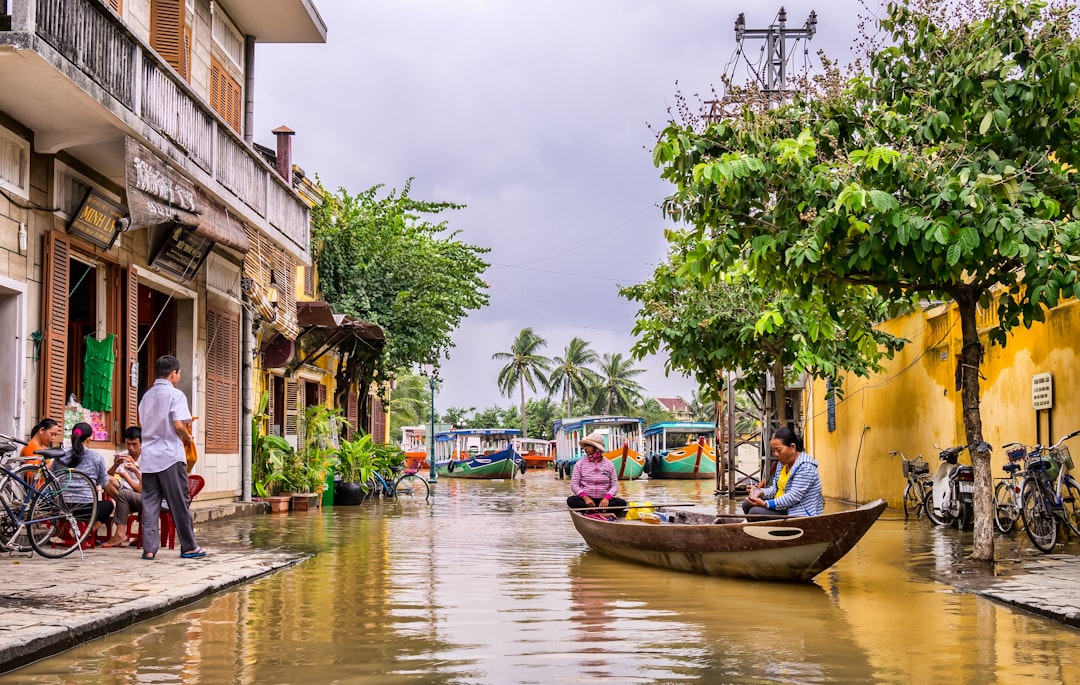
If you are planning a Da Nang plus Hoi An plus Hue itinerary, the weather matters even more because all three destinations share the same central Vietnam climate pattern. A typhoon in October can shut down the Hai Van Pass, cancel beach days, and flood Hoi An’s old town streets. I would not plan a Central Vietnam trip in October or the first half of November unless I had flexibility to change plans on short notice.
The best months are February through May. The weather is dry, temperatures are comfortable (24 to 30 degrees Celsius), and the humidity has not yet reached its summer peak. June through August is also dry and hot, with temperatures hitting 34 to 36 degrees, but this is when Vietnamese domestic tourists flood the beaches. If you do not mind heat and crowds, summer works. Just book accommodation ahead.
| Month | Avg Temp (C) | Rainy Days | Rainfall (mm) | Verdict |
|---|---|---|---|---|
| January | 22 | 5 | 80 | Cool, mostly dry, good |
| February | 23 | 2 | 15 | Excellent, start of dry season |
| March | 25 | 2 | 15 | Excellent, ideal |
| April | 27 | 3 | 35 | Excellent, ideal |
| May | 29 | 7 | 85 | Very good, warming up |
| June | 30 | 7 | 90 | Hot, dry, domestic tourists |
| July | 30 | 7 | 85 | Hot, dry, domestic tourists |
| August | 29 | 11 | 115 | Transition, still okay |
| September | 28 | 16 | 300 | Wet season begins, risky |
| October | 26 | 18 | 550+ | Avoid, peak monsoon |
| November | 24 | 14 | 430 | Avoid, still very wet |
| December | 22 | 10 | 200 | Improving, but unpredictable |
My recommendation: plan for February to May if you can. If your schedule only allows autumn, late December is a safer gamble than October or November, as the monsoon begins to ease and temperatures drop to a comfortable 22 degrees. But even in December, expect occasional rain and overcast skies.
How Many Days Do You Need In Da Nang?
Two to three full days in Da Nang is the sweet spot. That gives you one day for the Marble Mountains and Hoi An (they are 30 minutes apart), one day for Son Tra Peninsula and the beach, and one day for Ba Na Hills if you want it. If you are not interested in Ba Na Hills, two days is enough. You can see Da Nang’s city highlights, the Marble Mountains, and My Khe Beach in a packed 48 hours.
For a full Da Nang plus Hoi An plus Hue itinerary, I would allocate seven to nine days. Here is the shape I would recommend:
- Days 1 to 3: Base in Da Nang. Arrive, settle in, explore Son Tra Peninsula, Marble Mountains, and My Khe Beach. Watch the Dragon Bridge fire show on a weekend evening.
- Days 4 to 5: Move to Hoi An (or stay in Da Nang and day-trip). Explore the Ancient Town, take a cooking class, visit My Son or the Tra Que vegetable village. Stay for the lantern-lit evening.
- Day 6: Travel to Hue via the Hai Van Pass (by motorbike, private car, or train). Stop at Lang Co Bay for lunch.
- Days 7 to 8: Explore Hue’s Imperial City, royal tombs, and Perfume River. Fly out of Da Nang or take the train north or south.
If you only have five days, skip Hue and focus on Da Nang and Hoi An. If you have ten or more days, add a beach day at An Bang Beach in Hoi An and a slow day in Hue’s countryside. The biggest mistake I see is trying to squeeze all three cities plus Ba Na Hills into four days. You will spend half your trip in transit and remember none of it.
Where To Stay In Da Nang
Where you base yourself in Da Nang shapes your trip more than any other decision. The city is spread out, and the beach strip is a 15 to 20 minute drive from the city centre. Here is how I would compare the main areas, followed by the bigger question of whether to base in Da Nang at all or choose Hoi An instead.
My Khe Beach and My An: Best for Most Travellers
The stretch of coastline from My Khe south into My An and An Thuong is where most first-time visitors end up, and for good reason. The beach is wide and clean, the hotel density is high, and the An Thuong area has become Da Nang’s go-to dining and cafe strip. You get beach access, restaurants, and bars all within walking distance. Mid-range hotels here typically run 800,000 to 1,500,000 VND (about $32 to $60) per night, often with breakfast included. This is where I would stay on my next visit.
Hai Chau District: Best for City-Centre Convenience
Hai Chau is Da Nang’s commercial core, clustered around the Han River, Dragon Bridge, Han Market, and Con Market. It is the most underrated area for travellers who are not primarily here for the beach. You are 15 to 20 minutes from My Khe by Grab, but you are walking distance from the riverside promenade, street food, and the city’s cultural sites. Budget guesthouses start around 250,000 VND ($10) per night. If Da Nang is a transit stop rather than your main destination, or if you plan day trips to Hoi An and Hue, Hai Chau cuts travel times and gives you a more local experience.
Son Tra Peninsula: Best for Seclusion and Luxury
Son Tra is the most distinctive and least urban choice. The peninsula rises northeast of the city with forested hills, quiet coves, and Da Nang’s most exclusive resorts. Rates here run well above $200 per night, and you are a significant drive from the city, meaning you will likely eat most meals on-property. Choose Son Tra only if the resort itself is the trip: a honeymoon, an anniversary, a deliberate escape. For a standard sightseeing itinerary, the isolation works against you.
Non Nuoc and Bac My An: Best for Resort Stays
The southern end of the beach strip, near the Marble Mountains, skews toward larger resort properties. It is quieter than My Khe, closer to the Marble Mountains and Hoi An, and has a more relaxed feel. Expect 900,000 to 1,600,000 VND ($36 to $65) per night for comparable quality. This area makes sense if you want a resort environment with pools and gardens but still want occasional trips into the city.
| Area | Vibe | Best For | Budget (per night) |
|---|---|---|---|
| My Khe / My An | Beachfront, lively, walkable | Most travellers, first-timers | $32 to $60 |
| Hai Chau (City Centre) | Urban, riverside, local | Transit stops, day-trippers, budget | $10 to $40 |
| Son Tra Peninsula | Secluded, forested, luxury | Honeymoons, resort stays | $200+ |
| Non Nuoc / Bac My An | Quiet, resort-oriented | Families, resort holidays | $36 to $65 |
Da Nang or Hoi An: Which Makes the Better Base?
This is the question I get most often, and the answer depends on what kind of trip you are planning. If you want a beach holiday with urban convenience and easy access to both Hoi An and Hue, Da Nang is the better base. You have an international airport, a wider range of hotels across all budgets, better restaurants, and My Khe Beach. You can day-trip to Hoi An in 30 minutes and to Hue in two hours.
If you want atmospheric evenings, walkable charm, and a deeper cultural immersion, Hoi An is the better base. The Ancient Town is genuinely magical at night, with lanterns, river boats, and tailor shops. But Hoi An’s beaches (An Bang and Cua Dai) are a 15-minute bike ride from the old town, the hotel range is narrower, and you are further from the airport and Hue. Hoi An also floods during heavy rains, particularly in October and November.
My honest recommendation: split your stay. Base in Da Nang for the first half of your trip to cover the city, Son Tra, Marble Mountains, and the beach. Then move to Hoi An for two or three nights to experience the Ancient Town properly. Moving once is worth it because the two places offer fundamentally different experiences, and Hoi An at night is something you should not have to rush back from.
How Do You Get Around In Da Nang?
Da Nang is easier to navigate than Hanoi or Ho Chi Minh City. The streets are wide, the grid is logical, and traffic is manageable by Vietnamese standards. Here are your main transport options.
Grab is the default for most travellers. A Grab car within the city costs 30,000 to 80,000 VND ($1.20 to $3.20) depending on distance. Grab motorbike rides are cheaper, around 15,000 to 40,000 VND ($0.60 to $1.60). Download the app before you arrive and pick up a SIM card at the airport. Da Nang International Airport is centrally located, roughly 10 minutes by car to My Khe Beach and 15 minutes to the Han River area.
Taxis work fine if you use metered companies. Mai Linh is the reliable operator in Da Nang. Avoid unmetered taxis that hang around tourist spots.
For getting between Da Nang, Hoi An, and Hue, you have several options. The Da Nang to Hoi An run is 30km, about 30 to 45 minutes by car or motorbike. Grab cars can do this trip, or you can hire a private driver for roughly 300,000 to 500,000 VND ($12 to $20). Local buses also run the route for a fraction of the cost. The Da Nang to Hue run is about 100km. Most travellers take a private car (around 1,200,000 to 1,800,000 VND, $48 to $72) or the train, which runs along the coast and takes about 2.5 hours.
Riding the Hai Van Pass
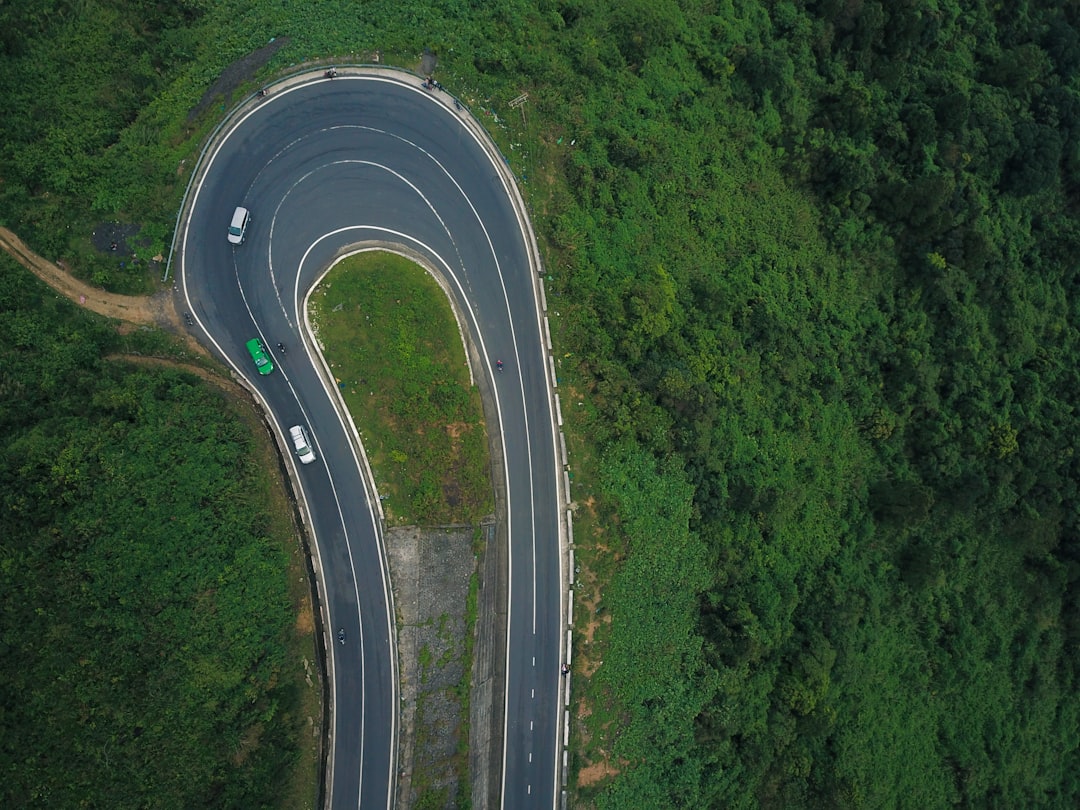
If you are on a motorbike, the Hai Van Pass is the way to travel between Da Nang and Hue. The pass is a 21km stretch of switchback mountain road that climbs to about 500 metres above sea level, with views of Da Nang Bay behind you and Lang Co Lagoon ahead. It was famously featured on Top Gear and has become a rite of passage for motorcycle travellers in Vietnam. Since the Hai Van Tunnel opened in 2005, most truck and car traffic bypasses the pass, leaving the road relatively quiet. Motorbikes are not allowed in the tunnel, so the pass is your only option on two wheels.
The ride takes about four to five hours including stops, with the full Da Nang to Hue route covering roughly 100km. Start early in the morning from Da Nang, ideally by 7 AM, to catch the best light and avoid the construction truck traffic on the lower approach. Fill up with fuel in Da Nang before you depart, as there are no petrol stations on the pass itself. The northern descent is steeper and more technical than the southern climb, so use engine braking if you are on a manual bike and check your brakes before you leave.
The critical caveat: do not ride the Hai Van Pass during the wet season. From October through January, the pass gets fog, rain, and sometimes dangerous driving conditions. The road has no guardrails in several sections, and oil residue from fuel tankers (which share the pass road since they cannot use the tunnel) makes wet surfaces genuinely treacherous. The best months for riding are February through August, with April to June being the sweet spot: dry on both sides, clear visibility, and not yet peak tourist season. If you are riding in Vietnam, make sure your paperwork is in order. An International Driving Permit is essential for legal riding, and enforcement is taken more seriously in central Vietnam than in some other parts of the country.
One more tip for motorcycle travellers: ride the pass as transit between Da Nang and Hue, not as a day trip out-and-back. Doing it as part of a journey from one city to the other makes the crowded summit a moment in a longer ride rather than the destination. The middle section of the climb, between roughly 200 and 450 metres elevation, is where the road earns its reputation. That is where the sea appears and disappears behind ridgelines as you corner, and it is the part you will remember.
Conclusion
Da Nang is the practical backbone of a Central Vietnam trip. It gives you the airport, the beach, the hotel range, and the geographic position to explore both Hoi An and Hue without rushing. Two to three days here, paired with two to three in Hoi An and two in Hue, gives you a complete Central Vietnam experience in seven to nine days. Go between February and May, split your stay between Da Nang and Hoi An, and if you ride, make the Hai Van Pass part of your journey north rather than a detour.
The monsoon season from October to December is real, and it is the one thing that can genuinely derail a Central Vietnam itinerary. Plan around it. If your dates are fixed and you are travelling in autumn, aim for late December rather than October, and build flexibility into your schedule for weather changes.
Have you been to Da Nang, or are you in the planning stages of a Central Vietnam trip? Drop your questions and your own tips in the comments. I would genuinely love to hear how your itinerary comes together, especially if you found accommodation areas or food spots I have not covered. Every trip to central Vietnam teaches me something new, and the region keeps evolving as new hotels and restaurants open up.
Frequently Asked Questions
Is Da Nang or Hoi An a better base for a Central Vietnam trip?
Da Nang is the better base if you want beach access, an international airport, wider hotel range, and easy day trips to both Hoi An and Hue. Hoi An is better if you prefer walkable charm, lantern-lit evenings, and a slower pace, but you will need transport to reach the beach or Da Nang airport.
What is the worst month to visit Da Nang?
October is the worst month. It receives an average of 18 rainy days and over 450mm of rainfall, with a high risk of typhoons. November is also very wet. If you must visit in autumn, late December is a safer bet as the monsoon begins to clear.
How many days should I spend in Da Nang on a Central Vietnam itinerary?
Two to three full days in Da Nang is enough to cover My Khe Beach, the Marble Mountains, Son Tra Peninsula, and a Ba Na Hills day trip. For a full Da Nang plus Hoi An plus Hue itinerary, allow seven to nine days total.
Can you ride the Hai Van Pass by motorbike?
Yes, motorbikes are allowed on the Hai Van Pass road since they cannot use the Hai Van Tunnel. The ride is about 21km of switchbacks between Da Nang and Hue. Ride in the dry season (February to August), start early, and avoid it during October to January when fog and rain make the road dangerous.
How far is Da Nang from Hoi An and Hue?
Da Nang to Hoi An is about 30km, a 30 to 45 minute drive. Da Nang to Hue is about 100km via the Hai Van Pass or 80km through the Hai Van Tunnel. Hoi An to Hue is about 130km.