Singapore Travel Guide: 3 Days for First-Timers
The first time I stepped out of Changi Airport MRT station, I had S$5 on a borrowed EZ-Link card and a rough plan scribbled on a boarding pass stub. Three days later, I had eaten my body weight in chicken rice, gotten lost in the Supertree Grove at midnight, and understood why people who live in KL keep crossing the causeway for long weekends in Singapore. This Singapore travel guide is for the person with limited time and zero patience for fluff: what is actually worth your 72 hours, what you can skip without regretting it, and where to eat along the way.
Whether you are on a stopover between flights or hopping up from Kuala Lumpur for a long weekend, Singapore rewards a tight, well-planned itinerary. The city-state is compact, brutally efficient, and expensive enough that wasted time feels like wasted money. I have visited enough times now to have firm opinions about what earns its place in a short trip and what does not, and this guide is built around a realistic three-day structure covering Marina Bay Sands, Sentosa Island, Gardens by the Bay, Orchard Road, Chinatown, and Little India.
The History Of Singapore
Singapore is a place that should not really exist. It is a small island at the southern tip of the Malay Peninsula, with no natural resources, no hinterland, and no obvious reason to have become one of the wealthiest cities on earth. That it did is a story of trade, stubbornness, and the kind of pragmatism that borders on obsession.
The island’s modern history begins in 1819, when Sir Stamford Raffles arrived and established a trading post for the British East India Company. Raffles chose the spot for its deep harbour and its position along the Strait of Malacca, one of the busiest shipping lanes in the world. What had been a Malay fishing village with a few hundred inhabitants became, within decades, a bustling free port that drew Chinese merchants, Indian labourers, and traders from across the archipelago.
That mix of Chinese, Malay, and Indian communities, layered over a British colonial framework, is the foundation of everything you see today. The ethnic neighbourhoods, Chinatown, Little India, and Kampong Glam, were part of Raffles’ town plan, which segregated communities by race in a way that feels uncomfortable now but left a legacy of distinct cultural enclaves that are among the most rewarding parts of the city to explore. After independence in 1965, under Lee Kuan Yew’s leadership, Singapore transformed from a developing port into a global financial hub in a single generation. The skyline you see at Marina Bay is the physical expression of that trajectory.
What this means for you as a visitor is that Singapore carries its history in a very visible way. You can walk from a colonial-era cathedral to a Hindu temple to a hawker centre selling Hainanese chicken rice, all within ten minutes, and each of those things tells a piece of the story. Understanding even a little of that context makes the city far more interesting than if you treat it as a collection of photogenic buildings.
Best Things To Do In Singapore
If you have three days, you need to be ruthless about priorities. Singapore has more attractions than you can reasonably see in a short trip, and not all of them earn the time or the money. Here is my honest breakdown of what is worth doing, grouped by category, with skippable options flagged for different traveller types.
Tourist Attractions: Marina Bay Sands and Gardens by the Bay
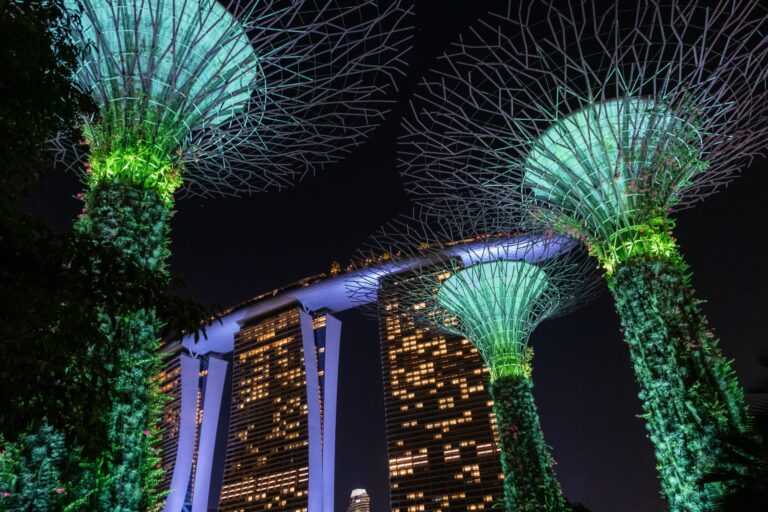
Marina Bay is the postcard view of Singapore, and it is the one thing every first-time visitor should see. The Marina Bay Sands complex, with its three towers and the boat-shaped SkyPark perched on top, is the defining image of modern Singapore. You can see it for free from the waterfront promenade, and honestly, the view from the ground looking up is as impressive as the view from the top looking down.
If you want to go up, the SkyPark Observation Deck on Level 56 of Tower 3 costs S$35 for an off-peak ticket (10am to 4:30pm) or S$39 for peak hours (5pm to 10pm), per the official Marina Bay Sands website. The infinity pool on Level 57 is off-limits unless you are a hotel guest, which is a detail many people discover only after paying for the observation deck. Go for the sunset slot if you can time it right; the transition from daylight to the city lighting up is genuinely spectacular. I have a dedicated Marina Bay Sands guide coming soon that will cover every viewing angle, dining option, and money-saving tip in detail.
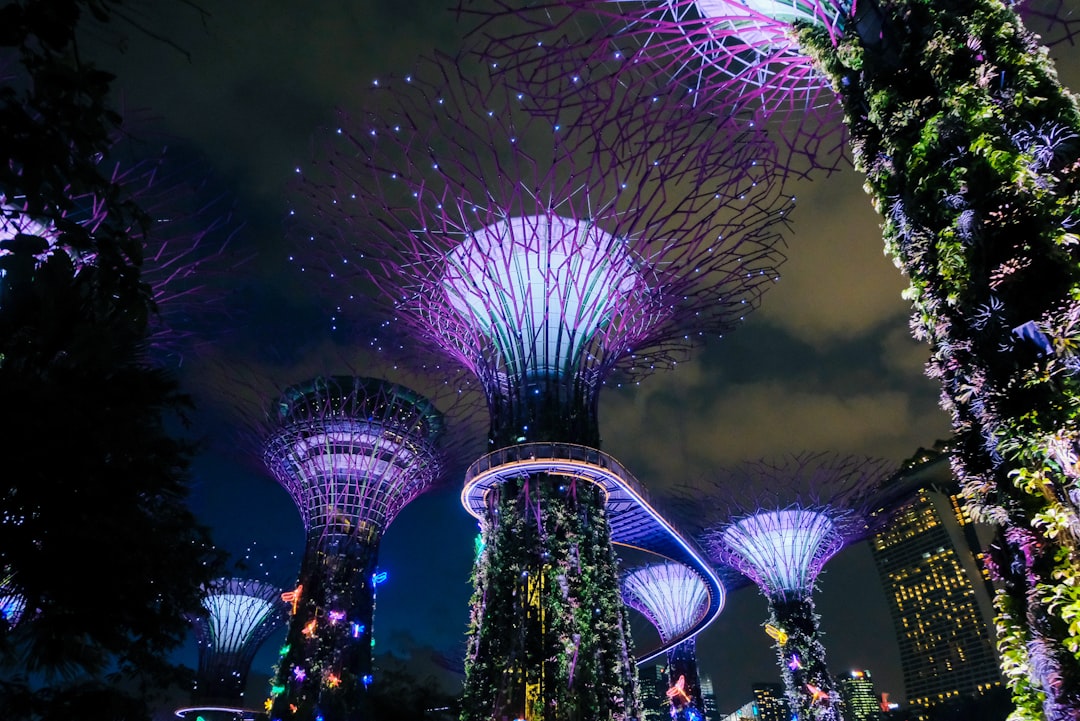
Right across the bay, Gardens by the Bay is the attraction I send people to first. The Supertree Grove, with its 18 vertical gardens rising up to 50 metres, is free to walk through, and the nightly Garden Rhapsody light-and-sound show at 7:45pm and 8:45pm is one of the best free experiences in any city I have visited. The OCBC Skyway, a 128-metre aerial walkway suspended 22 metres between two Supertrees, costs S$14 for non-resident adults and is worth it for the photo alone. The two main conservatories, Flower Dome and Cloud Forest, cost S$46 combined for non-resident adults, and Cloud Forest in particular is stunning, a 35-metre indoor mountain with a waterfall you can walk through. My full Gardens by the Bay guide is in the works and will cover ticket combinations, crowd-beating timing, and which gardens to skip.
The Merlion Park is the other obvious stop in the Marina Bay area. It is free, it takes ten minutes, and you get the classic photo of the Merlion statue with Marina Bay Sands in the background. Go at dusk when the light is softer and the crowds thin slightly. Do not plan more than fifteen minutes here; it is a photo stop, not a destination.
Cultural Experiences: Chinatown and Little India
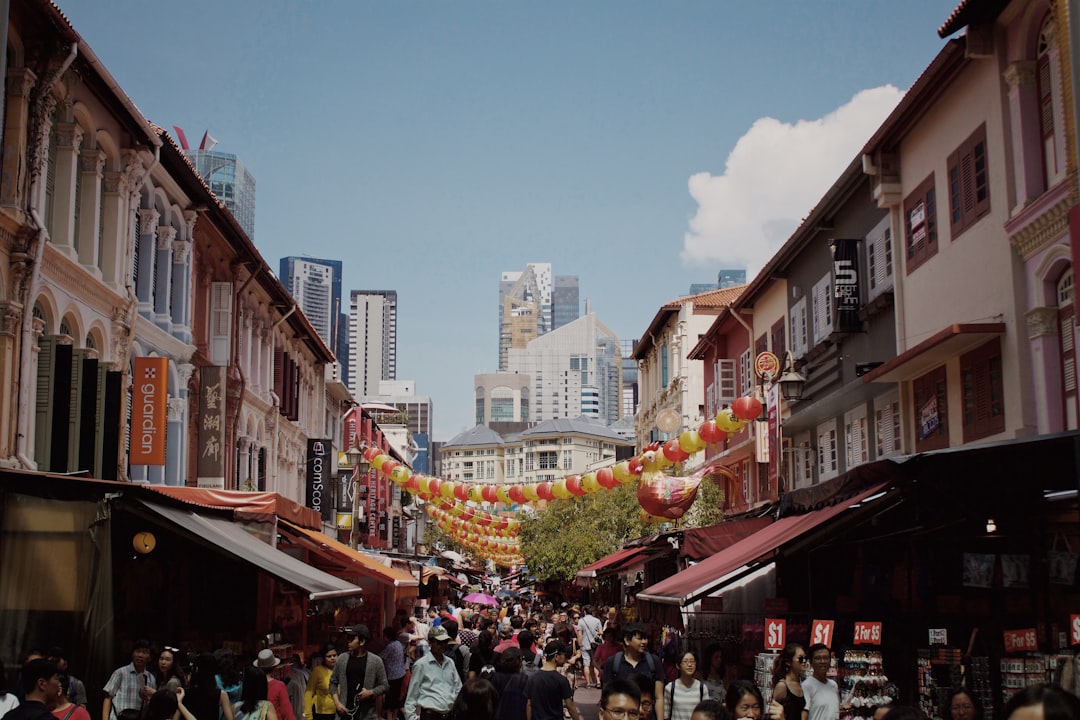
Chinatown is where Singapore’s Chinese heritage is most concentrated, and it is one of the few areas where the old shophouse architecture survives in any density. The Buddha Tooth Relic Temple on South Bridge Road is a stunning four-storey Tang-style building that is worth twenty minutes of your time even if you are not religious. The Sri Mariamman Temple, Singapore’s oldest Hindu temple, sits at the edge of Chinatown and is a reminder of how culturally layered this city is. Walk Pagoda Street and Smith Street for the tourist market stalls, but do not eat on the main drag. The real food is in the hawker centres, which I cover in detail below.
Little India is my favourite neighbourhood in Singapore for walking. Serangoon Road and its side streets are dense, loud, and alive in a way that the polished Marina Bay area is not. The aroma of spices and jasmine garlands hits you before you even leave the MRT station. Sri Veeramakaliamman Temple, one of Singapore’s oldest Hindu temples, is colourful and active, and you can walk through it outside prayer times. Tekka Centre, the multi-level market at the corner of Serangoon and Buffalo Road, is where you eat Indian food in Singapore, and I will get into specifics in the food section below.
For anyone coming from Kuala Lumpur, Little India will feel familiar but distinct. The Indian communities in both cities share South Indian roots, but Singapore’s version is more compressed, more walkable, and more tightly focused on a few blocks. If you have spent time in Brickfields, give Little India a morning and you will see the differences.
Theme Parks and Adventures: Sentosa Island
Sentosa is Singapore’s resort island, a 5km by 3km slice of reclaimed land off the south coast that packs in Universal Studios Singapore, the Singapore Oceanarium (formerly S.E.A. Aquarium), beaches, cable car rides, and enough family attractions to fill a full day. The island itself is free to enter on foot via the Sentosa Boardwalk, a 700-metre covered walkway from VivoCity mall. The Sentosa Express monorail costs S$4 per entry, though it is usually free if you have pre-booked attraction tickets.
Universal Studios Singapore is the headline attraction and the only Universal Studios in Southeast Asia. Tickets start at S$83 for adults on off-peak weekdays and rise to S$89 on super-peak dates, per the Sentosa official site. If you are travelling with kids or you genuinely love theme parks, it is a solid full-day experience. If you are a solo adult traveller on a tight schedule, I would think hard about whether a theme park earns one of your three days. For most first-timers, I would say skip USS unless theme parks are your thing, and spend that day on the free attractions instead.
The beaches, Palawan and Siloso, are free and genuinely pleasant, particularly in the late afternoon when the heat eases. The cable car from HarbourFront Tower 2 costs about S$27 for a roundtrip and gives you the best aerial views of the harbour and the southern islands. The Skyline Luge, a gravity-powered cart ride down a hillside track, costs about S$32 for two rides and is simple, fun, and a good sunset activity. My full Sentosa Island guide is coming soon with detailed breakdowns of every attraction, how to get there cheaply, and which combination tickets actually save you money.
Nature: Singapore Botanic Gardens
The Singapore Botanic Gardens is the only UNESCO World Heritage Site in the country, and it is free. This 74-hectare tropical garden dates to 1859 and includes the National Orchid Garden, which costs a small entry fee and houses over 1,000 orchid species. If you have already done Gardens by the Bay and want more greenery, or if you want a quiet morning walk before the city heats up, the Botanic Gardens are the place. Take the MRT to Botanic Gardens station on the Circle or Downtown Line. For stopover travellers with only one or two days, I would rank this below Gardens by the Bay, but for anyone with a third day or a slower pace, it is a beautiful, peaceful spot.
Where and What To Eat and Drink In Singapore
If there is one area where Singapore punches above its weight globally, it is food. The hawker centre is the backbone of Singaporean eating, a model so effective that UNESCO inscribed it on the Representative List of the Intangible Cultural Heritage of Humanity in 2020. A full meal at a hawker centre costs S$4 to S$8, and the quality rivals restaurants charging ten times as much. If you eat nowhere else during your trip, eat at hawker centres.
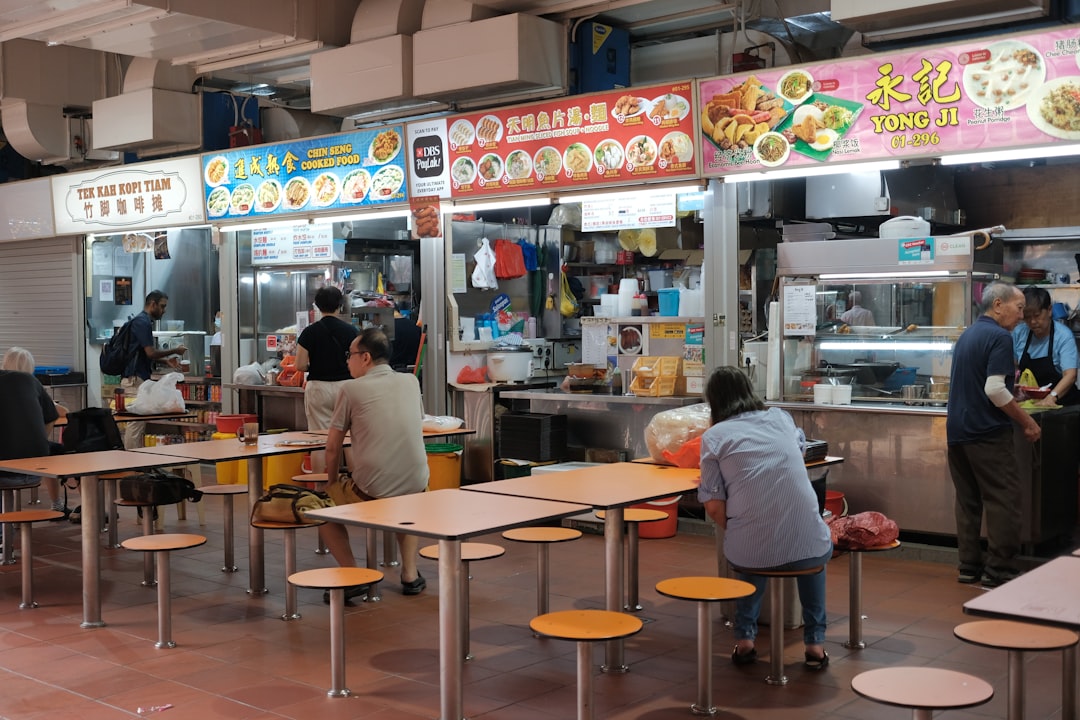
The mistake I see most often is visitors eating at the tourist-facing stalls on Chinatown’s Smith Street or the overpriced restaurants at Clarke Quay. Skip both. Here are the specific hawker centres and stalls I recommend.
Maxwell Food Centre (Chinatown)
Maxwell is the most accessible hawker centre for first-timers, sitting right in Chinatown opposite the Buddha Tooth Relic Temple. The stall everyone talks about is Tian Tian Hainanese Chicken Rice (stall #01-10), made famous by Anthony Bourdain and Gordon Ramsay. A plate costs S$5 to S$7. It is genuinely excellent: silky poached chicken, pandan-scented rice, and a balanced chilli sauce. Arrive before 11:30am on weekdays to beat the lunch queue, which can stretch to 30 or 40 minutes.
Here is the insider tip: Ah Tai Hainanese Chicken Rice (stall #01-07) was started by a former Tian Tian cook, and many Singaporean food writers rate it as equal or better. The queue is consistently shorter, usually 10 to 15 minutes versus Tian Tian’s 30-plus. If you see the Tian Tian line snaking around the corner, walk a few stalls over to Ah Tai and you will eat the same quality chicken rice in half the time.
Chinatown Complex Food Centre
Three minutes’ walk from Maxwell, Chinatown Complex is the largest hawker centre in Singapore by stall count, with over 260 stalls on two floors. The second floor is the food hall, and it is where you find the world’s first Michelin-starred street food stall: Hong Kong Soya Sauce Chicken Rice and Noodle (stall #02-126), which earned its star in 2016 and charges about S$3.80 for a portion. The queue runs 45 to 90 minutes on weekdays and longer on weekends. Arrive at 10:30am when they open, or accept the wait. The soya sauce chicken is dark, lacquered, and fragrant, and the char siu is some of the best in the city.
Even if you skip the Michelin stall, Chinatown Complex is worth exploring for its sheer diversity. There are Malay, Indian, Chinese, and Thai stalls all under one roof, and the rule of thumb is simple: find the stall with the longest queue of locals and get in it.
Lau Pa Sat (CBD)
Lau Pa Sat is a Victorian cast-iron market building from 1894, prefabricated in Glasgow and shipped to Singapore. By day it is a lunch spot for office workers. By night, Boon Tat Street alongside it closes to traffic and becomes Satay Street, one of the most atmospheric eating experiences in the city. From about 7pm, dozens of hawkers set up charcoal grills and the smoke fills the street while the CBD towers loom overhead. Chicken, beef, and mutton satay costs about S$0.60 to S$1.20 per stick, with a typical minimum order of 10 sticks. The peanut sauce is the real star. Go at 7:30pm on a weekday for the best balance of atmosphere and availability.
Tekka Centre (Little India)
Tekka Centre is where you eat Indian food in Singapore. The ground floor is a wet market selling vegetables, fish, and halal meat, and the hawker centre upstairs opens from 6am serving South Indian breakfast. Roti prata (the Singapore version of roti canai) costs S$1.50 to S$3 per piece, served with curry or dhal. Try the banana leaf rice stalls for lunch, where white rice is served on a fresh banana leaf with various curries poured over it. A full meal costs S$8 to S$12. For anyone coming from KL, this is the Singapore equivalent of Brickfields’ banana leaf scene, and it is worth comparing the two.
Must-Try Dishes
- Hainanese chicken rice: Poached chicken on pandan-scented rice with chilli sauce. The unofficial national dish. Find it at Maxwell or Chinatown Complex.
- Laksa: Rich, spicy coconut noodle soup. The Katong version, with noodles cut short so you eat it with a spoon, is the Singapore classic.
- Char kway teow: Stir-fried flat noodles with prawns, cockles, and Chinese sausage. Old Airport Road Food Centre in Geylang does one of the best versions in the city.
- Bak kut teh: Pork rib soup in a peppery herbal broth. Song Fa Bak Kut Teh has multiple branches and is a reliable, accessible option.
- Chilli crab: Singapore’s signature seafood dish. It is messy, expensive, and worth doing once. Skip the tourist-trap seafood restaurants on the river and head to a proper establishment like Jumbo Seafood or Red House Seafood.
- Kaya toast and soft-boiled eggs: The Singapore breakfast. Toast with coconut jam and a runny egg with soy sauce. Ya Kun Kaya Toast is the classic chain, found everywhere.
Shopping In Singapore
Orchard Road is Singapore’s main shopping strip, a 2.2-kilometre stretch of malls running from Tanglin to Dhoby Ghaut. It is one of the six areas this guide covers, and I will be honest: if you are on a three-day trip, Orchard Road is the one I would most readily tell you to compress or skip. The malls here, from ION Orchard to Ngee Ann City to Paragon, are impressive in scale but not culturally distinct from high-end malls in any other major Asian city. The brands are the same. The prices are not cheaper than elsewhere.
That said, Orchard Road has its uses. If you need air-conditioned refuge from the midday heat, or if you are travelling with family members who want a shopping fix, it serves its purpose. The ION Sky observation deck on level 56 of ION Orchard is free and gives you a decent panoramic view. For a more local shopping experience, skip Orchard Road entirely and head to Bugis Street Market, a maze of stalls selling clothes, accessories, and souvenirs at prices that start around S$5. It is chaotic, loud, and far more fun than any mall.
For souvenirs that are actually worth bringing home, look for Peranakan tiles, bak kwa (barbecued pork jerky, available at Bee Cheng Hiang), TWG tea tins, and Press Butter Jam cookies. Avoid the Merlion keychains unless you genuinely want one.
Bars and Nightlife In Singapore
Singapore’s nightlife is more refined than wild. This is not Bangkok, and it is not trying to be. The bar scene is genuinely good, particularly in the craft cocktail space, but it is expensive. A beer at a decent bar runs S$12 to S$18, and a cocktail S$18 to S$28. If you are on a budget, drink at hawker centres or buy from a 7-Eleven, where a beer costs S$4 to S$5.
Clarke Quay is the obvious nightlife strip, and it is the most touristy. The bars along the Singapore River are busy and fun in a generic way, but they are overpriced and skippable for most travellers. A better bet is the Ann Siang Hill and Keong Saik Road area in Chinatown, which has a cluster of speakeasy-style cocktail bars hidden behind unmarked doors. Operation Dagger, Atlas (with its gin tower), and Native are all worth seeking out if you care about cocktails.
The Marina Bay Sands rooftop bars, particularly LAVO on Level 57, offer the best views but come with prices to match. If you want the skyline view with a drink in hand and cannot get a room at Marina Bay Sands, this is your alternative, but expect to pay S$25-plus per drink. For a quieter, more local evening, the Tiong Bahru neighbourhood has a handful of small bars and cafes with a neighbourhood feel that is a world away from the Marina Bay glamour.
When Is The Best Time To Visit Singapore?
Singapore is hot and humid year-round. There is no escaping that. Temperatures sit between 25 and 32 degrees Celsius every month, and humidity hovers around 80 percent. The question is never whether it will be hot, but when the rainfall and the haze are at their least disruptive.
The driest period runs from February to April, with February being statistically the driest month. This is also when you get the most sunshine, making it the best window for outdoor activities like Gardens by the Bay, Sentosa beaches, and walking the ethnic neighbourhoods. The wettest months are November to January during the Northeast Monsoon, when afternoon downpours can be intense. The Southwest Monsoon from June to September is generally drier but carries a risk of haze from agricultural fires in the wider region, typically from August to October. Check the PSI (Pollutant Standards Index) if you are travelling during this window.
Hotel pricing is driven by events, not seasons. The Singapore F1 Grand Prix, usually held in September or October, causes Marina Bay hotel rates to double or triple. Chinese New Year in January or February also spikes prices. If you are doing a long weekend from KL, avoid these periods unless the event itself is your reason for going.
| Period | Weather | Highlights | Drawbacks |
|---|---|---|---|
| Feb to Apr | Driest, most sunny | Chinese New Year (Jan/Feb), best for outdoor sights | CNY hotel price spikes |
| May to Jul | Hot, relatively dry | Great Singapore Sale (May/Jun) | Hottest months, occasional haze risk late in period |
| Aug to Oct | Mixed, haze possible | National Day (Aug 9), F1 weekend | Haze risk Aug to Oct, F1 hotel prices |
| Nov to Jan | Wettest months | Deepavali (Oct/Nov), year-end festive lights | Heavy rain, high December hotel prices |
My recommendation: aim for February through April. You get the driest weather, the most sunshine, and the city is operating at full energy. If you are coming from KL for a long weekend, March is the sweet spot with fewer crowds than CNY period and consistently good weather.
How Many Days Do You Need In Singapore?
Three full days is the sweet spot for Singapore. You can see the highlights in two, but three gives you room to eat properly, revisit a neighbourhood at a different time of day, and fit in one paid attraction without rushing. Here is how I would shape the three days.
Day One: Marina Bay and Gardens by the Bay
Start at Merlion Park in the morning for the classic photo, then walk the waterfront promenade to Marina Bay Sands. Go up the SkyPark Observation Deck if you want the aerial view, or skip it and head straight to Gardens by the Bay. Spend the afternoon in the conservatories (Cloud Forest first, it is the better of the two) and walk the OCBC Skyway. Have dinner at Satay by the Bay, the hawker centre within the Gardens, then stay for the 7:45pm or 8:45pm Garden Rhapsody light show. This is your skyline day, and everything is within walking distance.
Day Two: Chinatown, Little India, and the Cultural Quarters
Start at Maxwell Food Centre for chicken rice before 11:30am. Walk Chinatown, visit the Buddha Tooth Relic Temple, and explore Chinatown Complex Food Centre for the Michelin soya sauce chicken (queue early). Take the MRT to Little India (two stops on the Downtown Line from Chinatown) and spend the afternoon walking Serangoon Road, Sri Veeramakaliamman Temple, and Tekka Centre. Have dinner at Lau Pa Sat for Satay Street, which means taking the MRT back toward the CBD. End with a drink on Ann Siang Hill if you have the energy.
Day Three: Sentosa Island or Botanic Gardens
This is your flexible day. If you are travelling with family or want theme park thrills, spend it on Sentosa: Universal Studios for the full day, or the beaches plus cable car plus Skyline Luge for a lighter version. If you are a solo traveller or a couple who prefers culture over rollercoasters, skip Sentosa entirely and spend the morning at the Botanic Gardens, the afternoon on Orchard Road if you need a shopping fix, and the evening at a rooftop bar watching the city light up. If you are on a stopover and only have one or two days, drop Day Three and compress Days One and Two into a tighter schedule.
Where To Stay In Singapore
Singapore is expensive for accommodation, full stop. It is one of the priciest hotel markets in Southeast Asia, and there is no way around that. What you can control is where you base yourself, which affects both price and how much time you spend in transit. Here are the areas I would consider, depending on your budget.
Chinatown (best all-round value): Central, on the MRT, walking distance from Maxwell and Chinatown Complex, and with a good range of budget and mid-range boutique hotels. Hostel dorms from S$25 to S$40 per night, private rooms in budget hotels from S$70 to S$120, and mid-range boutique options from S$120 to S$200. This is where I would stay on a first visit.
Little India (best budget option): The most affordable central area, directly on the MRT, surrounded by excellent hawker food at Tekka Centre. Hostel dorms from S$25 to S$40, budget private rooms from S$70 to S$120. The trade-off is that it can be noisy on weekends and some streets are less polished than other central areas.
Bugis and Kampong Glam (local character, good access): A lively, colourful area with good MRT connections and a solid range of mid-range hotels from S$120 to S$220. Haji Lane, Sultan Mosque, and the Arab Street area are all walkable. A good compromise between price and atmosphere.
Marina Bay (splurge zone): If you want the skyline view from your hotel room and budget is not a concern, Marina Bay is where the five-star properties cluster. Expect S$400 to S$800-plus per night, with Marina Bay Sands itself at the top of that range. The convenience of walking to Gardens by the Bay and the waterfront is real, but the food and drink in the immediate area are expensive.
Orchard Road (for shoppers and families): Mid-range to upscale hotels clustered around the shopping strip. S$200 to S$400 per night for decent options. Good for families who want mall access and a predictable hotel experience, less interesting for travellers who want neighbourhood character.
One important note: Singapore hotels add a 10 percent service charge plus 9 percent GST to the base room rate, which together adds roughly 19 percent to the advertised price. Always check whether the rate you see is inclusive or exclusive of taxes. Book three to six weeks ahead for the best prices, and avoid the F1 weekend and Chinese New Year if you can, when rates spike 50 to 100 percent.
How Do You Get Around In Singapore?
The MRT is the best public transit system I have used in Southeast Asia, and it is the backbone of getting around Singapore. It is clean, air-conditioned, reliable, and covers nearly everywhere a tourist needs to go. Fares are distance-based, ranging from S$1.28 for short trips up to S$2.57 for the longest journeys, per the SimplyGo fare structure effective December 2025.
You do not need a special card. Since the SimplyGo migration, you can tap a contactless Visa, Mastercard, or Amex bank card directly at the fare gates, and the fare is identical to what you would pay with an EZ-Link card. If you prefer a dedicated transit card, an EZ-Link card costs S$10 (S$5 non-refundable card cost plus S$5 stored value). The Singapore Tourist Pass offers unlimited rides at S$17 for one day, S$24 for two days, and S$29 for three days, but it only saves money if you make more than six or seven MRT trips in a day. For most three-day itineraries, pay-as-you-go with a contactless bank card is the cheaper option.
Key MRT routes for the itinerary in this guide: Marina Bay Sands and Gardens by the Bay are served by Bayfront station on the Circle Line (CE1) and Downtown Line (DT16). Chinatown is served by Chinatown station on the North East Line (NE4) and Downtown Line (DT19). Little India is served by Little India station on the North East Line (NE7) and Downtown Line (DT12). Orchard Road is served by Orchard, Somerset, and Dhoby Ghaut stations on the North South Line. Sentosa is reached by taking the North East or Circle Line to HarbourFront, then either walking the Sentosa Boardwalk or taking the Sentosa Express monorail from VivoCity Level 3.
Grab is the ride-hailing app in Singapore, and it works reliably across the city. A short hop costs S$8 to S$15, a medium trip S$15 to S$25. There is a S$6 road surcharge for taxis and Grab cars entering Sentosa by road, which is why the monorail or boardwalk is usually the better option. Walking is practical in clusters: the Marina Bay area, Chinatown, and Little India are all walkable within themselves, but the heat makes anything beyond 15 minutes on foot uncomfortable between 11am and 4pm. Plan your day so walking is concentrated in mornings and evenings, and use the MRT for midday movements.
For a typical three-day trip following the itinerary above, expect to spend about S$15 to S$25 total on MRT fares if you are paying per ride. That is one of the great bargains in a city that is not known for them.
Conclusion
Singapore is a city that does not waste your time. The MRT runs on schedule, the hawker food is world-class and cheap, and the attractions deliver exactly what they promise. It is expensive for accommodation and alcohol, but if you eat at hawker centres, ride the MRT, and focus on the free and low-cost attractions like the Supertree Grove, Merlion Park, and the ethnic quarters, you can have a genuinely rich three-day experience without spending a fortune.
The itinerary I have laid out here gives you the iconic Marina Bay skyline, the cultural depth of Chinatown and Little India, the green escape of Gardens by the Bay, the entertainment options of Sentosa, and the shopping fix of Orchard Road, all in a realistic three-day frame. Adjust based on your interests and your budget. If you are a theme park person, spend more time on Sentosa. If you are a foodie, add a meal at Old Airport Road Food Centre and spend less time on Orchard Road. The beauty of Singapore is that it is compact enough to tailor.
Have you been to Singapore? Found a hawker stall I should know about, or a neighbourhood I missed? Drop your tips in the comments. I would love to hear your experience and add more stops to my own list. And if you are planning a wider trip through the region, check out my Kuala Lumpur travel guide for the KL side of the causeway, or my Thailand, Cambodia, Laos, and Vietnam itinerary if you are mapping a bigger Southeast Asia loop.
At Rider Chris, we are building a library of destination guides across Southeast Asia, with dedicated deep dives on Marina Bay Sands, Sentosa Island, and Gardens by the Bay coming soon. Bookmark this page and check back, or subscribe to get notified when those land.
Frequently Asked Questions
How many days do you need in Singapore for a first visit?
Three full days is the sweet spot. Day one covers Marina Bay and Gardens by the Bay, day two explores Chinatown and Little India, and day three is flexible for Sentosa Island or the Botanic Gardens. Two days is possible but tight; you will skip one major area.
Is Singapore expensive to visit?
Accommodation and alcohol are expensive, but food and transport are surprisingly affordable. Budget travellers can manage on about S$95 per day by staying in hostels, eating at hawker centres (S$4 to S$8 per meal), and using the MRT. Mid-range travellers should budget S$250 to S$320 per day.
What is the best hawker centre for first-time visitors to Singapore?
Maxwell Food Centre in Chinatown is the most accessible for first-timers. Tian Tian Hainanese Chicken Rice (stall #01-10) is the famous stall, but Ah Tai (stall #01-07) has a shorter queue and comparable quality. Arrive before 11:30am on weekdays to beat the lunch rush.
Do I need a special card to ride the MRT in Singapore?
No. You can tap any contactless Visa, Mastercard, or Amex bank card directly at the MRT fare gates and pay the same fare as an EZ-Link card. An EZ-Link card costs S$10 if you prefer a dedicated transit card. The Singapore Tourist Pass only saves money if you make more than six or seven MRT trips in a single day.
When is the best time to visit Singapore?
February through April is the driest period with the most sunshine, making it ideal for outdoor attractions. November to January is the wettest. Avoid the F1 weekend in September or October and Chinese New Year if you want to dodge hotel price spikes, unless the event itself is your reason for visiting.