Kuching Sarawak Travel Guide: Wildlife, Food & Culture
I first arrived in Kuching on a short flight from Kuala Lumpur, expecting a quieter version of the Malaysia I already knew. What I found was a city that felt culturally distinct from the peninsula in ways I had not anticipated. The languages on the street were different. The food was its own thing entirely. The rainforest pressed in from every direction, and within an hour of the city centre I was watching proboscis monkeys crash through the canopy at Bako National Park. This Kuching Sarawak travel guide is for travellers planning their first trip to East Malaysia who want wildlife and cultural depth, not just another city stopover.
Kuching is the capital of Sarawak, the largest state in Malaysia, located on the island of Borneo. It is laid-back, walkable, and surprisingly affordable compared to peninsular cities. It is also the best base in Malaysian Borneo for day trips to rainforest national parks, orangutan rehabilitation centres, and indigenous cultural sites. Whether you have three days or a week, Kuching rewards travellers who treat it as more than a transit point.
The History Of Kuching
Kuching’s history is shaped by the White Rajahs, the Brooke family, who ruled Sarawak as an independent kingdom for a century. James Brooke, a British adventurer, arrived in the 1840s and helped the Sultan of Brunei suppress a rebellion. In return, he was granted Sarawak and became its first Rajah. The Brooke dynasty lasted from 1841 until the Japanese occupation in World War II, and Sarawak only became part of Malaysia in 1963, joining with Sabah (then North Borneo) and Malaya to form the federation. That late entry is why Sarawak retains a distinct cultural and political identity today.
This matters for travellers because East Malaysia does not feel like Peninsular Malaysia. The population is more evenly split between indigenous Dayak groups (Iban, Bidayuh, Orang Ulu), Malays, and Chinese communities, and the Christian population is significant, which changes the rhythm of daily life. You will hear Iban spoken in markets. You will see longhouse architecture that predates colonial rule. The food combines Hokkien, Teochew, and Foochow Chinese influences with Malay and indigenous Bornean ingredients in ways you will not find in Kuala Lumpur or Penang. If you have spent time in the peninsula, Kuching will feel familiar and foreign at the same time.
Best Things To Do In Kuching
The headline experiences in Kuching are wildlife and culture. You can see semi-wild orangutans at Semenggoh Wildlife Centre, hike coastal rainforest trails and spot proboscis monkeys at Bako National Park, and learn about Sarawak’s indigenous heritage at the Sarawak Cultural Village. Here is how I would prioritise them, with honest notes on costs, timing, and what is worth your time.
Nature: Bako National Park
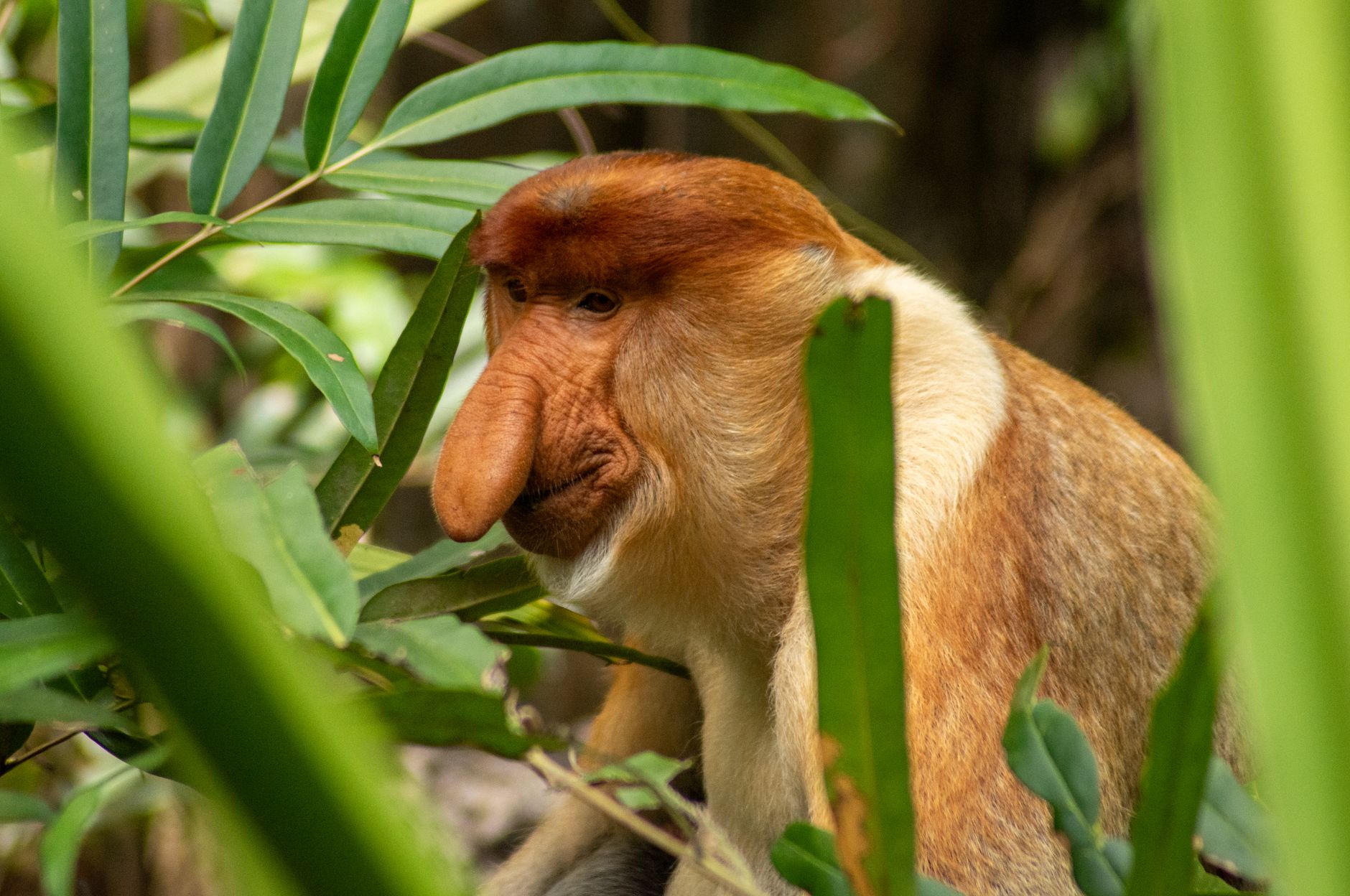
Bako National Park was the highlight of my time in Kuching. It is the oldest national park in Sarawak, covering 27 square kilometres of rainforest, mangrove swamp, and coastline, and it is one of the best places in Borneo to see proboscis monkeys in the wild. The park is only accessible by boat, which keeps the crowds manageable and gives the whole trip a real expedition feel.
Getting to Bako from Kuching takes two stages. First, you travel about 37 km north to Kampung Bako, a fishing village at the mouth of the Sarawak River. The cheapest way is the local bus (bus number 1 or Q09 Muara Tebas) from the Open Air Market terminal near the Kuching waterfront. It departs roughly hourly from around 7 AM and costs about RM 4 one way, taking 45 to 60 minutes. A Grab is faster, around 40 minutes and RM 40 to 60, but getting a Grab back from the village in the afternoon can be harder. From Kampung Bako jetty, you hire a wooden longboat to the park headquarters at Telok Assam. The boat ride takes 20 to 30 minutes and costs RM 200 per boat return, with a maximum of 5 passengers. If you are solo or a pair, group up with other travellers at the jetty to split the cost. The park entrance fee is RM 20 for foreign adults and RM 10 for Malaysian citizens, as of 2026. Bring cash because neither the jetty nor the park accepts cards.
Once at park headquarters, the trails fan out across the peninsula. The most popular is the Lintang loop, a 5 to 6 km trail that takes you through rainforest, over sandstone cliffs, and down to secluded beaches. The Telok Paku trail is shorter and is your best bet for proboscis monkeys. I saw a group of them in the trees within 20 minutes of starting the Telok Paku trail, including a dominant male with the full bulbous nose. They are loud, they move fast, and they are easier to spot than I expected. Bako is also home to long-tailed macaques, bearded pigs, silvered leaf monkeys, and over 200 bird species. The macaques are aggressive around the park headquarters and will snatch food, so keep everything zipped up.
A few practical tips: arrive early. Boats stop running around 3 PM, and you cannot return after dark. The sea conditions matter, so check the weather. During the northeast monsoon (November to February), rough seas can delay or cancel boat transfers. Wear proper shoes, not sandals, because the trails have rocks and roots and the mud is slippery after rain. Bring at least 2 litres of water and your own food. The park canteen is basic and sometimes runs out. If you want to stay overnight, accommodation must be booked in advance through the Sarawak Forestry Corporation website, and it is worth it for the early morning and late afternoon wildlife activity when day trippers are gone.
Nature: Semenggoh Wildlife Centre Orangutan Feedings
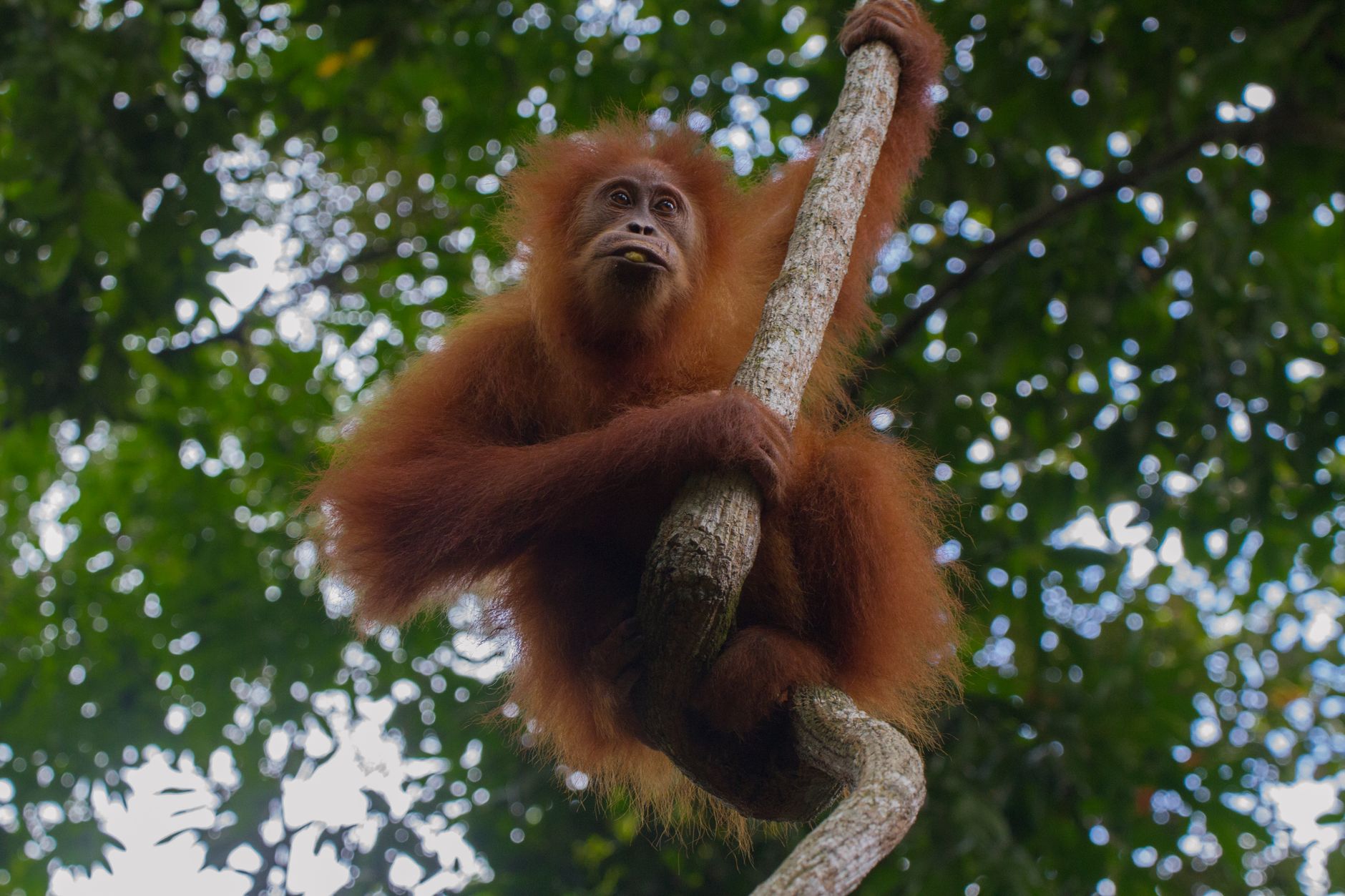
Semenggoh Wildlife Centre is about 24 km south of Kuching and is the most accessible place to see orangutans in Sarawak. It is a rehabilitation centre, not a zoo. The orangutans here are semi-wild, meaning they forage freely in the forest reserve but come to a feeding platform for supplementary food, mostly bananas, sugarcane, and seasonal fruits. There are two feeding sessions daily: 9 to 10 AM and 3 to 4 PM. I recommend the morning session because the light is better for photography and the orangutans are more active. Arrive at least 30 minutes early because they sometimes show up before the official start time.
The entrance fee is RM 10 for foreign adults and RM 5 for Malaysian adults, as of 2026. You do not need advance booking for individual visits. You simply show up, register at the gate, and walk about 1.6 km to the feeding platform, which takes around 30 minutes. There is an electric buggy option for RM 15 return if you do not want to walk. No visitor cars are allowed inside the centre.
Here is the honest part: there is no guarantee you will see orangutans. During fruiting season, when the forest has plenty of food, many of the orangutans simply do not come to the platform. I was lucky on my visit, seeing a mother with a young infant, but I met travellers who went during a fruiting period and saw nothing. The rangers are upfront about this. Your ticket is valid for both feeding sessions on the same day, so if you miss them in the morning, you can return in the afternoon. The best months for sightings are outside the fruiting season, roughly March to May and September to October, but it varies year to year.
Getting there requires a Grab or taxi since there is no regular public bus to the centre. A Grab from Kuching city centre costs about RM 30 to 40 one way. The trick is the return trip. Grab drivers do not always hang around, so either arrange a return pickup time with your driver or order a new Grab from the centre, which can take 15 to 20 minutes. Some travellers combine Semenggoh with a visit to Kubah National Park or Matang Wildlife Centre, which are in the same area, to make the half-day trip more worthwhile.
Cultural Experiences: Sarawak Cultural Village
The Sarawak Cultural Village is a living museum on the slopes of Mount Santubong, about 35 km from Kuching. It features reconstructed traditional longhouses from seven major ethnic groups in Sarawak: Iban, Bidayuh, Orang Ulu, Melanau, Penan, Malay, and Chinese. You walk between the longhouses, each staffed by members of that community, and learn about traditional architecture, crafts, music, and daily life. There are two cultural performances daily, at 11:30 AM and 4 PM, featuring traditional dances and music.
As of 2026, the entrance fee is RM 135 for non-Malaysian adults and RM 95 for Malaysian adults, with lower rates for children. It is open daily from 9 AM to 5 PM. The village is genuinely well done and not as kitschy as I feared. The longhouses are authentic reconstructions, and the staff are from the communities they represent, not actors reading scripts. The Iban longhouse, in particular, gives you a real sense of how these communities lived, with communal galleries and individual family rooms along a single corridor.
That said, it is a half-day experience, not a full day. Two to three hours is enough if you move at a reasonable pace. I would not skip it, but I also would not treat it as the main reason to come to Kuching. It complements the wildlife experiences rather than replacing them. If you are time-pressed, go in the morning and catch the 11:30 AM performance, then head back to Kuching for lunch.
The Sarawak Cultural Village is also the venue for the Rainforest World Music Festival, usually held in June or July, which is one of the best music festivals in Southeast Asia. If you can time your visit for the festival, it is worth it. The combination of world music acts, indigenous performers, and rainforest setting is unlike anything else.
Other Attractions In Kuching City
Within the city, the Sarawak Museum (currently undergoing renovation, with parts of the collection displayed in temporary facilities) is worth a visit for its ethnographic and natural history exhibits. The Kuching waterfront is a pleasant promenade along the Sarawak River, best in the early evening when the heat drops and the food stalls open. You can take a small sampan across the river for RM 1 to Kampung Boyan, where there are Malay kuih stalls and a quieter view of the city. The Cat Museum, on a hill north of the centre, is a quirky oddity that you can skip unless you have extra time. Kuching means “cat” in Malay, and the city has leaned into the theme with cat statues and murals, but the museum itself is underwhelming.
Where & What To Eat And Drink In Kuching
Kuching’s food scene is reason enough to visit. It stands apart from the rest of Malaysian cuisine, with dishes you cannot find in the same form anywhere else. The food culture here is a meeting point of Chinese (Hokkien, Teochew, Hakka, and Foochow), Malay, and indigenous Dayak traditions. Kuching is also a morning food city. The famous kopitiams (coffee shops) open around 6:30 AM, peak by 8 AM, and often sell out or close by lunchtime. Plan breakfast as the main event.
Sarawak Laksa
Sarawak laksa is the dish that defines Kuching mornings. It is rice vermicelli in a rich, dark, aromatic broth made from a paste of spices, coconut milk, and prawn stock, topped with shredded chicken, prawns, bean sprouts, and a squeeze of lime. It is completely different from the curry laksa or assam laksa you find in Peninsular Malaysia. The late Anthony Bourdain called it the “breakfast of gods,” and that reputation is not hype. A bowl costs RM 8 to 14 depending on the stall and whether you order extra prawns.
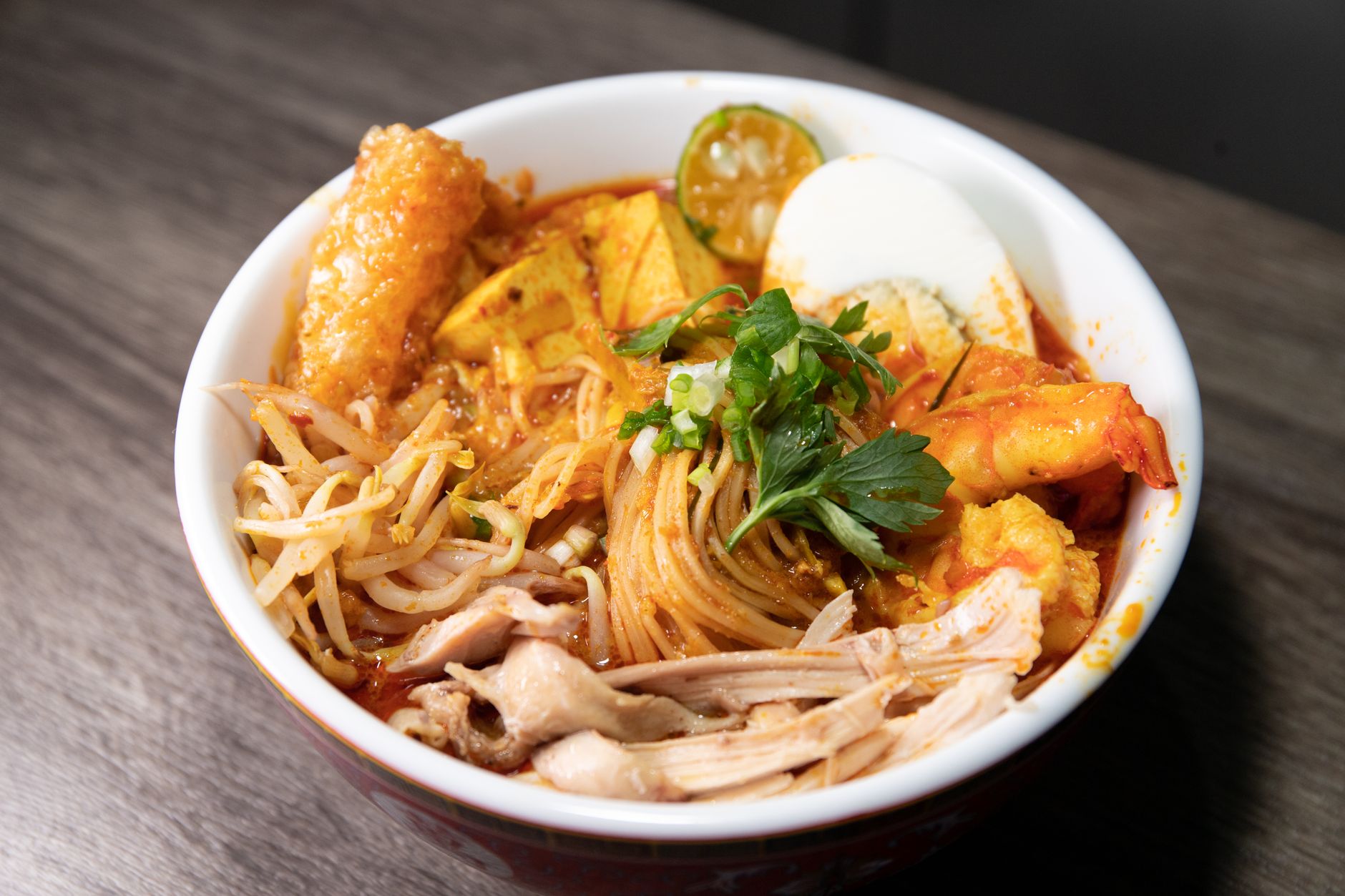
The best places I tried were Chong Choon Cafe on Jalan Chan Chin Ann and Choon Hui Cafe on Jalan Ban Hock. Both are old-school kopitiams, cramped and busy, which is the point. They open early and close by early afternoon. Go before 9 AM to avoid the longest queues. Chong Choon is the more famous of the two, but I preferred the broth at Choon Hui, which had a deeper spice profile. Ask for “tambah udang” (extra prawns) if you want a more generous bowl.
Kolo Mee
Kolo mee is the other Kuching breakfast staple. It is springy egg noodles tossed dry with pork lard or shallot oil, topped with minced pork, char siau (barbecued pork), and sometimes sliced spring onions. There are two versions: the white version, dressed in oil and soy, and the red version, coated in sweet red char siu sauce. Both are good, but I lean toward the white version because the pork lard flavour comes through more clearly. A bowl costs RM 6 to 10.
You can find kolo mee at almost any kopitiam in Kuching, but the Open Air Market on Jalan Market near the waterfront is a reliable spot, with several stalls doing it well. Sin Lian Shin is another frequently recommended name. The key is to go early, because the best stalls sell out by mid-morning. Kolo mee pairs naturally with a cup of kopi-o (black coffee with sugar), which is the standard kopitiam order. Kuching coffee is stronger and more bitter than what you get in the peninsula, and it grows on you fast.
Kek Lapis Sarawak (Layer Cake)
Kek lapis Sarawak is a dense, buttery layer cake baked one layer at a time, with each layer a different colour or flavour. The patterns can be intricate: stripes, checkerboards, and even picture designs baked into the cross-section. A whole cake costs RM 25 to 60 depending on size and complexity. The best place to buy them is in the Malay kampungs across the river, particularly Kampung Boyan, where small bakeries sell them fresh daily. You can also find them at the Satok weekend market and various shops along Jalan Padungan.
The cakes are labour-intensive, with each layer spread individually and baked briefly before the next is added. A single cake can have 20 or more layers. They make excellent gifts, and most bakeries will box them for travel. Flavours range from pandan and chocolate to prune and coffee. I am not a big dessert person, but kek lapis is worth seeking out. It is a Sarawak specialty that you will not find replicated outside the state.
Other Must-Try Foods In Kuching
Beyond the big three, there are several dishes unique to Sarawak that are worth trying. Midin is a wild jungle fern, stir-fried with garlic or belacan (shrimp paste), and it is crunchy, earthy, and unlike any vegetable I have had elsewhere. You will find it at Topspot Food Court, a rooftop seafood collection above a car park on Jalan Padungan that is the best evening eating spot in the city. Umai is a Melanau raw fish salad, similar to ceviche, with thin fish slices cured in lime, chilli, shallots, and torch ginger. Ayam pansuh is chicken cooked with lemongrass and tapioca leaves inside a bamboo tube, and it is the quintessential Dayak dish. For these indigenous dishes, look for Dayak restaurants or ask at your hotel for recommendations, because they are not as easy to find as the Chinese kopitiam staples.
One drink to try is teh C peng special, a three-layer iced tea with palm sugar at the bottom, evaporated milk in the middle, and tea on top, served in layers that you mix before drinking. It is sweet, rich, and perfect for the afternoon heat. You will find it at any kopitiam or drink stall for RM 3 to 5.
If you are planning a broader Malaysia trip, the food in Kuching is distinct enough from the peninsula that it is worth comparing. I have written about Kuala Lumpur’s food scene in my KL travel guide, and the contrast between KL’s nasi lemak and banana leaf culture and Kuching’s laksa and kolo mee mornings is a good illustration of how varied Malaysian cuisine really is.
Shopping In Kuching
Kuching’s best shopping is at its markets, not its malls. The Satok weekend market (now relocated to Kubah Ria near Petra Jaya) is the biggest and most authentic. It runs Saturday afternoon through Sunday morning and is where locals go for fresh produce, jungle herbs, Dayak crafts, and Malay kuih. You will see ingredients you cannot find in the peninsula: midin ferns, wild honey, dabai (Sarawak olives), and seasonal Bornean durian when in season. It is also a good place to buy kek lapis at lower prices than the tourist-oriented shops.
The Main Bazaar along the waterfront is the tourist shopping strip, with antique shops selling Dayak artefacts, rattan baskets, beadwork, and old porcelain. Some of it is genuine, some is reproduction, and the prices reflect which is which. If you are interested in indigenous crafts, this is the place to browse, but compare prices across a few shops before buying. The Sarawak Craft Council shop in the Old Courthouse complex on the waterfront has fixed prices and guaranteed authenticity if you do not want to bargain.
For a modern mall experience, Vivacity Megamall and The Spring are the two largest shopping centres, with the usual international brands and food courts. They are useful if you need supplies for a national park trip, but they are not a destination in themselves.
Bars & Nightlife In Kuching
Kuching is not a nightlife city. The evening social scene is centred on food courts, kopitiams, and the waterfront, not bars. That said, there is a small but growing bar scene along Jalan Padungan, with a handful of craft beer bars and cocktail lounges that cater to a mix of expats and locals. Expect drinks to cost RM 25 to 50 for a cocktail, which is reasonable for Malaysia but not cheap. The Riverside area near the waterfront has a few pub-style spots that are fine for a beer after dinner.
The real evening activity in Kuching is eating. Topspot Food Court fills up after 6 PM with families and groups ordering seafood by weight, and the atmosphere is more social than any bar. If you want a night out, go to Topspot, order midin, steamed river fish, and butter prawns, and drink a cold beer or a teh C peng. That is what locals do, and it is better than any bar I found in the city.
When Is The Best Time To Visit Kuching?
Kuching has a tropical rainforest climate and is one of the wettest cities in Malaysia, so rain is possible year-round. The question is how much rain, and that varies significantly by month. The driest period runs from June to September, with September being the driest month. The wettest months are November through February, with January averaging the highest rainfall. For outdoor activities like Bako National Park and Semenggoh, the drier months give you more reliable conditions and calmer seas for the boat transfer.
| Period | Weather | Highlights | Drawbacks |
|---|---|---|---|
| Mar to May | Drier, warm (32C) | Good wildlife sightings at Semenggoh | Some afternoon rain possible |
| Jun to Jul | Dry season, sunny | Gawai Dayak (Jun 1), Rainforest World Music Festival | Peak crowds, higher hotel rates |
| Aug to Sep | Driest months | Best for Bako trails and boat transfers | Still hot and humid |
| Oct to Nov | Rain increasing | Fewer tourists, lower rates | Rising rainfall, muddy trails |
| Dec to Feb | Wettest months | Lush scenery, quietest time | Rough seas, boat cancellations, heavy rain |
My recommendation: aim for June through September if your priority is wildlife and national parks. If you want to experience the Rainforest World Music Festival, it usually falls in late June or early July, and that is an excellent reason to time your trip. Avoid December and January if you can, because the northeast monsoon can make Bako boat trips unreliable and turn trails into rivers. March to May is a decent shoulder season with fewer crowds and decent wildlife sightings at Semenggoh.
How Many Days Do You Need In Kuching?
Four to five full days is the sweet spot for Kuching. You can see the city highlights in two days, but that leaves no room for Bako, which is a full day, and Semenggoh, which is a half day. Here is how I would shape a five-day itinerary.
Day one: Arrive and explore the city. Walk the waterfront, visit the Sarawak Museum, browse the Main Bazaar, and have dinner at Topspot Food Court. Get a feel for the city at a slow pace.
Day two: Bako National Park. Leave early, take the bus or Grab to Kampung Bako, boat to the park, and spend the full day hiking trails and looking for proboscis monkeys. Return to Kuching by late afternoon.
Day three: Semenggoh Wildlife Centre for the morning feeding, then the afternoon free. If you did not see orangutans in the morning, go back for the 3 PM session. Use the rest of the day to explore Carpenter Street, the old Chinatown, and eat your way through the city centre kopitiams.
Day four: Sarawak Cultural Village in the morning, including the 11:30 AM cultural performance. In the afternoon, explore Mount Santubong or relax at Damai Beach nearby.
Day five: Satok weekend market if it is a Saturday or Sunday, then a slow morning of kolo mee and laksa at kopitiams you missed earlier. Use the afternoon for last-minute shopping or a river cruise on the Sarawak River before departing.
Where To Stay In Kuching
Where you base yourself in Kuching matters less than in larger cities because the city centre is compact and walkable, but it still makes a difference for access to food and transport. Here are the areas I would consider.
The city centre, within walking distance of the waterfront and Carpenter Street, is the best base for first-time visitors. You are steps from the best kopitiams, the Main Bazaar, and the bus terminal for Bako. Accommodation ranges from budget hostels to mid-range hotels. The downside is that it can be noisy at night, especially near the waterfront bars.
Jalan Padungan, east of the centre, is the emerging cafe and dining strip. It has a growing number of boutique hotels and Airbnb apartments, and you are close to Topspot Food Court and some of the best laksa and kolo mee spots. It is a 10 to 15 minute walk to the waterfront, or a quick Grab ride.
Petra Jaya, across the river, is quieter and more residential. It is closer to the Satok weekend market and the Sarawak Cultural Village direction, but farther from the city centre food scene. It works well if you want a quieter base and do not mind taking a sampan or Grab across the river.
- Budget: Hostels and guesthouses in the city centre, RM 40 to 80 per night
- Mid-range: City centre and Jalan Padungan hotels, RM 120 to 300 per night
- Splurge: Riverside properties with river views, RM 400 and up per night
How Do You Get Around In Kuching?
Kuching is compact and the city centre is very walkable, more so than Kuala Lumpur. The waterfront, Carpenter Street, the Main Bazaar, and most of the best kopitiams are within a 15 minute walk of each other. For anything beyond the centre, Grab is the dominant ride-hailing app and works reliably. A typical Grab ride within Kuching costs RM 8 to 20. There is no ride-hailing motorcycle option in Kuching the way there is in the peninsula, which is something to note if you are used to GrabBike.
Public buses exist but are limited. The local bus network is not tourist-friendly in the way KL’s LRT and MRT are, and routes are confusing if you do not know the system. The one bus route that matters for visitors is the number 1 (or Q09 Muara Tebas) to Kampung Bako for Bako National Park. For Semenggoh and the Sarawak Cultural Village, Grab or a hired car is the practical option.
If you are considering renting a car, Kuching’s traffic is manageable and the roads to major attractions are well-maintained. A rental car gives you flexibility for Bako (you can drive to Kampung Bako yourself), Semenggoh, and the Sarawak Cultural Village. Daily rates start around RM 100 to 150. For motorcycle riders, the same legal requirements apply as in the rest of Malaysia: you need a valid Malaysian licence or an International Driving Permit. I have written a full guide to the International Driving Permit that covers what you need for legal riding in Malaysia.
For intercity travel, Kuching International Airport connects to Kuala Lumpur, Johor Bahru, Singapore, and Kota Kinabalu with regular flights. If you are planning to continue into Sabah after Sarawak, flying is the only practical option, because overland travel between Sarawak and Sabah involves long distances and border checkpoints. I am also working on a diving guide to Sipadan and Mabul in Sabah, which is the natural next stop for anyone combining Sarawak’s rainforest and wildlife with some of the best diving in the world. Keep an eye out for that.
Conclusion
Kuching is the kind of city that sneaks up on you. It does not have the dramatic skyline of Kuala Lumpur or the UNESCO-listed old town of George Town. What it has is something rarer: a cultural identity that is distinctly Bornean, shaped by the Brooke era, indigenous Dayak heritage, and a Chinese community that has been here for generations. The food is outstanding and unique. The wildlife is accessible in a way that few other cities in Southeast Asia can match, with proboscis monkeys and orangutans within a day trip of the city centre. And it is genuinely affordable, which makes extending your stay easy.
My advice: give Kuching at least four full days. Do Bako as a full day, not a half day. Go to Semenggoh in the morning and accept that you might not see orangutans, but go anyway. Eat laksa and kolo mee for breakfast, not lunch, because the good stalls close early. Try midin and umai and kek lapis. And treat Kuching as a gateway to the rest of Sarawak and Sabah, because Borneo has more to offer than any single city can contain.
Have you been to Kuching? Found a laksa stall I should know about, or a trail at Bako I missed? Drop your tips in the comments. I would love to hear your experience and add more stops to my own list for next time.
Frequently Asked Questions
How do you get to Bako National Park from Kuching?
Take bus number 1 or Q09 Muara Tebas from the Open Air Market terminal near the Kuching waterfront to Kampung Bako (about RM 4, 45 to 60 minutes). Alternatively, take a Grab for RM 40 to 60 one way. From Kampung Bako jetty, hire a wooden longboat to the park headquarters for RM 200 per boat return, shared among up to 5 passengers. The boat ride takes 20 to 30 minutes. Arrive early because boats stop running around 3 PM.
What is the entrance fee for Bako National Park and Semenggoh Wildlife Centre?
As of 2026, Bako National Park charges RM 20 for foreign adults and RM 10 for Malaysian adults. Semenggoh Wildlife Centre charges RM 10 for foreign adults and RM 5 for Malaysian adults. Both require cash payment. Bring small notes because change can be limited.
Can you guarantee seeing orangutans at Semenggoh Wildlife Centre?
No. The orangutans at Semenggoh are semi-wild and come to the feeding platform voluntarily. During fruiting season, when the forest has abundant food, many orangutans do not appear at all. Your ticket is valid for both feeding sessions (9 AM and 3 PM) on the same day, so if you miss them in the morning you can return in the afternoon. Sightings are more likely outside the fruiting season.
What is the best time of year to visit Kuching?
June through September is the driest period and the best time for outdoor activities like Bako National Park and Semenggoh. The Rainforest World Music Festival usually falls in late June or early July. Avoid December and January, the wettest months, because rough seas can cancel Bako boat transfers and heavy rain makes trails difficult. March to May is a decent shoulder season with fewer crowds.
How many days do you need in Kuching?
Four to five full days is ideal. Bako National Park is a full day, Semenggoh is a half day, the Sarawak Cultural Village is a half day, and you need at least one full day to explore the city and eat at the best kopitiams before they sell out. Two days is possible but rushed.